As the Marvel Cinematic Universe (MCU) prepares to enter a new chapter, the spotlight is firmly fixed on the neighborhood’s most iconic hero. Spider-Man: Brand New Day, the fourth installment in the live-action franchise starring Tom Holland, marks a significant turning point in the series’ history. Following the departure of Jon Watts, who helmed the initial homecoming trilogy, director Destin Daniel Cretton (Shang-Chi and the Legend of the Ten Rings) has stepped into the director’s chair, bringing with him a mandate to modernize the visual language of the wall-crawler.
Early footage of the film, unveiled to critics last week, reveals a tonal shift that balances the grounded, intimate storytelling of Peter Parker’s roots with a kinetic, high-octane visual style that feels ripped directly from the pages of modern comic books and digital gameplay.
The Vision: A New Era for Peter Parker
The transition from Jon Watts to Destin Daniel Cretton represents more than just a change in leadership; it signifies an evolution in how the MCU defines the "friendly neighborhood" experience. In a recent interview, Cretton discussed the pressure and the privilege of taking over a franchise that has become the bedrock of the modern superhero genre.
"I surrounded myself with people who were obsessive gamers," Cretton noted, explaining that his approach to the film was collaborative to an extreme degree. While Cretton himself admits he is not a seasoned gamer, he recognized that the most immersive depictions of Spider-Man in recent years have come from the medium of interactive entertainment. By empowering his stunt department to utilize footage from the Insomniac Games Spider-Man series, Cretton has effectively bridged the gap between cinematic storytelling and the fluidity of digital motion.
Chronology and Production Development
The development of Brand New Day began in the wake of the multiversal chaos established in Spider-Man: No Way Home. With Peter Parker effectively erased from the collective memory of his peers, the narrative slate was wiped clean.
- Pre-Production (Early 2025): Cretton and his creative team, including production designer Charlie Wood, initiated a "creative pilgrimage" to New York City. Rather than relying solely on studio backlots in Atlanta or London, the team spent weeks walking the streets of the boroughs, documenting the texture of the city to ensure it felt like a living, breathing character.
- Principal Photography (Late 2025 – Early 2026): Production utilized advanced camera rigs to capture the feeling of flight. Drawing inspiration from extreme sports, the team studied wingsuiters and parkour athletes to inform the camerawork for Spider-Man’s iconic traversal sequences.
- Post-Production (Spring/Summer 2026): Final touches on the visual effects were heavily influenced by the Spider-Verse films, incorporating stylized lighting and frame-rate adjustments to heighten the visceral impact of the action.
Supporting Data: The Convergence of Media
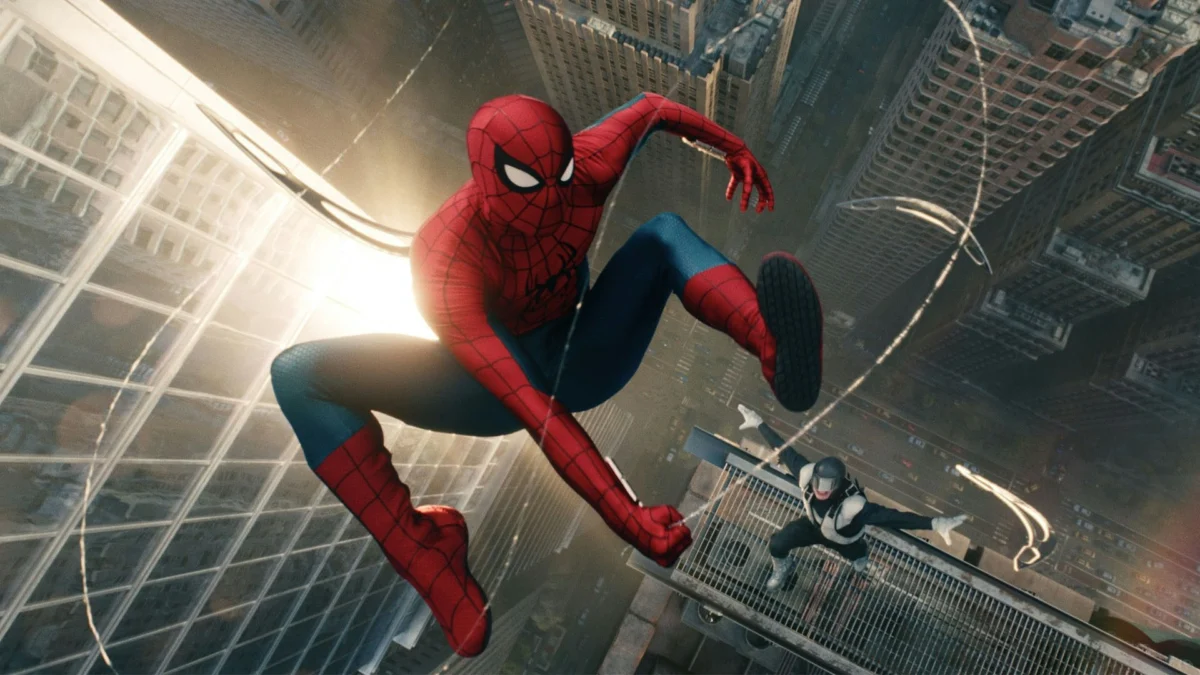
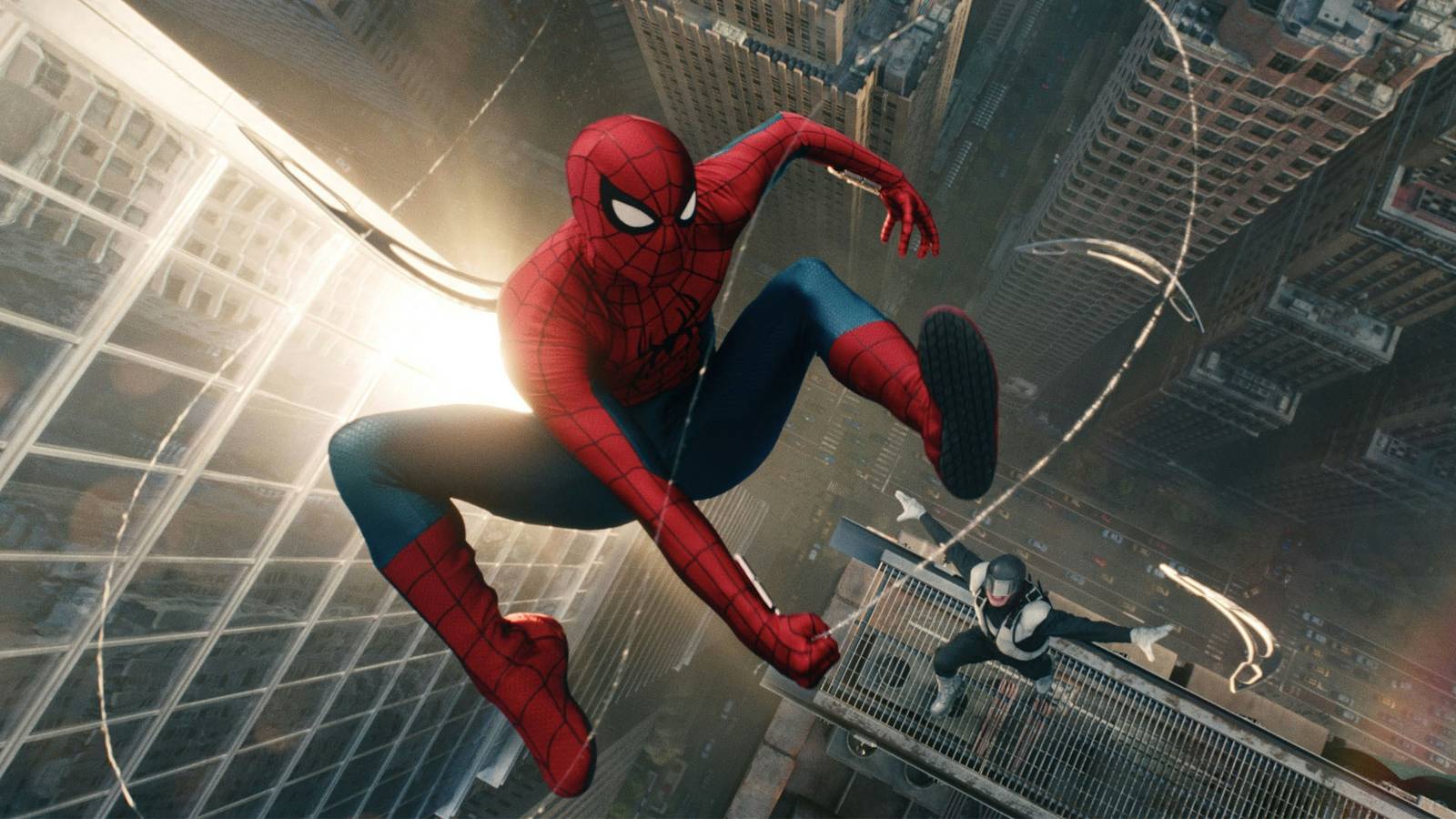
The influence of non-film media on Brand New Day cannot be overstated. When asked about the visual inspiration behind the film’s opening sequence—which features a distinct, gravity-defying shot of Spider-Man perched upside down on a skyscraper—Cretton was candid.
"We definitely looked at the Spider-Verse movies," he stated. "We also drew inspiration from the video games. There wasn’t a place where we weren’t at least trying to find references of things that we could do in our movie that you haven’t really seen before in live action."
Technical Methodology
The stunt department’s use of "screen grabs" from gameplay serves as a fascinating piece of production data. By treating the video game’s engine-captured movement as a storyboard, the production team was able to map out complex sequences that mimic the "flow state" that players experience while navigating Manhattan. This approach, combined with the use of GoPro-style lenses and selfie-stick-inspired camera angles, aims to place the audience in a first-person proximity to the action, creating a sense of 200-mph velocity that differs from the more traditional cinematic angles of the past.
Official Responses and Creative Philosophy
During the press junket, the discussion inevitably turned to the sprawling nature of the Marvel Cinematic Universe and the potential for crossovers. With the inclusion of various heroes in recent MCU projects, fans have speculated about a potential team-up between Peter Parker and Shang-Chi.
Cretton addressed the temptation to include his former lead, Simu Liu, but remained steadfast regarding the film’s narrative focus. "Everybody was a discussion, but there’s a point when you can’t just cram people into a movie," he explained. "Every character in this movie is in it for a very clear reason… As much as I would love to see Shang-Chi and Spidey together in a scene, we’ll have to save it."

This indicates a disciplined approach to storytelling, prioritizing the character arc of Peter Parker over the "cameo-heavy" model that has been criticized in previous MCU entries. The goal, according to Cretton, is to return to the heart of the city—a decision championed by production designer Charlie Wood, who obsessed over the intricate set builds to ensure every frame reflects the soul of New York.
Implications for the MCU
The implications of Brand New Day extend far beyond the box office projections for its July 31 release date.
- A Shift in Stunt Choreography: By normalizing the use of "gamer-logic" and extreme-sport videography in blockbuster filmmaking, Cretton is setting a new industry standard for action sequences. Expect future superhero films to lean more into the "player-experience" aesthetic.
- The "New York" Aesthetic: The decision to treat the city as a primary character—based on real-world observation rather than digital set-extension—suggests a pivot back to grounded, location-based filmmaking. This could be a reaction to the "green-screen fatigue" often cited by audiences in recent years.
- Franchise Sustainability: By successfully integrating the tone of animated films and interactive media into live-action, the MCU is demonstrating its ability to evolve its visual vocabulary. This "multi-modal" approach allows the studio to keep the franchise feeling fresh even after four films.
Conclusion: The Path Forward
As we approach the July 31 release, the anticipation surrounding Spider-Man: Brand New Day is palpable. It is a film that sits at the intersection of tradition and innovation. By honoring the cinematic legacy of Sam Raimi’s web-slinging action, while simultaneously embracing the fluid, high-octane aesthetics of the Spider-Verse and Insomniac’s gaming universe, Destin Daniel Cretton has crafted a project that feels both familiar and entirely new.
For Tom Holland’s Peter Parker, this "Brand New Day" represents a fresh start in a city that is finally being treated with the reverence it deserves. Whether or not the film succeeds as a box-office juggernaut remains to be seen, but from a creative standpoint, the shift in direction suggests that the future of the friendly neighborhood Spider-Man is in capable, observant hands.