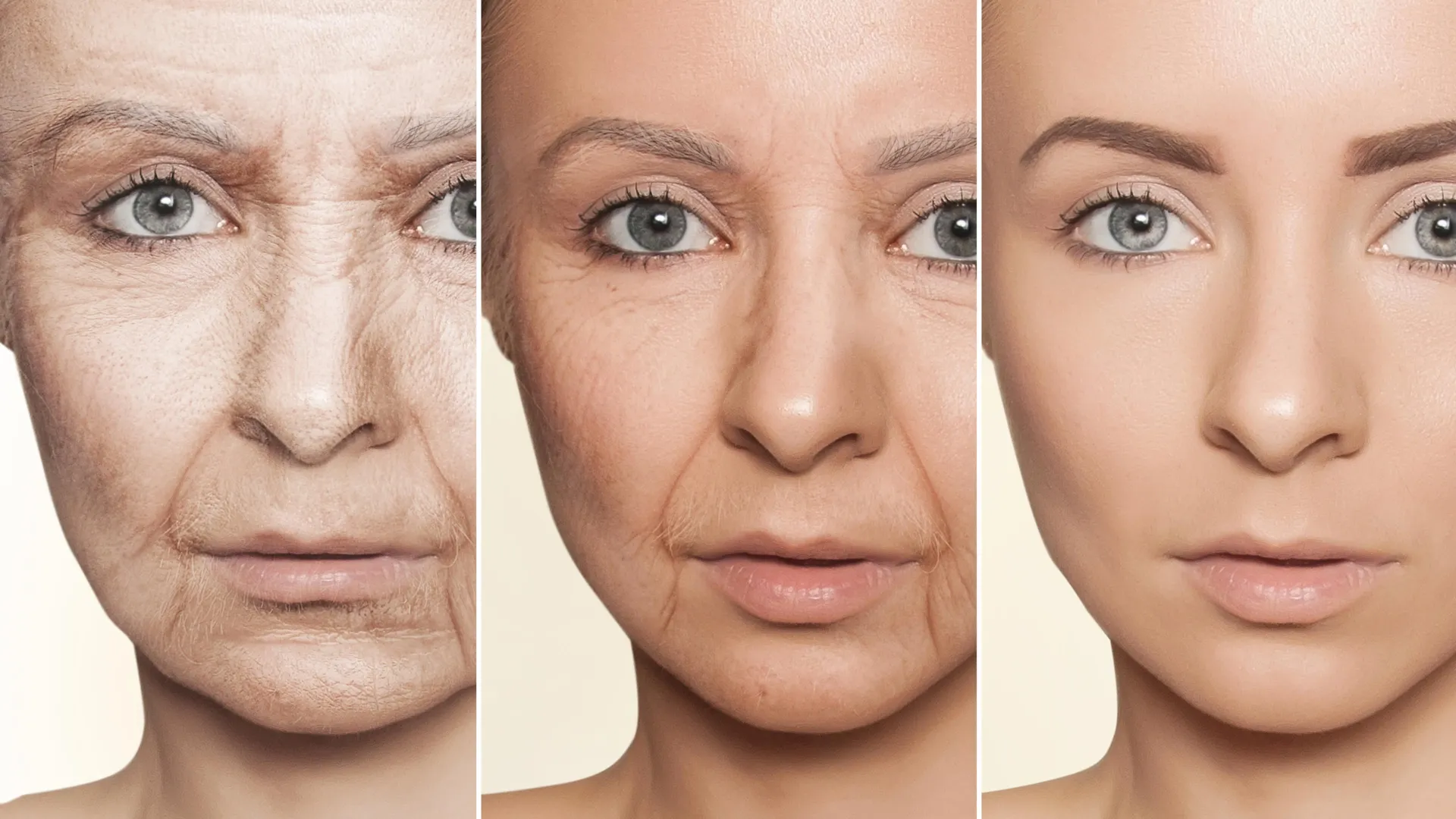
From the silvering of hair to the gradual erosion of memory, the markers of aging have long been viewed as an inevitable trajectory—a biological slow-motion decline that humanity has spent centuries attempting to arrest. While history is littered with tales of alchemists and explorers seeking the Fountain of Youth, modern science has finally begun to pivot from myth to molecular reality. A groundbreaking collaborative study involving researchers from Xi’an Jiaotong-Liverpool University, Stanford University, Shanghai Jiao Tong University, and the University of Chinese Academy of Sciences has identified an unlikely candidate in the quest to stall, or even reverse, the aging process: a humble marine organism known as the sea squirt.
The Marine Solution: Unveiling Plasmalogens
The sea squirt, a member of the subphylum Tunicata, is a staple of coastal culinary traditions in parts of Asia. Known as meongge in Korea and hoya in Japan, these marine creatures are frequently consumed raw. While they may appear unassuming, researchers have identified that they are packed with high concentrations of plasmalogens—a specialized class of phospholipids essential for the integrity of cell membranes.
Plasmalogens are not foreign to the human body; they are naturally occurring fats found in high concentrations within the brain, heart, and immune cells. However, clinical observations have consistently shown that as humans age, these critical lipids begin to decline. This depletion is not merely a symptom of aging; it is a clinical marker often found in patients suffering from severe neurodegenerative conditions, including Alzheimer’s and Parkinson’s diseases. The core hypothesis of this recent study was straightforward yet ambitious: if a decline in plasmalogens correlates with brain degradation, could the dietary restoration of these lipids serve as a neuroprotective intervention?
A Chronology of Discovery: From Lab Benches to Behavioral Shifts
To test this hypothesis, the research team embarked on a rigorous experiment involving aged mice. The study was structured to evaluate both physical and cognitive outcomes over a controlled period.
Phase 1: The Behavioral Maze
The researchers utilized the Morris water maze, the gold standard in laboratory testing for hippocampal-dependent learning and memory. In this setup, mice are placed in a water pool containing a hidden, submerged platform. Naturally, mice seek to escape the water and will navigate the pool to find the platform. Younger, cognitively healthy mice quickly map the location, while aged mice typically struggle, exhibiting the classic cognitive slowing associated with senescence.
After five days of dietary supplementation with plasmalogens, the treated aged mice demonstrated a performance leap that stunned the researchers. They navigated the maze with a speed and accuracy comparable to their much younger counterparts. The "learning gap" that usually defines the difference between a young mouse and an elderly one had been effectively bridged.
Phase 2: Physical Manifestations of Vitality
The cognitive improvements were not the only visible changes. The research team noted striking physical transformations in the supplemented cohort. Aged mice that received the plasmalogen diet began to grow new, thicker, and glossier black fur—a startling indicator of systemic health and rejuvenation that extended beyond mere brain function. This suggested that the impact of plasmalogens was not localized to neural pathways but likely exerted a broad, systemic influence on the biological aging process.
The Neural Architecture: Synaptic Restoration
To understand the "why" behind the behavioral success, the team performed a deep dive into the neurological structure of the test subjects. The findings revealed a profound improvement in synaptic density.
Synapses, the microscopic junctions through which neurons transmit information, are the physical foundations of memory and cognitive plasticity. In the aging brain, these connections typically wither, leading to the "brain fog" and cognitive decline seen in geriatric populations. The research indicated that the mice treated with plasmalogens possessed a significantly higher number of healthy, functional synapses compared to the control group.
Furthermore, the team identified a marked reduction in neuroinflammation. While inflammation is a vital immune response, chronic, low-grade inflammation in the aging brain acts as a catalyst for cellular decay. By dampening this inflammatory response, the plasmalogen supplements appeared to create an environment conducive to neuroregeneration—the actual repair and regrowth of neural circuitry.
Official Perspectives: Decoding the Mechanism
Professor Lei Fu, the corresponding author of the study, provides a compelling explanation for these findings. According to Fu, the mechanisms at play are likely twofold, involving both direct structural support and systemic biological signaling.
"Our research suggests that plasmalogens may not just stop cognitive decline, but may reverse cognitive impairments in the aging brain," Fu states. He highlights that plasmalogens stimulate the production of neurotrophic factors—molecules that act as "fertilizer" for the brain, fostering the growth and development of neurons.
The Fluidity of Thought
Beyond growth, Professor Fu posits that plasmalogens physically alter the cellular environment. "There is also an increasing body of evidence that plasmalogens directly affect the structural properties of synapses. Plasmalogens may increase the fluidity and flexibility of synaptic membranes, affecting the transmission of impulses between neurons."
By ensuring that cell membranes remain fluid and responsive, plasmalogens allow for more efficient signal transmission, effectively "greasing the gears" of the aging mind.
The Gut-Brain Axis
Perhaps the most innovative aspect of the research is the consideration of the gut-brain axis. Emerging science has established that the gut microbiome is in constant, bidirectional communication with the brain. Professor Fu notes, "Some studies have shown that dietary plasmalogens affect the microorganisms in the gut. It may be the plasmalogen’s effect on this connection that causes the improvements in learning and memory seen in this study." By modifying the gut environment, these lipids may be influencing the systemic immune system, thereby reducing the inflammatory signals that reach the brain.
Implications for Human Health
The results of this study are, by any metric, a significant milestone in longevity research. However, the scientific community maintains a cautious stance. While the results in mice are robust and repeatable, the translation to human physiology is a complex hurdle.
The Path Toward Clinical Trials
The leap from rodent models to human application requires extensive vetting. Researchers must determine:
- Bioavailability: How much of the dietary plasmalogen is absorbed and successfully crosses the blood-brain barrier in humans?
- Dosage: What is the therapeutic window for humans? Too little may be ineffective, while too much could potentially disrupt metabolic homeostasis.
- Long-term Safety: While sea squirts are a traditional food source, concentrated, long-term supplementation needs to be rigorously evaluated for side effects.
Despite these necessary caveats, Professor Fu’s personal conviction is telling. He reports taking a plasmalogen supplement daily—a testament to his belief in the research. "For the first time, we show that plasmalogen supplements might be a potential intervention strategy for halting neurodegeneration and promoting neuroregeneration," he says.
A New Frontier in Anti-Aging
The study concludes that we are at the precipice of a new era in neuroscience. By focusing on the structural components of the cell—specifically the lipids that maintain membrane integrity—scientists may have found a way to slow the relentless decay of aging.
The humble sea squirt, once a niche dietary item, is now the subject of intense scientific scrutiny. If these findings hold true in clinical trials, the implications for Alzheimer’s, Parkinson’s, and general age-related cognitive decline are immense. We are moving toward a future where the decline of the mind is no longer treated as an immutable law of nature, but as a biological condition that can be managed, supported, and perhaps even repaired through the intelligent application of nature’s own molecular tools.
While the fountain of youth remains a myth, the "sea squirt protocol" may be the first real, scientifically grounded step toward extending the quality of human life in its twilight years. As research moves from the laboratory to the clinic, the world watches with bated breath, waiting to see if these marine-derived lipids will fulfill their promise as the guardians of the aging brain.