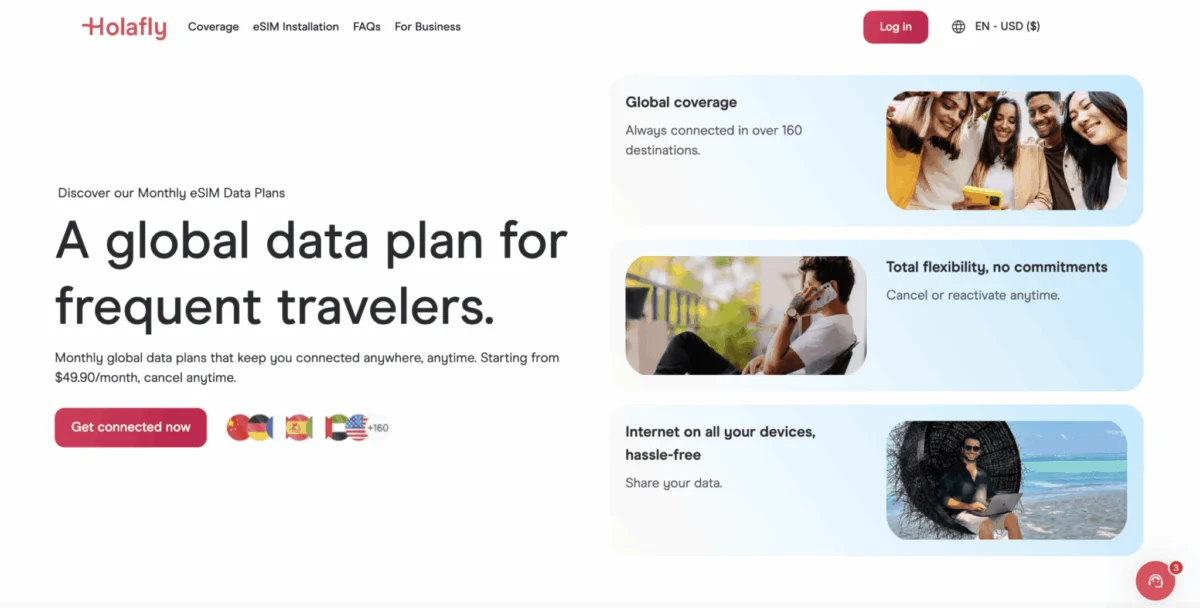
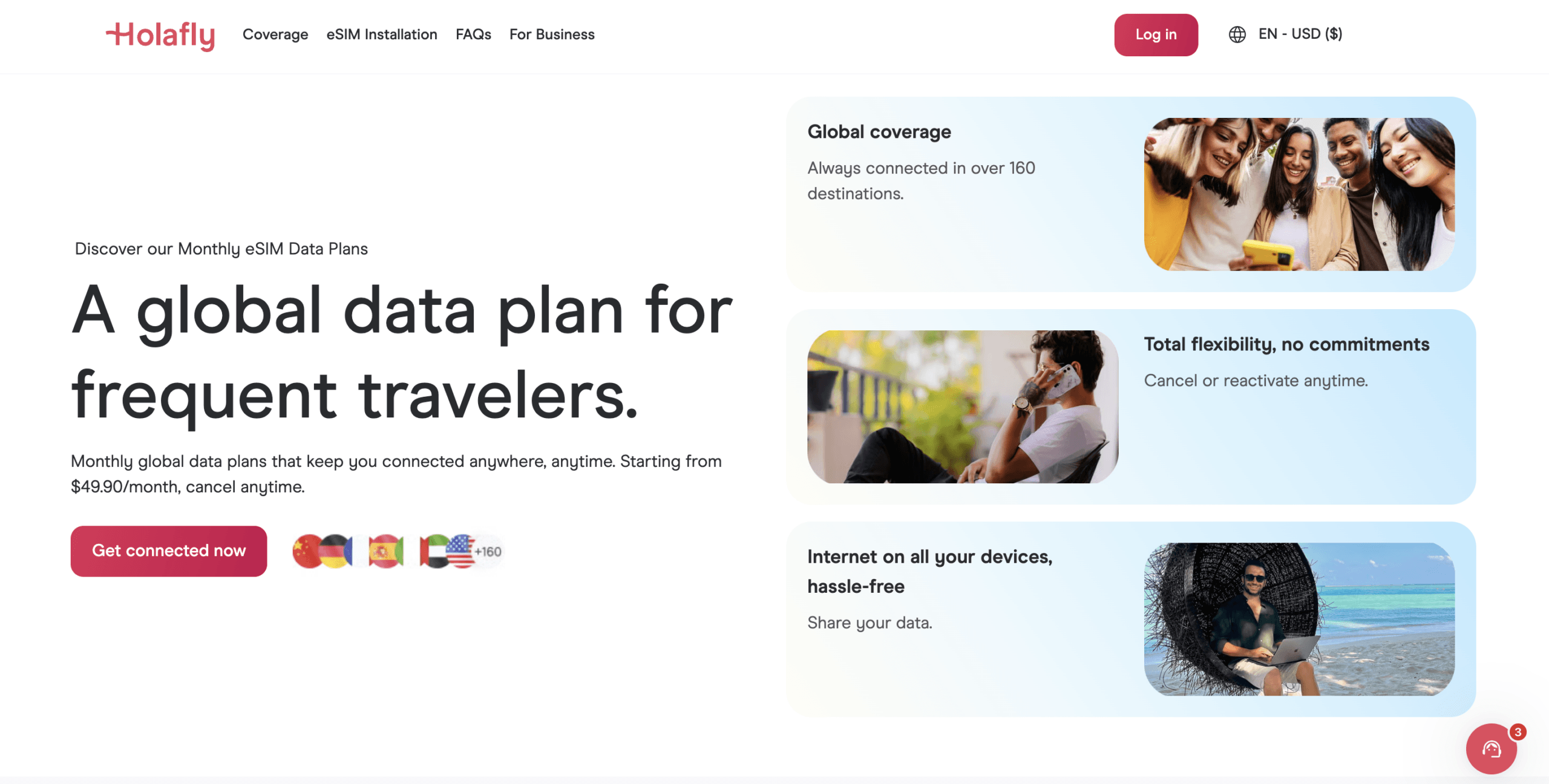
For the modern traveler, the "SIM card scramble"—that frantic search for a local kiosk in a foreign airport—has long been a necessary evil. However, the rise of eSIM technology has begun to shift the paradigm, moving mobile connectivity from physical plastic cards to digital, software-based solutions. While there are numerous providers currently competing for market share, one company, Holafly, has recently disrupted the status quo by launching "Holafly Plans," a comprehensive, subscription-based model that promises to redefine how digital nomads and frequent flyers stay connected across more than 160 countries.
The Evolution of Mobile Connectivity: From Physical to Digital
To understand the significance of Holafly’s new offering, one must first understand the fundamental shift in mobile hardware. An eSIM (embedded SIM) is a digital SIM card built directly into the smartphone’s circuitry. Unlike traditional SIM cards that require manual insertion and removal, eSIMs are managed entirely via software. This allows users to store multiple profiles on a single device, enabling seamless switching between a home carrier and a local travel plan without ever opening the phone’s SIM tray.
While traditional "one-off" eSIMs have become popular for short-term vacations, they require users to purchase, download, and configure a new plan every time they cross a border. For the occasional traveler, this is a minor inconvenience. For the digital nomad, the remote worker, or the frequent business traveler, it is a persistent administrative burden.
What Are Holafly Plans? The New Gold Standard
Holafly Plans represent a departure from the transactional nature of previous eSIM services. Instead of purchasing a data package tied to a specific duration and destination, users sign up for an ongoing, subscription-based service.
Key Technical Specifications
- Global Reach: The plan covers over 160 destinations, automatically adjusting to the local network as the user crosses borders.
- Tiered Structure: Users can choose between a "Light" plan (25GB per month) and an "Unlimited" plan (no data caps).
- No Hardware Hassle: Once the initial QR code is scanned and the profile is installed, the system functions as a permanent, global mobile carrier.
- Always-On Backup: Both tiers include a permanent 1GB "Always On" backup data feature, which remains active even if the user cancels their subscription.
This service is designed to function as a "home base" for mobile data, effectively eliminating the need to search for new QR codes or re-download profiles when moving from, for instance, a project in Madagascar to a meeting in Thailand.

Chronology: The Shift Toward Subscription Utility
The travel industry has been trending toward subscription-based utility models for years, but mobile data had remained stubbornly tethered to local providers or expensive roaming packages.
- Phase 1 (The Pre-eSIM Era): Travelers relied on local physical SIM cards, often facing language barriers and inconsistent coverage at kiosks.
- Phase 2 (The Early eSIM Era): The emergence of companies like Holafly allowed for pre-trip digital purchases. This solved the "kiosk" problem but left the "repeat purchase" problem intact.
- Phase 3 (The Subscription Era): With the introduction of Holafly Plans, the industry is moving toward a "set it and forget it" model. The infrastructure is now treated as a utility that follows the user globally, rather than a series of disparate, short-term contracts.
Supporting Data: The Economic Argument
The primary driver for the adoption of Holafly Plans is not just convenience, but cost efficiency. Major US-based carriers, such as T-Mobile or Verizon, often charge exorbitant daily roaming fees or require expensive international add-on packages that throttle speeds after a certain threshold.
Comparative Cost Analysis (Estimated Monthly Costs)
| Feature | Holafly Plans (Unlimited) | US Major Carrier Roaming | Standard Prepaid SIMs |
|---|---|---|---|
| Monthly Cost | ~$55–$65 | $100–$300 | $60–$120 |
| Data Allowance | Unlimited | Throttled | Variable (5GB-10GB) |
| Hassle Factor | Near Zero | High Cost / Low Ease | High (Manual setup) |
| Hotspotting | Included | Restricted | Varies |
For the average remote worker who consumes significant data through video conferencing, cloud file syncing, and media streaming, the "Unlimited" tier of Holafly Plans offers a level of predictability that traditional roaming passes cannot match. By pricing the yearly subscription at a rate lower than most domestic US international roaming add-ons, Holafly is effectively undercutting the traditional carrier market.
The Role of the "Always On" Feature
One of the most notable aspects of the Holafly strategy is the "Always On" feature. By providing 1GB of backup data for life, the company is attempting to build long-term brand loyalty. Even for travelers who pause their subscriptions during months spent at home, the presence of that 1GB buffer ensures that the user doesn’t have to re-configure their phone when they land in a new country. It serves as a safety net that lowers the psychological barrier to re-subscribing.
Official Responses and Strategic Positioning
In statements regarding the launch, Holafly has emphasized that the goal is to bridge the gap between "tourist connectivity" and "professional mobility." By providing a local phone number from major regions like the US, UK, or Canada, the service allows users to receive SMS verification codes—a critical, often overlooked requirement for banking and business apps while traveling abroad.
Furthermore, the company has addressed the "support" hurdle. One of the primary criticisms of smaller eSIM providers has historically been the lack of reliable, real-time customer service. Holafly has invested in a 24/7 human-staffed support network to handle the inevitable technical hiccups that occur when hardware settings clash with local carrier infrastructure.
Implications for the Travel Industry
The rollout of Holafly Plans has several far-reaching implications for the digital nomad economy and the wider travel sector:
1. The Death of the "Local SIM"
As coverage and pricing reach parity with local providers, the necessity of hunting for a physical SIM card will likely vanish entirely for all but the most budget-conscious or long-term expatriates.
2. The Normalization of Global Work
When connectivity becomes a seamless utility, the geographical constraints on work are further diminished. When a professional can travel from Tokyo to Berlin to New York without losing their primary data connection or needing to navigate local network settings, the "friction" of remote work decreases, potentially increasing the total number of people choosing a nomadic lifestyle.
3. Pressure on Domestic Carriers
Domestic telecommunications companies are facing a significant competitive threat. If a consumer can bypass their carrier’s expensive international roaming plans in favor of a $55/month subscription that covers the globe, the profit margins on international roaming—a traditional cash cow for major carriers—will come under intense pressure.
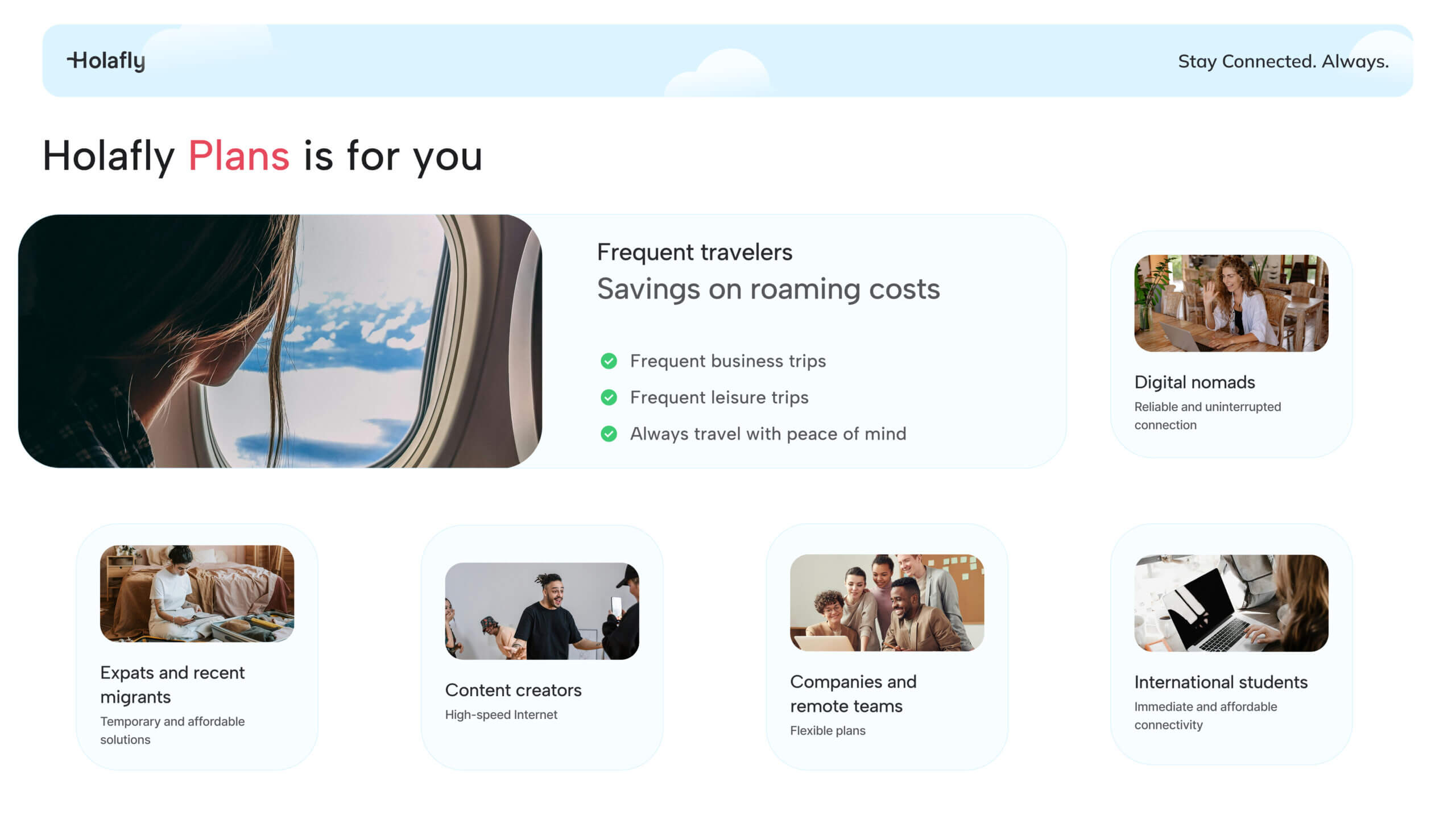
Critical Considerations: Who Should Use This?
While the benefits are clear for the high-frequency traveler, the model is not universal.
- The Casual Vacationer: If you are taking a single, one-week trip to one country, the "classic" one-off eSIM remains the most cost-effective and logical choice. The overhead of a subscription is unnecessary for sporadic travelers.
- The Digital Nomad: If your lifestyle involves changing locations every few weeks or months, the subscription model is not just a convenience—it is an essential operational tool.
Conclusion: A New Era of Connectivity
The introduction of Holafly Plans marks a definitive shift in the mobile data landscape. By prioritizing a persistent, subscription-based experience over the fractured, transactional model of the past, Holafly has addressed the primary pain points of the modern mobile workforce.
As eSIM technology continues to mature, and as more smartphones adopt the hardware necessary to support multiple, concurrent digital profiles, services like this will likely become the default for global citizens. In a world where work and leisure are increasingly blurred, the ability to remain "always connected" without the administrative nightmare of traditional roaming is no longer a luxury—it is a necessity. For the traveler, this means less time spent in airport kiosks and more time spent actually exploring the world.