By Robby Kalland
June 21, 2026
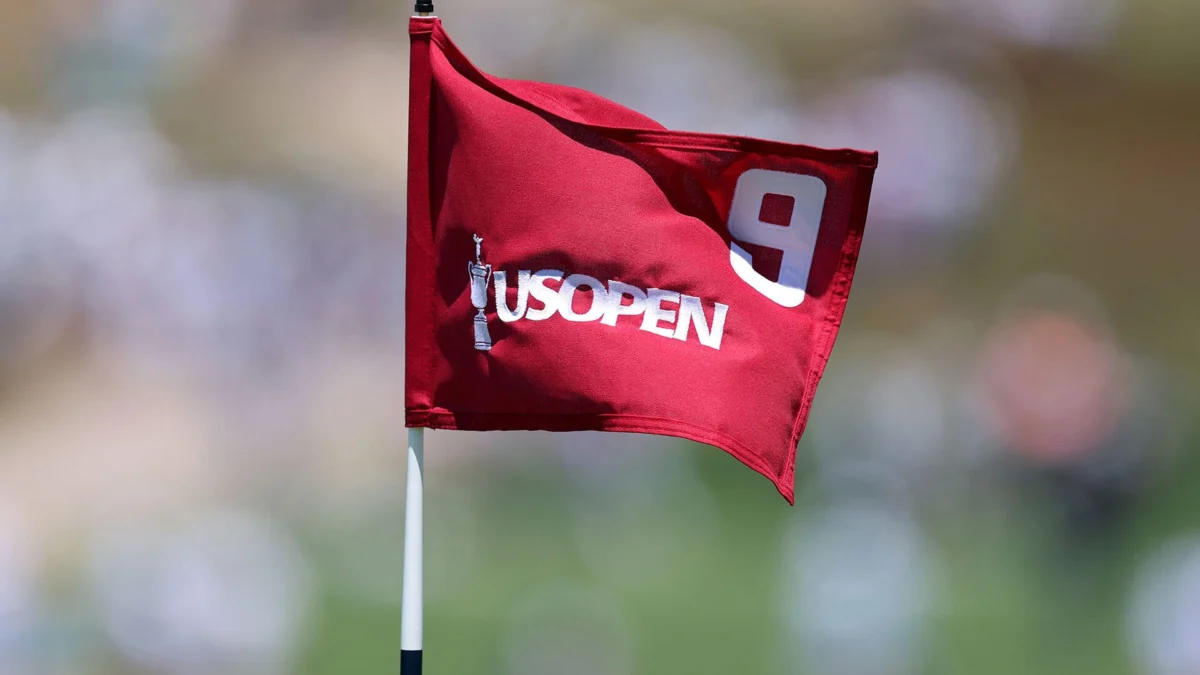
The 2026 golf season has reached its high-stakes crescendo. As the dust settles over the windswept dunes of Southampton, New York, the third major of the year—the U.S. Open—stands at a critical juncture. Returning to the storied and unforgiving fairways of Shinnecock Hills for the sixth time in history, the tournament has proven to be a brutal master, testing the composure of the world’s elite golfers with relentless Atlantic gusts and lightning-fast greens.
With the field of 156 players now halved, the tension is palpable. As we head into the final 18 holes, the narrative has shifted from a crowded leaderboard to a singular, dominant pursuit: Wyndham Clark’s quest to hoist the trophy amidst the hallowed history of one of America’s most demanding venues.
The Landscape: Shinnecock’s Brutal Test
Shinnecock Hills is not merely a golf course; it is a psychological obstacle. Known for its narrow corridors, deep fescue, and unpredictable coastal winds, the venue has once again demonstrated why it is considered the ultimate "tough test" in the USGA’s rotation.
Throughout the week, the wind has acted as a primary antagonist. Gusts have wreaked havoc on ball flight, turning routine par-fours into nerve-wracking exercises in damage control. The course, which first hosted the U.S. Open in 1896, demands a specific brand of golf: precision off the tee, iron play that accounts for wind drift, and a putting touch that can navigate undulations that seem to defy the laws of physics.
The Rise of Wyndham Clark
The defining story of the 2026 U.S. Open is the absolute dominance of Wyndham Clark. Entering the final round with a staggering six-stroke lead, Clark has effectively dismantled the course—and the opposition—over the first 54 holes. While his peers have struggled to scrape together pars, Clark has played with a clinical rhythm, avoiding the catastrophic "blow-up" holes that have sent so many others tumbling down the leaderboard.
His lead is not just a statistical advantage; it is a mental barrier for the rest of the field. By maintaining a clean scorecard in conditions where every other player has been forced to scramble, Clark has forced his competitors into an aggressive—and often reckless—style of play that frequently results in further bogeys.
Chronology of the 2026 Championship
The path to the final day has been paved with shifting fortunes and shattered expectations.
- Thursday, Round 1: The championship opened under clear skies, but the wind immediately signaled its intent. Many players found themselves in the deep fescue, with the field average hovering well above par.
- Friday, Round 2: The "Cut Line" became the primary focus. High-profile names, including several past major champions, struggled to adapt to the firming greens. By the end of the day, the field was halved, and notable stars—including Bryson DeChambeau, Jon Rahm, and Brooks Koepka—were sent home early, failing to navigate the course’s stringent requirements.
- Saturday, Round 3: "Moving Day" proved to be anything but for the chasers. While players like Scottie Scheffler attempted to mount a charge, the course refused to offer up the birdie opportunities necessary to close the gap on Clark. The leaderboard stagnated, with Clark maintaining his firm grip on the lead despite the pressure of the closing holes.
- Sunday, Round 4: The final sprint. The remaining field prepares to tackle the Shinnecock layout one last time, with the morning tee times signaling the start of the final push for the U.S. Open trophy.
Supporting Data and The "Scheffler Factor"
Scottie Scheffler, the consensus favorite entering the week, remains the only player truly capable of disrupting the status quo. However, the math is daunting. A six-shot deficit in a U.S. Open at Shinnecock is a chasm that few in history have successfully bridged.
For Scheffler, the motivation is historic. He is attempting to become the first golfer in history to complete the Career Grand Slam on his very first attempt—a feat that would cement his status as the greatest tactical golfer of the modern era. To achieve this, he requires more than just his own brilliance; he requires a fundamental breakdown in Clark’s composure.
Field Statistics:
- Total Participants: 156 (Start) / 78 (Current)
- Scoring Average (Through 54 holes): 74.2
- Most Difficult Hole: 14th (Par 4), averaging 4.6 strokes
- Most Productive Player: Wyndham Clark (-12 under par)
The data suggests that the course has played significantly harder than in previous years, largely due to the USGA’s setup, which emphasizes firm fairways and precarious pin placements. The ability to avoid double-bogeys has been the single most significant predictor of success this week.

Official Responses and USGA Perspective
USGA officials have remained tight-lipped regarding the setup, maintaining their stance that the U.S. Open is intended to be the ultimate examination of a player’s skill.
"We want the best player to win, and that means testing every facet of their game," a tournament spokesperson noted. "Shinnecock Hills provides that test naturally. We haven’t had to ‘manufacture’ difficulty this year; the wind and the firm nature of the greens have done the work for us. We are pleased with the caliber of golf we are seeing from the leaders."
Players, however, have been more vocal. During post-round interviews, many expressed relief at simply being in the hunt for Sunday, acknowledging that the course design makes even the most consistent golfers feel vulnerable on every shot.
Implications of the 2026 Result
The outcome of this tournament will have significant ramifications for the Official World Golf Ranking (OWGR) and the landscape of professional golf.
- The Rise of a New Rivalry: A win for Clark would signal his arrival as a permanent fixture in the "Big Three" of modern golf, potentially altering the dynamic between him and Scheffler heading into the final major of the year.
- Course Reputation: If the tournament concludes with a high scoring average, it will reinforce Shinnecock Hills’ status as the most difficult venue in the USGA’s rotation, potentially leading to further debates about the "limit" of golf difficulty.
- The Grand Slam Narrative: Regardless of Sunday’s outcome, the discussion surrounding the Career Grand Slam will intensify. If Scheffler fails, the pressure to secure that final leg will only mount, adding an extra layer of narrative weight to every major championship he enters for the foreseeable future.
How to Follow the Final Act
As the sun rises over Southampton, the focus turns to the final round. For fans hoping to witness the conclusion of this historic battle, the coverage options are extensive.
Sunday, June 21: The Final Round
- Tee Times: The final groups are scheduled to tee off starting at 7:45 a.m. ET.
- Early Coverage: The USA Network will provide the first look at the morning action from 9:00 a.m. to 12:00 p.m. ET.
- The Main Event: NBC will carry the definitive, final-round coverage from 12:00 p.m. to 7:00 p.m. ET, capturing the walk up the 18th fairway and the crowning of the 2026 champion.
- Digital Access: For those on the move, USOpen.com and the U.S. Open mobile app will host live streams of Featured Groups throughout the day, providing an immersive experience that complements the primary broadcast.
As we stand on the precipice of a champion being crowned, one thing is certain: Shinnecock Hills will demand excellence until the very last putt drops. Whether Clark can withstand the pressure or if the field finds a way to mount a miracle comeback, the final 18 holes of the 2026 U.S. Open promise to be a chapter for the history books.