What if the secret to overcoming obesity isn’t found in the willpower to suppress hunger, but in the microscopic machinery that dictates how our cells manage fuel? For decades, medical science has largely focused on the "intake" side of the weight equation—curbing appetite and altering hormonal signals to reduce food consumption. However, a groundbreaking discovery by researchers at the Weizmann Institute of Science is shifting the paradigm toward the "output" side, revealing a protein switch that governs whether our bodies act as furnaces that incinerate fat or storehouses that hoard it.
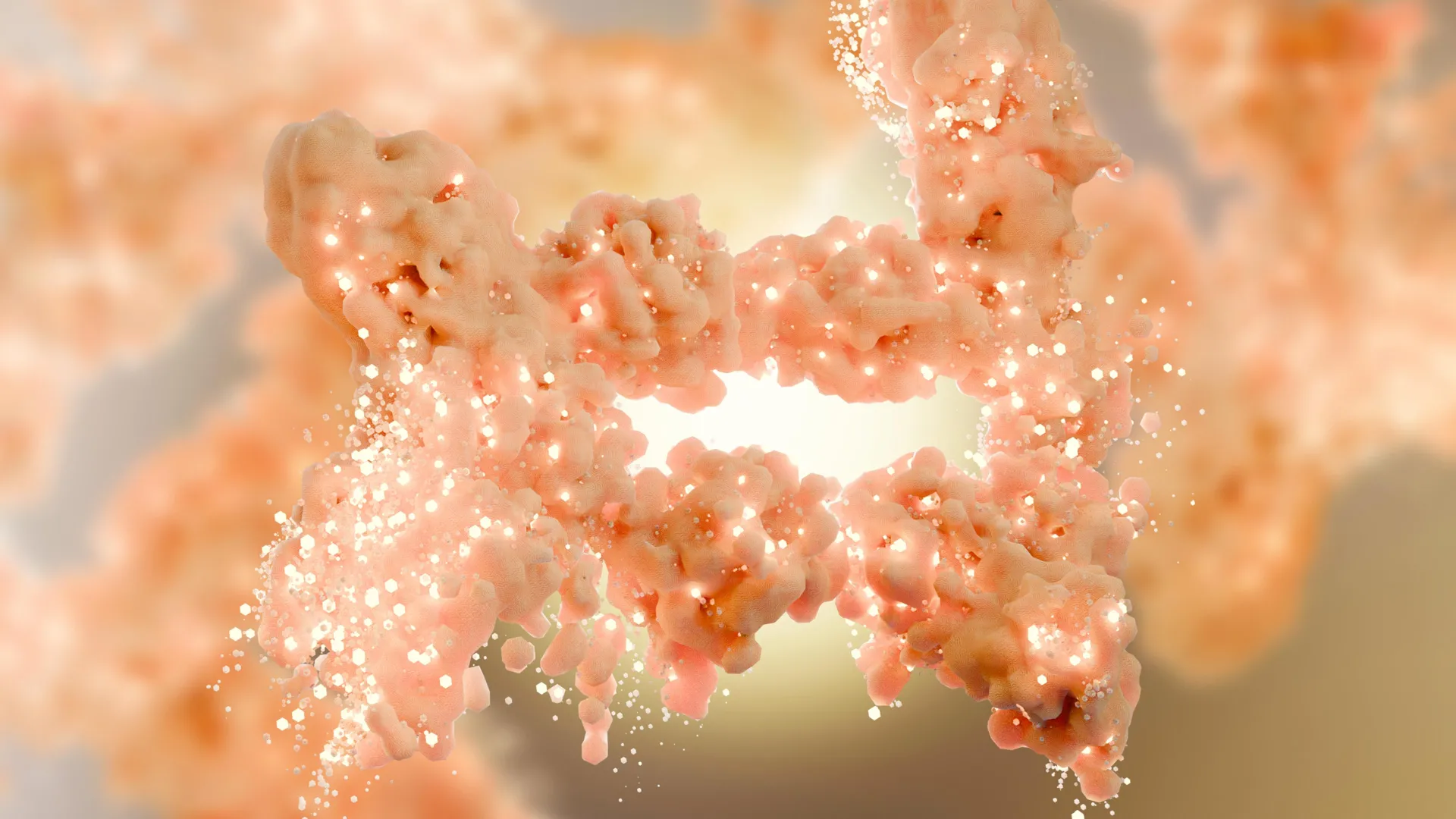
The protein, known as MTCH2—affectionately nicknamed "Mitch"—has emerged as a critical regulator of cellular metabolism. By disabling this protein in laboratory models, scientists have successfully triggered a metabolic shift that forces cells to consume more energy and prevents the formation of new fat cells. This discovery, detailed in research published throughout 2025, offers a tantalizing prospect: the possibility of a new class of metabolic therapies that promote fat loss without the loss of precious lean muscle mass.
The Core Discovery: A Gatekeeper for Energy
At the heart of this research is a fundamental biological question: How do cells decide whether to spend energy or save it? Professor Atan Gross and his team at the Weizmann Institute discovered that the MTCH2 protein acts as a sophisticated gatekeeper within the mitochondria—the cellular "powerhouses" responsible for converting nutrients into ATP (adenosine triphosphate), the primary energy currency of the body.
Mitochondria are dynamic entities, constantly shifting, merging, and dividing to meet the cell’s fluctuating energy demands. The Weizmann team found that Mitch plays a vital role in mitochondrial fusion, the process by which separate mitochondria merge into interconnected networks. When Mitch is absent, this network becomes fragmented. While this sounds like a detrimental malfunction, it actually forces the cell into a more energy-intensive state. Because the cell can no longer rely on a streamlined, highly efficient mitochondrial network, it must ramp up its "respiration"—the process of burning oxygen and nutrients—to meet its survival needs.
A Chronology of Discovery
The journey toward understanding MTCH2 began with curiosity and culminated in a sophisticated mapping of metabolic pathways.
- Early 2025: The first major breakthrough arrived on January 3, 2025, when The EMBO Journal published a study by doctoral student Sabita Chourasia and Professor Atan Gross. This paper, titled "MTCH2 controls energy demand and expenditure to fuel anabolism during adipogenesis," provided the initial evidence that deleting Mitch in human cells leads to a surge in cellular respiration. The team observed that these cells were not just burning more fuel; they were specifically targeting fatty acids as their primary energy source.
- Mid-2025: Throughout the spring and summer, the team expanded their analysis, looking at the role of Mitch in the differentiation of precursor cells into mature fat cells (adipocytes). They discovered that without Mitch, the process of adipogenesis was severely stunted.
- October 3, 2025: An international team of researchers published a crucial follow-up study in Nature Communications. This research elucidated the "how" behind the fat-burning effect. They discovered that MTCH2 interacts directly with a key enzyme called CPT1, which regulates the entry of fatty acids into the mitochondria. By interfering with this regulatory interaction, the deletion of Mitch effectively "unlocks" the mitochondrial furnace, allowing for a higher rate of fat oxidation.
The Problem with Modern Weight Loss
The urgency behind this research is underscored by the limitations of current pharmacological interventions. Medications like semaglutide and tirzepatide have revolutionized the treatment of obesity, enabling patients to achieve significant weight reduction. However, these drugs primarily target appetite regulation.
A significant concern in the medical community is the composition of the weight lost. Clinical data, including a comprehensive 2026 analysis of 15,782 participants across 20 trials, revealed that approximately 25% to 39% of weight lost through common pharmacological and lifestyle interventions is lean body mass. This includes muscle tissue, which is essential for mobility, metabolic rate, and long-term physical health.
The scientific community is now searching for ways to "decouple" fat loss from muscle loss. Because the MTCH2-targeted mechanism appears to specifically influence fat metabolism and inhibit the creation of new fat-storing cells, it offers a theoretical path toward a more targeted, healthier form of weight reduction.
Supporting Data: From Mice to Human Cells
The evidence supporting the importance of MTCH2 is multifaceted, spanning cellular biology and whole-organism physiology.
The Mitochondrial "Fragmentation" Effect
In the initial experiments, when researchers deleted MTCH2 from human cells, they observed a shift in nutrient consumption. Using metabolomic analysis, they tracked over 100 substances in the cell, observing a marked increase in the uptake of fats and carbohydrates. The cells were effectively "starved" of their usual energy efficiency, forcing them to burn through their own reserves—including the lipids that form their internal membranes.
The Adipogenesis Blockade
The research also addressed the development of new fat cells. In normal conditions, precursor cells successfully differentiate into mature adipocytes roughly 80% to 90% of the time. In the absence of MTCH2, that success rate plummeted to 5% to 10%. As Professor Gross noted, the protein is essential for the high-energy, resource-heavy process of building a fat cell. Without the metabolic "budget" provided by efficient mitochondria, the cells simply cannot complete the transition.
Protection Against High-Fat Diets
The most promising data came from the genetically modified mice in the October 2025 study. When fed a high-fat diet, the "Mitch-deficient" mice gained significantly less weight than their control counterparts. Crucially, they did not lose lean mass, nor did they require an increase in exercise or a decrease in food intake to stay slim. They also showed lower cholesterol levels and improved glucose tolerance, suggesting that the metabolic benefits of targeting MTCH2 extend beyond simple weight numbers.
Official Perspectives and Scientific Implications
The researchers involved in these studies have been careful to frame these findings as foundational rather than immediately applicable to clinical care.
"We discovered that deleting Mitch led to a major drop in fats in membranes," explains Professor Gross. "At the same time, we saw an increase in fatty substances used to produce energy, and we realized that the fat was being broken down from the membrane to be used as fuel. In other words, we showed that Mitch determines the fate of fat in human cells."
However, the team emphasizes that the protein is not a "magic button." MTCH2 is involved in diverse cellular processes, including cell survival and general mitochondrial maintenance. Total systemic inhibition of the protein could theoretically result in significant side effects. Furthermore, fat tissue is not "bad"—it is an endocrine organ that manages hormones and blood sugar. Disrupting its ability to store energy entirely could lead to ectopic fat deposition, where lipids are stored in organs like the liver or heart, potentially causing cardiovascular or metabolic damage.
Looking Toward the Future
The implications for obesity medicine are profound. If researchers can develop a method to selectively modulate MTCH2—perhaps targeting it specifically in white adipose tissue—it could provide a powerful tool to complement current appetite-suppressing therapies.
As the medical community continues to refine the approach to weight management, the focus is shifting from simple caloric restriction to the nuanced regulation of metabolic flux. Future treatments may not ask patients to simply eat less, but may instead ask their cells to use energy differently.
While clinical trials in humans are the necessary next step to determine safety and efficacy, the discovery of MTCH2 represents a major leap in our understanding of the metabolic landscape. For now, the experts advise that traditional strategies—particularly resistance training, which remains the gold standard for preserving lean mass during weight loss—remain the safest and most effective approach to body composition management.
Yet, as we look to the next decade of metabolic research, one thing is clear: the tiny, unassuming protein called Mitch has earned its place as a central character in the ongoing scientific effort to resolve the global obesity crisis. The ability to manipulate the "fate of fat" at a molecular level is no longer a work of science fiction, but a tangible, if complex, reality that researchers are only just beginning to map.