The 2026 college football season has reached a fever pitch. If the sport is defined by its unpredictability, then Week 8 served as the ultimate manifesto, leaving the AP Top 25 rankings in a state of total disarray. As the calendar prepares to flip to November, the margin for error has evaporated, and the path to the College Football Playoff has become a labyrinth of high-stakes matchups and shocking upsets.
This weekend, the hierarchy of the sport was challenged as two top-10 titans—BYU and Texas Tech—succumbed to unranked foes. Meanwhile, a top-10 clash in Austin saw Texas reclaim its swagger, and a nail-biting finish in Salt Lake City saw Utah cling to its championship aspirations. With the dust finally settling, the pollsters face a brutal task: reconciling a season defined by parity, where "very good" is the new standard for elite, and every Saturday brings the threat of total elimination.
The Carnage: A Chronology of the Week 8 Upset Wave
The weekend began with a sense of normalcy, but the foundation of the polls crumbled quickly. The first shockwave originated from the Big 12, where undefeated No. 2 BYU and No. 8 Texas Tech both saw their perfect seasons evaporate against unranked opponents. The loss of BYU, in particular, was a staggering blow to the conference’s playoff hopes.
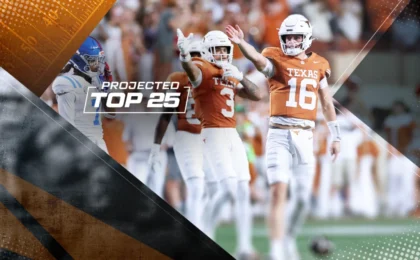
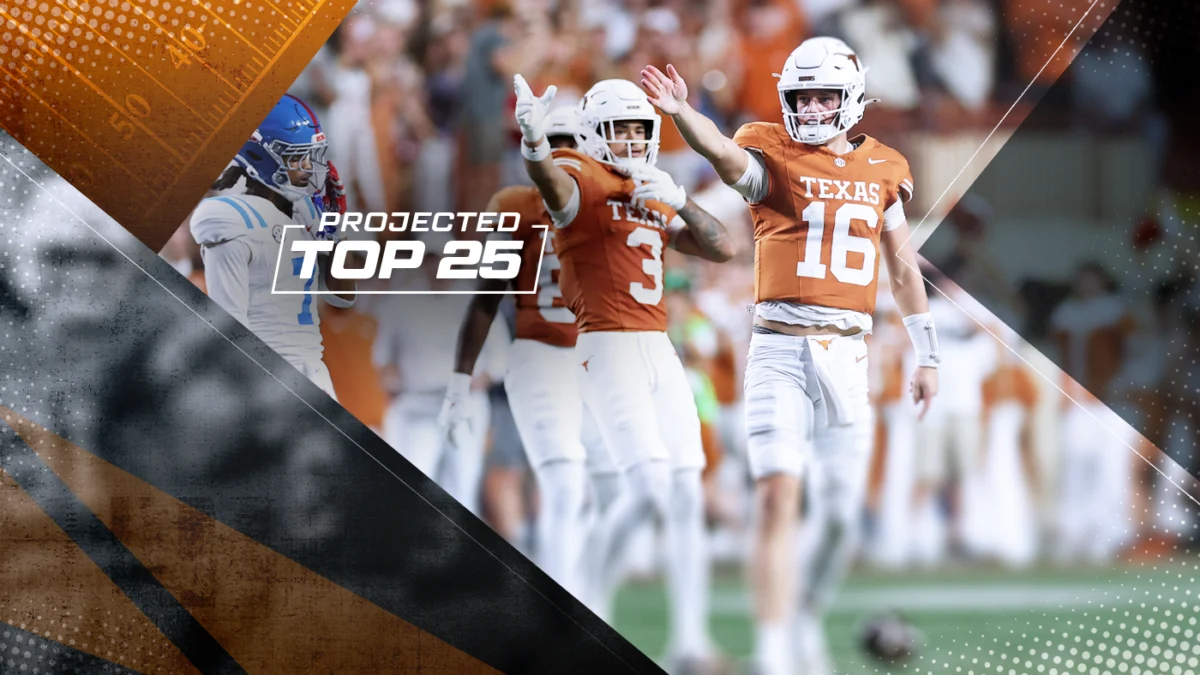
Simultaneously, the SEC provided the day’s marquee drama. No. 7 Ole Miss traveled to Austin to face a wounded Texas squad. In a game that served as a referendum on the Longhorns’ season, Texas utilized a thunderous, physical performance to topple the Rebels, successfully snapping their two-game losing streak and forcing the selection committee to rethink the team’s ceiling.
The carnage didn’t stop there. No. 15 Iowa and No. 16 USC, both looking to climb the ladder, suffered their second losses of the season to unranked opponents, effectively silencing their arguments for an at-large berth in the current playoff climate. By the time the final whistle blew in the late-night windows, the reality was clear: the middle of the rankings is no longer a stable environment; it is a revolving door.
The "Miami Standard": A Beacon of Stability
Amidst the swirling vortex of upsets, the No. 1 Miami Hurricanes provided a masterclass in focus. Playing their first game as the nation’s top-ranked team since 2002, the Hurricanes left no room for doubt, delivering a clinical 52-23 dismantling of Pitt.
The victory was more than just a scoreboard statistic; it was a symbolic nod to the program’s storied past. Mario Cristobal’s squad, sporting throwback uniforms reminiscent of the 2001 national title team, played with a level of intensity that suggested they are not merely content with the top spot—they are intent on defending it. While other top-five teams enjoyed the respite of a bye week, Miami’s "50-burger" performance ensured that there would be no controversy regarding who sits on the throne entering the final stretch of October.
Analytical Breakdown: The Dilemma of the "Quality Loss"
As voters turn their attention to the ballots, they face a classic dilemma: how to weigh a team like Texas? The Longhorns are a paradox. They possess a resume highlighted by marquee wins against Ohio State, Ole Miss, and Tennessee, yet they are haunted by two stunning losses that would typically disqualify a team from serious contention.
However, in this topsy-turvy 2026 landscape, a "very good" team with a high-profile win is currently being valued more than an undefeated team with a weak schedule. The projected return of Texas to the top 10 is an indictment of the current rankings climate—one where the sheer strength of a schedule is beginning to outweigh the purity of a win-loss record.
This trend is also reflected in the dispersion of ballots. Last week, voters were largely unified, with 24 teams appearing on almost every consensus list. This week, however, experts anticipate a radical shift. With so many ranked teams falling, the number of teams receiving votes could swell to 40, as voters reach for outliers to fill the bottom three slots of their polls.
The Projected AP Top 25: A Snapshot of the New Order
As we look toward the Sunday release of the official poll, here is how the landscape of the top 25 is expected to shift:
- Miami: Unchallenged at the top.
- Ohio State: The Buckeyes remain the primary challenger following a well-timed bye.
- Notre Dame: Positioned to strike, awaiting a rivalry test against Navy.
- Georgia: The Bulldogs remain in the hunt, with the Florida rivalry game looming.
- BYU: Despite the loss, the Cougars’ win over Notre Dame acts as a "ranking anchor," likely keeping them in the top five.
- Indiana: The Hoosiers’ gritty, albeit aesthetically challenged, win over Michigan keeps them in the conversation.
- UCLA: A 7-0 start with a dominant defensive performance against Michigan State has solidified their status.
- Utah: A gutsy, come-from-behind win over Houston provides the validation they needed to break into the top 10.
- Kentucky: A quiet, professional win over Vanderbilt keeps the Wildcats in the hunt for a top-10 finish.
- Texas: The "most complicated team in America" returns to the top 10 based on the sheer volume of high-level victories.
Rounding out the field: Alabama (11), Texas Tech (12), Wake Forest (13), Ole Miss (14), LSU (15), Florida (16), Tennessee (17), Boise State (18), Missouri (19), SMU (20), Northwestern (21), Arizona (22), Houston (23), Oklahoma State (24), and Wisconsin (25).
Strategic Implications: What Comes Next?
The implications of this weekend are profound. For teams like LSU and Alabama, the bye week provided a chance to reset before a gauntlet of conference play. For schools like Oklahoma State and Wisconsin, this week marked a triumphant return to the national conversation.
The volatility seen in Week 8 suggests that we are entering a "survival of the fittest" phase. With the playoff format rewarding consistency, the teams that can avoid the "trap game" syndrome—a phenomenon that claimed BYU and Texas Tech this week—will be the ones standing when the final rankings are released in December.
The coaches are, naturally, maintaining a "one game at a time" mantra. However, the data suggests that for programs like Ole Miss and Tennessee, the margin for error is now zero. The pressure on the selection committee is mounting as well; with so many teams sporting identical records and conflicting head-to-head results, the traditional metrics of "quality wins" versus "bad losses" will be pushed to their breaking point.
Conclusion: The Road to the Finish Line
As the season winds down, the 2026 campaign is shaping up to be one of the most unpredictable in recent memory. The rapid turnover at the bottom of the top 25 and the fragility of the top 10 indicate that fans should prepare for more chaos in the coming weeks.
For Miami, the goal is simple: continue the dominance. For the chasing pack, the mission is equally clear: find a way to distinguish your resume in a field that is becoming increasingly crowded with "very good" teams. One thing is certain—the college football landscape has been irrevocably altered, and the drama is only just beginning. As the final whistle of the regular season approaches, the only truth is that in 2026, the rankings are written in pencil, not ink.