In the pantheon of science fiction, the conversation is frequently dominated by the monolithic cultural footprints of Star Wars and Star Trek. When measured strictly by box office revenue, merchandising juggernauts, and global brand recognition, these two franchises stand alone. However, to define "greatness" solely through the lens of profitability is to ignore the foundational architecture of the genre. If we pivot our metrics to measure cultural resonance, intellectual influence, and the sheer evolution of television storytelling, one property stands as the undisputed titan: Rod Serling’s The Twilight Zone.
Decades after its final black-and-white frame flickered off the airwaves, the anthology series remains the primary DNA from which modern speculative fiction is constructed. For those who have yet to traverse its eerie landscape—or those looking to revisit its haunting morality tales—the series is currently available to stream for free on Tubi, providing a rare opportunity to witness the birth of modern prestige television without a subscription fee.
The Genesis of an Icon: Breaking the Mold
Debuting in 1959, The Twilight Zone was a radical departure from the television landscape of the 1950s. At the time, the airwaves were dominated by live taped plays and multi-camera sitcoms—the comfortable, predictable world of I Love Lucy. Rod Serling, a veteran writer who had grown frustrated with network censorship and the creative limitations of the era, sought to create a vessel that could bypass the rigid standards of the time.
By utilizing the "safe" genre of science fiction, Serling discovered he could hide subversive social commentary in plain sight. If a script criticized racial prejudice or war, network executives might reject it. But if that same script featured an alien civilization or a traveler in another dimension, it was dismissed as mere fantasy. This "Trojan Horse" methodology allowed Serling to explore the darkest corners of the human condition.
The show ran for five seasons, totaling 156 episodes. While the bulk of the run utilized a half-hour format that functioned as a self-contained short story, season 4 famously experimented with an hour-long format, showcasing the ambitious nature of the production before the series returned to its roots for its final year.
A Chronology of Influence
The brilliance of The Twilight Zone was its reliance on the literary giants of the era. Serling did not work in a vacuum; he curated a writer’s room that included some of the most profound voices in speculative fiction. Legends like Ray Bradbury and Richard Matheson contributed scripts that elevated the medium.
- 1959–1960: The debut season established the show’s eerie tone, introducing iconic tales like "Time Enough at Last," which captured the crushing weight of isolation.
- 1960–1963: The middle years saw the refinement of the "twist ending," a device so perfectly executed by Serling that it became a cultural shorthand for the series.
- 1963–1964: The final seasons solidified the show’s legacy, with episodes like "Nightmare at 20,000 Feet" becoming part of the global lexicon, parodied and referenced from The Simpsons to big-budget feature films.
The Intellectual Engine: Beyond the Surface
While viewers often tune in for the "science fiction" elements—the aliens, the time loops, and the ghosts—they stay for the subtext. The Twilight Zone was never truly about the technology or the supernatural; it was about the moral erosion of the individual.
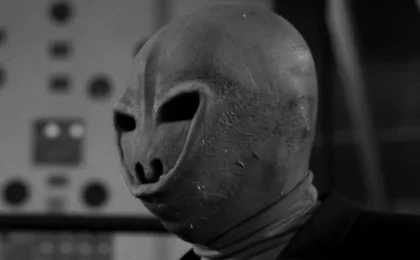
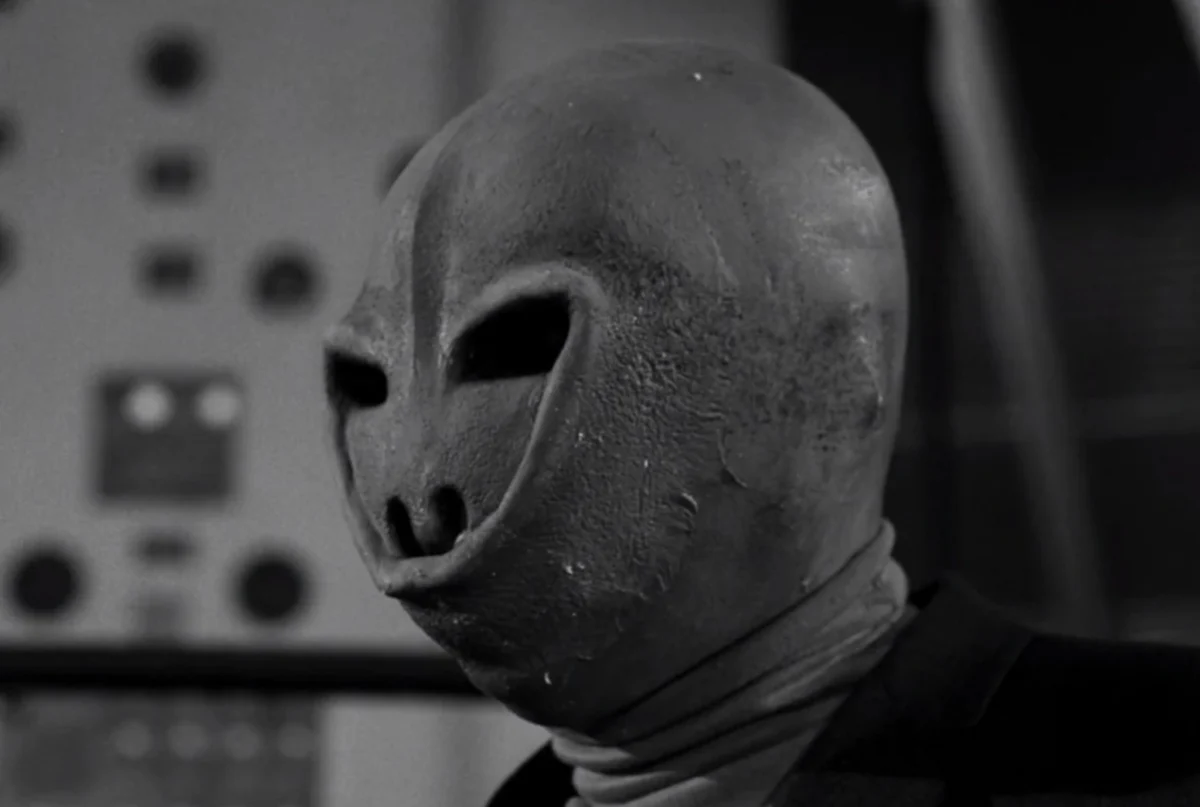
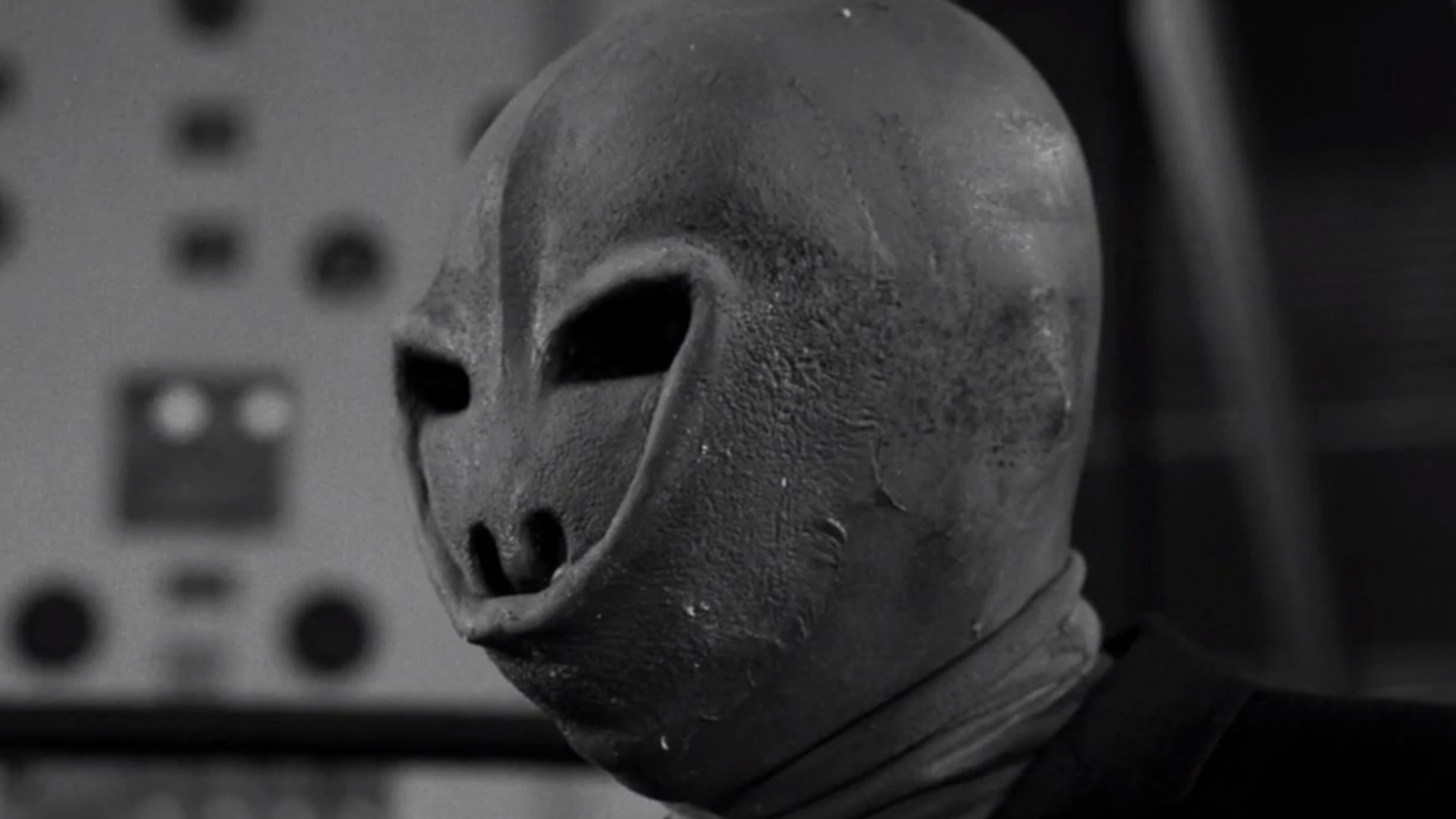
Whether it was a man facing the obsolescence of his profession in a totalitarian state or a woman undergoing plastic surgery to conform to a society of monsters, the series consistently held a mirror up to the viewer. This is why the show has arguably aged better than its contemporaries. While the special effects—the cardboard sets and rubber masks—are undeniably dated, the themes of loneliness, regret, morality, and systemic inequality remain as sharp and uncomfortable today as they were in the Kennedy era.

The Echo Chamber: How ‘The Twilight Zone’ Built Modern TV
The influence of The Twilight Zone on modern media is so pervasive that it is often difficult to pinpoint where the inspiration ends and the homage begins. Every anthology series produced in the last fifty years exists in the shadow of Serling’s masterpiece.
The Spiritual Successors
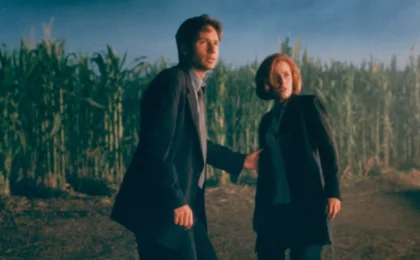
Modern hits such as Black Mirror have essentially adopted the Twilight Zone template, swapping out 1950s atomic-age anxieties for 21st-century digital-age paranoia. Similarly, the influence is evident in the structural DNA of series like The X-Files, Fringe, and Lost. J.J. Abrams, a self-confessed disciple of Serling, has frequently cited the show’s ability to balance the personal with the metaphysical as the primary inspiration for his own storytelling style.
Direct Cinematic Homages
The reach extends into film, where directors have been vocal about their debt to the series. Jordan Peele, who later went on to host the 2019 reboot of the series, explicitly stated that his 2019 film Us was a thematic evolution of the season 1 episode "Mirror Image." Meanwhile, the horror icon Don Mancini, creator of the Chucky franchise, has pointed to the episode "Living Doll" as the blueprint for the concept of the malevolent, sentient toy.
Official Perspectives and Critical Reassessment
Historically, the television industry looked down upon anthology series, viewing them as disposable content that lacked the character continuity required to keep audiences invested long-term. However, history has vindicated Serling’s vision.
In recent years, archival retrospectives from organizations like the Television Academy have highlighted the show’s technical ingenuity. Serling’s insistence on using single-camera setups allowed for a cinematic quality that was virtually non-existent in television at the time. Critics now recognize the series not just as a sci-fi program, but as a landmark in American literature, with scripts that are still studied in film schools for their tight pacing, efficient characterization, and devastatingly effective climaxes.
Implications for the Modern Viewer
The barrier to entry for many classic shows is the fear of "binge-fatigue." In a modern landscape defined by serialized, 10-hour-long episodes, the prospect of committing to a 156-episode show can be daunting. The Twilight Zone provides the perfect antidote to this.
Because it is an anthology, the viewer is not beholden to a continuous narrative. One can watch a single episode—a 22-minute masterclass in tension—and walk away satisfied. It is, by design, the most "snackable" prestige television ever produced.
However, there is a caveat for the modern viewer: one must be prepared for the tonal shifts of the 1960s. The pacing is deliberate, the acting is often theatrical, and the budgets were modest. Yet, for those willing to look past the vintage production values, the reward is an unparalleled insight into the creative imagination of a man who changed the trajectory of global media.
Conclusion: A Door That Never Closes
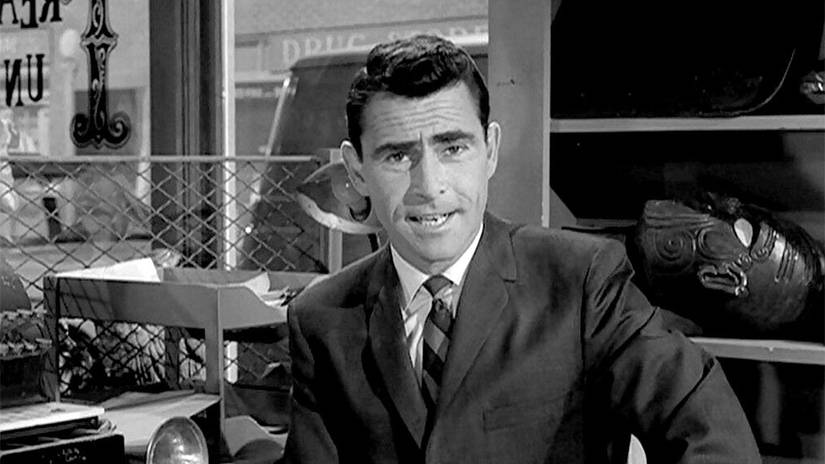
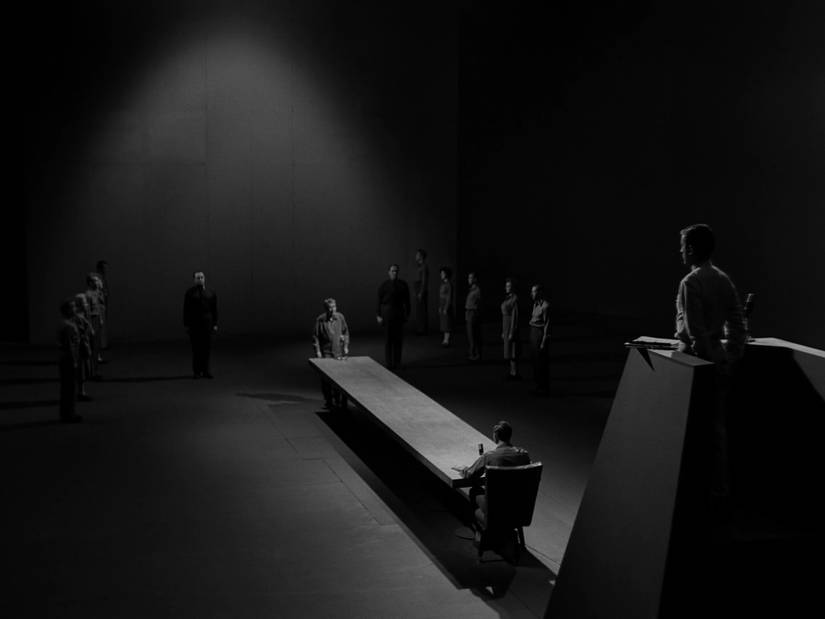
Rod Serling’s opening monologue, delivered with that iconic, cigarette-stained gravitas, invited viewers to "the middle ground between light and shadow." More than sixty years later, that door remains open.
As we navigate an era of endless reboots and high-budget spectacles, The Twilight Zone serves as a humbling reminder that the most effective special effect in science fiction is, and always has been, a compelling idea. Whether you are a fan of psychological horror, space-age mystery, or social satire, there is an episode of this series waiting to challenge your perceptions.
As it stands, the show’s presence on free streaming platforms like Tubi is not just a convenience—it is an invitation to witness the cornerstone of modern speculative storytelling. You are about to enter another dimension; one of sight, sound, and mind. It is a journey well worth taking.