The quest to bring the sprawling, brutal, and politically charged world of George R.R. Martin’s A Song of Ice and Fire to the interactive medium has been, much like the history of the Seven Kingdoms itself, a story of tragedy, missed potential, and long-awaited promises. For fans of high-fantasy strategy, the latest chapter in this saga involves PlaySide Studios’ highly anticipated title, Game of Thrones: War for Westeros. Originally slated for a 2026 release, the studio has officially confirmed a delay, pushing the title into early 2027.
While the delay may sting for those eager to command the armies of the Iron Throne, it serves as a critical juncture for both the developer and the franchise’s struggling reputation in the gaming industry.
The State of the Game: A Strategic Shift
Game of Thrones: War for Westeros was first unveiled during the frenetic, high-energy environment of Summer Game Fest 2025. At the time, it stood out as a beacon of hope for fans who have long clamored for a deep, tactical experience that captures the scale of the series’ iconic conflicts. Developed by PlaySide—the team behind the stylistic Mouse: P.I. For Hire—the game is being built as a definitive real-time strategy (RTS) experience.
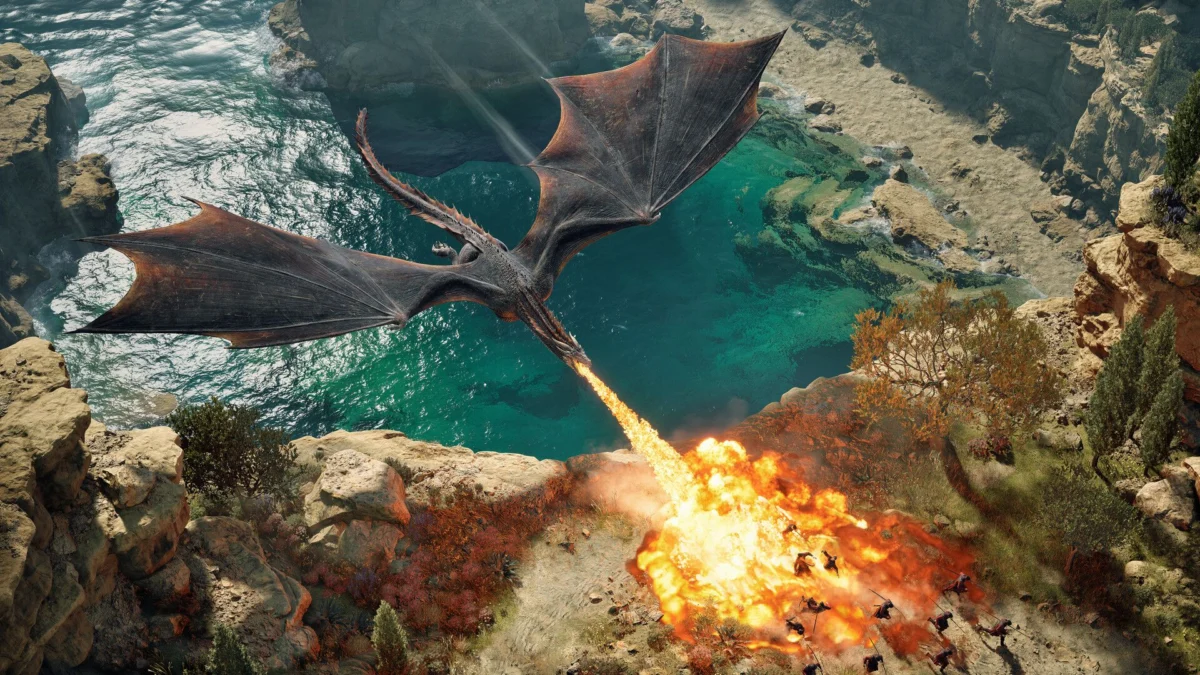
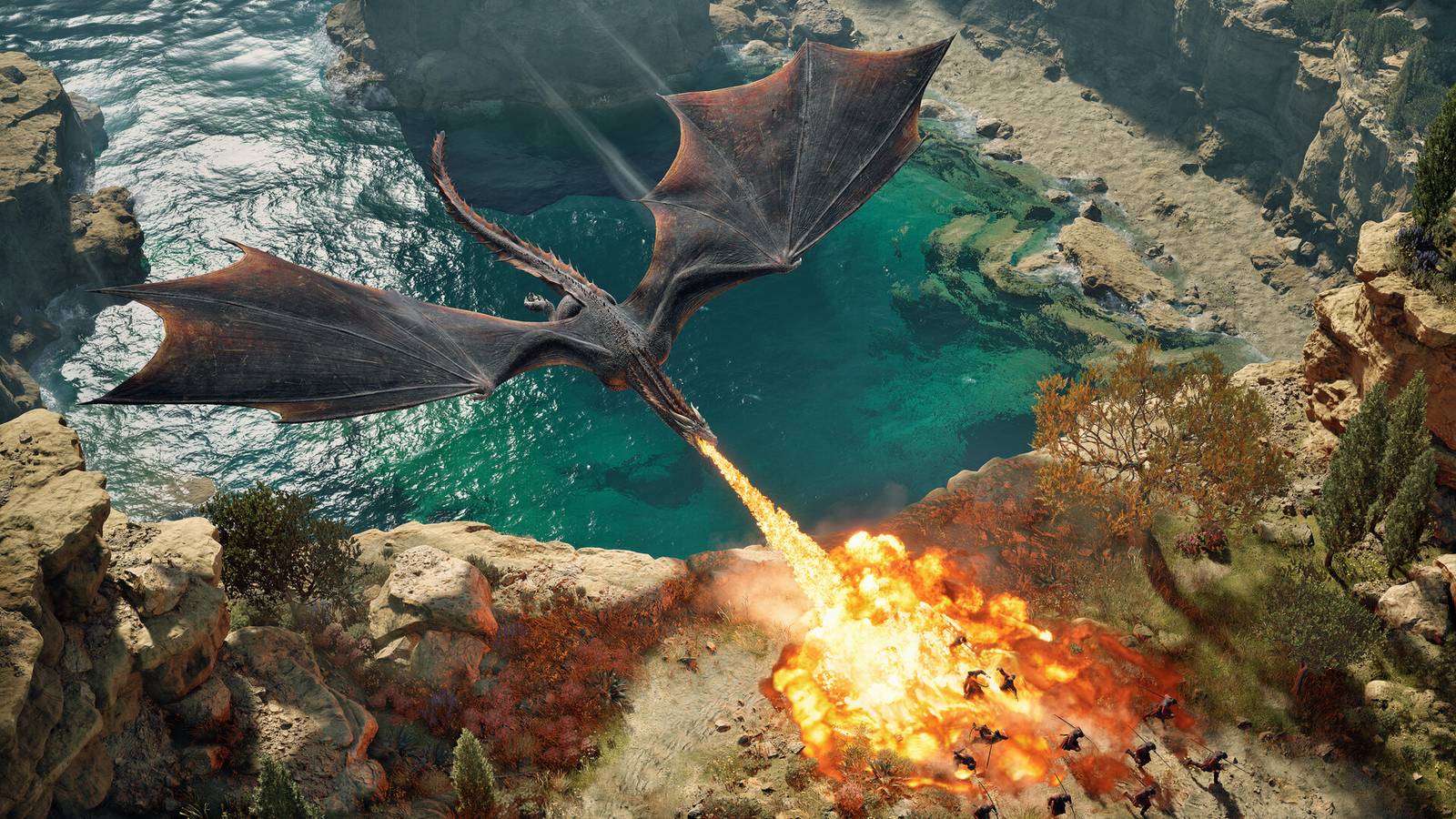
Recent updates from the developer have provided a clearer look at the game’s mechanics. Unlike previous attempts to gamify Westeros, which often leaned into narrative-heavy adventure games or simplistic mobile management sims, War for Westeros aims for the grandeur of titles like Total War. The latest gameplay snippets reveal massive, sprawling maps, heavy cavalry charges, and hero units that utilize unique abilities to turn the tide of battle. It is a bold attempt to marry the intricate political maneuvers of the show with the visceral, high-stakes combat of a modern RTS.
A Chronology of the Westeros Gaming Curse
To understand why the delay of War for Westeros is being met with a mix of frustration and cautious optimism, one must look at the historical failures of the Game of Thrones brand in video games.
- 2012: Cyanide Studio released an action-RPG simply titled Game of Thrones. While it was praised for its writing, the technical execution and dated graphics left it largely forgotten.
- 2014: Telltale Games launched its episodic Game of Thrones series. While it garnered a cult following for its narrative choices, it did not satisfy the itch for grand-scale warfare.
- 2018: Reigns: Game of Thrones offered a clever, minimalist card-based experience, but it was a niche title that barely scratched the surface of the lore’s potential.
- 2025: The official announcement of War for Westeros at Summer Game Fest brought renewed excitement, signaling a pivot toward higher-budget, genre-focused development.
- 2026 (July): The official announcement confirms a delay to 2027, citing the need for "additional polish" to meet player expectations.
For over a decade, the franchise has been relegated to mobile-only experiences or projects that failed to capture the gravitas of the HBO series. Warner Bros. Interactive Entertainment has frequently struggled to find the right studio and the right genre to translate the complexity of Westeros into a coherent digital experience.
Supporting Data: Why RTS is the Perfect Fit
The decision to pursue an RTS format is not merely a stylistic choice; it is a calculated effort to align the gameplay with the core appeal of the franchise. Game of Thrones is fundamentally about logistics, supply lines, troop morale, and the strategic positioning of armies—the bread and butter of the RTS genre.
According to industry analysts, the strategy genre has seen a massive resurgence in the mid-2020s, with high demand for titles that emphasize unit diversity and terrain-based tactics. By implementing "hero abilities" and complex faction mechanics, PlaySide is attempting to bridge the gap between "hardcore" strategy gamers and the casual fans who simply want to see their favorite characters, like Jon Snow or Daenerys Targaryen, lead armies into the field. The game’s focus on large-scale, 3D battlegrounds suggests that the developers are utilizing advanced physics engines to replicate the mud, fire, and steel that defined the show’s most iconic battles, such as the Battle of the Bastards.
Official Responses and the Quest for Quality
In a statement released via the game’s official Steam portal, PlaySide Studios was transparent regarding the reasoning behind the delay. The statement read:
"War for Westeros will now launch in early 2027. We remain unwavering in our mission to deliver a real-time strategy game set in the world of Westeros that meets the expectations of both RTS players and Game of Thrones fans. This decision gives us the time needed to continue building towards that goal and ensure that the game reaches the high level of quality we are aiming for."
For an industry often criticized for rushing unfinished products to market, this delay is a positive signal. It suggests that PlaySide, perhaps under pressure from Warner Bros. to avoid another "flop" in the franchise’s portfolio, is prioritizing the integrity of the release over a fiscal-year deadline. The extra months will likely be spent balancing the faction-specific units and ensuring that the "hero" mechanics do not overshadow the tactical depth of the rank-and-file soldiers.
Implications for the Future of Westeros Gaming
The implications of this delay extend far beyond a single release date. Warner Bros. has reportedly identified Game of Thrones as a primary intellectual property for its long-term gaming strategy. With the closure or restructuring of several internal studios, the publisher is looking to War for Westeros as a benchmark for how they intend to treat their biggest licenses moving forward.
1. The "Prestige" Pressure
If War for Westeros succeeds, it will prove that the franchise can thrive in genres that require deep engagement, rather than just quick-cash-grab mobile titles. This could open the door for more complex, high-budget adaptations, perhaps even a grand-strategy grand-campaign title or an expansive open-world RPG.
2. The Technical Threshold
By moving the release to 2027, the developers are also giving themselves a longer runway to optimize for modern hardware. As PC gaming continues to evolve with more powerful GPUs and faster storage solutions, a 2027 launch ensures that the game’s scale—which is essential for an RTS—will not be hampered by the limitations of older systems.
3. The Trust Factor
The most significant implication is the rebuilding of fan trust. The gaming community has been burned by buggy, unpolished, or conceptually thin adaptations of major IPs for years. By openly admitting the need for more time, PlaySide is signaling that they are listening to the community. They are positioning War for Westeros not as just another product, but as a "fan-first" project.
Conclusion: A Worthy Wait?
The "War for Westeros" is, at its core, a test of patience. The history of video game adaptations is littered with titles that failed because they tried to do too much or didn’t care enough. If PlaySide Studios can leverage this extra time to refine the AI, perfect the unit balance, and deliver the visceral, large-scale strategy experience they have promised, the wait until 2027 will be a small price to pay.
As the industry looks ahead, the pressure on this title only grows. It is not just about releasing a game; it is about finally doing justice to a world that has captured the global imagination for nearly twenty years. Whether it will rise as a titan of the strategy genre or join the long list of forgotten Westerosi ventures remains to be seen, but for now, the banners remain furled, waiting for the right moment to strike. Fans, for their part, will continue to watch, wait, and hope that when the winter of development finally ends, the resulting harvest is worth the long wait.