In an era defined by rapid-fire e-commerce and the relentless algorithms of online marketplaces, the act of purchasing has become increasingly passive. Consumers are often funneled toward "recommended" products, settling for the best available option within a curated store’s inventory. However, a growing cohort of mindful consumers is rejecting this convenience-first model in favor of a philosophy dubbed "self-centered shopping"—a deliberate, requirement-first approach that prioritizes personal utility over marketplace availability.
By flipping the traditional retail script, shoppers are finding that they not only reduce impulse spending but also achieve a level of long-term satisfaction with their possessions that mass-market retail rarely provides.
The Evolution of the Marketplace: From Scarcity to Paradox
To understand the shift toward self-centered shopping, one must first recognize the evolution of the consumer landscape. Decades ago, physical limitations defined the shopping experience. For those living in rural areas or working with tight budgets, the "universe of options" was strictly limited by the square footage of local variety stores or pharmacies.
As the digital age matured, the problem shifted from one of scarcity to one of abundance. Today, the internet offers near-infinite inventory, but this has birthed what psychologists call the "paradox of choice." When faced with forty or fifty variations of a single product, the human brain often experiences "choice paralysis," leading to anxiety, fatigue, and eventual regret.
Traditional "store-centered shopping"—where a consumer enters a retail environment and selects the most palatable option from the stock on hand—is fundamentally flawed because it allows the retailer’s procurement strategy to dictate the consumer’s needs. If a store carries only leather bi-fold wallets, the consumer is effectively discouraged from finding the minimalist, synthetic card-sleeve they actually require.
Defining "Self-Centered Shopping"
At its core, self-centered shopping is a process of internal definition before external action. It is the practice of identifying specific, granular needs—often documented on a checklist—before visiting a single website or physical storefront.
The Methodology
- Requirement Definition: Before beginning the search, the consumer creates a definitive list of "must-have" features and "deal-breaker" attributes.
- The Patient Scout: With criteria in hand, the consumer treats the search as a research project rather than an errand. This phase may involve consulting specialized forums, manufacturer websites, or niche retailers rather than browsing general marketplaces like Amazon or big-box stores.
- The Perfect Match: The search concludes only when a product aligns with the pre-defined criteria, eliminating the need to choose the "best of a bad bunch."
This method effectively removes the emotional impulsivity that drives retail success. As noted by many practitioners, the most common trigger for impulse spending is a lack of clarity regarding one’s own requirements. When you know exactly what you are looking for, the "shiny object" syndrome loses its power.
A Case Study in Intentionality: The Wallet Search
The efficacy of this approach is best illustrated through the mundane yet essential task of wallet replacement. For over thirty years, the author of this concept followed a standard retail path: wait for the old wallet to degrade, visit a department store, and select the best option from the display.
In 2019, this routine reached a breaking point. The author recognized that standard department store wallets were inherently ill-suited to their lifestyle. They did not require massive cash compartments or bulky leather designs; they required a slim, durable, and functional tool for a few cards.
After initial research led to the discovery of Secrid, a Dutch manufacturer of minimalist wallets, the author found that while the product was high-quality, it was too restrictive. Rather than settling for a product that was "close enough," the search was refined. By pivoting to Tom Bihn, a company known for specialized, high-durability travel gear, the author identified a minimalist wallet that met every criterion: specific pocket geometry, lightweight construction, and high-tensile durability.
The result was not just a purchase, but a long-term utility. The item was so well-suited to the user’s needs that it prompted secondary purchases for family members and established a baseline for future product loyalty.
Supporting Data: Why Quality Outlasts Convenience
The shift toward self-centered shopping has significant implications for personal finance and environmental sustainability. By purchasing higher-quality items that specifically meet personal needs, consumers naturally move away from "fast fashion" and disposable, mass-market goods.
The Lifecycle of Durability
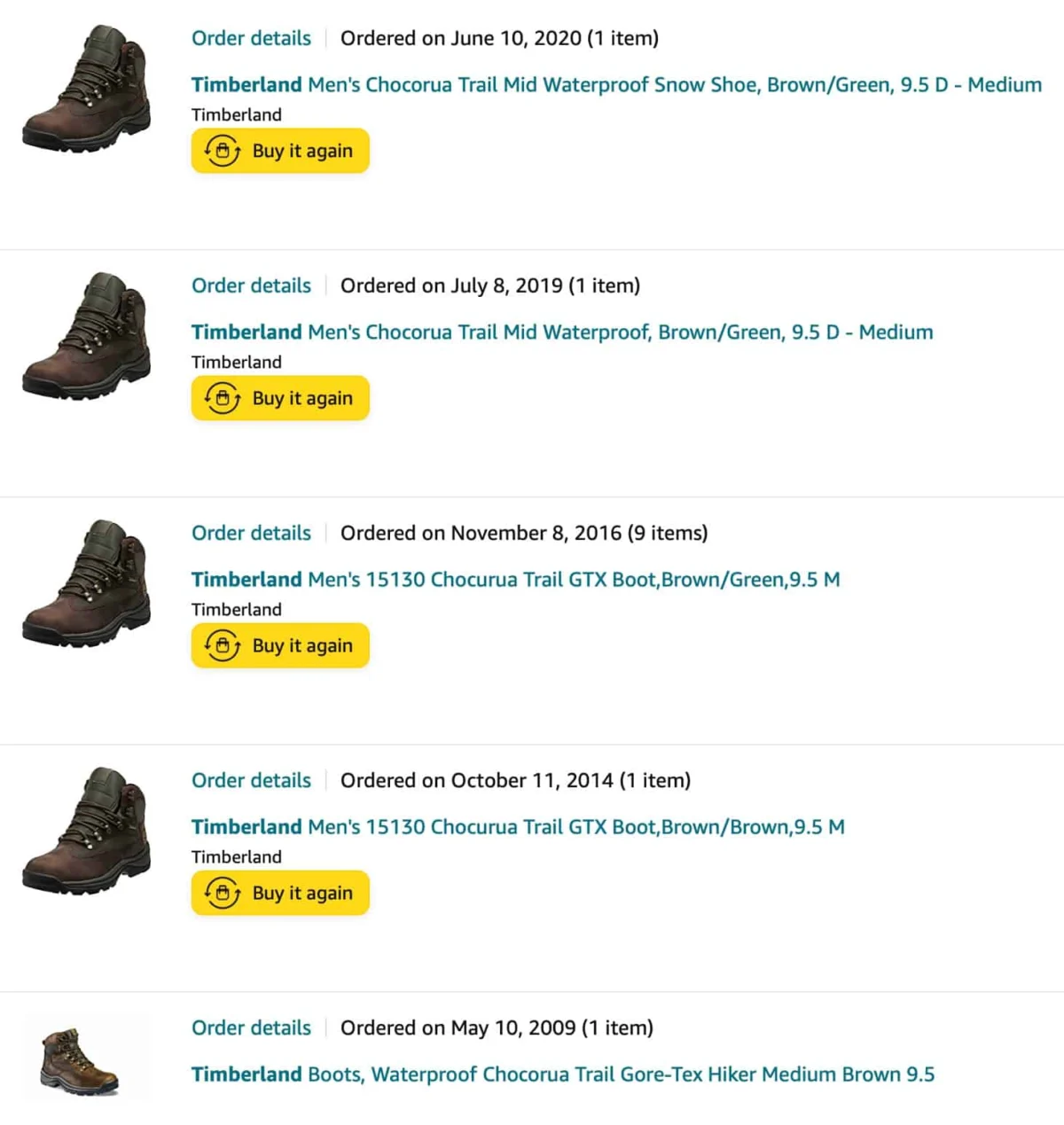
When a consumer defines their needs precisely, they often gravitate toward brands that specialize in durability. A prime example is the Timberland Chocorua hiking boot. By rotating two pairs—one for work and one for social use—the consumer ensures that each pair lasts five to seven years. Over a fifteen-year period, this loyalty to a proven product yields:
- Cost Efficiency: While the upfront cost may be higher, the cost-per-use is significantly lower than replacing cheap, mass-market boots every eighteen months.
- Psychological Ease: Removing the need to "re-learn" the market every few years eliminates the mental load of shopping.
The Desk Example: Efficiency Through Design
The transition from a budget-friendly IKEA desk to a curated, L-shaped traditional desk demonstrates how this philosophy applies to home office infrastructure. The previous desk was a source of persistent, low-level friction—messy and inefficient. By waiting, researching, and locating a desk that matched the specific spatial and functional requirements of the workspace, the author moved from a state of compromise to a state of optimized utility.
Implications: The New Consumer Paradigm
The rise of self-centered shopping suggests a shift in the power dynamic between the retailer and the consumer.
1. The Death of the "Good Enough" Sale
Retailers that rely on "the store-centered model"—hoping to capture customers through high foot traffic or massive inventory breadth—may find themselves struggling against consumers who are increasingly indifferent to mass-market options. These consumers are no longer looking for the best deal; they are looking for the right fit.
2. The Rise of Brand Evangelism
Product loyalty is an organic byproduct of self-centered shopping. When a brand delivers a product that perfectly aligns with a consumer’s requirements, that consumer becomes a lifelong advocate. Brands like Tom Bihn, which focus on niche, high-utility design, thrive in this environment because they provide solutions rather than merely selling stock.
3. The Psychological Benefits
The most profound implication is the reduction of the "paradox of choice." By narrowing the field to a single, perfect match, the consumer avoids the "buyer’s remorse" associated with choosing between competing, imperfect products. There is a sense of peace in knowing that the item in one’s pocket or on one’s desk is not the result of a compromise, but the result of an intentional selection.
Conclusion: A Philosophy for the Future
Self-centered shopping is not merely a method for acquiring goods; it is a philosophy of agency. It rejects the notion that the marketplace should define our options and instead asserts that our needs should define the marketplace.
While some may argue that this approach requires more time and patience than the average person can afford, the long-term rewards—greater satisfaction, less waste, and the elimination of the regret that follows impulse buys—are undeniable. In a world that is constantly asking us to buy more, the most revolutionary act is to stop and ask: What is it that I actually need?
By answering that question with precision, we can transform our relationship with the things we own, turning our possessions from mere clutter into tools that truly "spark joy."