In an era defined by rapid-fire e-commerce, algorithmic suggestions, and the endless scroll of digital marketplaces, the average consumer has become accustomed to a passive role. We log onto websites, browse through curated "best-seller" lists, and select the least objectionable option from a pre-determined inventory. This process, while convenient, often leads to a cycle of dissatisfaction—a phenomenon where the items we own rarely reflect our true functional requirements.
However, a quiet movement in consumer behavior is emerging: "Self-Centered Shopping." This philosophy flips the traditional retail dynamic on its head. Rather than allowing the marketplace to dictate the terms of a purchase, the consumer defines their exact requirements before a single store is visited. By prioritizing personal intent over convenience, this method is fundamentally altering how individuals interact with the products they bring into their lives.
The Core Concept: Redefining the Consumer Journey
At its heart, "store-centered shopping"—the traditional model—is a reactive process. A consumer identifies a need, visits a retail environment, and compromises on the available selection. The "universe of options" is strictly bounded by the inventory of the merchant. If the perfect item does not exist within that store’s four walls, the consumer settles for "good enough."
Self-centered shopping, by contrast, is a proactive, design-oriented process. It begins with the consumer identifying the precise specifications of their ideal product before initiating any search. It is an exercise in mindfulness and patience. By drafting a list of requirements, the consumer transforms from a passive shopper into an active researcher. This shift not only increases the likelihood of finding a product that provides lasting satisfaction but also serves as a potent antidote to the "paradox of choice"—the psychological phenomenon where an excess of options leads to decision paralysis and post-purchase regret.
A Chronology of Change: From Scarcity to Infinite Choice
To understand the shift, one must look at the evolution of the retail landscape. For previous generations, shopping was often constrained by geography and socioeconomic status. In small towns, residents were limited to the stock of local pharmacies or variety stores. If a specific tool wasn’t on the shelf, it effectively didn’t exist for the consumer.
The rise of the internet initially seemed to offer a solution, providing access to a global inventory. Yet, ironically, many consumers replicated their "small town" shopping habits in the digital space. They continued to visit "department store" websites, browsing categories rather than searching for specific solutions.
The transition to self-centered shopping involves a realization: the barrier to finding the perfect item is no longer availability—it is the consumer’s own lack of clear parameters. Once a shopper defines their specific criteria—dimensions, materials, weight, functionality—the internet transforms from an overwhelming marketplace into a precision search engine. By delaying the purchase until the exact requirement is met, the shopper moves from a cycle of "buying and replacing" to a cycle of "investing and maintaining."
Supporting Data: Why Intentionality Drives Satisfaction
The economic implications of self-centered shopping are significant. While critics might argue that this method is more time-consuming or expensive, proponents point to the long-term cost-benefit ratio.
1. The Death of Impulse Spending
The most immediate effect of this methodology is a drastic reduction in impulse buying. Impulse purchases are almost exclusively the result of unclear intent. When a shopper enters a store without a specific, itemized list of needs, they are susceptible to marketing, sales, and the dopamine hit of the "new." By contrast, the self-centered shopper already knows they don’t need an item unless it meets a rigid set of criteria, rendering impulse sales largely ineffective.
2. The Efficiency of Product Loyalty
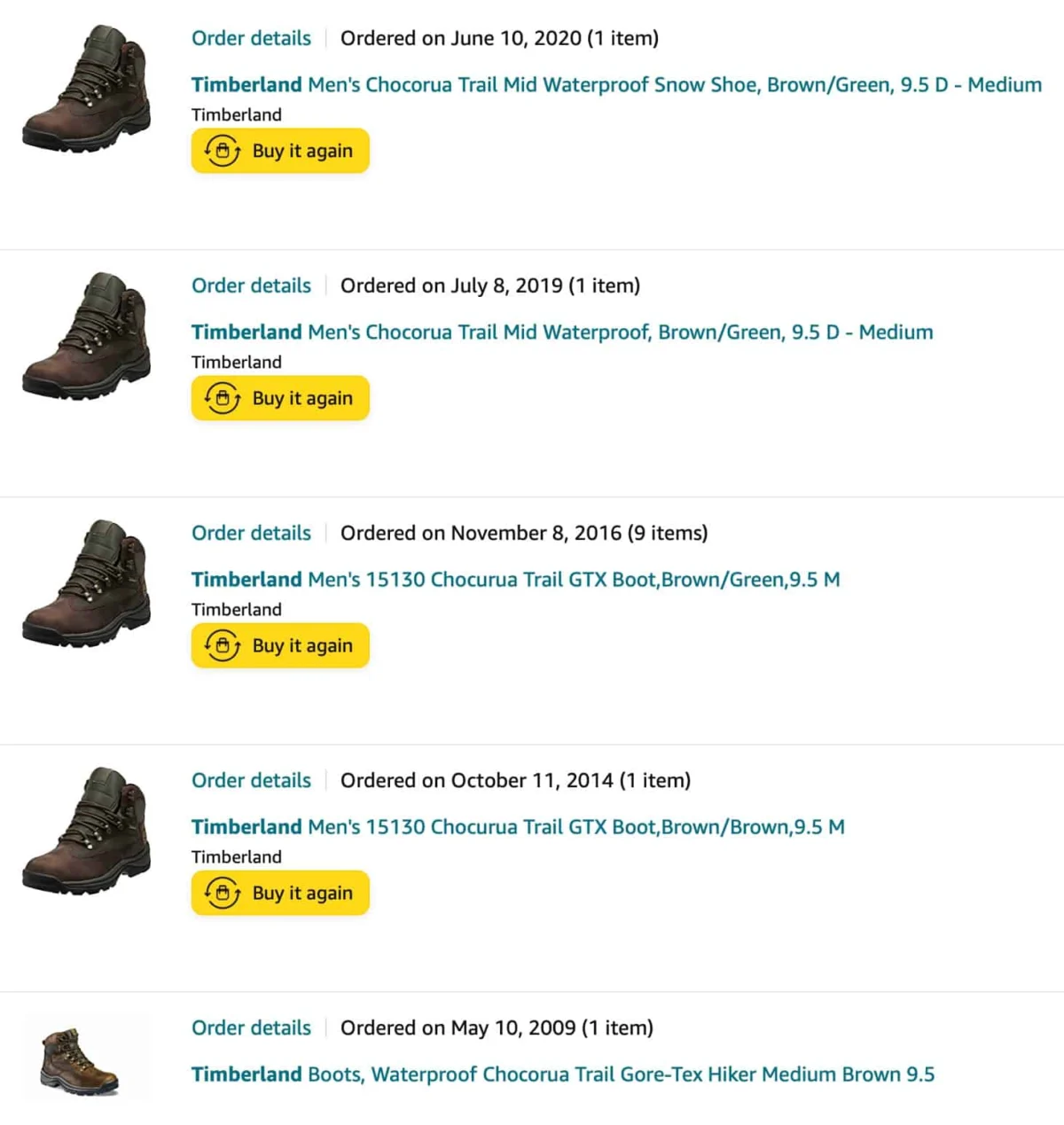
A secondary, yet profound, effect is the transition toward brand and product loyalty. When a consumer puts in the work to identify the perfect product, they are far more likely to remain loyal to that product for life. This reduces the cognitive load of future shopping; when the item eventually wears out, the consumer does not need to restart the research process. They simply replace the item, reinforcing a relationship with a manufacturer that has already proven its value.
3. Combatting the Paradox of Choice
Psychological studies, such as those popularized by Barry Schwartz, suggest that when we have too many choices, we are less likely to be happy with our eventual selection. Because the self-centered shopper narrows their field of inquiry to items that meet specific needs, the "noise" of the marketplace is filtered out. The search concludes when the criteria are met, effectively bypassing the anxiety of wondering if there was a "better" option elsewhere.
Industry Implications: The Rise of the "Specialist" Manufacturer
This shift in consumer behavior is forcing a change in how companies approach their market. Manufacturers that focus on hyper-functional, high-quality, and niche-filling products—like Tom Bihn in the travel gear sector or specialized metal-wallet manufacturers like Secrid—are seeing increased customer retention.
These companies succeed because they are not trying to be "everything to everyone." Instead, they build products with distinct, clear use-cases. When a consumer realizes that their lifestyle requires a specific type of weight-distribution in a backpack or a specific card-access mechanism in a wallet, they stop shopping for generic brands and start seeking out these specialists.
The industry is moving away from the "mass-market" expectation. The modern, self-centered consumer is willing to pay a premium for a product that feels as though it were designed specifically for them. This provides a lucrative opportunity for brands that prioritize durability, modularity, and specific utility over the "fast-fashion" retail model.
The Future of Consumption: A Manifesto for the Discerning Buyer
The transition to self-centered shopping is not merely about buying better products; it is about reclaiming autonomy in an economy that benefits from our lack of focus. To adopt this method, one must be willing to:
- Audit the Requirement: Before buying, determine exactly what the "thneed" (the required object) must do. Is it for daily use? Does it need to be lightweight? What are the failure points of your current version?
- Document the Criteria: Writing these needs down—physically or digitally—prevents the "halo effect" of a product’s appearance from overriding its functional deficiencies.
- Conduct a Targeted Search: Instead of browsing general retail platforms, use search terms that reflect the requirements. Look for reviews from users who prioritize the same utility.
- Accept the Wait: If the perfect item isn’t immediately available, the self-centered shopper waits. They understand that the inconvenience of waiting is far less than the frustration of owning an item that doesn’t work.
Conclusion: Quality as a Default
Ultimately, the self-centered shopping movement is about quality over convenience. It aligns with the philosophies of minimalists like Marie Kondo, who advocate for surrounding oneself only with items that serve a purpose or "spark joy."
By the time a consumer has successfully replaced their desk, their wallet, and their daily tools using this method, their environment changes. The home becomes a collection of intentional, highly functional tools rather than a graveyard of compromised, "good enough" purchases.
As we look toward the future, it is clear that the most satisfied consumers will not be those with the most options, but those with the most clarity. In a world of infinite, cheap, and disposable goods, the ability to define one’s own needs is the ultimate form of consumer power. The shift to self-centered shopping is not just a change in habit; it is a fundamental improvement in the quality of daily life.