The Confrontation at the Gates
In a twist that feels plucked from the very investigative playbook he made famous, veteran journalist Chris Hansen found himself at the center of a high-stakes standoff—not with a potential criminal, but with one of Hollywood’s most prestigious indie distributors.
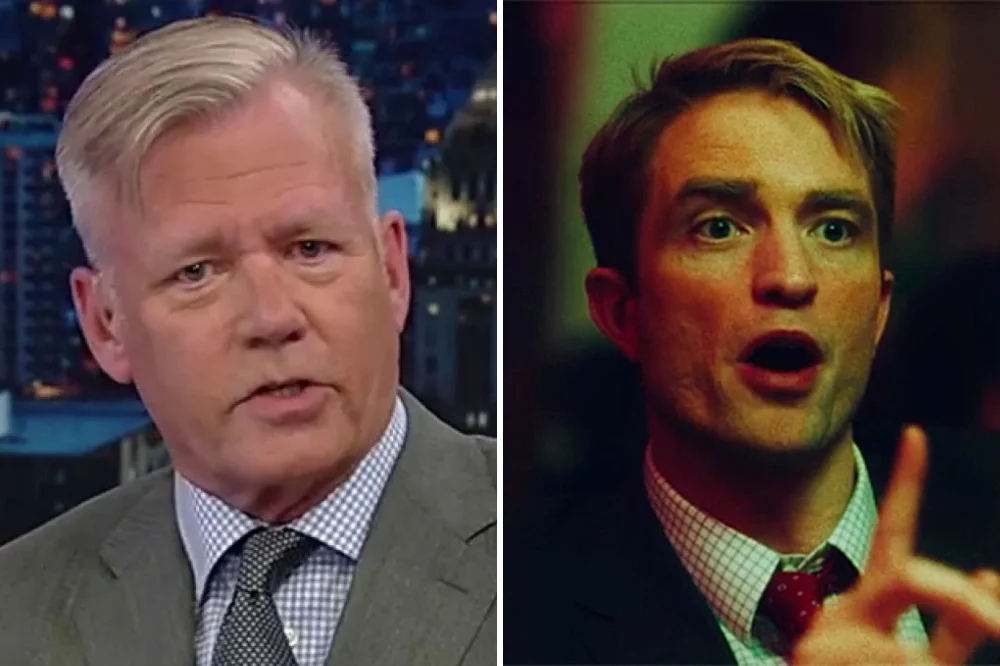
Hansen, the 66-year-old face of the cultural phenomenon To Catch a Predator, arrived at the offices of A24 last Thursday expecting a private, advance screening of the upcoming drama Primetime. The film, which stars Robert Pattinson as a fictionalized version of the journalist, is set to make its world premiere at the Venice Film Festival before a wide theatrical release on September 25. However, the anticipated viewing never occurred. Hansen departed the premises abruptly, claiming he was presented with a legal document that he deemed an egregious overreach.
A Legal Minefield: What Went Wrong?
The tension hinges on a fundamental disagreement regarding the nature of the paperwork Hansen was asked to sign. According to Hansen, who recounted the ordeal during an appearance on Fox News’ Jesse Watters Primetime, the studio presented him with a non-disclosure agreement (NDA) that far exceeded the scope of a standard confidentiality waiver.
"The lawyers at A24 wanted me to sign away my rights to my name, image, and brand, essentially, as well as any potential legal rights that would come out of the movie," Hansen claimed. "I couldn’t sign that, so they didn’t show me the film. I went all the way over there."
When prompted by host Jesse Watters about whether he had consulted counsel before rejecting the document, Hansen was firm. "Of course not," he replied. "My attorneys had already reviewed the paperwork and advised against signing. This was a very restrictive agreement. I’ve never seen anything quite like it in four decades on the beat."
Conversely, sources close to A24 maintain a different narrative. Insiders suggest that the document in question was a standard, industry-wide NDA designed to protect the intellectual property of an unreleased film, a routine requirement for any press, critics, or private guests granted early access to such high-profile projects. The studio maintains that the intent was to prevent leaks, spoilers, and unauthorized distribution of the film’s narrative, rather than to strip the subject of his legal identity.
Chronology of the Disconnect
The current standoff is the culmination of a months-long period of uncertainty regarding the film’s production. For a project that centers on the life and career of a living, high-profile journalist, the lack of collaboration between the filmmakers and their subject has been a point of contention.
- The Development Phase: Primetime, directed by Lance Oppenheim in his narrative feature debut, was written by Ajon Singh. It is inspired by the book Tonight on Dateline This Man Will Die by Luke Dittrich. Despite the film being anchored in a period of Hansen’s career that is well-documented, the journalist claims he was never brought on as a consultant or officially briefed on the production’s trajectory.
- The Podcast Disclosure: Just days before the failed screening, Hansen appeared on the Serialously With Annie Elise podcast. During that interview, he expressed a measured optimism, noting that A24 had reached out to coordinate a private screening. He indicated he was prepared to render a verdict on how the film depicted his career and the legacy of To Catch a Predator.
- The Screening Day: On Thursday morning, Hansen arrived at A24’s offices for the scheduled 10 a.m. screening. The atmosphere quickly soured as the legal department presented the terms of access.
- The Media Pivot: Hours later, Hansen took his grievances to the airwaves on Jesse Watters Primetime, publicly airing the dispute and signaling a clear shift from the cooperative tone he had struck just days earlier.
The Anatomy of the Film
Primetime is not marketed as a traditional biopic. Instead, it is billed as being "inspired by true events," a distinction that allows for significant creative license. The film captures the 2006 height of To Catch a Predator, a period when the Dateline NBC segment evolved into a massive, multi-platform media juggernaut.
Robert Pattinson, who also serves as a producer through his Icki Eneo Arlo banner, takes on the role of Hansen. The cast includes notable names such as Merritt Wever, Skyler Gisondo, Phoebe Bridgers, and Bokeem Woodbine, with a cameo by former NBCUniversal executive Jeff Zucker.

The story dives into the ethical and logistical complexity of the sting operations, which often involved decoys posing as minors to confront suspected predators in residential settings. The franchise was abruptly shuttered in 2007 following the tragic death of Louis Conradt, a Rockwall County assistant district attorney who died by suicide during a To Catch a Predator investigation. The sensitivity of this material is likely why the subject matter remains so contentious, even decades later.
The "Working Reporter" Perspective
One of the more poignant aspects of Hansen’s grievance is his insistence that he was kept in the dark throughout the development of the film. "I’m just a working reporter, and I’m not learned in the sophisticated ways of Hollywood," Hansen said. "But I find stuff out. I’ve been an investigative reporter for four decades, so I knew this was going on."
Hansen is keen to clarify that his motivation is not financial. He claims he holds no stake in the film, received no payment, and was never offered a consulting fee. His frustration stems from a lack of transparency and a feeling of being treated as an outsider to his own history. "I get a call today saying, ‘Well, you know, everybody’s concerned. They want you to be happy with the film,’" Hansen remarked. "Well, then why didn’t you tell me about it when you started shooting the film?"
Implications for the Industry and the Film
The fallout from this incident raises questions about the "inspired by" trend in modern cinema. As studios increasingly produce narratives based on the lives of living public figures, the line between journalistic integrity and creative dramatization becomes blurred.
For A24, a studio known for its bold, auteur-driven projects, the controversy serves as a reminder of the hazards inherent in depicting real-world figures without their full cooperation. While the studio has declined to comment on the record, the optics of the situation—where the subject of a biopic is essentially locked out of the room—could potentially color the critical reception of the film.
For Hansen, the path forward is clear: he will watch the film on his own terms. "I haven’t seen the film," he stated. "I’ll have to see it the way the rest of the country will, with a paid theater ticket."
When asked if he had any parting words for the man playing him on screen, Robert Pattinson, Hansen couldn’t resist a nod to his own history. Drawing on the iconic catchphrase that defined his career, he quipped, "Take a seat right over there."
As Primetime prepares for its Venice debut, the irony remains palpable: a film about a man who built his career on catching people off-guard has itself been caught in a public relations sting, ensuring that the conversation surrounding the movie is now just as much about the man who wasn’t there as the man on the screen.