For decades, the consumer experience has been defined by the marketplace. We walk into a brick-and-mortar retailer or navigate to a landing page, and we are greeted by a curated selection of goods. We assess what is in front of us, compare the relative merits of the available stock, and make a purchase. This is "store-centered shopping"—a passive, reactive approach where our needs are subservient to the inventory limits of a merchant.
However, a growing movement of intentional consumers is flipping this script. By adopting a philosophy of "self-centered shopping," individuals are reclaiming agency over their purchasing habits. This shift is not merely about consumer preference; it is a fundamental restructuring of how we interact with the economy, reducing impulse spending, curbing the paradox of choice, and fostering deep brand loyalty.
The Evolution of the Consumer Mindset
In the traditional retail model, the consumer acts as a filter for the store’s inventory. If a shopper needs a wallet, they visit a department store, survey the available options, and select the one that is "least bad" or "good enough." The store effectively defines the universe of possibilities.
This model worked well in an era of limited access—when rural consumers were restricted to the stock of a local pharmacy or general store. But in the age of global e-commerce, the physical limitations of a store shelf are obsolete. Despite this, many consumers remain tethered to the old, store-centered mindset, settling for mass-market goods that fail to align with their specific lifestyles.
Self-centered shopping, by contrast, begins with the user’s requirements, not the merchant’s supply. It requires the consumer to articulate their needs, perform rigorous research, and exercise patience. By defining the parameters of a "perfect" product before a search even begins, the shopper shifts from a passive recipient of inventory to an active architect of their own lifestyle.
Chronology of a Shift: The Wallet Case Study
The efficacy of this method is best illustrated through personal experience. Consider the standard cycle of wallet replacement. For thirty years, the typical approach was to wait until a wallet failed, head to a department store, and select from the available display. It was a chore, often resulting in the purchase of a generic product that didn’t quite suit the user’s needs.
In 2019, a pivotal moment occurred. Faced with a disintegrating wallet, the consumer decided to bypass the store entirely. Rather than browsing, they sat down to define exactly what was needed: a slim profile, minimal material, and specific card accessibility.
- Phase One: Requirement Definition. The consumer drafted a list of non-negotiables. They rejected the bulky, traditional leather bifold in favor of a minimalist, tech-forward design.
- Phase Two: The Market Scan. Rather than browsing Amazon’s general "wallets" category, the consumer searched specifically for products matching their dimensions and material requirements.
- Phase Three: Brand Alignment. After evaluating various options, including Dutch innovator Secrid, the search led to travel-gear specialist Tom Bihn.
- Phase Four: Validation. The resulting purchase—a minimalist wallet—was not just a replacement; it was a perfect fit for the user’s daily workflow. The product did not just work; it sparked joy.
This transition from reactive browsing to intentional sourcing transforms the act of buying from a mundane chore into a highly efficient, satisfying process.
Supporting Data: Efficiency and the Paradox of Choice
The psychological underpinnings of this shift are rooted in behavioral economics, specifically the "paradox of choice." Popularized by Barry Schwartz, this theory posits that an abundance of options leads to paralysis and post-purchase regret.
In a traditional retail setting, a shopper might be confronted with fifty different wallet models. The cognitive load required to compare them is immense, and the likelihood of choosing a product that leaves lingering doubt is high.
Self-centered shopping systematically eliminates this paralysis. By starting with a strict set of requirements, the consumer effectively narrows the market down to one or two viable candidates. The search process is not about choosing between many, but about finding the one that meets the pre-defined criteria. Once the match is found, the purchase is made with confidence.
Furthermore, this approach acts as a powerful deterrent to impulse spending. Impulse buying is almost exclusively a byproduct of undefined needs. When a consumer walks into a store without a plan, they are vulnerable to marketing tactics, sales, and aesthetic appeal. When they enter the market with a specific list of requirements, the distraction of "sale" items or "trending" products loses its power.
Implications for Brand Loyalty and Long-Term Value
A significant, and perhaps unintended, consequence of self-centered shopping is the creation of extreme brand loyalty. When a consumer identifies a product that perfectly fulfills their needs, they become a repeat customer for life.
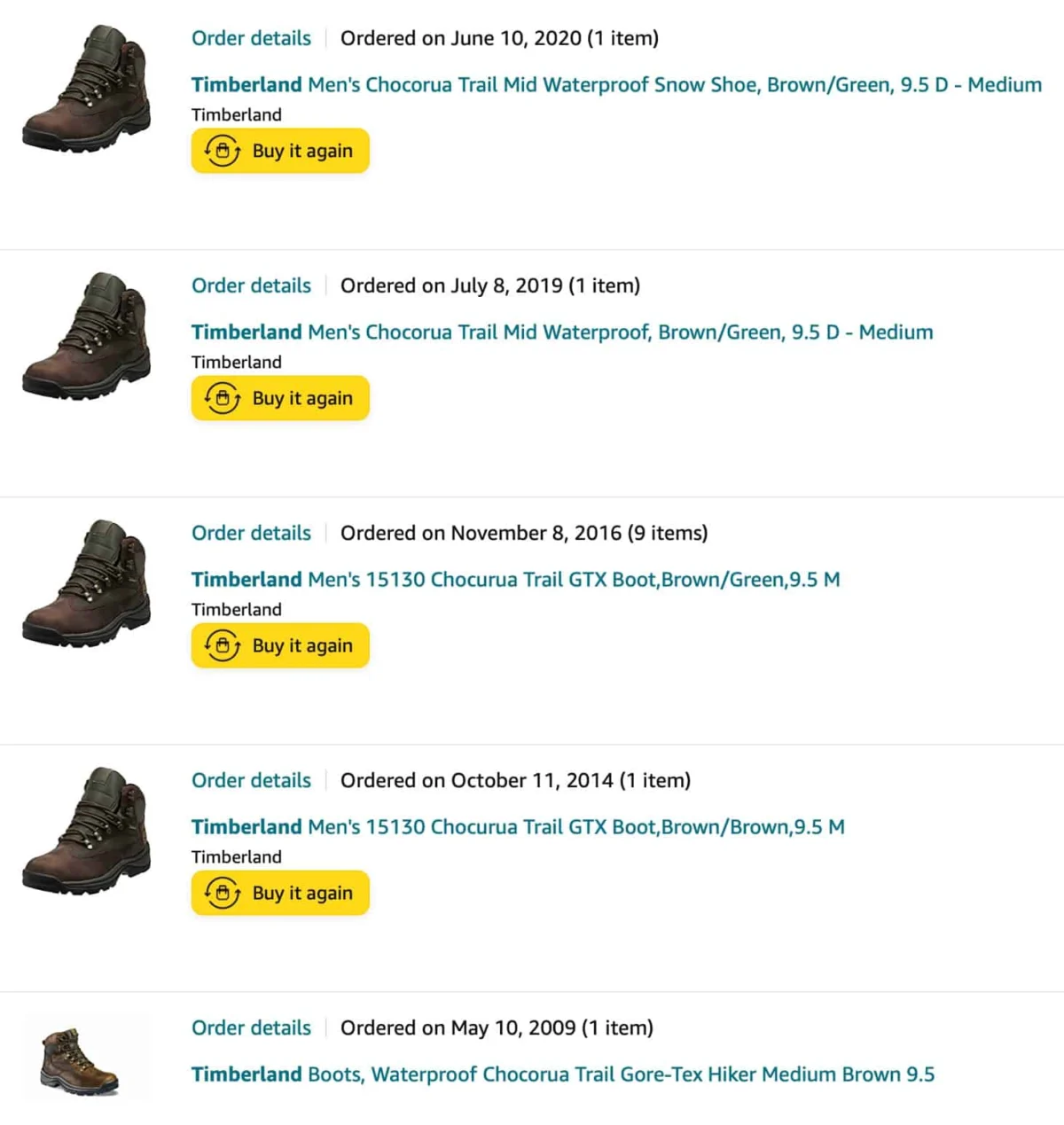
This is evident in the adoption of durable, specialized gear. Take, for instance, the Timberland Chocorua hiking boots. A consumer who finds a boot that meets their requirements for comfort, durability, and fit is likely to replace that boot with the exact same model for decades. They are no longer "shopping" for boots; they are simply replenishing an essential tool.
This creates a high-trust relationship between the consumer and the manufacturer. The manufacturer benefits from a loyal customer base, and the consumer benefits from the consistency and quality of their tools. The "buy-it-for-life" (BIFL) movement is essentially the pinnacle of self-centered shopping, where consumers prioritize long-term utility over short-term savings.
Strategic Implementation: How to Adopt the Method
For those looking to adopt the self-centered shopping methodology, the transition requires a shift in habits:
- Audit Your Environment: Before buying, evaluate your current tools. What is failing? What is inefficient? What is causing you frustration?
- Draft the Specification Sheet: Before you search, write down your requirements. If you are buying a desk, determine the exact dimensions, cable management needs, and aesthetic requirements.
- Ignore the "Browse" Button: Resist the urge to visit general retail sites or browse "top-rated" lists. Use search engines to find products that match your specific requirements.
- Prioritize Quality over Cost: Because this method leads to fewer, more deliberate purchases, it is often more financially viable to pay a premium for high-quality, long-lasting items. The "cost-per-use" metric becomes the primary measure of value.
- Accept the Search Time: Understand that finding the perfect product takes time. Patience is the cost of avoiding the "settling" that occurs in store-centered shopping.
Conclusion: The Future of Intentional Consumption
Self-centered shopping is more than a way to buy gear; it is a rejection of the consumerist noise that defines modern life. By moving the point of decision from the store aisle to the home office, consumers can ensure that every item they own serves a clear, defined purpose.
While some may argue that this process is too time-consuming, the dividends are clear: less clutter, fewer impulsive mistakes, and a collection of possessions that truly reflect the user’s identity. In a world of infinite, overwhelming choice, the most valuable skill a consumer can cultivate is the ability to define exactly what they want—and the patience to wait until they find it. As we look toward a future of increasingly digital and globalized trade, the "self-centered" shopper will be the one who maintains the most control over their finances, their environment, and their own sense of satisfaction.