We have all been there: a well-intentioned grocery trip leaves you with a mesh bag of vibrant, green limes sitting in your refrigerator. As the days pass, the skin begins to harden, and the urgency to utilize them grows. While a simple wedge in a glass of ice water offers a fleeting moment of refreshment, it hardly does justice to the complex, acidic potential of this citrus powerhouse.
Limes are not merely a garnish; they are a transformative ingredient capable of balancing fats, brightening heavy dishes, and serving as the backbone for both sweet and savory applications. Whether you are using the bright, aromatic zest to infuse oils and creams or the sharp, potent juice to tenderize proteins and cut through rich sauces, the lime is an essential tool in the modern home kitchen. Below, we explore a curated collection of culinary applications designed to help you exhaust your supply while elevating your home cooking.
Main Facts: The Culinary Versatility of the Lime
At its core, the lime acts as a natural flavor enhancer. Chemically, the citric acid content in limes serves to brighten the palate by stimulating saliva production, which makes food taste "fresher." When you incorporate lime into a recipe, you are often performing a delicate balancing act—using acidity to temper heat, fat, or sugar.
Whether you are crafting a vegan key lime pie or a spicy chili-lime hot sauce, the key is understanding the difference between juice and zest. The juice provides the structural acid needed for chemical reactions (such as in ceviche), while the zest contains essential oils that provide a bitter, floral perfume. Mastering both ensures that your leftover limes are not just used up, but are utilized to their absolute peak potential.
Chronology of Flavor: From Morning Oats to Late-Night Bites
Integrating lime into your daily routine is easier than it appears. By following a structured approach to your meals, you can navigate your stash of citrus throughout the day.
The Morning Kickstart
Start your day with Key Lime Cheesecake Overnight Oats. By prepping this the night before, you marry the creaminess of oats with the sharp tang of lime, creating a balanced breakfast that avoids the monotony of standard morning meals. For those seeking a higher protein intake, High-Protein Key Lime Pie Bars utilize silken tofu to provide a creamy, protein-dense texture that pairs seamlessly with lime zest, proving that dessert-inspired breakfasts can be nutritionally responsible.
Mid-Day Refreshments
When the afternoon sun reaches its peak, nothing matches the hydrating properties of a Watermelon Lime Agua Fresca or a Watermelon Lime Slushie. These drinks leverage the natural sweetness of watermelon, which is elevated by the sharp acidity of lime, creating a beverage that is as thirst-quenching as it is sophisticated. For a more traditional route, a Mint Limeade offers an ultra-bold acidity that serves as the perfect palate cleanser for a hot summer day.
The Savory Transition
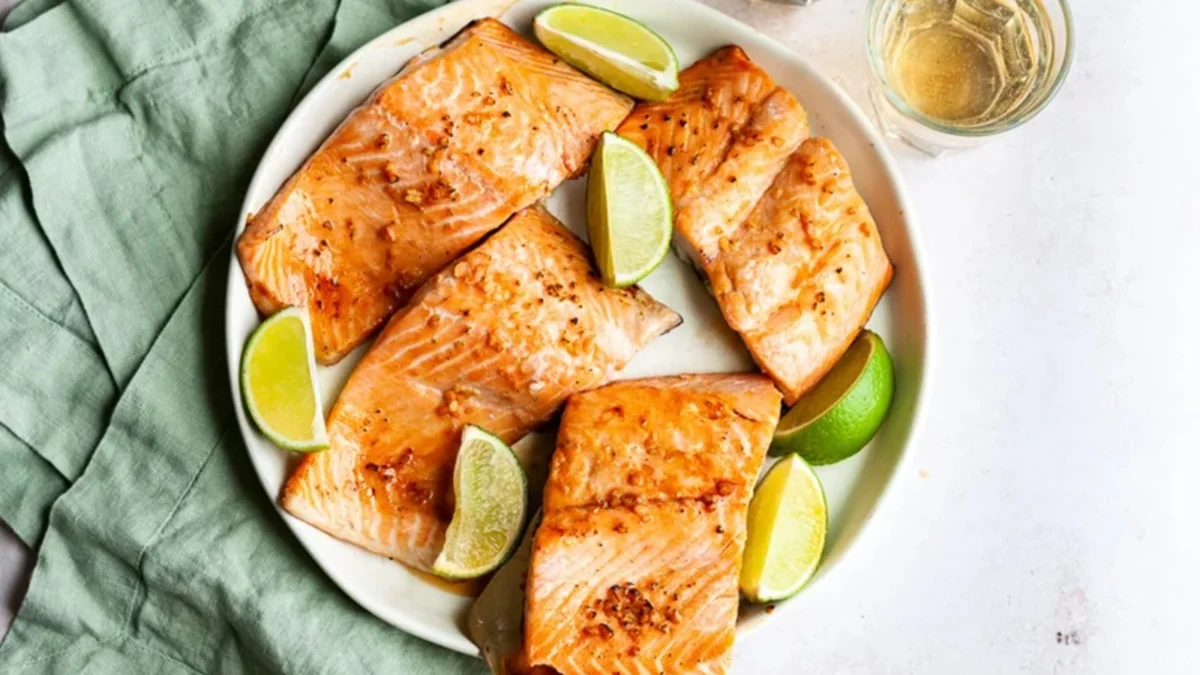
As dinner approaches, the versatility of lime becomes even more apparent. Whether you are preparing a Jalapeño-Lime Three Bean Salad as a side dish or incorporating Cilantro-Lime Rice into your burrito bowls, the citrus provides the necessary lift to make vegetable-heavy dishes feel vibrant. If you are looking to elevate your protein, consider Honey Lime Salmon or Coconut and Lime Chicken Thighs. In these dishes, the lime serves as a bridge, connecting sweet notes like honey or coconut to the savory proteins, resulting in a complex flavor profile that feels restaurant-quality.
Supporting Data: Why Acidity Matters in Modern Cooking
The effectiveness of lime in the kitchen is supported by the science of "gastronomic balancing." In recipes like Coconut-Lime Shrimp Ceviche, the lime juice is not just a flavor agent; it is a functional ingredient. Through a process called denaturation, the acid in the lime juice alters the protein structure of the shrimp, effectively "cooking" it without the use of heat. This preserves the delicate texture of the seafood while ensuring safety and infusing it with a bright, clean flavor.
Furthermore, in dishes like Fajita Pasta with Cilantro Lime Sauce or Loaded Chili-Lime Chicken Nachos, the lime serves as a culinary "degreaser." Fat from cheese, heavy creams, or oils can coat the tongue and dull the palate. The sharp, high-acidity profile of lime cuts through these fats, resetting the taste buds so that each bite tastes as fresh as the first. This is the same principle that makes Chili Lime Sweet Potato Chips and Homemade Chili Lime Tortilla Chips so addictive—the acid prevents the salt and spice from becoming overwhelming, keeping the snack light and palatable.
Official Perspectives: Expert Techniques for Maximizing Limes
Professional chefs often emphasize that the "leftover" lime is a goldmine for experimental cooking. For instance, the technique of blistering limes—as seen in specialized guacamole recipes—transforms the fruit. By applying high heat to the surface of the lime before juicing it, you caramelize the natural sugars in the skin and pulp, adding a layer of smoky depth that traditional raw lime juice lacks.
Similarly, in the creation of ‘Better Than Wingstop’ Fiery Lime Wings, the secret lies in the ratio. When high-heat peppers like Scotch bonnets are used, the lime is not just a garnish; it is a safety mechanism. It neutralizes the capsaicin’s intensity, allowing the consumer to appreciate the spice without it being physically painful or flavor-masking.
For those interested in global inspirations, the Classic Caipirinha Cocktail highlights the Brazilian reliance on the lime-sugar-cachaça triad. This drink serves as a reminder that the simplest combinations are often the most potent. Similarly, the Thai Lemongrass Lime Bar Cookie showcases how the citrus can be paired with herbal notes like lemongrass to create a sophisticated, aromatic profile that deviates from the standard "lemon bar" expectations.
Implications: Reducing Food Waste Through Culinary Innovation
The environmental and economic implications of food waste are significant. By finding creative ways to use every lime in your kitchen, you are participating in a larger movement of sustainable home economics. The recipes highlighted—from Margarita-Inspired Flank Steak to Cilantro-Lime Tilapia Burgers—demonstrate that you do not need an exotic pantry to reduce waste.
When you choose to craft a Mongolian Beef Salad with Ginger-Lime Vinaigrette or a Simple Fruit Salad with Honey-Lime Dressing, you are not just clearing your crisper drawer; you are engaging in the active practice of flavor layering.
A Summary of Opportunities
- For the Grill: Utilize tequila and lime marinades for flank steak or chicken skewers to achieve a smoky, acidic char.
- For the Pantry: Create your own hot sauces or vinaigrettes to ensure you have acidic, shelf-stable condiments on hand.
- For the Sweet Tooth: Move beyond basic pies and explore cakes, bars, and overnight oats that center lime as the primary flavor profile.
Ultimately, the "problem" of having too many limes is actually an opportunity to expand your culinary repertoire. Whether you are tempering the heat of a chili-lime wing or enhancing the richness of a coconut shrimp ceviche, the lime is a versatile ally. Next time you find yourself staring at a bag of limes nearing their expiration date, look past the ice water glass. A world of flavor—from Brazilian cocktails to Thai-inspired desserts—awaits, all hidden within the rind of a humble lime. By embracing these recipes, you ensure that no ingredient goes to waste and that every meal becomes an opportunity for discovery.