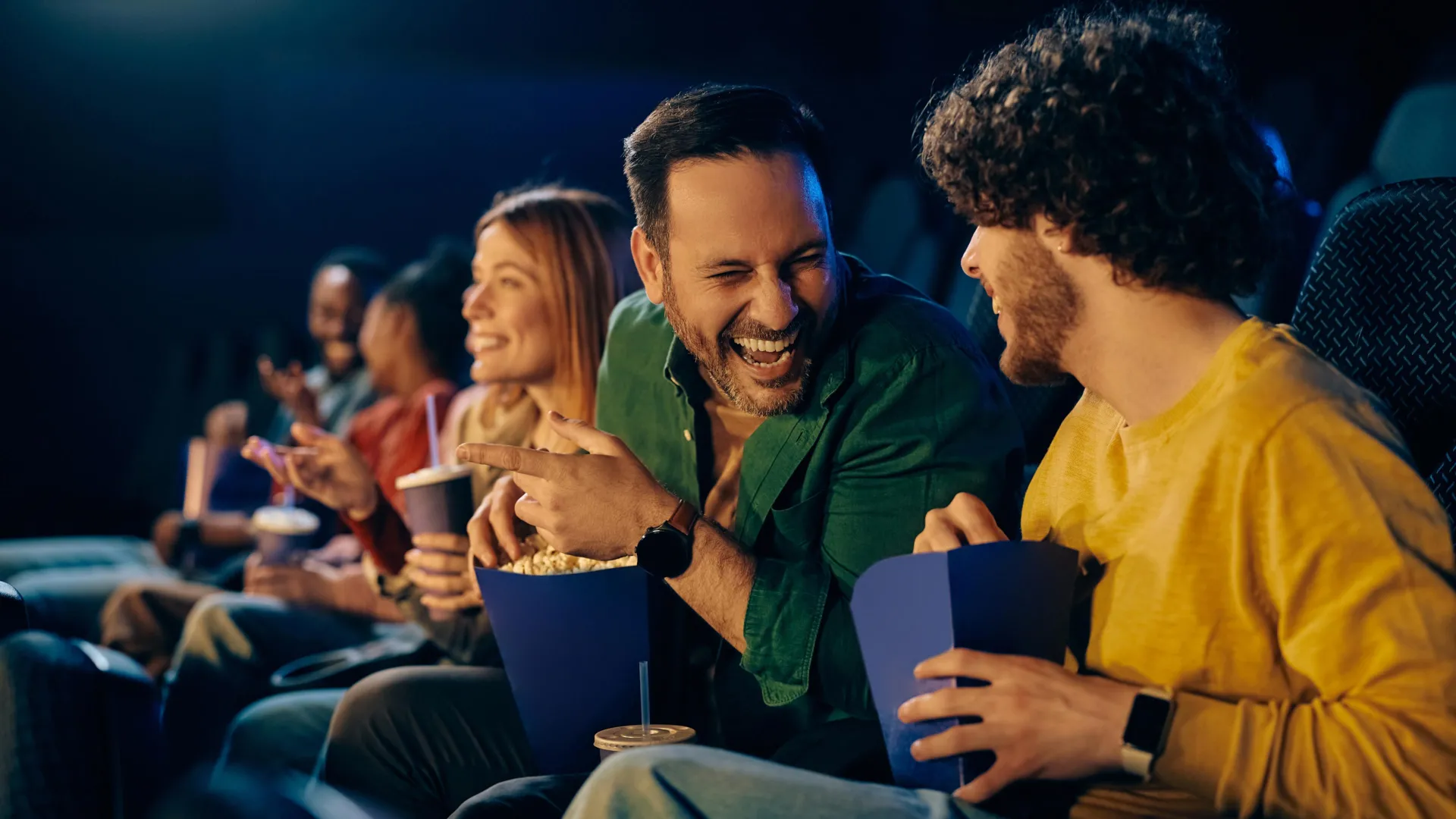
For centuries, poets and philosophers have mused that "youth is a state of mind." Now, modern science suggests that this sentiment may be more literal than previously imagined. A groundbreaking study recently published in the Journal of Epidemiology and Community Health offers compelling evidence that the path to a longer, healthier life may lead directly through the doors of a museum, the rows of a theater, or the darkened comfort of a cinema.
Researchers have found a statistically significant correlation between regular cultural engagement and a "younger" physiological age—a metric that measures how efficiently the body’s internal systems are functioning, irrespective of the number of candles on one’s birthday cake. This finding suggests that our social and cultural habits are not merely pastimes, but potentially vital components of a strategy for healthy aging.
The Discrepancy Between Chronological and Physiological Age
To understand the study’s implications, one must first distinguish between two types of aging. Chronological age is the objective measurement of time—the years, months, and days since a person’s birth. It is a linear, unavoidable progression. Physiological age, however, is a more nuanced, biological assessment. It captures the wear and tear on the body’s systems, reflecting the cumulative impact of genetics, environment, and lifestyle choices.
When a person’s physiological age is lower than their chronological age, it indicates a body that is operating with the resilience, efficiency, and robustness typically associated with a younger person. The study, led by researchers at the Institute of Science Tokyo in Japan, posits that cultural participation acts as a buffer against the rapid degradation of these systems.
Chronology of the Research: A Deep Dive into Data
The research team conducted a rigorous longitudinal study, a method prized for its ability to track changes over time rather than providing a mere snapshot. By analyzing data from the English Longitudinal Study of Ageing (ELSA), researchers examined a nationally representative cohort of 1,899 adults aged 50 and older living in England.
The Methodology: Defining the Metrics
The study design was meticulously structured to ensure scientific validity:
- Data Collection Waves: Participants provided data across multiple survey periods between 2004 and 2009.
- Physiological Assessment: Nurses performed a comprehensive health screening, measuring 10 key indicators: pulse pressure, diastolic blood pressure, forced expiratory volume (a lung function test), hemoglobin concentration, fibrinogen levels, glycated hemoglobin (a marker for blood sugar control), low-density lipoprotein (LDL) cholesterol, body mass index (BMI), grip strength, and walking speed.
- The Cultural Quotient: Participants reported their frequency of attendance at three distinct categories: cinema, museums/art galleries, and theater/concerts/opera. Each was scored on a scale of 0 to 5, creating a cumulative "cultural engagement score" ranging from 0 to 15.
By synthesizing these 10 physical biomarkers into a singular "physiological age score," the researchers created a standardized way to compare the health outcomes of individuals with varying levels of cultural interest.
Supporting Data: The Three-Year Difference
The results of the study were striking. Individuals who engaged in cultural activities at least every few months exhibited an average physiological age of 66.9 years. In stark contrast, those with minimal or no cultural engagement recorded an average physiological age of 69.9 years.
This three-year disparity is not merely academic; it represents a meaningful difference in systemic health. Even after the researchers adjusted for potential confounding variables—such as household income, employment status, and pre-existing chronic health conditions—the link remained robust. The statistical modeling revealed that for every one-point increase on the cultural engagement scale, there was a corresponding 0.085-year (roughly 31-day) reduction in physiological age.
While the study noted that those with higher cultural engagement were also more likely to be women, hold higher socioeconomic status, and be employed, the persistence of the trend after adjusting for these factors suggests that the act of engagement itself carries unique biological benefits.
Why Cultural Engagement Matters: The Scientific Hypothesis
While the study is observational and cannot definitively claim that a visit to an art gallery causes physical rejuvenation, the researchers proposed several mechanisms that explain the correlation.
1. The Social Connection Hypothesis
Loneliness and social isolation are well-documented predictors of poor health outcomes. Cultural events are inherently social environments. Whether it is the shared hush of a concert hall or the intellectual exchange at a museum exhibit, these activities foster human connection, which is known to lower cortisol levels and dampen systemic inflammation.
2. Cognitive and Emotional Stimulation
Engaging with art, music, or film requires cognitive effort—interpreting complex narratives, appreciating aesthetics, or reflecting on historical contexts. This mental stimulation may build "cognitive reserve," which supports neurological health. Furthermore, the positive emotional response elicited by cultural enjoyment can improve mood, sleep quality, and overall mental well-being, all of which are linked to slower biological aging.
3. Lifestyle Encouragement
Cultural engagement often necessitates movement—walking through a museum, traveling to a theater, or navigating a city center. These activities encourage physical activity, which is a known pillar of longevity.
Official Perspectives and Expert Interpretation
The research team, writing in the Journal of Epidemiology and Community Health, emphasized that cultural engagement should be viewed as a "modifiable behavior." This shift in perspective is significant. Unlike genetics, which remain fixed, cultural participation is something that can be encouraged through public policy and community planning.
"Notably, the impact can be comparable to frequent physical activity," the researchers noted. This bold comparison places museum visits and theater outings in the same preventative health category as a regular exercise routine.
Public health experts are now taking note, suggesting that if the findings are replicated in larger, more diverse populations, "social prescribing"—where doctors recommend cultural activities to patients—could become a mainstream health intervention. The researchers argue that by lowering the barriers to entry—such as increasing the financial and geographical accessibility of museums and theaters—society could potentially lower the aggregate physiological age of the aging population, thereby reducing the strain on public healthcare systems.
Implications for the Future of Public Health
The study serves as a call to action for urban planners, policymakers, and health officials. If culture is a determinant of health, then access to culture is a matter of public safety.
Addressing the "Reverse Causation" Caveat
The authors were careful to address the limitations of their work, specifically the possibility of "reverse causation." It is plausible that healthier people are simply more physically capable of attending cultural events, rather than the events themselves causing better health. However, the longitudinal nature of the study, which accounted for stability in health markers over time, suggests that the link is more than a simple coincidence of the healthy.
A New Frontier in Preventive Medicine
As global populations continue to live longer, the focus of medicine is shifting from treating terminal illness to extending the "healthspan"—the number of years a person lives in good health. This study suggests that the "medicine" for an aging body may be found in the symphony hall or the gallery as much as it is in the pharmacy.
Future research will likely focus on intervention trials. If researchers can prove that encouraging inactive individuals to start attending cultural events leads to measurable decreases in their physiological age markers over time, it would solidify cultural engagement as a cornerstone of preventive geriatric care.
Conclusion: Investing in Culture is Investing in Health
The findings from the Institute of Science Tokyo provide a fascinating bridge between the humanities and the hard sciences. By quantifying the benefits of cultural participation, the study offers a clear, actionable path toward healthier aging.
As we look toward the future, the message is clear: the theater is not just a place for entertainment; it is a laboratory for longevity. By fostering a society that values and prioritizes the arts, we are not just enriching our souls—we are quite literally preserving our physical selves. Whether it is a local concert or a weekend at the museum, your next cultural outing might be the best investment you make in your biological future.