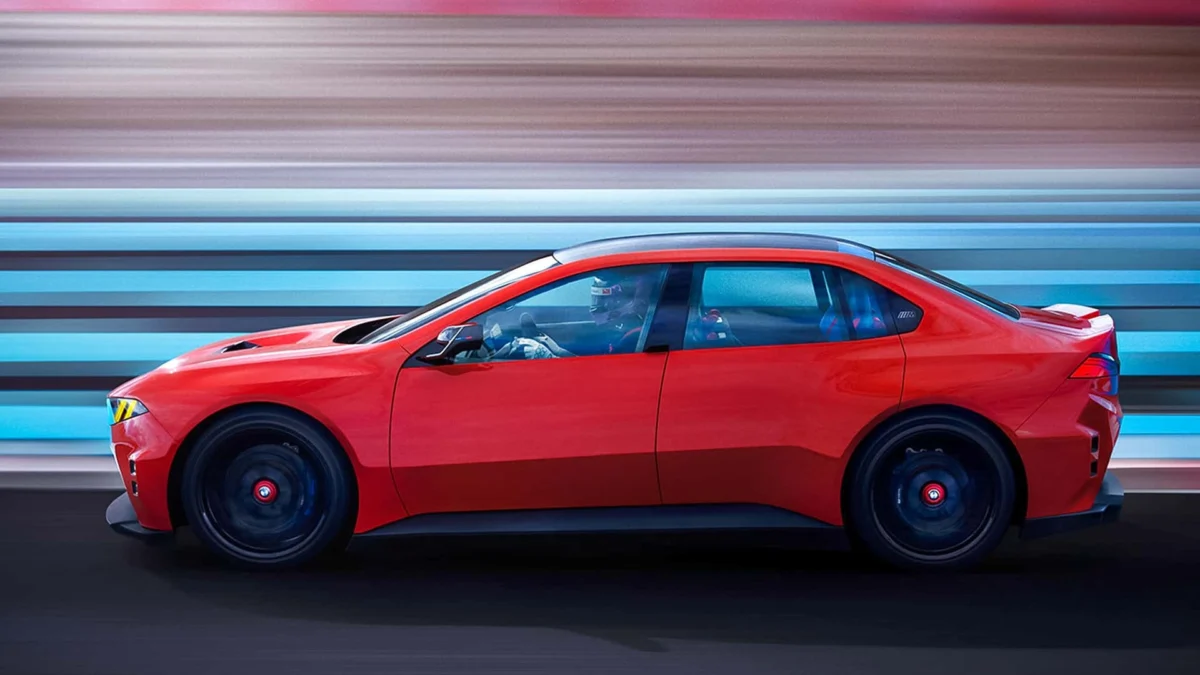
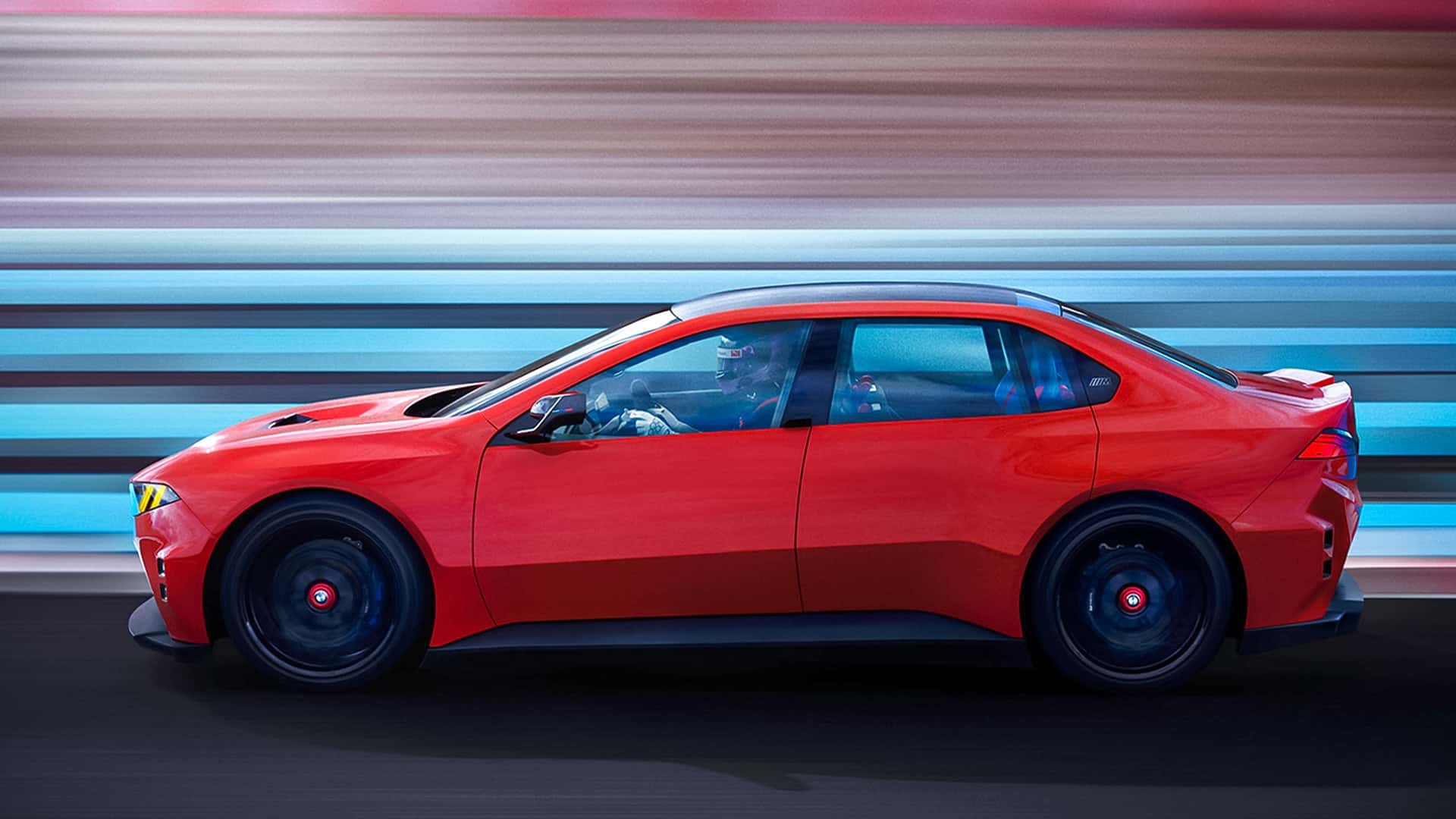
The automotive world is standing on the precipice of a seismic shift. For nearly four decades, the BMW M3 has served as the global benchmark for the compact sports sedan—a vehicle that defined the synthesis of track-bred precision and daily drivability. Since the arrival of the legendary E30 M3 in 1986, the nameplate has been synonymous with the internal combustion engine (ICE). However, with the recent unveiling of the "M Concept Neue Klasse," BMW has signaled that the future of its most iconic performance division is undeniably electric.
As the production version of this electric powerhouse prepares for its debut in 2026, the industry is grappling with a fundamental question: Can an all-electric M car truly capture the soul of its combustion-powered predecessors?
A Chronology of Performance: From E30 to Electric
To understand the significance of the upcoming electric M3, one must look at the lineage it inherits. The E30 M3, birthed from the necessity of DTM homologation, established the "M" ethos: lightweight construction, a high-revving naturally aspirated engine, and a chassis balanced to perfection. Over the subsequent decades, the M3 evolved through V8s, turbocharged inline-sixes, and sophisticated xDrive all-wheel-drive systems.
The pivot toward electrification began in earnest five years ago with the arrival of the i4 M50. While the i4 M50 served as a competent bridge, it was essentially an electrified grand tourer. The forthcoming M3, built on the dedicated "Neue Klasse" platform, represents a far more ambitious departure. It is the first time in the brand’s history that a "full-fledged" M car will eschew the gasoline engine entirely. The road-going model is scheduled to break cover sometime next year, with a market launch projected for 2027, marking the beginning of a new chapter for the Bavarian marque.
Breaking Down the Tech: Beyond the Horsepower War
The narrative surrounding the next M3 is often hijacked by speculative horsepower figures. While BMW has remained tight-lipped regarding exact output, they have explicitly confirmed that the car will not mirror the experimental 1,341-horsepower output of the recent "Vision Driving Experience" prototype. Instead, BMW is aiming for a more balanced, albeit potent, engineering solution.
Current market data provides a roadmap for the car’s potential output. With the new i3 50 xDrive producing 463 horsepower, the hierarchy of the M division suggests a clear ladder of performance. An M Performance variant—likely badged as an i3 M60—is expected to push well beyond 500 horsepower, creating a distinct buffer for the flagship M3. Most industry analysts anticipate a figure exceeding 600 horsepower, a benchmark that ensures the electric M3 will easily be the most powerful, and likely the fastest-accelerating, iteration in the model’s 40-year history.
However, Christian Karg, Head of Functional Integration and Vehicle Dynamics Engineering at BMW, has been quick to temper expectations regarding raw power as the sole metric of success. "It’s not about the horsepower," Karg stated in a recent interview with Auto Express. "That’s a part of the game, but the preciseness of M cars—that’s what is unique."
Official Perspectives: The Philosophy of the "New" M
BMW’s engineering team is acutely aware of the skepticism surrounding the weight and feedback of electric vehicles. To mitigate the loss of the mechanical "feel" that defines a traditional M car, BMW is leaning into software-defined performance.
One of the most controversial yet intriguing features is the implementation of simulated gear changes. Alexander Karajlovic, Head of Development at BMW M, has argued that these simulated ratios are "essential" for track performance. By creating artificial steps in the torque curve, the driver receives the necessary tactile and auditory feedback to gauge speed and proximity to the limit of grip. "On the track, with gears, you know how quick you are going into each corner," Karajlovic explained to Piston Heads. "Simulated ratios will help maintain that in the electric car."
Complementing this, BMW is developing a bespoke soundscape. Rather than relying on generic synthetic hums, the engineering team has recorded the iconic sounds of their most celebrated inline-six, V8, and V10 engines. These audio profiles will be integrated into the vehicle to provide a familiar visceral connection to the car’s heritage. Crucially, BMW has confirmed that both the simulated gear shifts and the engine soundscapes will be user-configurable, allowing drivers to toggle them off for a more "pure" electric experience.
The Dual-Path Strategy: A Bridge for Purists
BMW is not abandoning the internal combustion engine just yet. In a move designed to soothe the anxieties of die-hard enthusiasts, the company is concurrently developing a next-generation, gasoline-powered M3. Expected to debut around 2028, this model is rumored to feature a sophisticated mild-hybrid system paired with the classic turbocharged inline-six engine.
This dual-path strategy is a recognition of the complex regulatory and cultural landscape in which BMW operates. As emissions standards tighten globally, the mild-hybrid assistance is a necessary evolution to keep the ICE M3 relevant. However, this transition comes with trade-offs. Industry whispers suggest the 2028 model may mark the end of the manual transmission and potentially the end of a dedicated rear-wheel-drive configuration, as the added weight of the hybrid system and the complexity of modern xDrive systems make them the default path forward.
Implications for the Future of Driving Dynamics
The most significant challenge for the electric M3 will be the management of mass. With a confirmed 100+ kWh battery pack, the vehicle will inevitably be heavier than its predecessors. The "M" badge has historically stood for agility; if this new EV cannot navigate a corner with the same grace as the F80 or G80 generations, the brand risks alienating its core base.
Yet, there is cause for optimism. The Neue Klasse platform was designed specifically to accommodate high-performance electric powertrains with advanced thermal management and low-slung battery positioning. By leveraging the low center of gravity inherent in EV architecture, BMW may find a new way to deliver that "precise" handling that Christian Karg champions.
Conclusion: The Verdict on the M3’s Future
The transition to an electric M3 is a calculated risk. By providing simulated gear changes, heritage-inspired soundscapes, and maintaining a gas-powered option for the immediate future, BMW is attempting to have it both ways—embracing the inevitable electric future while respecting the legacy that built the brand.
For the enthusiast, the debate is far from settled. Does a car become less "authentic" because it uses an electric motor rather than a combustion engine, even if it offers superior control and output? The answer likely lies in the driving dynamics. When the production version finally reaches the tarmac in 2027, the success of the M3 won’t be measured by its 0-60 time or its horsepower rating, but by whether it still provides that elusive, irreplaceable sensation that has defined BMW M for four decades.
As we look toward 2026, the industry and the public alike remain fixated on the outcome. BMW is betting its future on the idea that the "M DNA" is not tied to the fuel source, but to the engineering philosophy behind the wheel. Whether they are right will soon be the most discussed topic in the performance automotive world.