Aging is often viewed as an inevitable, diffuse process—a slow, systemic erosion of biological integrity that eventually catches up to us all. But for a team of researchers at Stanford Medicine, aging is not just a passive decline; it is an active failure of the body’s internal maintenance crew. In a groundbreaking study published in the journal Science, researchers have identified a specific mechanism in the immune system that, when corrected, can preserve youthful function across multiple organs.
The findings, led by senior author Katrin Andreasson, MD, professor of neurology and neurological sciences, and lead author Jessy Tan, PhD, suggest that we may be closer than ever to identifying a druggable target that could slow the march of age-related deterioration and extend the period of healthy, disease-free human life.
The Body’s Cellular Garbage Collectors
To understand why we age, we must first look at the body’s most abundant immune cells: neutrophils. Produced in the bone marrow, these cells act as the body’s "first responders," patrolling the bloodstream to neutralize bacterial, viral, and fungal threats. They are highly active, often sacrificing themselves in the line of duty to trap invading pathogens.
However, neutrophils are short-lived. A typical neutrophil survives for only 12 to 24 hours. Under normal circumstances, roughly 90% of these cells are cleared from the bloodstream by specialized "garbage collectors" known as tissue-resident macrophages. These macrophages are long-lived, stationary immune cells that settle into organs during fetal development and remain there for the duration of an organism’s life, adapting to the specific needs of their host organ—whether it be the liver, the heart, or the brain.
The critical issue, as Andreasson discovered, is that as we age, these macrophages begin to falter. When they fail to dispose of neutrophils, those neutrophils enter a state known as senescence. Senescent neutrophils are essentially "zombie" cells: they do not die, but they become dysfunctional, leaking harmful chemicals into surrounding tissue.
"Senescent neutrophils are killing our tissues," Andreasson explains. "Clearance of these cells is essential for preventing chronic inflammation."
A Vicious Cycle: The Role of PGE2 and the EP2 Receptor
The degradation of the macrophage’s "garbage collection" function is not random; it is driven by a specific biochemical feedback loop. The culprit is a prostaglandin hormone known as PGE2.
PGE2 is involved in the body’s inflammatory and pain responses. While it is necessary for acute healing, levels of PGE2 rise significantly as the body ages. This hormone interacts with various receptors on the surfaces of cells to exert its effects. One of these, the EP2 receptor, is found in high concentrations on the surface of tissue-resident macrophages.
The Stanford team discovered that as PGE2 levels rise with age, they repeatedly stimulate the EP2 receptor. This persistent, chronic stimulation acts as a "brake" on the macrophage, weakening its ability to identify and engulf senescent neutrophils. As the macrophages lose their efficiency, senescent neutrophils accumulate throughout the body, triggering systemic inflammation. This inflammation, in turn, produces more PGE2, creating a self-perpetuating cycle of cellular decay and biological decline.
Experimental Validation: Reversing the Clock in Mice
To prove that this pathway is a primary driver of aging, the Stanford researchers engineered mice in which the gene for the EP2 receptor could be deleted specifically within tissue-resident macrophages.
The results were transformative. By removing the "brake" (the EP2 receptor), the macrophages regained their youthful ability to clear senescent neutrophils. When the researchers compared these genetically modified older mice to normal aging mice, the differences were stark:
- Blood Chemistry: In normal old mice, the researchers identified 71 blood proteins that shifted significantly with age. In the modified mice, 59 of those proteins remained at levels identical to those seen in young, healthy mice.
- Physical Fitness: The modified mice maintained a leaner body composition, with significantly less visceral fat and greater muscle mass compared to their peers.
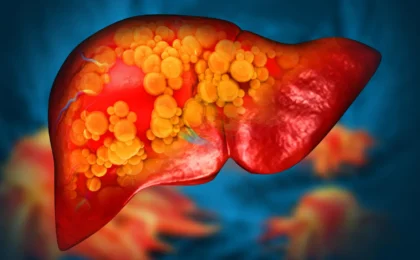
- Organ Health: Markers of inflammation and tissue damage in the liver, heart, kidney, spleen, and colon were drastically reduced.
- Cognitive Function: Perhaps most striking was the preservation of brain health. The older mice lacking the EP2 receptor performed as well as young mice in memory-based maze tests and exhibited youthful levels of speed, balance, and grip strength.
"We’ve been trying to figure out why we age," Andreasson noted. "Now we know at least one big reason for it."
Bridging the Gap: From Mouse Models to Human Cells
The implications for human health are significant. By analyzing large databases of human liver cells, the researchers found the exact same patterns that were present in the mice. Human livers, as they age—and even more so when they are diseased—show an accumulation of senescent neutrophils, a decline in macrophage function, and an elevation of EP2 activity.
This confirms that the mechanism identified by the Stanford team is not merely a quirk of murine biology but a fundamental component of the human aging process.
The Quest for a Targeted Pharmacological Strategy
While the results are promising, there is a challenge in translation. We currently use nonsteroidal anti-inflammatory drugs (NSAIDs) like aspirin and ibuprofen to reduce inflammation, but these work by suppressing the production of PGE2 globally. Because PGE2 has many vital functions throughout the body, suppressing it entirely can lead to adverse side effects.
"We need to develop a safe drug that blocks EP2 without interfering with earlier processes such as PGE2 production," Andreasson said.
The researchers’ next step is to develop a selective inhibitor that targets the EP2 receptor exclusively. In preliminary tests, they treated 22-month-old mice (the equivalent of a human in their 70s) with an experimental drug that inhibits EP2 for two months. The treatment successfully brought both total neutrophil levels and the number of senescent neutrophils closer to the levels observed in younger animals, suggesting that even in late life, it is possible to "re-calibrate" the immune system.
Implications for Future Medicine
The potential of this discovery extends far beyond simple "anti-aging" aesthetics. Chronic, low-grade inflammation—sometimes called "inflammaging"—is the common denominator in almost all age-related diseases, including Alzheimer’s, heart disease, type 2 diabetes, and sarcopenia (muscle loss).
By targeting the EP2 receptor, medical researchers may be able to treat these conditions at their root rather than managing symptoms individually. If a drug can be developed to restore the efficacy of tissue-resident macrophages, it could theoretically serve as a "pro-health" therapy, delaying the onset of multiple chronic diseases simultaneously and significantly increasing the "healthspan" of the human population.
The Stanford study represents a shift in how we view the immune system’s role in aging. Rather than being a victim of the aging process, the immune system—if properly regulated—could be the key to maintaining biological youth. As research continues, the focus will remain on refining these targeted inhibitors, ensuring they are both safe and effective for long-term human use.
While we are not yet at the stage of a "fountain of youth" pill, the identification of the EP2-macrophage pathway provides a clear, actionable roadmap for the next generation of geriatric medicine. The goal is no longer just to live longer, but to live healthier for as long as possible.