The automotive landscape is defined by constant evolution, and few nameplates embody the shifting tides of the American market quite like the Jeep Cherokee. Despite the relatively recent debut of the sixth-generation model for the 2026 model year, Stellantis has signaled a strategic pivot that underscores the rapid pace of global electrification and manufacturing modernization. In a move that promises to reshape the mid-size SUV segment, the automaker has confirmed that the eighth-generation Cherokee is already in development, slated to arrive before the end of the decade on an entirely new architectural foundation.
A Strategic Shift: The STLA One Era
Stellantis has officially announced that production of the eighth-generation Jeep Cherokee will commence in the second half of 2029. This transition is not merely a cosmetic update; it represents a fundamental shift in how the vehicle is engineered and manufactured. The new SUV will be the first vehicle assembled in the United States to utilize Stellantis’ cutting-edge "STLA One" platform.
The STLA One architecture, unveiled in May as a cornerstone of the "FaSTLAne 2030" strategy, is designed to combat the increasing complexity of modern vehicle manufacturing. By standardizing the underlying framework, Stellantis aims to streamline production cycles and achieve significant cost efficiencies. The platform is designed for versatility, with the company’s ambitious roadmap projecting that the STLA One will underpin more than 30 distinct models across the global portfolio by 2035. For the Cherokee, this means a leaner, more modular manufacturing process that could translate to improved quality control and a more competitive price point for consumers.
A Chronology of the Belvidere Revival
The story of the Cherokee is inextricably linked to the Belvidere Assembly Plant in Illinois, a facility that has seen its fortunes mirror the volatile demand for the model.
- February 2023: Stellantis idled the Belvidere facility, citing a decline in consumer interest for the aging previous-generation Cherokee. The move sent shockwaves through the local economy and served as a focal point during tense contract negotiations with the United Auto Workers (UAW).
- Late 2023: A landmark labor agreement was reached, with Stellantis pledging to breathe new life into the shuttered plant, providing a glimmer of hope for the local workforce.
- October 2025: The company solidified its commitment to the site, announcing a substantial $600 million investment earmarked for the production of both the current Cherokee and the Compass.
- 2028–2029: Jeep has now confirmed that pilot production for the eighth-generation Cherokee will begin in the first half of 2028, with full-scale manufacturing slated for the latter half of 2029.
This multi-year saga reflects the company’s broader struggle to balance legacy manufacturing footprints with the demands of an electrified future. By reinvesting an additional $200 million into the Belvidere plant specifically for the next-gen Cherokee, Stellantis is signaling that it views the Illinois facility as a long-term asset capable of supporting sophisticated, multi-powertrain assembly.
Understanding the Current-Gen Cherokee
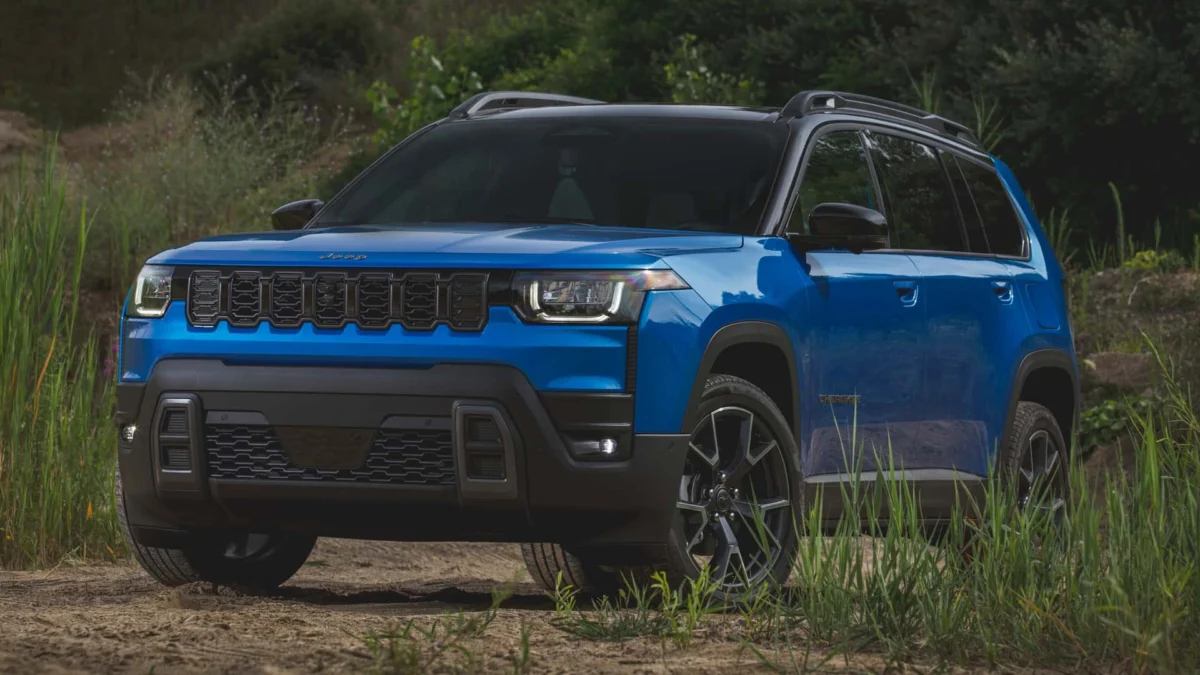
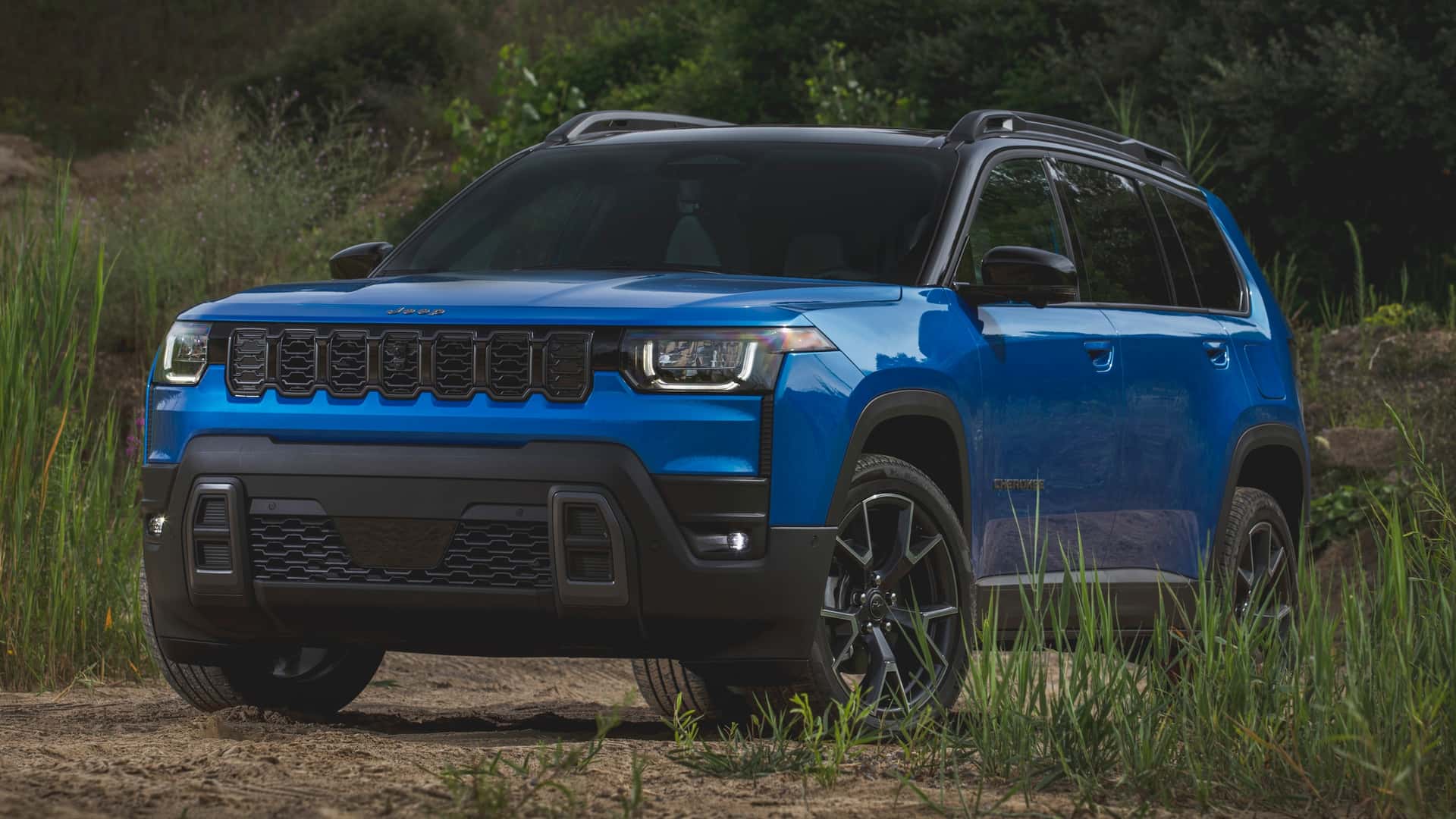
To appreciate the significance of the 2029 transition, one must examine the current iteration of the Cherokee. Launched just one year ago, the 2026 sixth-generation Cherokee marked a departure from its predecessor. Built on the STLA Large platform—the same architecture that serves as the backbone for vehicles like the new Dodge Charger—the current model is physically larger and more technologically advanced than any previous version.
The 2026 model is notable for its singular focus on a 350-volt hybrid powertrain. Eschewing traditional combustion-only setups, the vehicle features a 1.6-liter four-cylinder engine paired with a dual-motor, electronically controlled continuously variable transmission. This configuration produces 210 horsepower and 230 pound-feet of torque. While the $36,995 starting price is positioned slightly above some of its primary rivals, Jeep has countered that value by making all-wheel drive and the hybrid powertrain standard across the trim range, aiming to justify the premium through utility and efficiency.
Official Perspectives and Operational Strategy
The decision to transition the Cherokee to the STLA One platform is a top-down mandate aimed at maintaining relevance in a crowded SUV market. Antonio Filosa, CEO of the Jeep brand and COO of Stellantis North America, underscored the strategic necessity of this move.
"Launching the next-generation Cherokee on STLA One allows us to deliver a more competitive product while leveraging the strength of our U.S. manufacturing operations," Filosa stated. His comments reflect the broader corporate mandate: to harmonize the global manufacturing footprint while ensuring that American-made vehicles remain cost-competitive in an era where domestic production costs are under intense scrutiny.
The Belvidere plant, once fully operational, will run two shifts capable of producing a variety of powertrain configurations. This flexibility is vital, as it allows Stellantis to pivot based on regional demand, whether that involves internal combustion, hybrid, or full electric iterations of the future Cherokee.
Implications for the Consumer and the Market
What does this mean for the average buyer? The shift to the STLA One platform suggests a move toward greater digital integration and modularity. In the current market, the Cherokee faces stiff competition from the Toyota RAV4, Honda CR-V, and the Mazda CX-50. By reducing manufacturing complexity, Jeep is positioning itself to be more agile in its pricing strategies.
Furthermore, the commitment to domestic production at Belvidere suggests that Jeep is doubling down on the "Made in the USA" narrative, which remains a powerful marketing tool for the brand. As the industry moves toward 2030, the ability to produce high-volume vehicles like the Cherokee locally will be a critical hedge against global supply chain volatility and fluctuating trade tariffs.
However, the rapid turnover of the Cherokee—from the 2026 launch to the 2029 replacement—also hints at the aggressive speed of the "FaSTLAne 2030" initiative. Buyers who prioritize long-term model stability may find the accelerated lifecycle both a blessing and a curse. While it ensures that the Cherokee will remain at the cutting edge of technological standards, it also means that vehicles will cycle through the used market faster, potentially impacting long-term residual values.
The Road Ahead: A New Standard for Jeep
The Jeep brand stands at a crossroads. As it balances its rugged, trail-rated heritage with the urgent need for electrification and software-defined vehicle architectures, the Cherokee serves as the primary testing ground for these changes. The transition to the STLA One platform is more than just a logistical update; it is a manifestation of a new corporate philosophy that prioritizes efficiency, modularity, and rapid iteration.
As we look toward the latter half of the decade, the industry will be watching Belvidere closely. The success of the eighth-generation Cherokee will likely determine the feasibility of the wider STLA One rollout. If Jeep can successfully integrate the performance characteristics that define the brand—namely, off-road capability and rugged reliability—onto this new, cost-effective platform, the Cherokee will continue to be a dominant force in the segment.
For now, the 2026 model remains the current standard-bearer, representing the bridge between the old guard of Jeep engineering and the high-tech, platform-sharing future of Stellantis. The $200 million investment, the union agreements, and the strategic platform shift all point toward a future where the Cherokee is not just an SUV, but a symbol of the brand’s resilience and its ability to adapt to the most significant transformation in automotive history. Whether you are a loyalist or a prospective buyer, the next few years promise to be a transformative era for one of the most recognizable names in American motoring.