Introduction: A Breach of International Cooperation
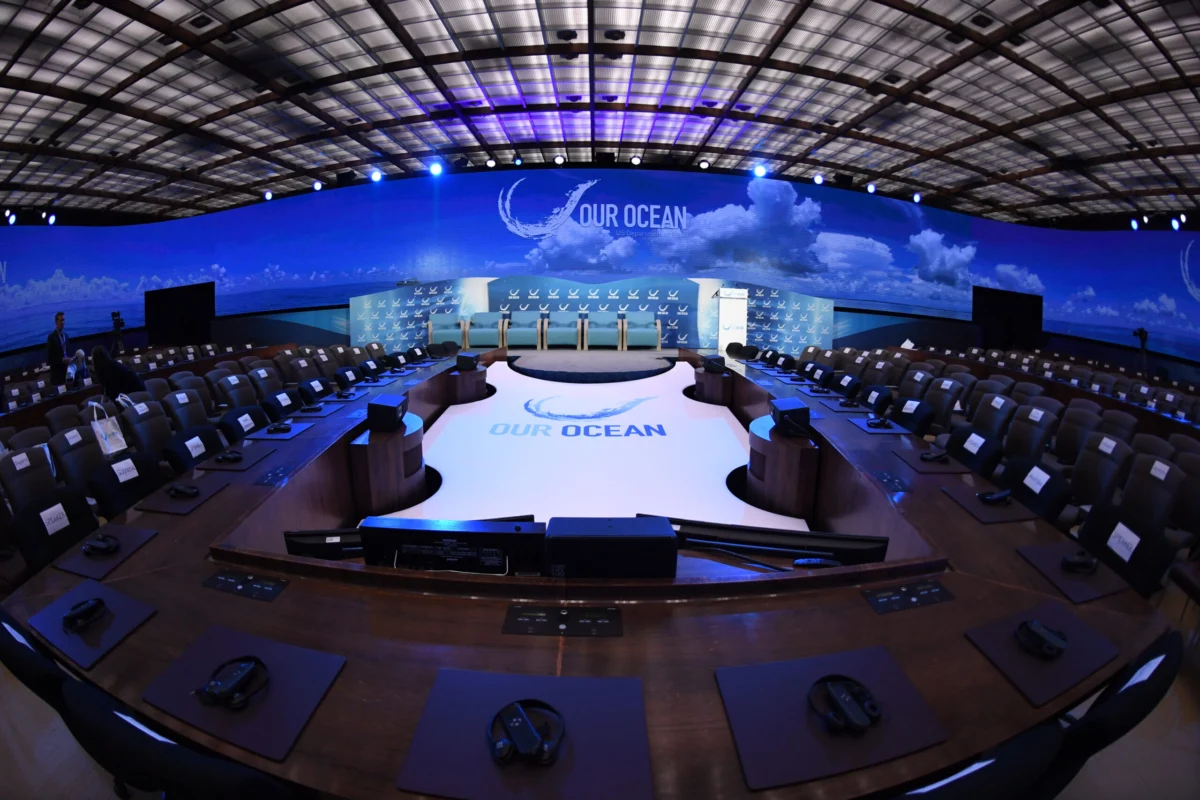
The 2026 Our Ocean Conference (OOC) in Mombasa, Kenya, intended to serve as a global stage for maritime sustainability and international cooperation, became the site of a significant diplomatic confrontation this June. Taiwan, a regular participant in the OOC since 2015, was forced to withdraw its delegation after its representatives were denied entry, detained, and stripped of their travel documents by Kenyan authorities.
The incident, which saw two Taiwanese officials held for over 20 hours, has been widely characterized by Taipei as a direct result of Beijing’s “long-arm” diplomatic coercion. This event is not an isolated anomaly but represents a systemic intensification of China’s campaign to prune Taiwan from the map of international multilateralism. By leveraging economic influence and political pressure on host nations, Beijing is effectively redrawing the boundaries of who is permitted to speak on the global stage.
Chronology of the Mombasa Incident
The obstruction of the Taiwanese delegation was a calculated process that began months before the conference commenced.
- April 2026: The preliminary warning signs emerged when the official participation application system for the 2026 OOC removed “Taiwan” as a selectable option. This digital exclusion served as the first bureaucratic barrier to entry.
- May 2026: Following the removal of the option, multiple members of the Taiwanese delegation reported that their electronic visa applications were summarily denied without clear justification.
- June 16, 2026: Despite these obstacles, a team of delegates attempted to attend the conference. Upon arrival at the airport in Kenya, they were refused entry on the pretext that the Kenyan government did not recognize the validity of the Republic of China (Taiwan) passport.
- The Detention: What followed was a 20-hour ordeal in which the delegates were forcibly detained by local authorities. During this period, they were deprived of their communication devices and personal identification documents, effectively cutting them off from their home government and legal counsel.
- Departure: Following their eventual release, the delegation was compelled to return to Taiwan, effectively ending their mission and resulting in the official withdrawal of Taiwan from the 2026 OOC.
Supporting Data: The Pattern of Systematic Obstruction
The Mombasa incident is the latest in a series of maneuvers designed to isolate Taiwan. Analysts point to a shift in tactics from merely pressuring diplomatic allies to breaking ties, to a more aggressive, multi-front strategy of disrupting international movement and logistics.
A primary example of this is the disruption of President Lai Ching-te’s diplomatic mission in April 2026. President Lai’s scheduled visit to Eswatini—Taiwan’s last remaining diplomatic partner in Africa—was severely impeded when Seychelles, Mauritius, and Madagascar unilaterally revoked overflight permits. This sudden bureaucratic reversal forced a delay in the Presidential itinerary, a maneuver that observers note requires significant high-level coordination and external pressure.
Samir Bhattacharya, a researcher at the Observer Research Foundation (ORF) in India, has closely tracked these developments. In interviews following the Eswatini incident, Bhattacharya warned that the use of aviation permits and entry visas as political weapons represents a “new and dangerous approach” to statecraft. “Beijing is moving beyond traditional soft power,” he noted. “They are weaponizing the logistical infrastructure of international travel to ensure that Taiwanese officials are treated as non-entities wherever Chinese influence holds sway.”
Official Responses and Diplomatic Fallout
The reaction from Taipei was swift and unequivocal. Taiwan’s Ministry of Foreign Affairs (MOFA) and the Ocean Affairs Council issued a joint statement condemning the Kenyan government’s actions as a surrender to Chinese bullying.
"The actions taken by the Kenyan authorities are a violation of the spirit of the Our Ocean Conference, which is meant to foster inclusive, science-based international dialogue," the MOFA statement read. "By bowing to the political pressure of the People’s Republic of China, Kenya has compromised the integrity of the conference itself."
Beijing, for its part, has maintained its long-standing narrative that Taiwan is a province of the PRC and that the “One China” principle should govern all international interactions. While Beijing rarely confirms direct orchestration of specific border incidents, the alignment of these disruptions with its broader diplomatic objectives is widely viewed by the international community as clear evidence of centralized control.
International bodies have also begun to weigh in. The House Select Committee on the Chinese Communist Party in the United States condemned the obstruction of President Lai’s visit in April, while the Inter-Parliamentary Alliance on China (IPAC) issued a formal statement decrying the “systematic isolation” of a democratic partner. These organizations argue that excluding Taiwan—a major maritime stakeholder—from an ocean conservation conference is counterproductive to the very goals of the OOC, as it leaves a significant regional player out of environmental policy discussions.
Implications: The Influence of the Belt and Road Initiative
The effectiveness of China’s pressure in Africa is inextricably linked to the massive economic footprints of the Belt and Road Initiative (BRI) and the Forum on China-Africa Cooperation (FOCAC).
African nations, seeking infrastructure investment and economic development, are increasingly finding themselves in a position where their foreign policy choices are constrained by their debt and trade relationships with Beijing. Eswatini stands as a lonely exception in the region; as the only African nation maintaining formal diplomatic ties with Taipei, it is pointedly excluded from the BRI and FOCAC.
This exclusion serves as both a penalty for Eswatini and a cautionary tale for other African capitals. The message is clear: deeper integration with the Chinese economic sphere necessitates the total marginalization of Taiwan. As Bhattacharya observes, this has created a profound shift in how African governments calculate their risks. The “cost” of interacting with Taiwanese delegates—even in non-political venues like scientific or environmental conferences—is now perceived as potentially damaging to their bilateral relations with the world’s second-largest economy.
Geopolitical Strategy: A Shrinking Space for Taiwan
The broader context of this incident is a multi-decade effort by the PRC to erase Taiwan from the international system. This strategy has seen success in the following areas:
- Multilateral Organizations: Taiwan has been systematically barred from the World Health Organization (WHO), the International Civil Aviation Organization (ICAO), and the United Nations, despite its significant contributions to global health and aviation safety.
- Diplomatic Attrition: Through a combination of economic incentives and diplomatic pressure, the number of countries maintaining formal diplomatic relations with Taipei has dwindled, leaving the island increasingly vulnerable to isolation.
- Normative Erasure: By pressuring private corporations and international bodies to refer to Taiwan as "Chinese Taipei" or a province of the PRC, Beijing seeks to normalize the idea of Taiwan’s lack of sovereignty.
Conclusion: The Future of Taiwan’s Global Participation
The forced withdrawal of the Taiwanese delegation from the 2026 Ocean Conference serves as a grim indicator of the current geopolitical climate. As China’s reach extends deeper into the domestic policies of sovereign nations through economic dependencies, the “space” for Taiwan to participate in global governance continues to shrink.
However, the backlash from international observers and human rights advocates suggests that this strategy may eventually incur a diplomatic cost for Beijing. The detention of peaceful delegates on the basis of political affiliation risks painting China as an aggressor that is willing to disrupt vital international cooperation for the sake of ideological purity.
For Taiwan, the challenge remains to navigate these hostile waters without compromising its identity. Whether the international community can create "neutral" spaces for dialogue that are insulated from the reach of the Beijing-Taipei conflict remains one of the most pressing questions of the decade. For now, the events in Mombasa suggest that until such insulation is achieved, the cost of being a democratic neighbor in the shadow of a rising power will only continue to rise.