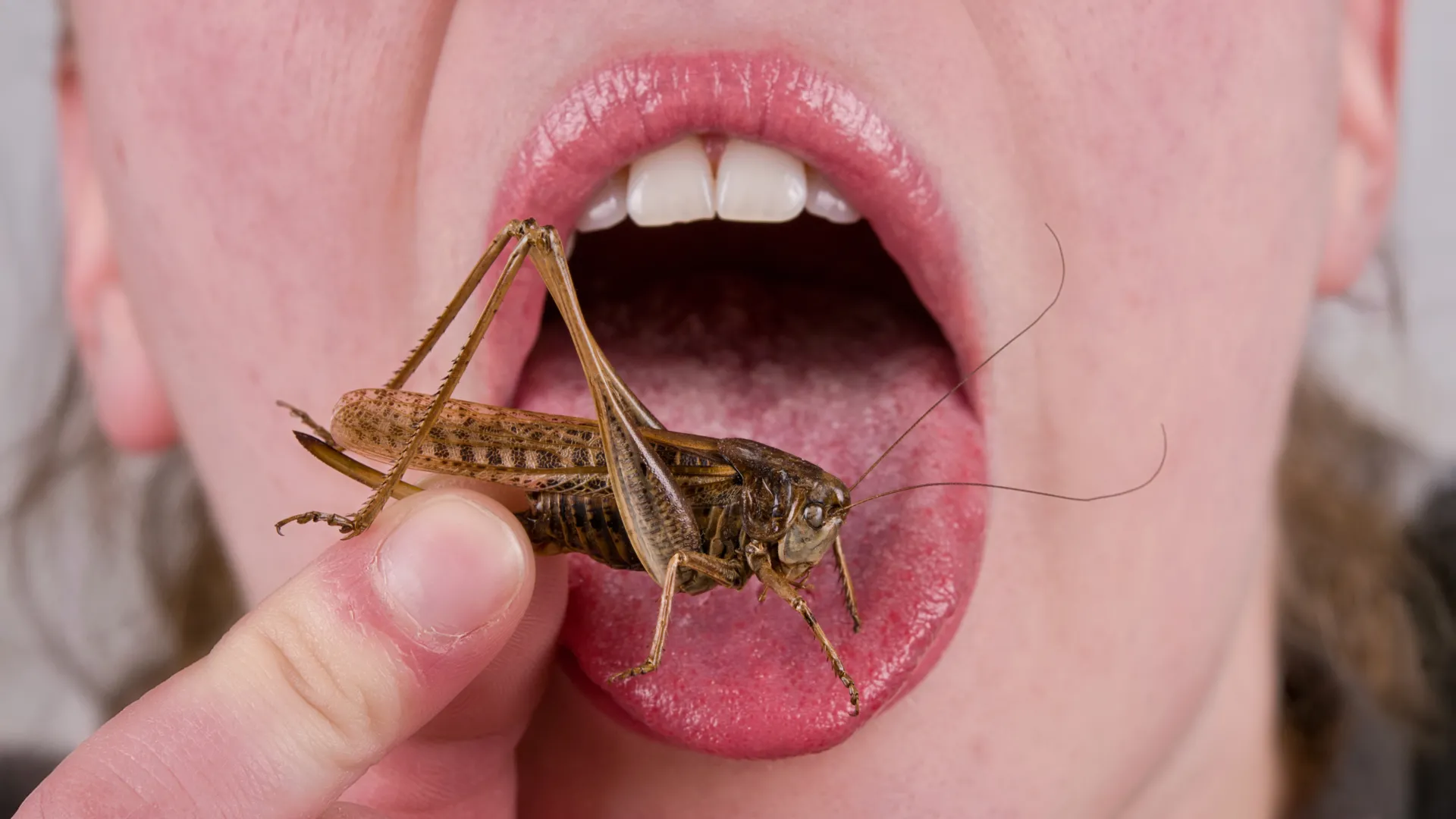
As the global population hurtles toward the ten-billion mark and the dual crises of climate change and biodiversity loss threaten the stability of traditional industrial agriculture, the search for sustainable nutrition has taken a turn toward the unconventional. Amidst the rising interest in lab-grown proteins and plant-based substitutes, one potential solution remains both the most promising and the most polarizing: insects.
While the Food and Agriculture Organization (FAO) of the United Nations has long championed the 1,611 identified edible insect species as a "sustainable food source" capable of mitigating environmental degradation, Western societies remain largely resistant to the concept of entomophagy. For many in North America and Europe, the idea of consuming crickets or larvae triggers a visceral, cultural "yuck factor." However, a groundbreaking study published in Science Advances suggests that this aversion is not merely a modern cultural quirk or a recent religious prohibition. Instead, it is the product of thousands of years of ecological and evolutionary divergence.
Genomic Archaeology: Decoding the Ancient Diet
A team of researchers from the Institute of Evolutionary Biology (IBE)—a joint venture of the Spanish National Research Council (CSIC) and Pompeu Fabra University (UPF)—has fundamentally shifted our understanding of human dietary history. By analyzing the genomic record of ancient human populations, the researchers have reconstructed patterns of insect consumption stretching back over 30 millennia.
To conduct this forensic reconstruction, the team examined 745 samples of dental calculus—calcified dental plaque, commonly known as tartar—from anatomically modern humans and archaic hominids. Dental tartar acts as a "biological time capsule," trapping and preserving DNA from microscopic food particles consumed by the host. By sequencing the genetic material embedded in these ancient layers of calcification, the researchers were able to determine exactly what these individuals were eating, providing a window into the nutritional strategies of our ancestors.
A Chronological Divide: From Neanderthals to Modernity
The study reveals a stark, long-standing divide in the consumption patterns of human ancestors.
The Neanderthal Precedent
The evidence suggests that Neanderthals were significantly more reliant on insects than their anatomically modern human counterparts. The dental calculus of Neanderthal specimens contained high concentrations of insect DNA, mirroring the dietary habits of modern chimpanzees, who utilize insects as a crucial supplemental protein source—particularly during periods of environmental stress, such as droughts.
Most notably, the presence of DNA from the order Diptera—which includes flies and mosquitoes—was ubiquitous in Neanderthal samples. This discovery bolsters a burgeoning hypothesis that Neanderthals may have been "scavengers of opportunity," frequently consuming animal carcasses that were teeming with fly larvae. Furthermore, the prevalence of mosquito DNA suggests that these hominids may have engaged in a form of rudimentary food preservation, storing hunted prey carcasses in ponds or marshy wetlands, where mosquitoes would naturally lay their eggs, effectively "marinating" the protein in a secondary, albeit unintended, insect-based source.
The Rise of Agriculture and the Genetic Shift
In contrast, anatomically modern humans living in northern Eurasia showed minimal evidence of regular insect consumption. The researchers identified a critical genetic marker: the CHIA and CTBS genes, which produce chitinase—the enzyme responsible for breaking down chitin, the rigid, polysaccharide-based material that makes up the exoskeletons of insects.
Among North Eurasian populations, the study identified mutations in these chitinase genes that correlate with a reduced ability to digest insect exoskeletons. This genetic "deactivation" has persisted for approximately 9,000 years, aligning perfectly with the Neolithic transition and the rise of agriculture. As human societies shifted toward sedentary grain farming and livestock domestication, the ecological necessity of foraging for insects diminished. Over nine millennia, the lack of dietary pressure to consume insects led to a natural selection of genetic traits that favored more efficient digestion of grains and domesticated meats, rather than the tougher, chitin-rich shells of insects.
Ecological Determinism: Geography as Destiny
The IBE study highlights that the rejection of entomophagy is deeply rooted in geographic ecology. The researchers found that populations in tropical regions have historically maintained a higher expression of chitin-digesting enzymes.
"Large quantities of insects need to be ingested to compensate for the high caloric expenditure involved in their collection," explains Manuel Piñero, a predoctoral researcher at the IBE and the study’s lead author. "In the tropics, there is a greater availability of social insects, such as termites and locusts. Their biomass and diversity allow for sustainable exploitation throughout the year, which even contributes to pest control."
As human populations migrated into higher latitudes, the ecological equation changed. In non-tropical environments, insects are often seasonal, less abundant, and more difficult to harvest in quantities that would make them a viable primary food source. When the "cost-to-benefit" ratio of foraging for insects fell below the caloric return of other food sources, the practice was abandoned. Over time, this abandonment was codified into our biological makeup.
Implications for Modern Food Security
The findings from the IBE challenge the notion that Westerners only avoid eating insects because they are "squeamish." Instead, the study suggests that the aversion is an evolutionary shadow of a lifestyle that stopped relying on insects nearly 10,000 years ago.
However, the researchers argue that this history need not dictate the future of our food systems. While our ancestors may have lost the genetic "edge" required to digest raw insect exoskeletons, modern industrial technology offers a bypass.
The Role of Industrial Processing
"Modern food production changes that equation," says Pablo Librado, the study’s principal investigator. "Industrial processing can make it possible to use the nutritional benefits of insects without requiring people to directly digest as much of the chitin in their exoskeletons."
By grinding insects into flours, extracting proteins, or utilizing them as a nutrient-dense base for fermented products, the food industry can effectively "pre-digest" the chitin, making the nutritional benefits accessible even to those whose genetics have long since drifted away from insectivory.
Future Research: Domesticating the "Micro-Livestock"
The IBE’s Ancient Population Genomics group is not content with simply explaining the past; they are actively investigating the future of insect domestication. By comparing the genomes of insects currently approved for human consumption with those of wild, pre-domestication populations held in entomological collections, the team is identifying the traits that make certain species better candidates for farming.
"We investigate the evolution of domestication in animals, which also gives us information to improve the exploitation of insects for consumption, both as animal feed and for human consumption," Librado concludes.
Conclusion: A Shift in Perspective
The study provides a profound lesson in the interplay between biology and behavior. Our dietary habits are not just a collection of cultural traditions, but are inextricably linked to the environments in which our ancestors survived. Understanding that the Western "rejection" of insects is rooted in a 9,000-year-old ecological adaptation allows us to move past the cultural shame or superiority often associated with the debate.
As the global food system faces unprecedented pressure, the return of insects to the menu—not as a novelty, but as a staple—may prove to be the most logical step in our evolutionary trajectory. We are not "naturally" averse to eating insects; we are simply survivors of an era where they were no longer the most efficient choice. With the advent of modern food technology, that calculation has changed, and our ancient, flexible human biology may be ready to adapt once again.