For decades, the global scientific community has viewed HIV as a chronic, lifelong adversary. While modern medicine has transformed a once-fatal diagnosis into a manageable condition, the requirement for daily antiretroviral therapy (ART) remains a significant barrier for millions, particularly in resource-limited settings. However, a groundbreaking study led by Oregon Health & Science University (OHSU) has shattered conventional wisdom, suggesting that a strategic, short-term combination of therapies administered shortly after exposure could potentially eliminate the virus entirely.
The study, published in the journal Nature Microbiology, details a successful experiment in nonhuman primates that resulted in the permanent clearance of HIV. This development offers a tantalizing prospect: the possibility of curative interventions for newborns and recently exposed adults, potentially shifting the HIV paradigm from "lifelong management" to "curative treatment."
The Core Discovery: Synergy Against a Global Scourge
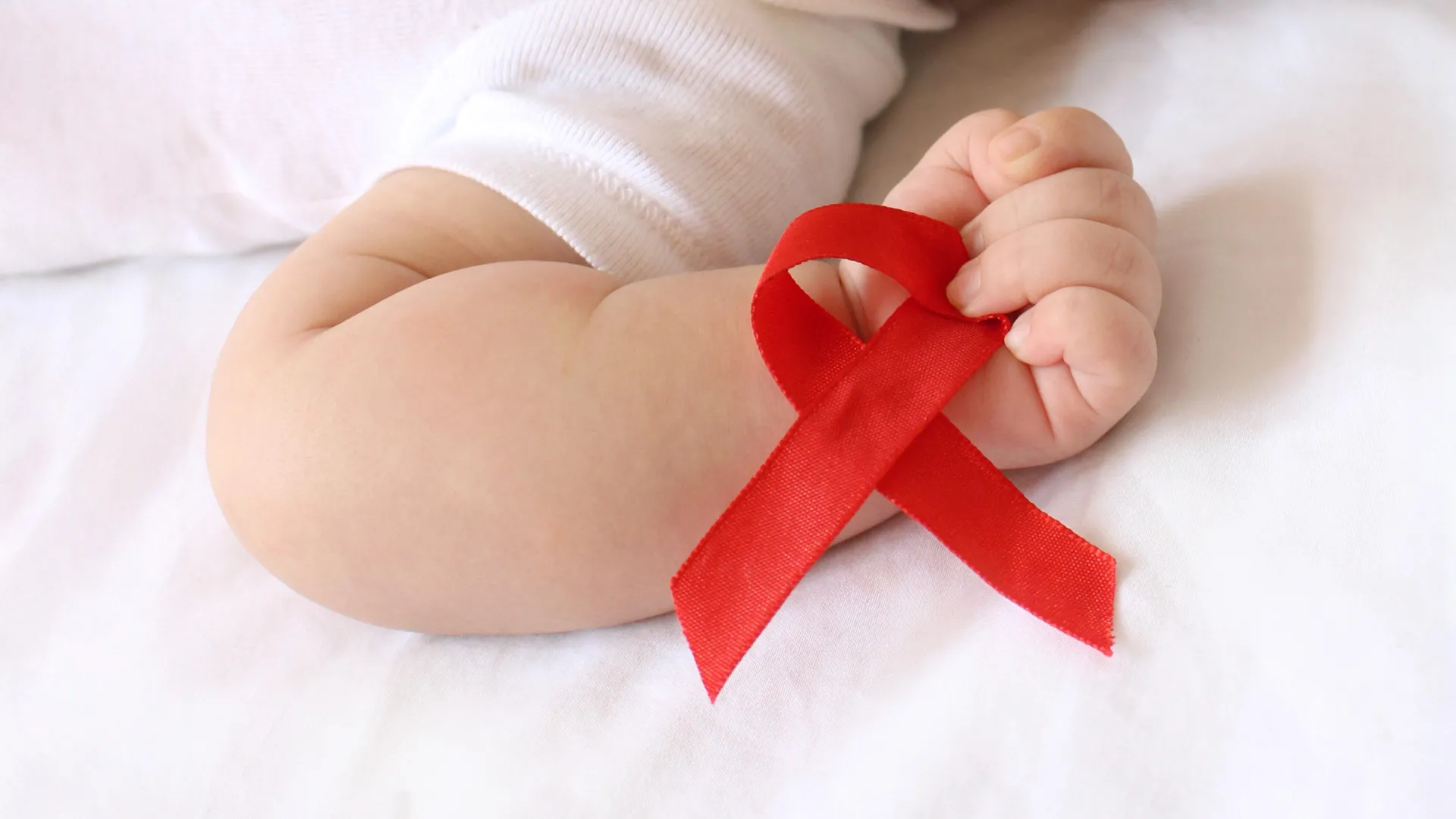
Every year, more than 120,000 infants are born with HIV, beginning a life marked by the necessity of strictly adhered-to medication. For the millions of others living with the virus, the quality of life is tethered to the accessibility and affordability of antiretroviral drugs. The OHSU research team, led by Jonah Sacha, Ph.D., and Nancy Haigwood, Ph.D., hypothesized that the reason previous attempts to "cure" HIV failed was not a lack of potency in the drugs themselves, but rather a lack of coordination.
By combining three distinct therapeutic approaches—standard antiretroviral therapy, broadly neutralizing antibodies, and the experimental monoclonal antibody leronlimab—the researchers achieved a result that had eluded them for years: the complete and permanent eradication of the virus in subjects treated within 72 hours of exposure.
A Chronology of the Scientific Pursuit
The road to this discovery was not linear; it was a multi-year effort involving interdisciplinary collaboration between the Oregon and California national primate research centers.
The Initial Skepticism
For years, Dr. Jonah Sacha, a professor and chief of pathobiology and immunology at OHSU’s Vaccine and Gene Therapy Institute, worked on the development of leronlimab. Leronlimab functions by blocking CCR5, a surface protein that HIV utilizes as a "key" to enter and infect immune cells. While Sacha was optimistic about leronlimab’s ability to prevent infection, he was initially skeptical that combining it with other therapies would yield a "cure" where individual drugs had failed.
The Haigwood Hypothesis
Dr. Nancy Haigwood, a longtime collaborator, virologist, and immunologist with decades of experience studying HIV antibodies, maintained a different perspective. She argued that the virus’s ability to mutate and hide was the primary obstacle. She proposed that by layering multiple mechanisms of action—simultaneously suppressing replication, corralling the virus, and sealing off cellular entry points—they could create a "trap" from which the virus could not escape.
The Experimental Breakthrough
The research team executed a rigorous protocol. They administered the three-part regimen to nonhuman primates for several weeks, starting within three days of initial exposure. The results were immediate and profound. "We were astounded and overjoyed, actually," Haigwood remarked. "It’s a remarkable result." The data indicated that the combination was not merely additive; it was synergistic, meaning the combined efficacy far outweighed the sum of the individual parts.
Mechanisms of Action: How the "Three-Pronged Attack" Works
To understand the success of this regimen, the researchers developed an analogy that demystifies how these three distinct therapies cooperate to purge the body of the virus.
1. Turning Off the Faucet: Antiretroviral Therapy (ART)
ART is the current gold standard for HIV management. While it does not kill the virus outright, it severely limits the virus’s ability to replicate. In the context of the new study, ART acts as the "faucet," slowing the flow of the virus and preventing it from overwhelming the immune system during the early stages of infection.
2. Mopping Up: Neutralizing Antibodies
Once the replication rate is stifled, the "mopping up" process begins. Broadly neutralizing antibodies are introduced to identify and corral circulating viral particles in the blood supply. By neutralizing these particles, the researchers reduce the "viral load" that is available to seed new infection sites throughout the body.
3. Sealing Off: Leronlimab
The final and perhaps most critical component is leronlimab. By blocking the CCR5 receptor, leronlimab functions as a "water-tight valve." Because HIV is biologically "addicted" to using CCR5 to enter host cells, blocking this protein denies the virus its primary gateway. When used in tandem with the other two therapies, it essentially starves the virus of the infrastructure it needs to persist.
The Path Toward Human Clinical Trials
The findings have sparked immediate interest in the potential for human application. The researchers emphasize that because the nonhuman primate model shares significant anatomical and immunological similarities with humans, the leap to clinical trials is a logical and necessary next step.
Target Populations
The researchers envision a two-phased approach to human testing:
- Newborns: Given the urgency of preventing lifelong infection in infants, this group remains the primary focus. The study demonstrates that early intervention is key.
- Recently Exposed Adults: The team plans to test whether this regimen can "reset" the immune system in adults who have been exposed to HIV very recently, potentially stopping the establishment of a chronic reservoir.
The "Golden Window" of Treatment
One of the most pressing questions remaining is the duration of the "treatment window." The current study tested the protocol within a 72-hour period. Future research will need to determine if this efficacy holds if the treatment is administered one week, two weeks, or even a month after exposure. Understanding this temporal limit will be vital for deploying the therapy in real-world settings where immediate post-exposure diagnosis is not always possible.
Implications for the Global HIV Epidemic
Despite decades of medical progress, the HIV epidemic continues to claim approximately 600,000 lives annually. A curative approach would do more than just improve individual patient outcomes; it would fundamentally alter the public health landscape.
If this three-pronged strategy proves successful in humans, it could:
- Reduce the burden on healthcare systems: Eliminating the need for lifelong ART would save billions in long-term drug costs and clinical monitoring.
- Improve quality of life: Patients would no longer face the stigma, side effects, or psychological burden associated with daily medication.
- Break the cycle of transmission: By purging the virus from the body, the treatment would effectively render the patient non-infectious, creating a ripple effect that could drastically reduce new transmission rates.
Research Support and Integrity
The study’s credibility is bolstered by the extensive support provided by the National Institutes of Health (NIH). Funding was distributed across multiple specialized institutes, including the Eunice Kennedy Shriver National Institute of Child Health and Human Development (NICHD) and the National Institute of Allergy and Infectious Diseases (NIAID).
The researchers maintain that while the results are promising, they are not a "quick fix" that is ready for pharmacy shelves today. Rigorous clinical trials are essential to ensure the safety and efficacy of the combination in diverse human populations. The team remains committed to transparent, peer-reviewed research, ensuring that every step toward human trials adheres to the highest standards of scientific ethics.
Concluding Thoughts: A New Frontier
The OHSU study represents a "holy cow" moment in HIV research—a rare instance where a bold hypothesis yields results that challenge the boundaries of what was previously thought possible. By viewing the virus not as an unstoppable force but as a biological process that can be interrupted and starved, Dr. Sacha and Dr. Haigwood have opened a new front in the war against HIV.
While the journey from laboratory success to clinical standard is fraught with challenges, the potential to permanently clear HIV infection in newborns and the recently exposed is a beacon of hope. For the millions of families worldwide waiting for a cure, this research provides the most compelling evidence yet that the era of "lifelong management" may eventually give way to the era of "permanent eradication."