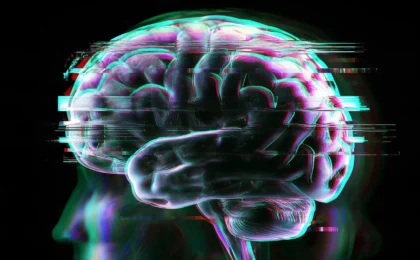
For centuries, the human brain has been viewed by the scientific community as a singular, cohesive masterpiece of biological engineering—a solitary organ arising from a unified developmental blueprint. This foundational assumption, which has anchored textbooks and dictated the methodology of neurological research for decades, is now being fundamentally dismantled.
In a landmark study published September 18 in Nature Neuroscience, a team of researchers led by Stanford Medicine has revealed that the human brain is not a singular construction. Instead, it is a hybrid organ, synthesized from two distinct, ancient nervous systems that evolved separately over hundreds of millions of years before converging into the structure we recognize today. This discovery not only rewrites the narrative of human evolution but provides a critical missing link for scientists struggling to treat devastating neurodegenerative diseases like ALS and spinal muscular atrophy (SMA).
The Shattered Paradigm: Rethinking Development
Under the long-standing "unified model" of brain development, researchers operated on the principle that the entire central nervous system—from the highest centers of abstract thought in the forebrain to the primitive life-support systems in the hindbrain—originated from a single population of progenitor cells. The logic was that because these regions are physically connected in the adult brain, they must share a common lineage.
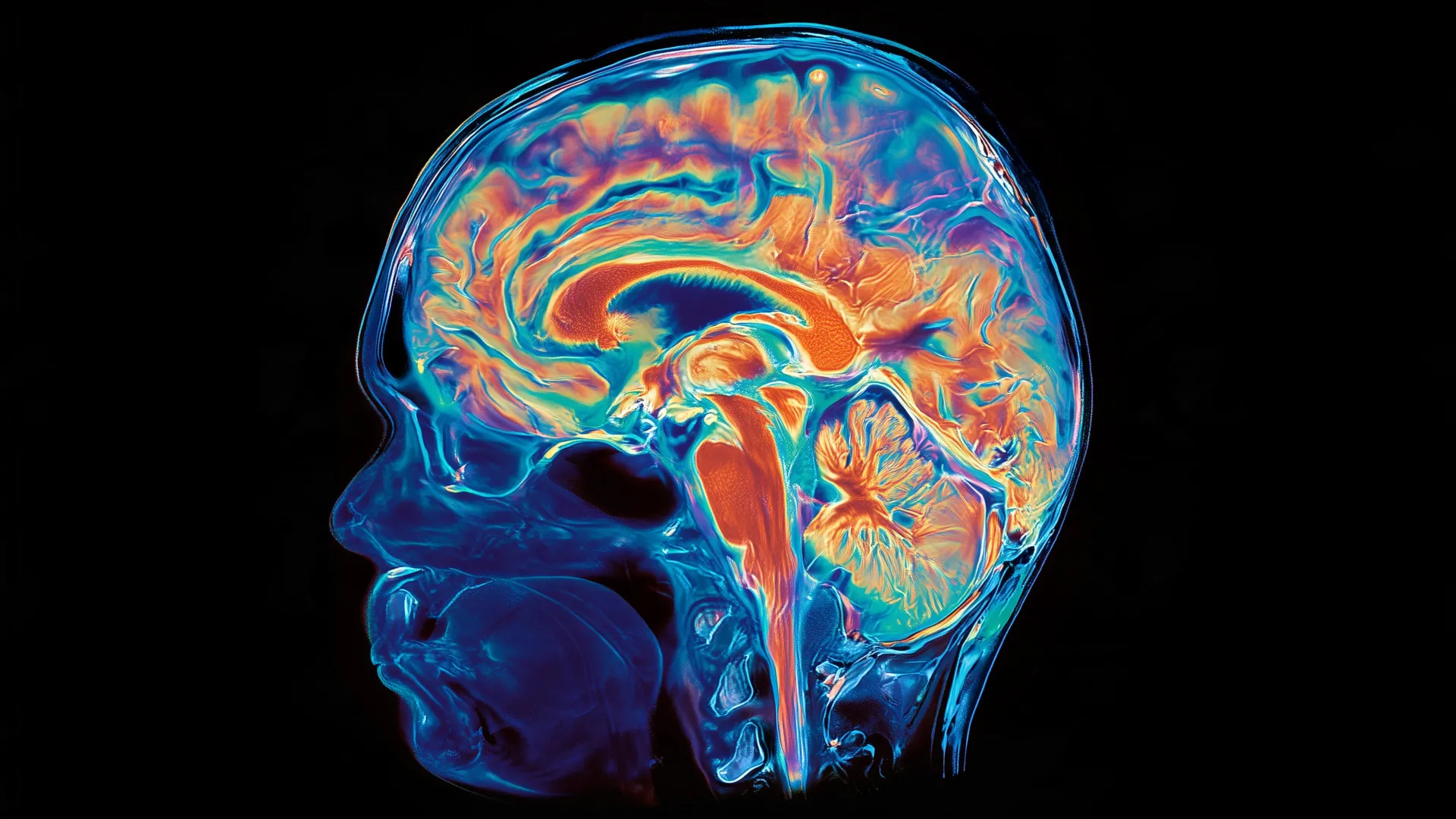
The Stanford team’s findings invert this perspective. Through a rigorous analysis of embryonic development, the researchers discovered that the brain is essentially a "two-piece" system. One developmental pathway gives rise to the forebrain and midbrain, which house our most sophisticated cognitive faculties: language, complex mathematics, consciousness, and self-reflection. The second, entirely independent pathway produces the hindbrain, or brain stem, which governs the rhythmic, subconscious processes required for survival, such as breathing, heartbeat regulation, and the motor functions of the face and throat.
"We’ve shown for the first time that the front of the brain arises from a totally different progenitor cell than the back of the brain," said Kyle Loh, PhD, associate professor of developmental biology at Stanford Medicine and the senior author of the study.
A Chronological Odyssey: 550 Million Years of Evolution
To understand how such a deep biological divide exists, the researchers looked backward through the lens of evolutionary history. Their investigation revealed that this bifurcated development is not a recent innovation but a trait that has persisted for over 550 million years.
Tracing the Split
- The Ancient Divergence: By comparing the developmental pathways of modern vertebrates—including chickens, zebrafish, and even the primitive acorn worm—the team identified the same two-origin arrangement.
- The Jellyfish Clue: The lineage traces back even further. Research into jellyfish, which diverged from the human ancestral line between 600 and 700 million years ago, shows evidence of two distinct nervous systems positioned at opposite ends of the organism.
- The Convergence: The Stanford team hypothesizes that the modern vertebrate brain is the result of evolution pushing two preexisting, autonomous neural networks into close physical proximity. While a single, integrated organ might seem more evolutionarily efficient, the brain remains, at its core, a testament to its primordial roots as two separate pieces fused together by necessity.
The Molecular Mechanism: Otx2 vs. Gbx2
The "Eureka" moment for the research team occurred when they mapped the genetic activity during the earliest stages of embryonic development, known as gastrulation.
Graduate students and co-first authors Carolyn Dundes and Rayyan Jokhai identified two specific gene markers that act as "identity tags" for these distinct neural populations. The forebrain and midbrain are derived from cells expressing the gene Otx2, while the hindbrain arises exclusively from cells expressing Gbx2.
The researchers discovered that these populations remain strictly segregated from the earliest developmental stages. Furthermore, the chromatin—the complex packaging of DNA that dictates gene accessibility—was fundamentally different in the anterior neural ectoderm (future forebrain/midbrain) versus the posterior neural ectoderm (future hindbrain). This chromatin configuration acts as a "developmental gate," committing cells to their respective paths from the very beginning.
"Previous attempts to make hindbrain neurons likely tried to coax forebrain and midbrain progenitors into hindbrain cells, which our study shows is not possible," Jokhai explained. "We were looking for the answer in the wrong place. By focusing on the end product rather than the earliest stages of embryonic development, science had been trying to force a cell to adopt a fate it was biologically incapable of achieving."
Bridging the Laboratory Gap
For decades, the inability to successfully grow human hindbrain neurons in a laboratory setting has been a major "blind spot" in neurology. Without a viable model of these cells, researchers have been effectively flying blind when studying diseases that specifically target the brain stem.
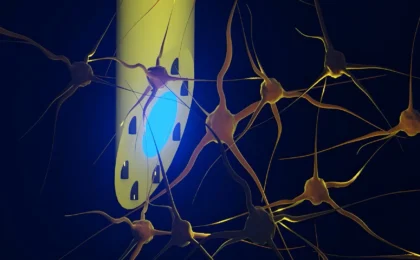
By identifying the correct progenitor pathway, the Stanford team successfully guided human pluripotent stem cells—cells with the potential to become any part of the body—into becoming functional hindbrain motor neurons. These laboratory-grown cells displayed the hallmark behaviors of authentic brain stem neurons: they generated electrical signals, known as action potentials, and expressed the specific proteins responsible for controlling the muscles of the throat, tongue, and face.
This breakthrough provides a high-fidelity, repeatable model for testing hypotheses that were previously impossible to explore outside of a living organism.
Implications for Clinical Medicine and Beyond
The potential impact of this discovery on medical research is profound, particularly concerning diseases that have long remained elusive and incurable.
ALS and Spinal Muscular Atrophy (SMA)
SMA, a leading genetic cause of death in infants, and Amyotrophic Lateral Sclerosis (ALS), a progressive neurodegenerative disorder, both involve the deterioration of hindbrain neurons. As these neurons fail, patients lose the ability to perform basic life functions, including swallowing—which leads to high risks of pneumonia—and, eventually, breathing.
With the ability to generate these specific neurons in a dish, researchers can now observe the onset and progression of these diseases in real time. This "disease-in-a-dish" model allows for the rapid screening of potential therapeutic drugs and the investigation of regenerative therapies, which were previously stalled by the inability to access brain stem tissue from living patients.
Beyond Motor Control: Metabolism and Hunger
The significance of the hindbrain extends into the realm of metabolic health. The brain stem contains critical neural circuits that govern hunger and energy balance—circuits that are currently being targeted by high-profile weight-loss medications like semaglutide. Understanding the specific developmental origin of these circuits could lead to more refined, effective treatments for obesity and metabolic disorders.
The Path Forward
As the scientific community digests these findings, the Stanford team is already looking toward the next frontier. Future research aims to map the developmental origins of the spinal cord and further clarify the mechanisms by which ALS and SMA disrupt the integrity of the hindbrain.
"Now we have a model to better understand these devastating diseases and work toward truly regenerative therapies," Jokhai said. "This is an exciting new chapter in our understanding of what the brain is and how it came to be."
This research, supported by a vast network of institutions including the National Institutes of Health, the California Institute for Regenerative Medicine, and various private foundations, marks a fundamental shift in how we perceive the command center of the human body. It serves as a humbling reminder that beneath the complexity of modern human thought lies an evolutionary history that is far more fragmented, ancient, and intricate than we ever dared to imagine.
By acknowledging that our brain is a dual-system assembly, science has not only solved a long-standing developmental mystery but has opened a new door toward healing the most vulnerable parts of the human nervous system.