For many, the morning ritual is sacred. It is a fragile transition between the quiet of sleep and the demands of the workday, often anchored by a warm cup of coffee and a reliable breakfast. While artisanal bakeries and local patisseries offer exquisite morning treats, the logistical and financial reality of daily visits makes them unsustainable for the average household. Enter the Sam’s Club bakery—a destination that has quietly become a powerhouse of quality, value, and convenience.
With an ever-expanding catalog of baked goods, Sam’s Club has managed to bridge the gap between "grocery store quality" and the crave-worthy indulgence of a professional bakeshop. By leveraging bulk purchasing power and maintaining a consistent production cycle, the warehouse giant offers a selection that has earned a devoted following. Below, we examine the five premier breakfast pastries available at Sam’s Club, analyzing their culinary profiles, value propositions, and the secret to maximizing their shelf life.
The Main Facts: Why Warehouse Bakeries Are Winning
The popularity of Sam’s Club’s bakery items is not merely a result of convenience; it is driven by a sophisticated supply chain and an emphasis on consistent, crowd-pleasing recipes. The "Member’s Mark" private label has been instrumental in this success, allowing the retailer to control the ingredients and baking specifications.
The Value Proposition
At a time when inflation has significantly impacted the hospitality and food sectors, Sam’s Club remains a bastion of affordability. Many of their staple pastry items—such as croissants and Danishes—clock in at under 50 cents per serving. This price point allows households to maintain a stocked pantry without the premium markup associated with smaller retailers or neighborhood cafes.
The Quality Factor
The misconception that "bulk" equates to "bland" is rapidly fading. Through the use of real butter and high-quality chocolate, the Member’s Mark line has achieved a texture profile that mimics traditional pastry techniques. By utilizing frozen-to-oven technologies and high-volume local baking, the items arrive on the shelves with the structural integrity and moisture levels expected by discerning consumers.
Chronology: The Evolution of the Sam’s Club Bakery
The rise of the warehouse bakery did not happen overnight. Over the past decade, Sam’s Club has aggressively pivoted its bakery strategy to compete directly with high-end grocery chains and even local boutique bakeries.
- 2020-2022 (The Shift): As consumer habits changed during the pandemic, the demand for "home-based luxury" increased. Sam’s Club responded by diversifying their pastry offerings, moving beyond basic bread loaves to more complex, laminated dough items.
- 2023-2024 (The Quality Surge): The introduction of the Member’s Mark Chocolate Croissants signaled a turning point. By focusing on ingredient transparency—specifically the inclusion of premium semi-sweet chocolate bars—the retailer began winning over skeptics who previously relied on local bakeries.
- 2025-2026 (Refinement): The current era is defined by variety and consumer-driven feedback. The inclusion of the Danish Variety Pack and the solidification of the "All Butter" brand identity for their croissants represent a maturation of their product line, focusing on textures that hold up even after being stored in a home freezer.
Supporting Data: The Five Must-Have Pastries
1. Member’s Mark Chocolate Croissants
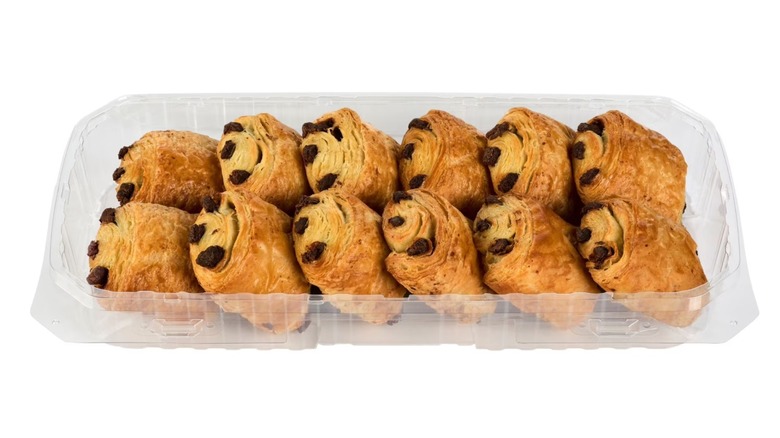
These are widely considered the "gold standard" of the Sam’s Club bakery. Each pastry features a complex, flaky dough structure that encases three distinct bars of semi-sweet chocolate.
- Consumer Sentiment: Viral TikTok trends and high-volume sales suggest these have become a pantry staple.
- Economic Impact: At roughly $5.54 for a 12-count box, the cost per unit is approximately 43 cents—a fraction of the price of a standard Parisian-style pain au chocolat.
2. Member’s Mark Danish Variety Pack
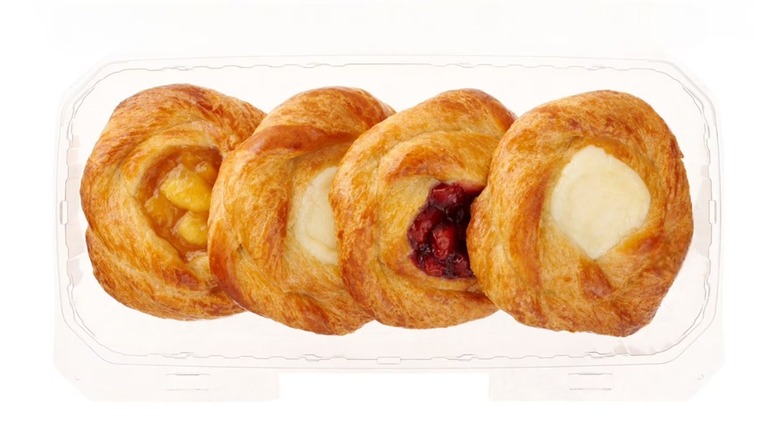
This pack serves as the ultimate "crowd-pleaser," offering cheese, apple, and cherry variations.
- Key Ingredient: The use of real butter is a defining factor in the dough’s success, ensuring a soft, rich crumb rather than the dry, cake-like texture often found in budget-brand Danishes.
- The "Pro Tip": Because the cheese Danish is the most popular, the inclusion of fruit-based options ensures that no item goes to waste, appealing to a wide range of flavor preferences.
3. Duchess Honey Buns
While the store-brand items dominate the bakery section, the Duchess Honey Buns represent a triumph of the "nostalgic snack" category.
- Differentiation: Unlike the yeast-heavy cinnamon rolls, these buns offer a chewier, denser bite that is significantly enhanced by a quick 10-second blast in the microwave.
- Consumer Feedback: Fans frequently cite the superior icing-to-cake ratio compared to national competitors, making these a "must-buy" for households with children or those seeking a grab-and-go convenience.
4. Member’s Mark Tart & Sweet Apple Turnovers
These represent the "dessert-as-breakfast" category. The turnover shell is engineered to remain crisp even after the fruit filling is added.
- Customization: One of the greatest benefits of this product is its versatility. Whether served warm with a scoop of vanilla ice cream or a dollop of whipped cream, they function as a sophisticated brunch item that belies their low cost (approx. $5.98 for eight).
5. Member’s Mark All Butter Sandwich Croissants
The workhorse of the Sam’s Club bakery, these croissants are designed for utility.
- Structural Integrity: They are specifically formulated to hold up under the weight of eggs, bacon, cheese, or ham, making them the superior choice for breakfast sandwiches.
- Storage Efficiency: Because they freeze remarkably well, they are the ideal item for the "stock-up" shopper. A dozen can be portioned out over the course of a month, maintaining their flavor profile through proper sealing.
Official Responses and Industry Context
While Sam’s Club rarely releases internal sales data regarding specific items, their marketing shift toward "bakery-fresh" branding indicates a concerted effort to capitalize on the "at-home cafe" trend. Industry analysts suggest that the strategy of "bulk-case purchasing"—where members can request full, unopened cases from the bakery staff—is a deliberate tactic to encourage higher volume turnover while reducing the labor cost of individual packaging.
This, in turn, keeps the price point low, creating a positive feedback loop that benefits both the retailer’s inventory management and the consumer’s wallet.
Implications for the Modern Household
The Economics of the Freezer
The biggest implication of the Sam’s Club bakery model is the democratization of the freezer-to-table breakfast. By understanding how to store these items (using airtight freezer bags or vacuum-sealing), families can effectively eliminate the "waste factor" that often haunts bulk shoppers. The ability to refresh a frozen croissant in a toaster oven or air fryer for five minutes creates an experience that is effectively indistinguishable from a fresh bakery purchase.
Lifestyle Shift: The End of the Daily Commute Stop
The rise of these high-quality, low-cost pastries has significant implications for consumer spending habits. The "coffee shop tax"—the daily $5 to $8 spent on a coffee and a pastry—is being systematically dismantled by shoppers who realize they can achieve a 90% quality match at home for less than a dollar.

Conclusion: A New Standard
The Sam’s Club bakery is no longer just a place to pick up a sheet cake for a birthday. It has evolved into a strategic resource for the modern home chef. By curating a selection that balances decadence (the Chocolate Croissants) with utility (the Sandwich Croissants) and nostalgia (the Honey Buns), Sam’s Club has secured its place in the morning routines of millions. For the cost-conscious shopper, the strategy is simple: join, stock up, freeze, and savor. In an era of rising food costs, these five pastries prove that you do not have to sacrifice quality to maintain a budget-friendly breakfast.