In a significant leap forward for neurological medicine, researchers at the Centre for Addiction and Mental Health (CAMH) have identified what may be the most compelling biological evidence to date regarding the debilitating nature of long COVID. A new study, published in the peer-reviewed journal eBioMedicine, suggests that the persistent cognitive and physical impairments experienced by millions—ranging from profound fatigue to memory lapses—are linked to tangible damage within the brain’s dopamine-releasing neurons.
This discovery moves the conversation around long COVID from the realm of "invisible illness" to a condition characterized by specific, measurable neurobiological injury. By identifying the dopamine system as a primary target of the virus’s long-term effects, scientists are not only validating the lived experiences of patients but are also opening a concrete pathway toward evidence-based therapeutic interventions.
Main Facts: The Anatomy of an Invisible Crisis
Long COVID, a condition affecting an estimated five percent of the global population—including approximately two million Canadians—remains one of the most enigmatic health challenges of the post-pandemic era. Defined by symptoms that persist for at least three months following an initial SARS-CoV-2 infection, the condition manifests in a constellation of ways, most notoriously through brain fog, executive dysfunction, and chronic, treatment-resistant fatigue.
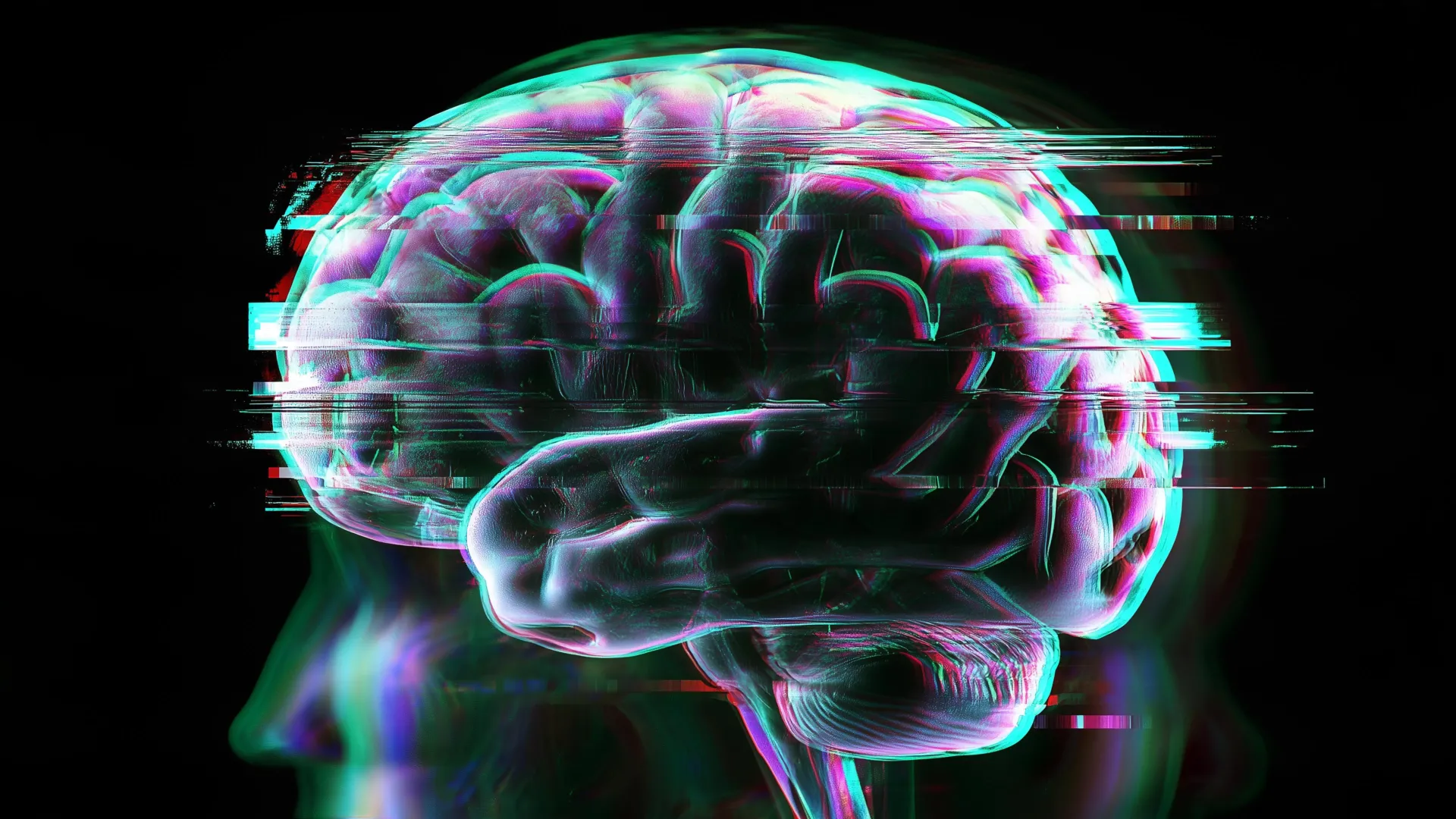
The CAMH study, led by Dr. Jeffrey Meyer, Senior Scientist at the Brain Health Imaging Centre, utilized advanced positron emission tomography (PET) imaging to peer into the brains of individuals suffering from post-COVID symptoms. By comparing these subjects to healthy control groups, the team tracked a specific marker of dopamine neuron integrity. The results were stark: participants with long COVID exhibited substantially lower levels of this marker across all major regions of the striatum—a critical hub for regulating movement, motivation, and complex cognitive processing.
The correlation between these biological markers and patient symptoms was precise:
- Ventral Striatum: Lower dopamine marker levels here directly correlated with a marked loss of motivation.
- Dorsal Putamen: Reductions in this area were linked to physical motor slowing.
- Caudate Putamen: Diminished integrity in this region was connected to the persistent memory difficulties reported by patients.
These findings suggest that long COVID is not merely a transient immune response, but a structural disruption of the brain’s chemical messaging system.
Chronology: From Inflammation to Neuronal Loss
The path to this discovery has been a methodical, two-stage investigation by Dr. Meyer’s team. To understand the current breakthrough, one must look at the progression of their scientific inquiry.
The Foundation: The Inflammation Hypothesis
Before identifying the loss of dopamine neurons, the research team focused on neuroinflammation. Earlier studies conducted by the same group revealed that the brains of long COVID patients were in a state of chronic, heightened inflammatory activity. Crucially, this inflammation was not randomly distributed; it was most pronounced in the very regions of the brain densely populated by dopamine-releasing neurons.
The Synthesis: Establishing Causality
The current study represents the second phase of this work. By demonstrating that the reduction of dopamine markers occurs specifically in those same inflamed regions, the researchers have established a "smoking gun" connection. The team posits that chronic neuroinflammation acts as the catalyst, eventually leading to the degradation or injury of dopamine nerve terminals. This chronological sequence—from initial immune-driven inflammation to subsequent neuronal damage—provides a coherent biological narrative for why symptoms in long COVID patients are so persistent and difficult to reverse.
Supporting Data: The Striatal Disruption
The significance of the striatum cannot be overstated. As the brain’s "control center" for movement and reward, its function is dependent on a steady, precise release of dopamine. When the density of dopamine nerve terminals is reduced, the brain loses its ability to effectively signal "effort" or "reward," which explains the profound lack of motivation often mischaracterized as depression or laziness in patients.
In the PET scan analysis, the reduction in marker levels was not marginal; it was substantial. This quantitative data provides a baseline that future clinical trials can use to measure the success of potential treatments. By moving from qualitative symptom reporting to quantitative imaging, the CAMH team has provided a metric that the medical community can use to standardize long COVID diagnosis and monitoring.
Official Responses: Validating the Lived Experience
The impact of this study extends far beyond the laboratory; for the millions of people who have felt their concerns dismissed by the medical establishment, these findings offer a profound sense of validation.
Susan Deuville, a lived experience research advisor who worked alongside Dr. Meyer, described the trauma of her five-year journey with the condition. "For five years I have been seeking answers on what happened to me after I contracted COVID in 2021," Deuville stated. "It was a crushing loss of the life I had and the person I was before. The research of Dr. Meyer brings hope. It also validates what long COVID sufferers have always known—long COVID is real and the effects are devastating."
Dr. Meyer echoes this sentiment, emphasizing that the medical community’s role is to bridge the gap between patient suffering and clinical reality. "Our findings provide compelling evidence that long COVID involves the loss of dopamine-releasing neurons," says Dr. Meyer. "This kind of injury is well known to produce symptoms like lack of motivation and motor slowing, and may contribute to memory difficulties in other neurological conditions."
Implications: A New Era for Treatment
The implications for clinical practice are transformative. Until now, the medical community has struggled to treat long COVID because there has been no consensus on the underlying mechanism. Many therapeutic approaches have focused on broad immune-modulating drugs, which have met with varying degrees of success.
Pivoting Toward Dopamine
The identification of the dopamine system as a core target changes the strategy. Rather than continuing to treat long COVID solely as an inflammatory or immune-based disorder, the study suggests that researchers should begin investigating pharmacological agents that support dopaminergic health.
Dr. Meyer suggests that "repurposing medications that augment the function of dopamine-releasing neurons, including dopamine precursors and inhibitors of dopamine metabolism, could be a promising approach." This opens the door to existing medications—often used in Parkinson’s disease or other movement disorders—that could potentially "boost" the remaining dopamine function in long COVID patients, potentially alleviating the most severe cognitive and motor symptoms.
The Road Ahead: Clinical Trials
The most critical implication is the upcoming clinical trial, slated to begin within the next few months. This trial, a collaborative effort between CAMH and the University Health Network (UHN), marks a milestone in inter-institutional cooperation. By aligning mental and physical health expertise, the trial will aim to determine if modifying dopamine activity can directly improve memory, motivation, and fatigue levels in patients.
If successful, this trial could represent the first evidence-based, targeted treatment for long COVID. Furthermore, it serves as a model for future research, demonstrating that when high-resolution imaging is paired with patient-centered advocacy, the "invisible" wounds of chronic disease can finally be brought into focus.
The research, supported by the Canadian Institutes of Health Research (CIHR), serves as a beacon of progress. It transforms the narrative of long COVID from a mystery of systemic fatigue into a manageable, biological challenge—one that, with the right pharmacological intervention, may finally offer patients a path back to the lives they once knew.