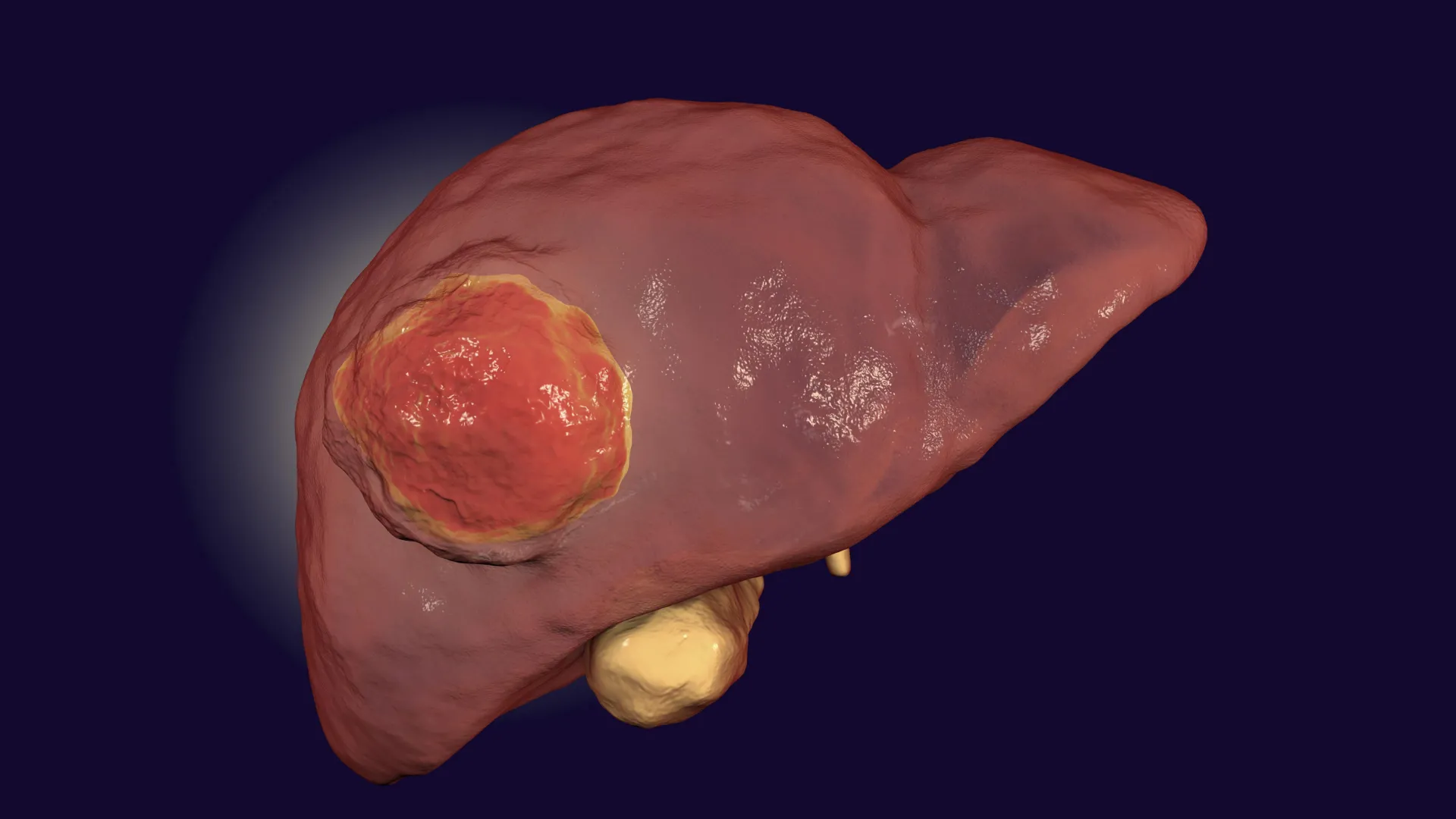
In the landscape of oncology, few diagnoses are as daunting as fibrolamellar carcinoma (FLC). A rare, aggressive form of liver cancer that predominantly strikes children and young adults, FLC has long been a clinical enigma. It is a disease defined by its resistance, often remaining indifferent to the modern marvels of immunotherapy that have transformed outcomes for other cancer types.
However, a landmark study published in the journal Gastroenterology has fundamentally shifted our understanding of this malignancy. By leveraging cutting-edge genomic technology, researchers have identified a specific mechanism that allows FLC to "cloak" itself from the immune system. More importantly, the team has identified an FDA-approved drug that could potentially dismantle this defense, offering a long-awaited glimmer of hope for patients with few remaining options.
The Clinical Challenge: Why Fibrolamellar Carcinoma Defies Conventional Therapy
Fibrolamellar carcinoma accounts for approximately 2% of all liver cancer cases. Unlike hepatocellular carcinoma, which is frequently associated with cirrhosis or chronic hepatitis, FLC typically appears in the livers of young, healthy patients who have no prior history of liver disease. Because the tumor is often asymptomatic in its early stages, it is frequently discovered only after it has metastasized, severely complicating surgical intervention and diminishing the long-term survival prospects of patients.
For years, the gold standard of modern oncology—immune checkpoint inhibition—has largely failed these patients. These therapies are designed to "release the brakes" on the body’s T cells, allowing them to recognize and eliminate cancerous growths. While this approach has revolutionized the treatment of melanoma, lung, and kidney cancers, FLC has remained stubbornly resistant. Until now, the scientific community struggled to explain why these T cells, which are perfectly capable of killing cancer elsewhere in the body, were rendered ineffective in the presence of an FLC tumor.
Decoding the Tumor Microenvironment: A Technological Triumph
To understand why FLC tumors remain invisible to the immune system, researchers turned to a sophisticated methodology known as single-nucleus transcriptomics. This high-resolution imaging technique allows scientists to isolate the nucleus of individual cells within a tumor, providing a granular view of gene expression.
"It wasn’t until we were able to use this technology that the picture of the tumor microenvironment began to clear up for us," explained Andreas Stephanou, a co-first author of the study and a doctoral candidate at Cornell University. By mapping the genetic activity of thousands of cells, the team was able to observe how the tumor interacts with its surrounding biological landscape.
The research was spearheaded by a multidisciplinary team led by Praveen Sethupathy, professor of physiological genomics at Cornell’s College of Veterinary Medicine, and Dr. Venu Pillarisetty, a surgical oncologist at the University of Washington. Their findings revealed that the tumor is not merely a collection of cancer cells; it is an architect of its own protection.
The Mechanism of Exclusion: How Tumors Trap Immune Cells
The core discovery of the study centers on the phenomenon of "T-cell exclusion." The researchers observed that FLC tumors actively manipulate their environment to prevent immune cells from infiltrating the tumor core.
FLC is named for the thick, fibrous bands of collagen that weave through the tumor tissue—a hallmark diagnostic feature. For decades, the exact role of these bands remained a mystery. The study revealed that these structures are manufactured by "stellate cells"—normal liver cells that the cancer essentially hijacks. Once reprogrammed by the tumor, these stellate cells begin producing excessive fibrous proteins, constructing a physical and chemical barricade.
Crucially, the study found that these altered stellate cells do more than just build a physical wall; they communicate with T cells. Through specific chemical signaling, they lure T cells away from the cancer cells and into the fibrous bands, where the immune cells become trapped and neutralized. Effectively, the tumor creates a "no-go zone" for the very cells that are programmed to destroy it.
A Repurposed Solution: The Promise of AMD3100
With the mechanism of exclusion identified, the research team asked a pivotal question: Could this signaling process be blocked?
They turned their attention to AMD3100, a drug already approved by the U.S. Food and Drug Administration for other medical purposes. In a series of laboratory experiments using slices of actual patient tumor tissue, the team tested whether AMD3100 could disrupt the communication between the stellate cells and the T cells.
The results were striking. When treated with AMD3100, the T cells were no longer diverted to the fibrous bands; instead, they were successfully guided back into the heart of the tumor. When the researchers combined AMD3100 with immune checkpoint inhibitors, they observed a synergistic effect: the T cells regained their ability to recognize the cancer, resulting in a significant increase in tumor cell death.
"Our results provide among the first indications of why a type of immunotherapy called immune checkpoint inhibition hasn’t worked well in these patients," said Professor Sethupathy. "Even if this particular drug isn’t the end-all-be-all, it teaches us that this T-cell exclusion phenomenon is an important one to tackle in fibrolamellar carcinoma."
Implications for Future Clinical Practice
The fact that AMD3100 is already FDA-approved represents a massive shortcut in the typically arduous drug development process. Because the drug’s safety profile is already documented, the path to clinical trials is significantly shorter than it would be for a brand-new experimental compound.
Potential Benefits:
- Reduced Risk: Clinicians are working with a known entity, meaning the side-effect profile is better understood than that of a novel drug.
- Accelerated Timeline: The regulatory hurdles for repurposing an existing drug are generally lower, potentially allowing for pilot clinical trials to begin much sooner.
- Synergistic Efficacy: The study suggests that combination therapy—using the drug to "unlock" the tumor and immunotherapy to "attack" it—is the most promising route forward.
The research team is now actively seeking liver cancer specialists and clinical partners to translate these laboratory findings into human trials.
Official Responses and Scientific Context
The study was supported by the Fibrolamellar Cancer Foundation, an organization dedicated to finding a cure for this rare disease. The collaboration between Cornell’s genomics experts and the University of Washington’s surgical oncology department underscores the necessity of interdisciplinary research in tackling rare, complex cancers.
Dr. Venu Pillarisetty, co-senior author of the study, noted that while the findings are promising, they also underscore the importance of understanding the tumor microenvironment in other "cold" or non-responsive cancers, such as pancreatic and prostate cancers. The "trapping" mechanism observed in FLC might well be a shared feature among many tumors that have historically resisted immunotherapy.
As the scientific community digests these findings, the focus remains on the patients. For a young adult diagnosed with FLC, the current standard of care is often limited and fraught with uncertainty. The identification of a potential chemical "key" to open the tumor’s defenses could, in the near future, transform a previously fatal diagnosis into a manageable condition.
"A compelling feature of this work is that AMD3100 is already FDA-approved," Sethupathy reiterated. "It brings us one step closer to providing patients with the options they so desperately need."
Conclusion: A New Frontier in Oncology
The study serves as a testament to the power of modern genomic tools to demystify complex diseases. By shifting the focus from the cancer cell itself to the "tumor microenvironment"—the ecosystem in which the cancer thrives—researchers have found a vulnerability that was previously hidden in plain sight.
While the journey from laboratory success to clinical standard-of-care is rarely linear, the identification of a mechanism for T-cell exclusion and a viable pharmacological way to bypass it is a major victory. For those living with fibrolamellar carcinoma, this discovery marks a departure from a long era of stagnation, signaling that the barrier protecting these aggressive tumors may finally be coming down.
Co-first authors of the study included Jason Carter and Lindsey Dickerson from the Pillarisetty laboratory at the University of Washington, alongside Andreas Stephanou from Cornell. Bo Shui, a senior research associate in the Sethupathy laboratory, also contributed significantly to the research efforts.