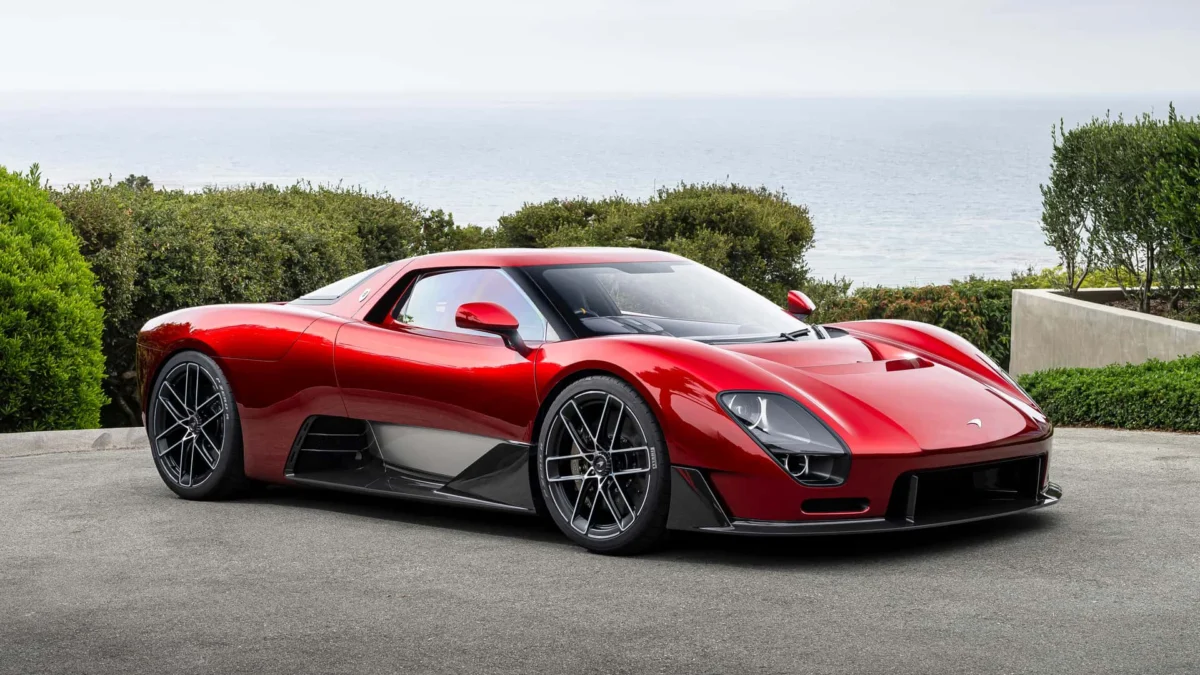
In the fast-paced world of automotive manufacturing, where multi-billion dollar R&D budgets and aggressive market competition often dictate the trajectory of a brand, the origins of a company can sometimes become obscured by the sheer volume of technical specifications and performance data. However, McLaren Automotive is currently leaning into its history with a renewed sense of vigor.
Following the recent unveiling of a modernized brand identity, the British supercar manufacturer has filed trademark applications for two evocative, historically significant names: "Remuera" and "Muriwai." These filings, submitted to the UK Intellectual Property Office in late 2026, have ignited speculation across the automotive industry. While the company has yet to confirm whether these names will adorn the fenders of future production vehicles, they serve as a profound testament to the company’s ongoing efforts to anchor its high-tech future in the humble, grease-stained origins of its founder, Bruce McLaren.
A Legacy Etched in History
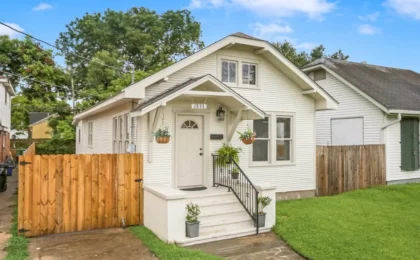
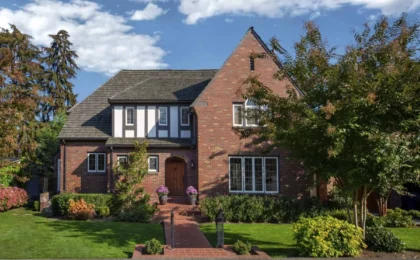
To understand the significance of these filings, one must look back to the early 1950s in Auckland, New Zealand. Bruce McLaren, a name now synonymous with Formula 1 dominance and world-class hypercars, was not born into a corporate empire. He was the son of Les and Ruth McLaren, who operated a small, bustling service station in the Auckland suburb of Remuera.
It was within the confines of this family garage that Bruce’s mechanical genius was forged. Long before he was conquering the world’s most prestigious circuits, he was learning the delicate dance of internal combustion, torque, and chassis balance. The garage served as his classroom, his laboratory, and his proving ground.
"Muriwai," meanwhile, represents the moment that passion turned into a career. In 1952, at the tender age of 15, Bruce McLaren took the wheel of an Austin Ulster—meticulously prepped by his father in that same Remuera garage—to compete in the Muriwai Beach hillclimb. It was his first foray into competitive racing, a debut that would set the trajectory for a life defined by speed. Years later, as his international racing career flourished, Bruce would honor those beginnings by naming his English home "Muriwai," a permanent reminder of the New Zealand soil where his competitive spirit was first ignited.
Chronology of a Brand Refresh
The recent flurry of activity surrounding the McLaren brand began in earnest on September 22, 2026, when the company officially debuted a new wordmark. This design was not a radical departure created by a boutique branding firm, but rather a nostalgic reclamation. The new lettering is a direct homage to the sign that once hung above the McLaren family service station in New Zealand.
The trademark filings for "Remuera" and "Muriwai" followed just one day later, on September 21, 2026. This proximity in timing suggests a coordinated effort to align the brand’s visual identity with its narrative heritage.
- 1952: Bruce McLaren competes in the Muriwai Beach hillclimb, his racing debut.
- 1960s-70s: The rise of McLaren as a global force in Formula 1 and Can-Am racing.
- 1981: Introduction of the "McLaren International" logo, featuring the iconic Speedmark.
- September 2026: McLaren unveils a new wordmark inspired by the family garage signage.
- September 2026: Formal trademark applications for "Remuera" and "Muriwai" are lodged with the UK Intellectual Property Office.
This timeline indicates that the brand is moving toward a more holistic storytelling approach. By connecting the new visual language of the company to the specific geography of its founder’s youth, McLaren is attempting to humanize the "machine-first" reputation that often accompanies high-performance supercar manufacturers.
The Strategy Behind the Trademarks
Industry observers have been quick to question whether these names are destined for the next generation of McLaren supercars. Currently, the company utilizes a strict alphanumeric naming convention, such as the 750S or the Artura. These names communicate performance metrics and technical tiers, providing consumers with a clear hierarchy of capability.
However, the automotive landscape is shifting. Many luxury and high-performance brands are moving away from purely technical labels in favor of more evocative, emotional monikers that build a stronger connection with the owner. Could "Remuera" or "Muriwai" replace the cold, clinical alphanumeric system?
According to internal communications and industry reports, the company has not linked these names to any specific vehicle program or badge. It is common practice for major manufacturers to register trademarks for names that may never reach production. These "defensive" or "exploratory" filings allow a company to secure its intellectual property while keeping their long-term product roadmap flexible.
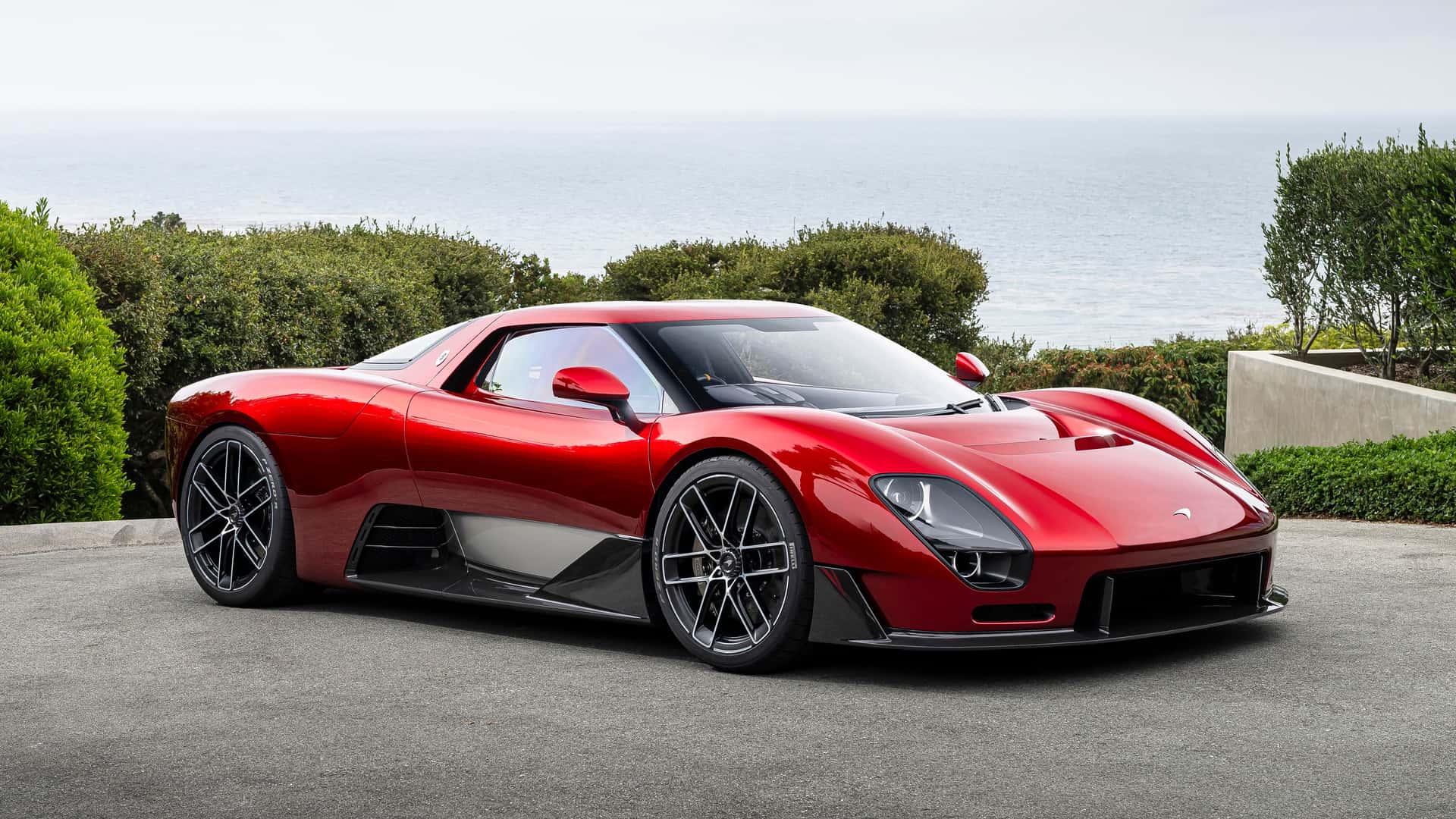
Despite this, the naming choices are far from random. They represent a deliberate pivot toward the company’s founder. In an era of electrification and autonomous driving, where the "soul" of a car is often debated, anchoring a vehicle to a tangible, historical location like a family garage in New Zealand adds a layer of authenticity that is difficult for competitors to replicate.
Official Stance and Market Implications
McLaren has been careful to manage expectations regarding the new trademarks. While they are confirmed to be part of the brand’s broader identity refresh, the company has emphasized that the new wordmark is the only confirmed change for the immediate future.
The company’s leadership has consistently described the identity update as a refinement rather than a revolution. The iconic Speedmark, the vibrant Papaya Orange branding, and the legendary "Speedy Kiwi" emblem remain integral parts of the McLaren identity. By keeping these elements intact, McLaren is ensuring that while it evolves, it remains grounded in the legacy that Bruce McLaren established more than half a century ago.
For potential customers and collectors, the move serves as a subtle marketing signal. It suggests that future McLarens will not just be faster or more efficient, but will be presented as part of an ongoing lineage of innovation. By invoking the names "Remuera" and "Muriwai," McLaren is inviting its clientele to be part of a narrative that stretches from a small-town garage in New Zealand to the cutting edge of automotive engineering.
Implications for the Future
The decision to trademark these names provides a window into the long-term thinking of the Woking-based manufacturer. It suggests a future where McLaren seeks to move beyond the constraints of being a "track-focused" brand and toward being a "lifestyle and legacy" brand.
Should these names be used for future models, they would likely denote special editions, limited-run hypercars, or perhaps even a new class of grand tourers. Using a name like "Muriwai" for a high-performance vehicle would create a powerful association with agility and historical grit, while "Remuera" could denote a more refined, heritage-inspired vehicle that emphasizes craftsmanship.
Moreover, this branding strategy allows McLaren to grow into new market segments without diluting its core identity. If the company decides to explore different types of vehicles, having a stable of names rooted in the founder’s life allows them to maintain a consistent theme of "origins and ambition" regardless of the vehicle’s specific application.
Conclusion: A Brand with a Memory
The filings for "Remuera" and "Muriwai" are more than mere paperwork; they are a declaration of intent. They suggest that McLaren is looking backward to move forward. In a segment of the market that is often preoccupied with the next 0-60 time or the latest carbon fiber weave, McLaren is choosing to highlight the human element of its story.
While the automotive world waits to see if these names will grace a future chassis, the underlying message is clear: McLaren is not just a company that makes cars. It is a brand with a deep, personal history that it is now ready to share more explicitly with the world. Whether or not we see a "McLaren Muriwai" in a showroom anytime soon, the fact that these names are now part of the company’s official corporate lexicon ensures that the legacy of a young Bruce McLaren in a New Zealand garage will continue to inspire the next generation of engineers, designers, and drivers.
For now, the garage door remains closed, but the story of how a small-town mechanic changed the world of racing is being written into the very fabric of the brand’s identity—a reminder that the most powerful engines often start with the simplest of dreams.