Boston, Massachusetts, is a city where the echoes of the American Revolution harmonize with the cutting-edge hum of modern innovation. Often affectionately dubbed "Beantown"—a nod to its historical penchant for slow-cooked molasses beans—the city is far more than its colonial legacy. It is a metropolitan powerhouse that balances the intellectual rigor of the Ivy League with the blue-collar passion of professional sports, all framed by an Atlantic coastline that has dictated the city’s character for nearly four centuries.
For those considering a transition to this historic hub, the decision to relocate often hinges on the city’s unique ability to feel both intimate and expansive. From the cobblestone alleys of the North End to the glass-fronted laboratories of Kendall Square, Boston offers a quality of life that is difficult to replicate. Below, we examine the fundamental pillars that make Boston an enduring choice for residents, supported by local expertise and data-driven insights.
1. The Infrastructure of Accessibility: A Walker’s Paradise
One of the most compelling arguments for life in Boston is the liberation from the modern suburban requirement of a personal vehicle. Boston is frequently cited as one of the few truly walkable cities in the United States. With a Walk Score of 98, the city is designed for the pedestrian.
The Massachusetts Bay Transportation Authority (MBTA), affectionately known as "The T," serves as the city’s lifeblood. By integrating subway lines, buses, commuter rails, and even ferries, the MBTA allows residents to traverse the city and its surrounding suburbs with minimal friction. This accessibility not only reduces the financial burden of car ownership, insurance, and parking but also significantly lowers an individual’s carbon footprint. For the urban dweller, the ability to step out of an apartment and reach a bookstore, a grocery store, or a transit hub within minutes is not just a convenience—it is a lifestyle upgrade.
2. A Culinary Landscape Defined by Tradition and Innovation
Boston’s food scene has evolved from humble colonial staples to a sophisticated, world-class dining destination. While the city remains justifiably proud of its traditional offerings—the creamy richness of New England clam chowder, the salt-kissed bite of a fresh lobster roll, and the classic Boston cream pie—the modern culinary landscape is defined by its diversity.
Neighborhoods like the North End provide a portal to authentic Italian heritage, while newer districts are seeing an explosion of international flavors. Establishments such as Kava Neo-Taverna, Dakzen, Giulia, and Cafe Sushi represent the depth of the city’s current culinary talent.
The "Roast Beef" Culture
Local experts, including the team at Standard Title & Escrow, emphasize that the best way to experience Boston is through its local quirks. They specifically point to the North Shore three-way roast beef sandwich—a regional obsession that serves as a rite of passage for any new resident. Between May and October, when the weather permits outdoor dining, the city’s food scene feels especially vibrant, with sidewalk cafes and harbor-side restaurants buzzing with activity.
3. The Fabric of Sports Culture: A Championship Tradition
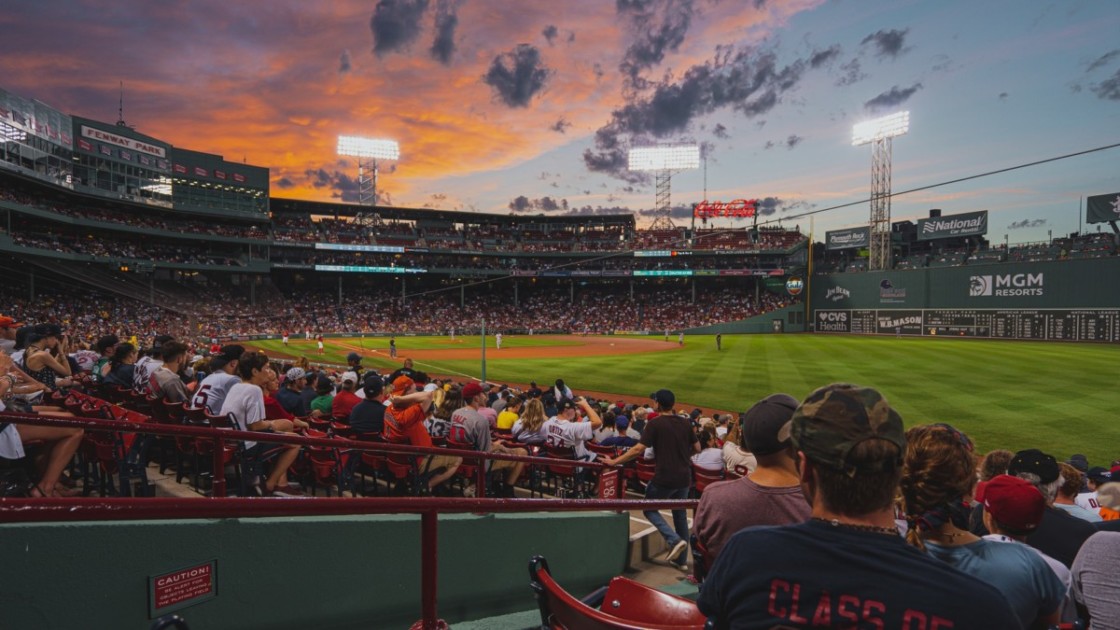
In Boston, sports are not merely entertainment; they are a civic religion. The city’s devotion to the Red Sox (MLB), Patriots (NFL), Bruins (NHL), and Celtics (NBA) is unparalleled. This professional sports culture provides a unique sense of community and pride. Whether you are catching a game at the historic Fenway Park—the oldest ballpark in Major League Baseball—or navigating the electric atmosphere of the TD Garden, you are participating in a tradition that spans generations. For a newcomer, the shared experience of cheering for the home team provides an immediate entry point into the local social fabric.
4. Historical Roots: Living Within a Living Museum
To live in Boston is to live within the pages of a history book. As one of the original American colonies, the city acts as the cradle of the American Revolution. The historical narrative is not tucked away in glass cases; it is physically present in the architecture and the geography of the city.
The Freedom Trail serves as a 2.5-mile red-brick path that connects 16 significant historical sites, including the Paul Revere House, the Old North Church, and the site of the Boston Massacre. Beyond the trail, residents find themselves surrounded by history at the Granary Burial Ground and the USS Constitution Museum. This constant connection to the past gives Boston a gravitas that newer cities often lack. It reminds residents that they are contributing to a long, ongoing story of civic progress.
5. A Dynamic Lifestyle: From Cultural Festivals to Mountain Escapes
The rhythm of life in Boston is dictated by a constant stream of high-profile events and seasonal transitions. The annual Boston Marathon serves as the city’s marquee event, uniting the population in a display of resilience and athletic prowess. Other events, such as Harborfest, ArtWeek Boston, and the Boston Calling Music Festival, ensure that the cultural calendar remains robust year-round.
Proximity to Natural Beauty
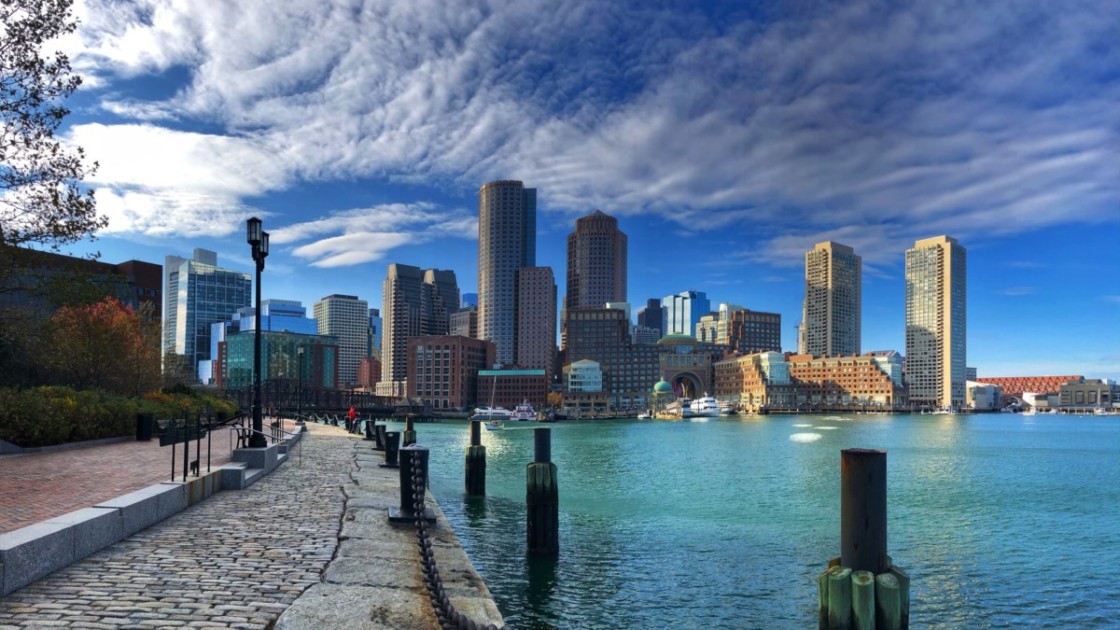
Boston’s geographic location serves as a strategic launchpad for nature lovers. Residents can access the coastal beauty of Cape Cod, Nantucket, and Martha’s Vineyard with ease during the summer months. Conversely, the winter offers quick access to the Berkshire Mountains and the ski resorts of Vermont, such as Killington and Okemo. This ability to oscillate between high-density urban energy and the serenity of the mountains or the sea is a defining perk of the Boston lifestyle.
The Retail Evolution
The city’s commercial districts are also seeing a major renaissance. Jonathan Lapat of SRS Real Estate Partners notes that Newbury Street remains the city’s retail heart, which has recently been revitalized by high-profile, modern brands. "Newbury Street is popping with recent additions, such as Yeti and KÜHL," Lapat explains, noting that the street now hosts a mix of legacy names and contemporary innovators like Alo, Cartier, and Google.
6. Access to the Outdoors: The Urban Oasis
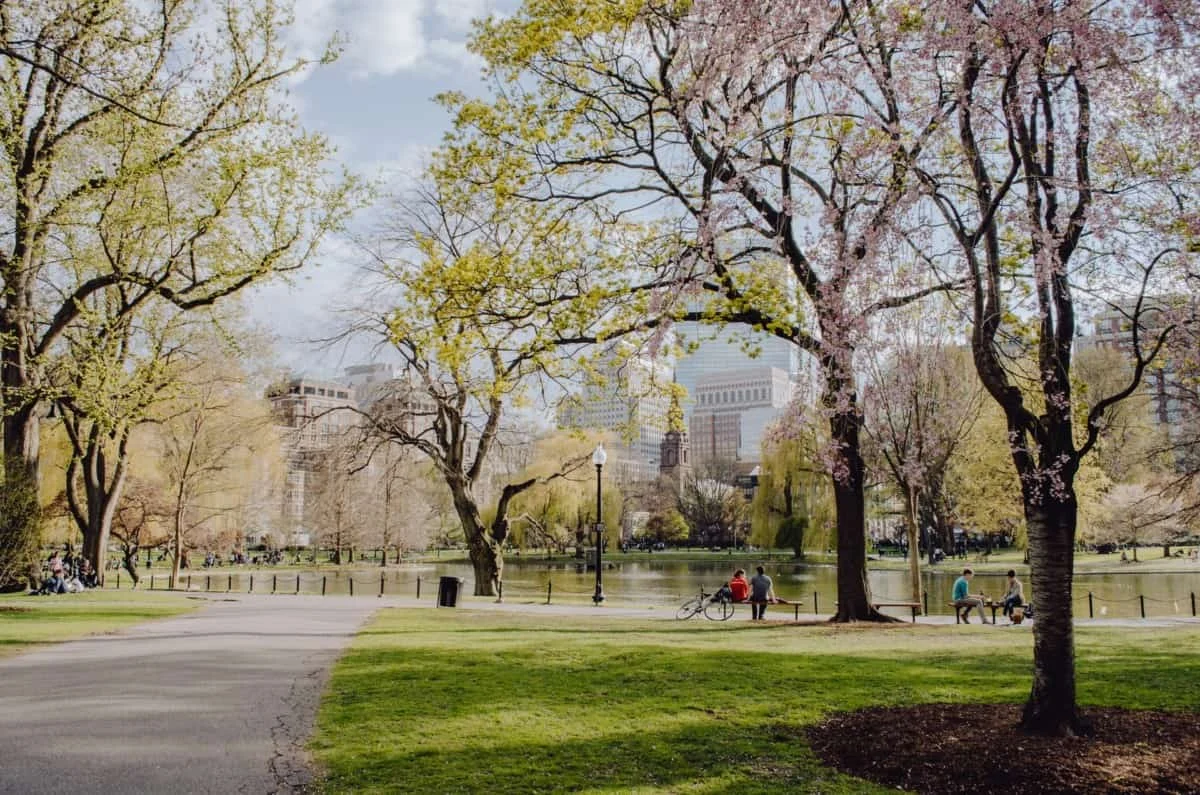
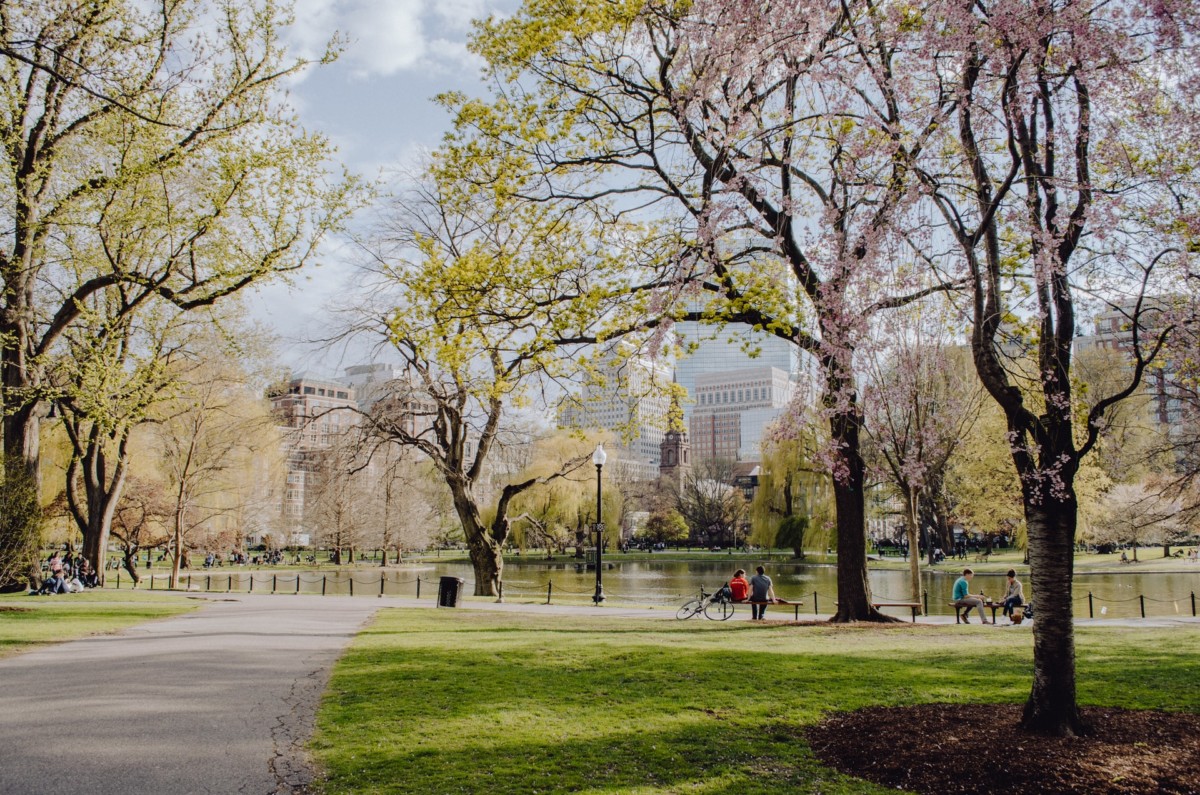
Despite its dense layout, Boston is a city of green space. From the historic Boston Common—the oldest public park in the nation—to the Public Garden and the scenic Esplanade along the Charles River, the city prioritizes nature.
Greg Banks, owner of Set the Stage Boston, advocates for the Arnold Arboretum as a "must-visit" destination. "Whether you prefer wide, stroller-friendly paths or quiet woodland trails that disappear into the trees, there’s always something new to discover," Banks says. He notes that the Arboretum’s seasonal shifts, from the vivid blossoms of spring to the snow-covered hills of winter, provide residents with a much-needed psychological reset within the city limits.
7. Navigating the Four Seasons
Boston is a city that embraces the full spectrum of the climate. While winters can be formidable, the city’s temperate nature ensures that residents experience the unique beauty of each season. Autumn in New England is particularly famous; the changing of the leaves creates a visual spectacle that draws tourists from across the globe. For those who enjoy a distinct change in the environment, the rhythm of the seasons adds a satisfying structure to life in the city.
8. A Global Leader in Healthcare
The healthcare ecosystem in Boston is arguably the finest in the world. The city’s medical institutions are not only centers of patient care but also global hubs for life-saving research. Institutions such as Boston Children’s Hospital, Brigham and Women’s Hospital, Dana-Farber Cancer Institute, and Massachusetts General Hospital provide residents with world-class medical access. This density of top-tier facilities offers unparalleled peace of mind for families and individuals alike.
9. The Engine of Innovation: An Intellectual Ecosystem
Boston’s reputation as an educational powerhouse is well-earned, but its impact extends far beyond the lecture hall. The proximity of Harvard University, MIT, and countless other institutions creates an intellectual "pressure cooker" that drives the city’s innovative culture.
The team at Tandem, an online platform for workspace leasing, highlights the palpable energy of Kendall Square. "You can sit in a Tatte in Kendall Square and be surrounded by Harvard and MIT students furiously working on their startups," they note. This environment fosters a unique sense of optimism. In Boston, ambition is not just tolerated; it is expected. The culture of the city is centered on the idea that every resident is capable of building something that matters, creating a professional environment that is as challenging as it is rewarding.
Conclusion: Why Boston?
As Massachusetts real estate attorney Jordana Greenman succinctly puts it: "Seasons? We’ve got them—sometimes all four in a single day. The ocean? Ours comes with unmatched views of history. Sports? Championship traditions are woven into our fabric."
Boston is a city that demands your attention. It asks you to participate in its history, contribute to its innovation, and enjoy its coastal beauty. For those looking to relocate, the city offers a rare combination of stability and evolution. Whether you are seeking a career-defining role in the biotech sector, a home rich in architectural history, or simply a city that allows you to walk to your favorite restaurant on a crisp autumn evening, Boston stands ready to welcome you.
Note: Data regarding median home sale prices and market trends are based on reports from the US Housing Market as of April 2022. Prospective residents are encouraged to consult local real estate listings to understand the current rental and purchase landscape.