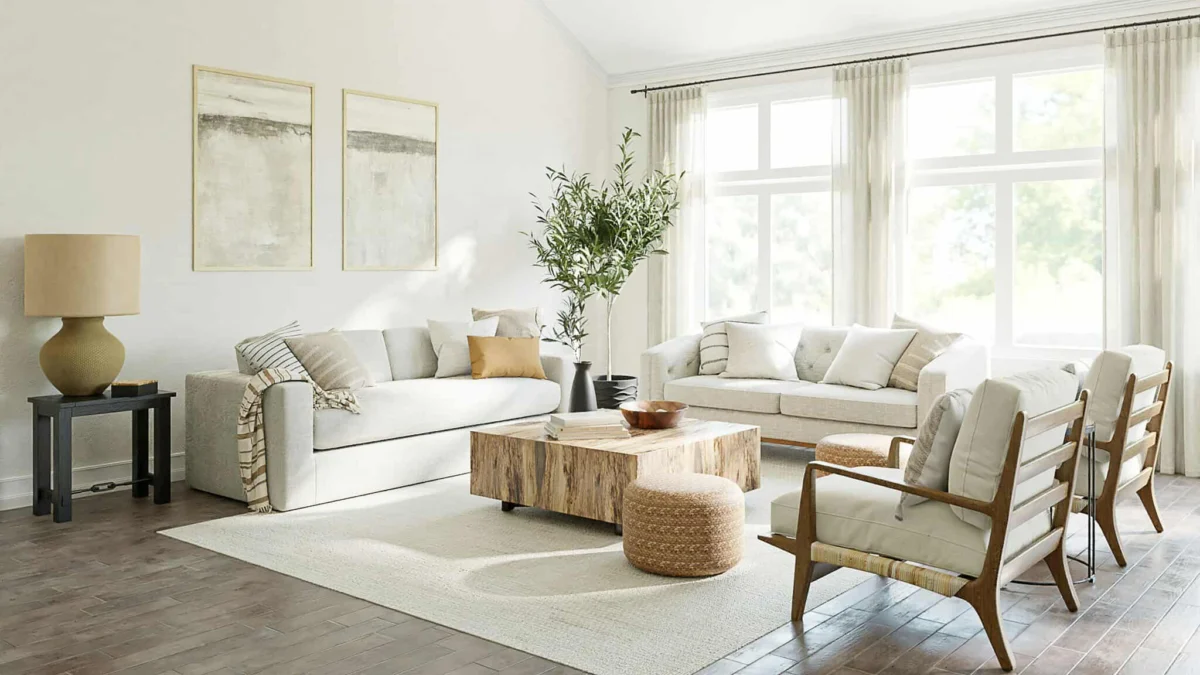
First impressions are the currency of the real estate market. In an era where potential buyers form an opinion about a property within seconds of scrolling through online listing photos or stepping across the threshold, the presentation of a home is paramount. However, the traditional image of home staging—characterized by massive budgets, professional furniture rentals, and the complete overhaul of a living space—is no longer the only path to a successful sale.
Enter "soft staging," a strategic, high-impact design approach that prioritizes atmosphere over furniture, and nuance over renovation. For sellers in competitive markets ranging from the coastal neighborhoods of San Diego to the historic rows of Baltimore, soft staging offers a cost-effective, time-efficient methodology to elevate a property’s appeal. By focusing on the curated details that make a room feel “complete,” sellers can foster the emotional connections that drive competitive offers.
What is Soft Staging? The Philosophy of "Dressing" a Home
Unlike traditional home staging, which often involves bringing in entire suites of furniture to define the purpose of a room, soft staging operates on a philosophy of enhancement. It relies on the existing architectural "bones" and layout of a home, utilizing lightweight accessories, textiles, and lighting to tell a compelling story.
Think of it as the difference between building a set from scratch and dressing a room for a premier. By leveraging what is already there and adding strategic, tactile elements, sellers can create an aspirational environment. This approach is particularly effective for vacant homes that feel "cold," or lived-in properties that require a neutral, polished aesthetic to appeal to the broadest possible demographic of buyers.
1. Illuminating Potential: The Power of Strategic Lighting
Lighting acts as the primary mood-setter in any interior space. According to industry experts, the "flip of a switch" can be the difference between a house that feels dated and one that feels move-in ready.
Betsy Boughner, owner of PorchLight Home Staging in Pittsburgh, PA, emphasizes that lighting is the most accessible high-impact upgrade. "A high-impact, budget-friendly upgrade I always recommend is updating light fixtures," she explains. "Sellers can find stylish, affordable options online, and replacing outdated fixtures instantly freshens a home, adds personality, and helps it feel more current."
Beyond overhead lighting, the importance of tabletop lamps cannot be overstated. Jamie McNeilis of Centerpiece Home Staging LLC in Cornelius, NC, notes that aging lighting fixtures act as silent indicators of a home’s age. "If your table lamps are more than ten years old, consider replacing them with updated styles that better reflect today’s design trends," she advises. Her prescription for a modern, timeless aesthetic involves "white or cream ceramic lamps paired with crisp white shades," which provide a clean look that boosts both warmth and professional-grade ambiance.
2. The Architecture of Comfort: Layering Textures
When a home lacks bold architectural features, texture becomes the primary tool for adding depth. Vanya McCarthy of the design firm Stage My Home argues that sellers should prioritize tactile fabrics over loud color palettes.
"When styling a sofa, I always mix cushion sizes and textures—bouclé, linen, knit—rather than relying on color to create interest, and I keep everything neutral," says McCarthy. This is a crucial strategy for real estate photography, as the camera lens often struggles to capture the vibrancy of color in the same way it captures the physical depth of a knit or the sheen of linen. Texture provides a sense of luxury that reads beautifully in natural light, helping the home feel "lived-in" without imposing the seller’s personal taste on the buyer.
3. Curating the Focal Point: The Coffee Table Vignette
The coffee table is often the central anchor of a living room, yet it is frequently overlooked during the preparation phase. Holly Meyers, owner of Gray Staging and Design in Indianapolis, IN, suggests that a well-styled table can define the entire room.
"Start with a neutral tray as your base, then add a decorative book to anchor everything," Meyers suggests. "Layer in three accessories of varying heights—a tall plant, a medium candle, and low wooden beads—to create an effortless, curated look."
To ground this vignette, Meyers recommends surrounding the piece with "five neutral pillows in different sizes on your sofa and draping a cozy blanket over the arm." These small, intentional touches signal to a prospective buyer that the home is cared for and ready for immediate enjoyment.
4. Transforming the Bathroom into a Sanctuary
Bathrooms often serve as a deal-breaker. However, they do not require a costly, disruptive renovation to resonate with buyers. Sandra Hoderlein, owner of the Atlanta-based studio Raumkunst, highlights that scale is the secret to a high-end feel.
"Replacing several small bath mats with one beautiful, generously sized, washable rug instantly makes a bathroom feel larger, more cohesive, and more like a spa retreat," Hoderlein notes. By covering dated flooring with a high-quality rug, the seller shifts the buyer’s focus from the wear-and-tear of the past to the potential for a luxurious future. It is a classic example of "soft" intervention producing "hard" value increases.
5. Cultivating the Calming Bedroom
The primary bedroom is the ultimate emotional anchor for a buyer. It must communicate tranquility and rest. Boughner advises that the path to this feeling is through a monochromatic, neutral palette. "Soft whites, ivories, and other neutral tones create that relaxing atmosphere and allow buyers to envision themselves in the space," she says. By removing personal items and replacing them with uniform, high-quality neutral bedding, the seller creates a blank canvas that invites the buyer to project their own dreams onto the room.
6. Mastering the Built-In Shelf
Shelves and built-ins are premium selling features, but they are often cluttered with personal artifacts that distract from the home’s architecture. McNeilis suggests a "less is more" approach.
"Clear out your bookshelves and built-ins completely, then thoughtfully restyle them using a balanced mix of decorative accessories," she advises. Her team often uses a "neutralizing" trick: turning hardcover books backward so the pages face outward, creating a consistent, textured look that avoids the chaotic color of book spines. Incorporating greenery and ceramic vases adds organic shape, and if the shelving is vast, she recommends leaving every other shelf empty to ensure the display feels intentional rather than stuffed.
Chronology of a Successful Soft-Staging Plan
For homeowners preparing to list, the implementation of these steps should follow a logical sequence to avoid last-minute stress:
- Phase 1 (Deep Clean & De-clutter): Before any styling begins, the home must be a blank slate. Remove all personal photos, excess books, and non-essential items.
- Phase 2 (The Lighting Audit): Walk through the home with all lights on. Identify fixtures that look dated or dim and prioritize these for replacement.
- Phase 3 (Soft Goods Acquisition): Purchase neutral pillows, blankets, a high-quality bath rug, and a few curated decor items (trays, candles, greenery).
- Phase 4 (The Styling Sweep): Focus on the focal points—the living room, the primary bedroom, and the bathrooms. Style the coffee table and shelves.
- Phase 5 (The Final Review): Walk through the home as if you are a stranger. Does the house feel welcoming? Are there any distractions? Adjust as necessary.
Supporting Data and Market Implications
While the costs of soft staging are significantly lower than traditional staging, the Return on Investment (ROI) can be substantial. Market data consistently indicates that staged homes sell faster and often at higher price points than their unstaged counterparts.
The implication for the modern seller is clear: you do not need to empty your savings to increase your home’s marketability. By investing a modest sum into high-quality textiles, modern lighting, and strategic accessories, you are essentially "buying" a faster sale. In a market where buyers are increasingly selective, the homes that tell a story of comfort, luxury, and ease are the ones that command the most attention.
Conclusion: The Final Impression
Soft staging is ultimately about the art of suggestion. It is the practice of removing the "clutter of life" and replacing it with an aspirational, curated version of what that life could look like. By focusing on light, texture, and scale, sellers can transform a sterile property into a warm, inviting home. As you prepare for your upcoming open house or listing photos, remember that while the structure of your house is what the buyer is purchasing, the "soft" details are what they will fall in love with. In the competitive theater of real estate, those feelings are what finalize the deal.