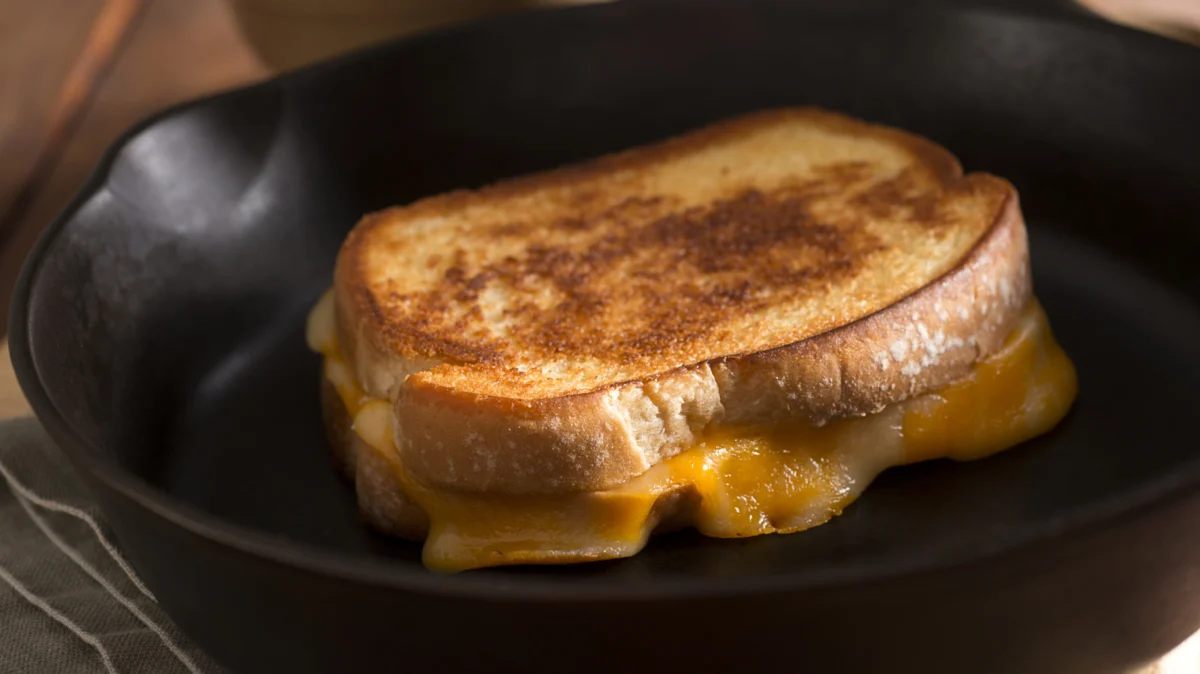
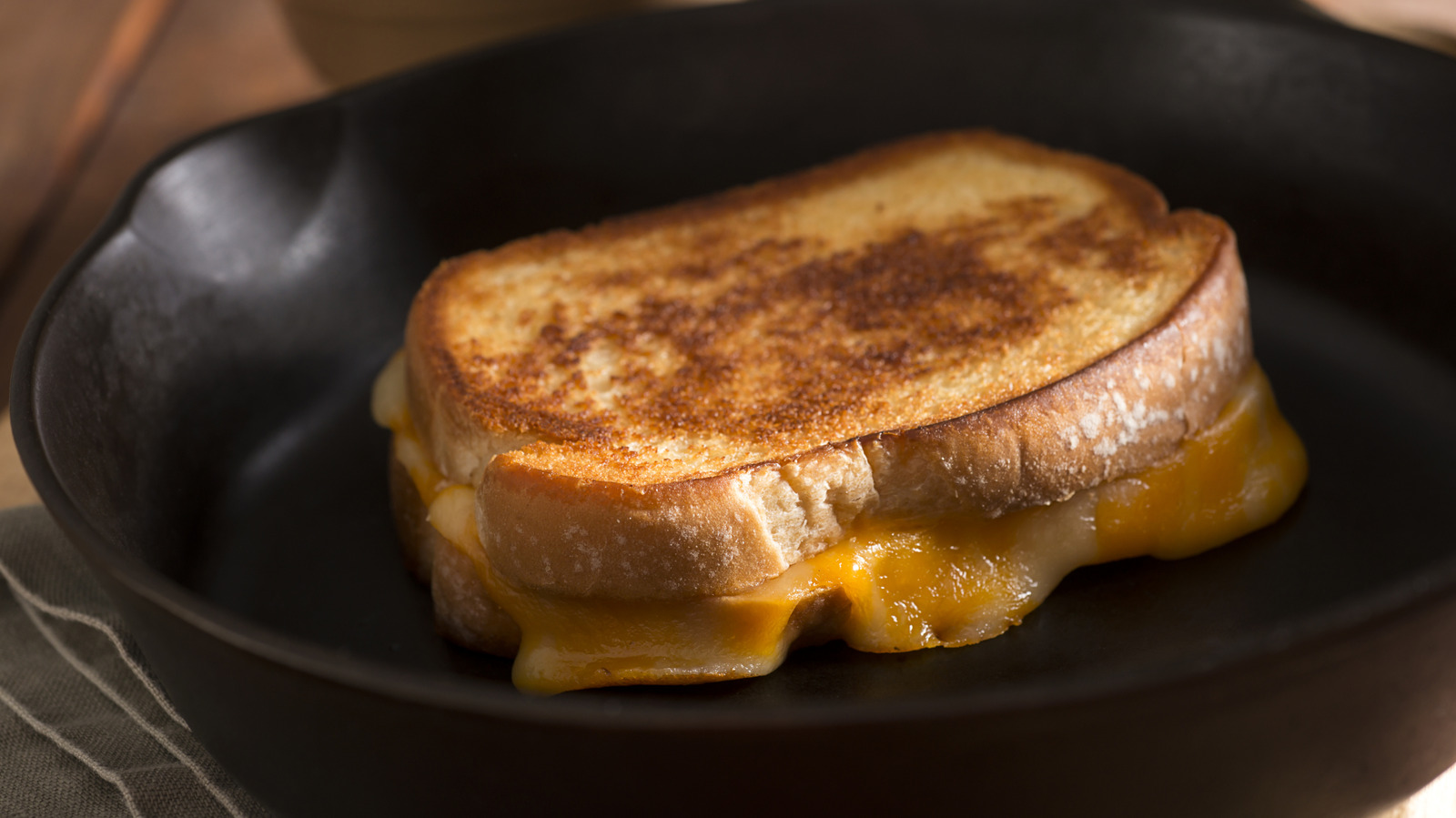
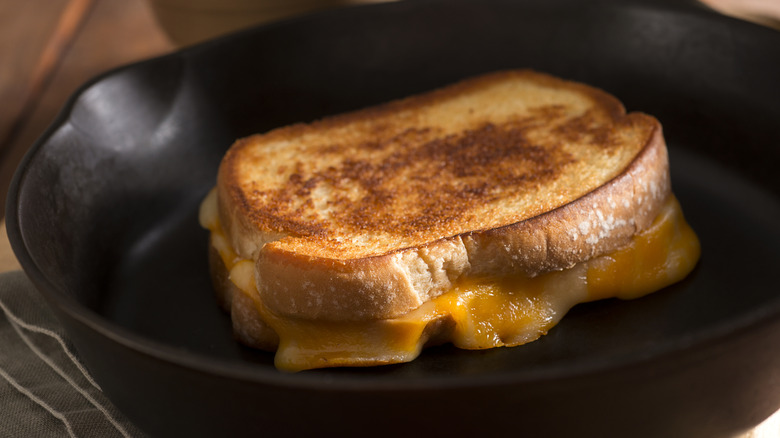
The grilled cheese sandwich occupies a hallowed place in the culinary canon. It is the ultimate comfort food—a masterpiece of simplicity where the interplay between crispy, golden-brown bread and molten, gooey cheese creates a symphony of textures and flavors. For generations, the standard preparation has remained largely untouched: butter, bread, and cheese. However, in the modern culinary landscape, where home cooks are increasingly emboldened to treat the kitchen as a laboratory, the humble grilled cheese has become a canvas for innovation.
The latest trend sweeping through gourmet kitchens and home cooking blogs is as simple as it is effective: incorporating jarred artichoke hearts. This single, pantry-friendly addition elevates the sandwich from a basic lunch staple to an elegant, multi-layered experience.
The Core Concept: Why Artichokes Work
At its heart, a grilled cheese is a study in fat and starch. While delicious, it can occasionally feel one-note. The addition of artichoke hearts introduces two critical elements that the sandwich often lacks: acidity and fibrous texture.
Artichoke hearts possess a unique, slightly nutty, and earthy flavor profile that cuts through the richness of melted cheese. Whether you are using a sharp cheddar, a creamy fontina, or a stretchy mozzarella, the artichoke acts as a palate cleanser, preventing the "fatigue" that can set in after a few bites of a heavy, buttery sandwich. Furthermore, the texture of a tender artichoke heart provides a pleasant resistance, contrasting beautifully with the pillowy softness of melted cheese and the crunch of perfectly toasted bread.
Chronology of a Culinary Evolution
The rise of the "artichoke grilled cheese" did not happen overnight. It is the culmination of several culinary trends that have been building over the last decade.
- The Rise of "Gourmet Comfort": In the early 2010s, gastropubs began elevating bar snacks. The grilled cheese was reborn with artisanal sourdough, aged gruyère, and unconventional fillings like kimchi or caramelized onions.
- The Pantry Renaissance: During the mid-2020s, supply chain shifts and a renewed focus on home cooking led to a "pantry-first" mentality. Cooks began looking at jars of marinated vegetables—olives, sun-dried tomatoes, and artichokes—as flavor-boosting shortcuts.
- The Social Media Influence: Food creators on platforms like TikTok and Instagram popularized the "dip-to-sandwich" pipeline. By translating the flavor profiles of beloved appetizers, such as hot spinach and artichoke dip, into the format of a grilled sandwich, the concept gained viral traction.
Supporting Data: Choosing the Right Ingredient
Not all artichokes are created equal, and the success of your sandwich depends heavily on the preparation of the star ingredient.
Marinated vs. Brined
When browsing the grocery store shelves, you will typically encounter two primary varieties:
- Canned (Brined): These are packed in water, salt, and citric acid. They offer a clean, neutral canvas. If you use these, you must be prepared to season them yourself. They are ideal if you want the artichoke to be a background player that doesn’t clash with strong cheeses.
- Jarred (Marinated): These are typically packed in oil, vinegar, and a blend of herbs (often oregano, garlic, or red pepper flakes). These are the "power players." They come pre-seasoned, adding a burst of brightness and acidity that is essential for cutting through heavy cheese blends.
Preparation Techniques
To ensure your sandwich doesn’t become soggy, proper preparation is non-negotiable.
- The Drain and Blot: Regardless of the type, moisture is the enemy of a crisp crust. Always drain your artichokes thoroughly and pat them dry with paper towels before chopping.
- The Caramelization Factor: For a deeper, more robust flavor, consider searing the chopped artichoke hearts in a hot, dry skillet for 2–3 minutes. This removes excess moisture and creates a slight char, which adds a smoky, complex layer to the sandwich that raw or cold artichokes cannot provide.
Expert Perspectives: Perfecting the Flavor Profile
To understand how to master this sandwich, one must look at it through the lens of flavor architecture. Culinary experts suggest that the "Dip-to-Sandwich" conversion is the most effective approach for beginners.
"Think of your favorite spinach and artichoke dip," suggests food consultant and recipe developer A.J. Forget. "That dish works because of the harmony between fat, alliums, and acidity. When you recreate that in a sandwich, you aren’t just adding artichokes; you are recreating a proven flavor ecosystem."
The Cheese Strategy
When introducing an acidic, vegetal ingredient like an artichoke, the cheese selection must be deliberate:
- The "Melt" Component: Mozzarella or Havarti provides the necessary "pull" and creamy base.
- The "Flavor" Component: A sharp, aged white cheddar or a nutty Gruyère provides the punch needed to stand up to the artichoke’s distinct flavor.
- The "Earthy" Component: A dash of Parmesan or Pecorino Romano adds a salty, umami-rich finish that bridges the gap between the artichoke and the bread.
The Allium Connection
If you want to move beyond the basic, the addition of alliums—garlic and onion—is the most recommended upgrade. A small amount of garlic powder or, better yet, finely minced shallots sautéed alongside the artichokes, creates a cohesive flavor profile that feels intentional and restaurant-quality.
Implications for Home Cooking
The shift toward "elevated pantry cooking" suggests a broader change in how consumers view convenience. We are moving away from the idea that "simple" means "plain."
The artichoke-infused grilled cheese represents a democratization of flavor. It requires no specialized equipment—just a standard skillet—and uses ingredients that have a long shelf life. This empowers the home cook to achieve "chef-like" results with minimal effort, lowering the barrier to entry for creative cooking.
Furthermore, this trend has implications for how we shop. As shoppers look for ways to maximize the utility of their pantry, items like marinated artichokes are moving from "occasional appetizer" status to "kitchen essential." This shift encourages a more sustainable way of cooking, where leftovers or pantry staples are repurposed rather than discarded.
Final Recommendations for the Perfect Sandwich
If you are ready to attempt this at home, follow this optimized workflow:
- Prep the Artichokes: Drain and chop one-half cup of marinated artichoke hearts. Pat them bone-dry.
- Sauté: Place the pieces in a hot skillet for 2 minutes to caramelize. Remove and set aside.
- Assemble: Use a sturdy sourdough bread. Butter the outside of the slices generously.
- Layer: Start with a layer of mild cheese, add your sautéed artichokes, sprinkle with a pinch of garlic powder or fresh herbs, and top with a layer of sharp, aged cheese.
- Grill: Cook over medium-low heat. Low heat is the secret to ensuring the cheese melts completely before the bread burns. Cover the pan with a lid for the first two minutes to trap steam, which helps melt the cheese, then remove the lid to regain that essential crunch.
By embracing this simple jarred addition, you aren’t just making a sandwich—you are participating in a larger movement of culinary exploration. Whether you enjoy it with a side of tomato soup or simply on its own, the artichoke-enhanced grilled cheese is a testament to the idea that the best meals are often those that take a classic and give it a sophisticated, unexpected twist.