KAMPALA, Uganda — A deepening crisis of constitutional governance has gripped Uganda, as the military apparatus, led by the Uganda People’s Defence Force (UPDF), continues a coordinated campaign of extrajudicial detentions targeting high-profile government critics. In a searing report released this Thursday, Human Rights Watch (HRW) detailed a disturbing pattern of arbitrary arrests, enforced disappearances, and the suppression of independent media, warning that the rule of law in the East African nation is rapidly disintegrating.
The organization alleges that the Ugandan state is utilizing the military to bypass judicial safeguards, holding dissidents in undisclosed locations before subjecting them to politically motivated prosecutions in civilian courts. This crackdown, which has intensified since mid-June 2026, signals a precarious shift in how the administration of President Yoweri Museveni and his son, General Muhoozi Kainerugaba—the current chief of the UPDF—manages political dissent.
The Scope of the Crackdown: A Systematic Campaign
The HRW report paints a bleak picture of a state security apparatus operating with total impunity. The campaign is not limited to political rivals but extends to the legal community, independent journalists, and civil society activists. By silencing those who provide checks and balances, the government is effectively insulating itself from public scrutiny regarding corruption and human rights abuses.
Carine Kaneza Nantulya, HRW’s deputy Africa director, issued a stern condemnation of the state’s behavior. “No military officer should be able to carry out serious violations with impunity,” Nantulya stated. “Uganda’s partners should urgently press President Museveni’s government to end these abuses, uphold the rule of law, and ensure accountability for those responsible.”
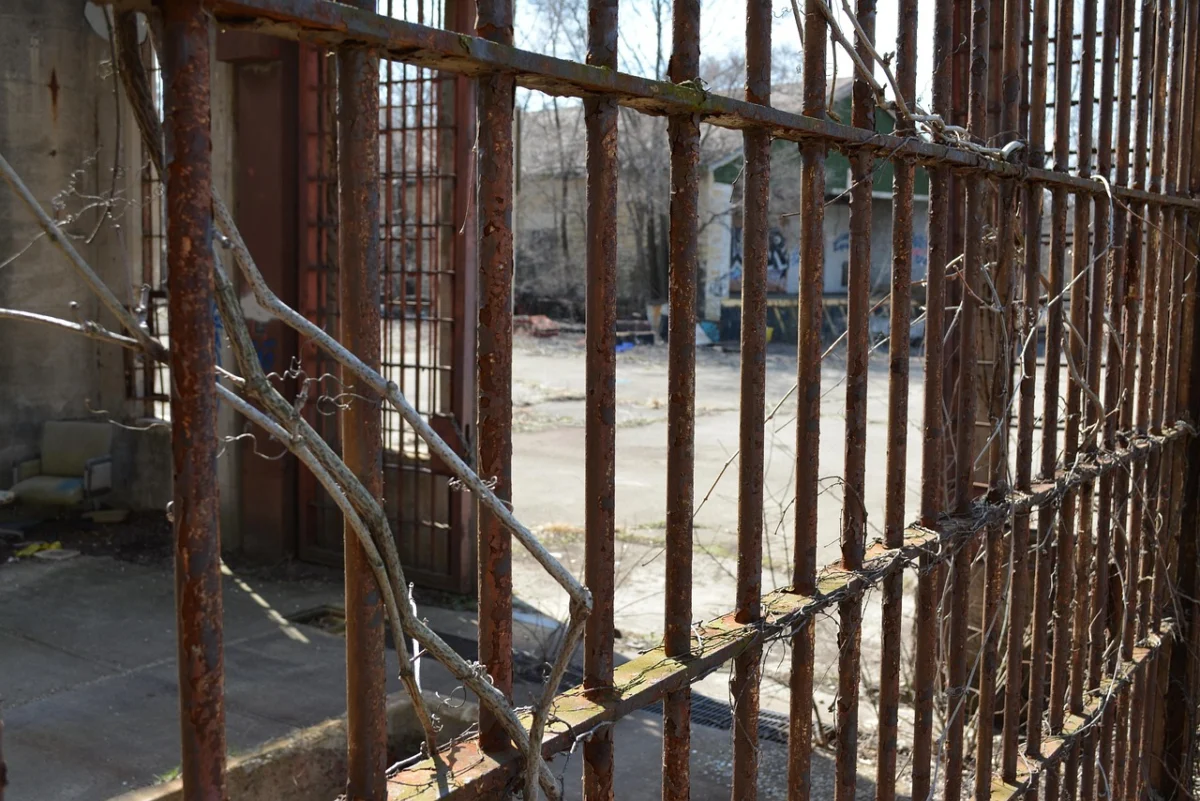
The reach of this repression is broad. Among those targeted are prominent figures like lawyer Erias Lukwago, activist Miria Matembe, journalist Timothy Kalyegira, and National Unity Platform (NUP) deputy president Muwanga Kivumbi. The pattern is consistent: armed soldiers raid private residences, seize individuals without warrants, and transport them to "black sites" where their whereabouts are kept secret from their families and legal counsel.
Chronology of Recent Escalations
The recent surge in activity can be traced back to mid-June 2026, marking a significant departure from previous cycles of political tension.
- June 15, 2026: In a brazen show of force, armed military personnel raided the home of Erias Lukwago, a prominent attorney representing opposition leader Kizza Besigye. Lukwago was taken to an undisclosed location, triggering alarm among civil liberties advocates.
- June 17, 2026: Two days after his abduction, Lukwago was transferred to police custody and formally charged with treason-related offenses, allegedly linked to the ongoing legal proceedings against Besigye. He remains in pretrial detention.
- Mid-June 2026 (Ongoing): Simultaneously, security forces initiated a siege on the headquarters of the Nation Media Group, Uganda’s largest independent media organization. By physically surrounding the premises, the state effectively forced the shuttering of its television and newspaper operations, citing "security concerns."
- Late June 2026: Kenyan lawyer and former Justice Minister Martha Karua, acting as lead counsel for Kizza Besigye, traveled to Uganda to observe the court proceedings against Lukwago. Upon arrival, she was detained by security forces. Following international pressure and diplomatic maneuvering, she was deported to Kenya, preventing her from providing legal oversight.
- July 2026: A series of arrests involving activist Miria Matembe and journalist Timothy Kalyegira occurred. Detainees who were eventually released or processed through the civilian system reported severe psychological and physical abuse, including forced nudity, coerced DNA sampling, and direct threats.
Supporting Data and Personal Testimonies
The experiences of those held by the military provide a harrowing glimpse into the conditions within Uganda’s detention facilities. Timothy Kalyegira, a veteran journalist, was among those targeted. Authorities leveled charges against him regarding the dissemination of "sensitive government information" via digital platforms.
Kalyegira maintains that these charges are entirely fabricated, serving as a retaliatory measure for his investigative work exposing high-level corruption within the Museveni administration. Other detainees reported that their captors used humiliating tactics—such as forcing individuals to strip naked—to break their resolve. These acts of psychological warfare are, according to legal experts, clear violations of the UN Convention Against Torture, to which Uganda is a signatory.
The targeting of Nation Media Group represents a wider strategy to choke off the flow of information. By disrupting the operations of the country’s largest independent media house, the government seeks to foster an environment of self-censorship, where journalists fear that reporting on state misconduct will lead to the total closure of their outlets.
The Legislative Engine of Repression: The UPDF Amendment Act
The current wave of arrests is not occurring in a legal vacuum. It follows the controversial passage of the UPDF Amendment Act in 2025. This legislation, signed into law by President Museveni, grants military courts the authority to try civilians under specific, vaguely defined circumstances.
Human rights organizations have long argued that this law directly violates the Ugandan Constitution and defies the precedent set by the landmark constitutional appeal, Attorney General v. Hon. Michael Kabaziguruka (2025). In that case, the court ruled unequivocally that civilians cannot be subjected to military trials. By ignoring this ruling, the government is signaling that it views military authority as superior to the constitutional judiciary.
The militarization of the justice system is a deliberate attempt to remove political cases from the scrutiny of civilian judges, who are traditionally more constrained by evidentiary requirements and public due process. Military courts, by contrast, are opaque, hierarchical, and beholden to the same command structure that orders the initial arrests.
International Implications and Human Rights Standards
The detention of government critics is not merely a domestic issue; it constitutes a significant violation of international law. Uganda is bound by the African Charter on Human and Peoples’ Rights and the International Covenant on Civil and Political Rights (ICCPR).
The arbitrary detention and the denial of legal counsel to individuals like Erias Lukwago and Martha Karua contravene the fundamental right to a fair trial. Furthermore, the systematic nature of these disappearances suggests a failure of the state to fulfill its obligations under the Convention Against Torture.
The international community, particularly Uganda’s primary development partners, faces a difficult dilemma. While Museveni has historically been a key security partner in the Great Lakes region, the current erosion of civil liberties is reaching a point where continued silence may be interpreted as tacit approval. Diplomats and international observers are now calling for targeted sanctions against military officials responsible for the abductions and for a robust, coordinated response from the African Union and the United Nations.
Conclusion: A Nation at a Crossroads
The situation in Uganda remains volatile. As the state continues to prioritize the survival of the current leadership over the preservation of constitutional norms, the space for dissent continues to shrink. The use of the military to suppress political opposition, legal counsel, and the media is a hallmark of an authoritarian shift that threatens to destabilize the nation further.
Unless the Ugandan government reverses its current course, restores the independence of the judiciary, and guarantees the safety of its citizens from arbitrary military intervention, the country risks total isolation from the democratic community. For now, the people of Uganda, particularly those who dare to speak truth to power, remain in a state of constant peril, waiting for a restoration of the rule of law that, as of today, seems increasingly distant.