In a state where brisket is king and smoking meat is a secular religion, the humble cheeseburger has long been relegated to the status of a side dish. However, a seismic shift in the culinary landscape of the Lone Star State is forcing a re-evaluation of its most iconic handheld food. According to recent accolades from Tasting Table, the definitive title for the best cheeseburger in Texas does not belong to a legacy drive-in or a fast-casual chain, but to a Michelin-starred powerhouse of modern barbecue: LeRoy and Lewis Barbecue.
This revelation marks a fascinating intersection between the ancient art of live-fire cooking and the quintessential American burger. It suggests that when a kitchen treats its burger with the same reverence as a 16-hour-smoked brisket, the results are nothing short of transformative.
The Anatomy of the L&L Burger: A New Standard
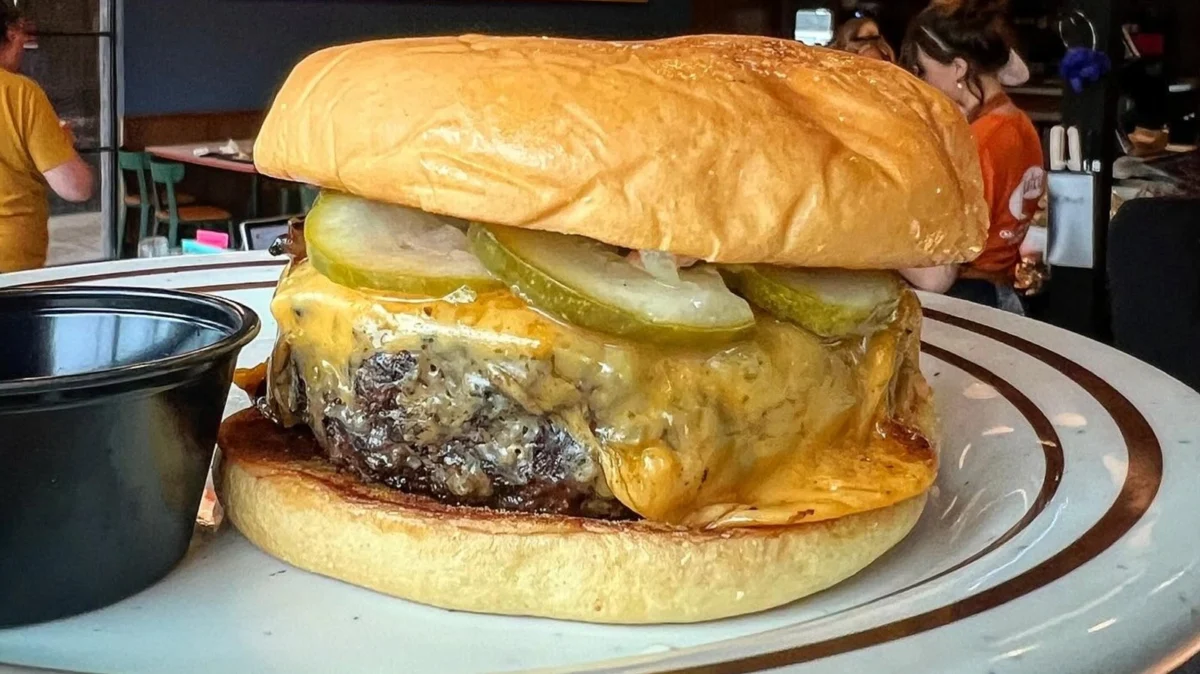
The "L&L Burger" is a masterclass in culinary synthesis. At a hefty half-pound, the patty is not a conventional ground-beef mixture. Instead, it is crafted from seared, peppery brisket trimmings. By incorporating the high-fat, collagen-rich remnants of the restaurant’s primary product, LeRoy and Lewis has engineered a patty that possesses the deep, primal smoke profile of Texas barbecue while maintaining the structural integrity and juiciness required for a world-class burger.
The build is intentionally classic, avoiding the "over-topped" pitfalls of modern gourmet burgers. A slice of melty American cheese provides the necessary creaminess, while grilled onions offer a sharp sweetness. Dill pickles cut through the richness of the brisket fat, and a house-made special sauce ties the elements together on a pillowy, perfectly toasted potato bun. The result is a symphony of textures—smoky, tangy, sweet, and rich—that challenges the traditional Texas hierarchy of meat.
At $16, the burger is a premium experience, but for those in the know, Monday represents a tactical advantage. For just $10, diners can secure what is arguably the best value in the Austin food scene. Furthermore, the restaurant offers a "secret" service hack: bypass the snaking line of barbecue enthusiasts waiting for brisket plates by heading straight to the bar, where the burger is available with significantly less wait time.
A Chronology: From Food Truck Roots to Michelin Stardom
To understand how a barbecue joint became a burger destination, one must look back to the origins of LeRoy and Lewis. Founded in 2017 in Austin, Texas, the operation began as a humble food truck run by pitmaster Evan LeRoy and co-owner Sawyer Lewis.
The Rise of New-School BBQ
- 2017: LeRoy and Lewis launches as a food truck in Austin, immediately distinguishing itself from the "central Texas trinity" (brisket, sausage, ribs) tradition.
- 2018–2020: The team pioneers "new-school barbecue," integrating creative vegetarian options and, crucially, a nose-to-tail approach to cattle.
- 2023: The restaurant transitions into a brick-and-mortar location, cementing its status as a local institution.
- 2024: LeRoy and Lewis earns a coveted Michelin star, becoming one of the first barbecue establishments in the state to receive such recognition. This honor validated their philosophy that smokehouse cooking is not just a rural pastime, but a high-art discipline.
This trajectory is significant because it highlights a deliberate departure from stagnation. While many Texas BBQ spots have spent decades refining the same three items, LeRoy and Lewis spent their formative years experimenting with whole-hog cooking and house-made sausages. This spirit of experimentation is exactly what allowed them to look at a pile of brisket trimmings and see the potential for a world-class burger rather than just sausage filler.
Supporting Data: The Dual Pillars of Texas Burger Culture
While LeRoy and Lewis represents the modern, Michelin-starred "new school," the history of the Texas burger remains deeply rooted in the "old school." To appreciate the breadth of the state’s burger culture, one must contrast the L&L experience with the legacy of Jacksboro, Texas.
If LeRoy and Lewis is the "new-school" standard-bearer, Herd’s Hamburgers in Jacksboro is the ancestral heart of the craft. Operating since 1916, Herd’s is an institution that has remained largely unchanged for over a century.
The Herd’s Difference:
- Methodology: They were masters of the smash burger decades before the trend went global.
- Technical Detail: Unlike modern spots that rely on butter for the bun, Herd’s toasts theirs in beef tallow—a byproduct of the cooking process that imbues the bread with a savory, meaty depth.
- Accessibility: With no website, no phone, and a cash-only policy, Herd’s represents the "if you know, you know" ethos that defines authentic small-town Texas dining.
The existence of both LeRoy and Lewis and Herd’s indicates a bifurcated, yet healthy, burger scene. Texas has the capacity to celebrate the highly refined, complex, brisket-based innovation of an Austin hotspot alongside the primitive, tallow-toasted perfection of a century-old rural diner.
Official Perspectives: The Philosophy of the Patty
The success of these establishments is not accidental; it is a byproduct of a specific industry philosophy. Pitmasters in Texas are increasingly viewing the burger as the "gateway" for high-quality beef.
In discussions regarding the state’s culinary identity, industry leaders have noted that the burger is the most honest test of a kitchen. A brisket can be masked by sauce or rub, but a burger relies on the quality of the grind, the precision of the sear, and the balance of the bun.
"We don’t separate the burger from the barbecue," says a representative close to the LeRoy and Lewis operation. "When you utilize the same high-quality, pasture-raised beef for your burgers that you use for your prime brisket, you aren’t making a side dish. You are making an expression of the same livestock, just served in a different format."
This holistic approach is gaining traction. As consumers become more discerning about the provenance of their beef, restaurants that utilize their entire supply chain—turning scraps into high-end burgers—are finding favor with both critics and the public.
Implications: The Future of the Texas Menu
The elevation of the cheeseburger to a Michelin-tier item in Texas has broader implications for the state’s hospitality industry.
- Breaking the "BBQ Monoculture": For decades, the Texas BBQ reputation has rested almost exclusively on the brisket slice. The success of the L&L burger proves that diners are ready for more nuanced menus that showcase the versatility of the pit.
- The Rise of "Bar-Service" Dining: By encouraging diners to bypass the traditional, arduous barbecue line for a burger at the bar, LeRoy and Lewis is changing the flow of traffic in restaurants. This signals a shift toward more accessible, high-quality, "fast-casual" fine dining.
- The Preservation of Tradition: As noted by culinary experts like Alton Brown, labor-intensive traditions like whole-hog cooking are at risk of fading. However, when restaurants like LeRoy and Lewis use the profits from high-margin items like burgers to subsidize the expensive, time-consuming labor of traditional BBQ, it ensures that these historical methods stay alive for the next generation.
Conclusion
Texas remains, undeniably, the heart of American barbecue. But as we look toward the future, the state’s identity is expanding. Whether it is the historic, tallow-toasted simplicity found in the north or the smoky, brisket-infused innovation found in the capital, the Texas cheeseburger has earned its place on the pedestal.
For the traveler or the local resident, the message is clear: if you are searching for the best burger in the state, don’t look for a neon sign or a drive-thru menu. Look for the smoke. Whether it’s a century-old family recipe or a Michelin-starred brisket blend, the best cheeseburgers in Texas are proof that when you take the meat seriously, the rest of the experience follows suit.