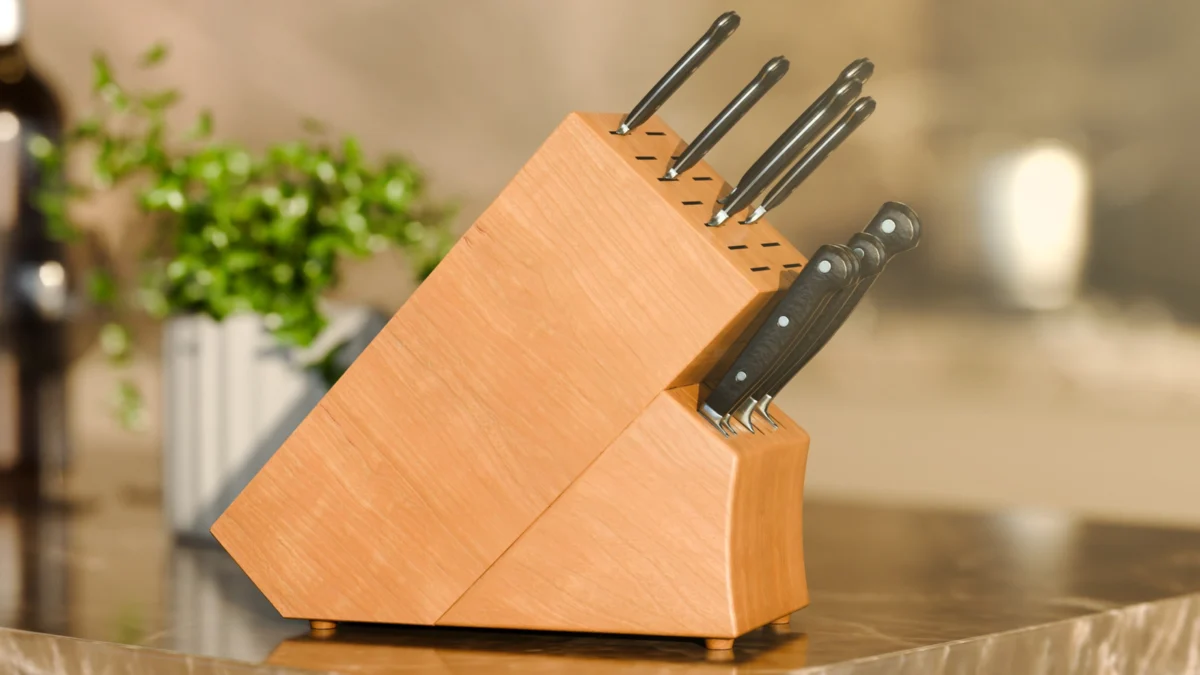
In the landscape of modern culinary aesthetics, few items have been as ubiquitous—or as misunderstood—as the wooden knife block. For decades, it has stood as a centerpiece of the American kitchen, a badge of domestic capability, and a staple of wedding registries. Yet, a growing chorus of professional chefs, food safety experts, and minimalist designers are sounding the death knell for this kitchen relic. As we move toward more efficient, hygienic, and purposeful cooking spaces, the question isn’t just how to store our knives, but whether the traditional knife block has become an obsolete burden.
The Rise and Fall of the Kitchen Icon
The knife block, as we recognize it today, rose to prominence in the 1970s. This was a transformative era for the American kitchen, fueled by the televised cooking revolution spearheaded by iconic figures like Julia Child. As cooking moved from a chore behind closed doors to a performative, celebrated art form, the kitchen became a showroom. Manufacturers were quick to capitalize on this shift, marketing knife blocks as the ultimate marriage of "practicality" and "decor."
For the consumer of the 1970s and 80s, the knife block served a dual purpose. It protected sharp edges from the chaotic clutter of a junk drawer, and it signaled that the owner was a "serious" cook—someone who possessed a set of matching steel, ready to tackle a Beef Wellington at a moment’s notice. However, what was sold as an essential culinary tool was, in reality, a masterful marketing ploy. By bundling knives into a single, expensive set, manufacturers ensured that consumers bought items they might never actually use, all while anchoring those items to a piece of furniture that claimed valuable real estate on the countertop.
The Anatomy of the Problem: Why Professionals Are Ditching Them
If you ask a line cook or an executive chef where they store their knives, you will rarely, if ever, see a wooden block. There are three primary reasons for this professional disdain: space, safety, and sanitation.
The Sanitation Crisis
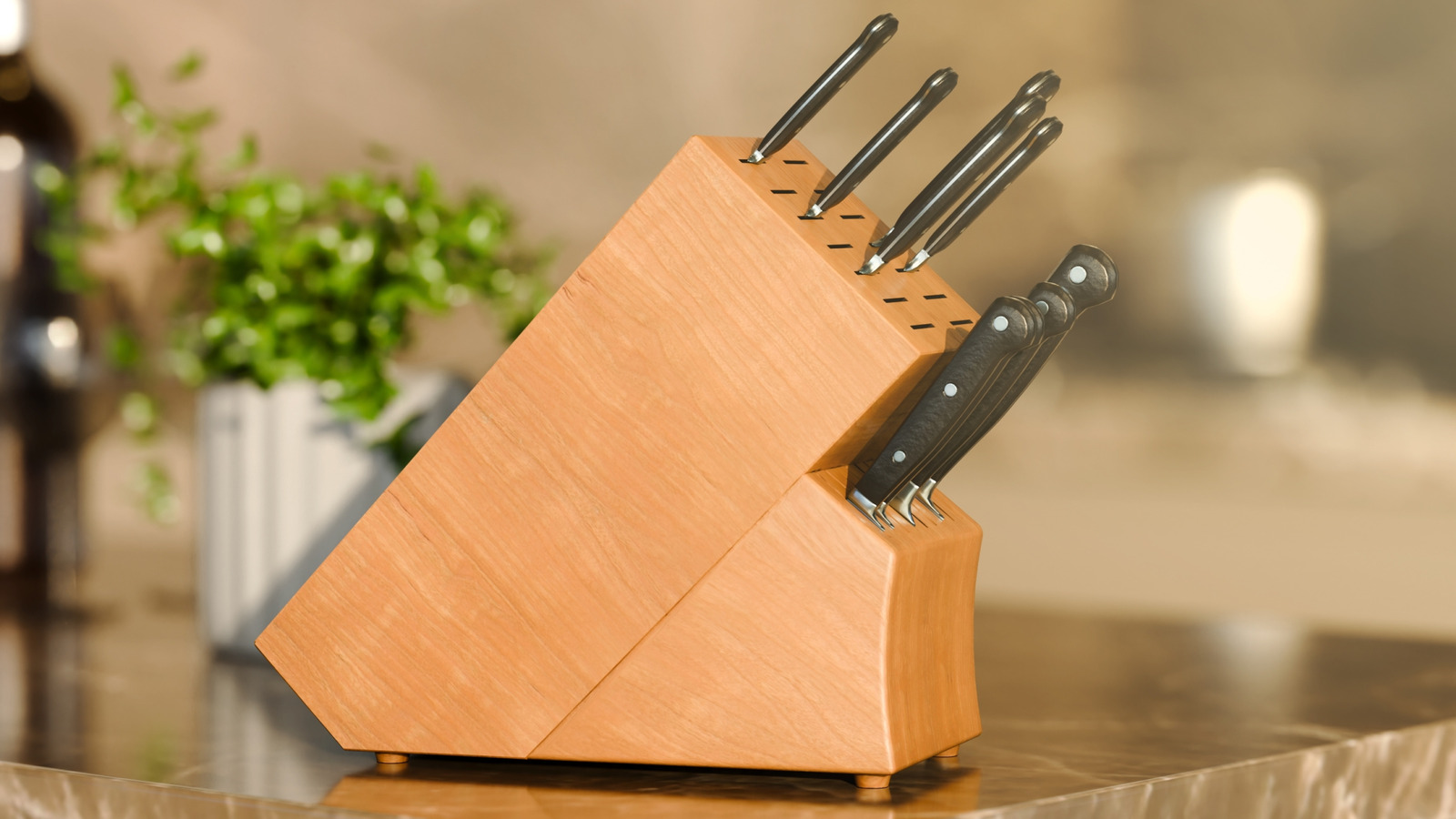
The most compelling argument against the knife block is hygiene. A landmark study conducted by NSF International identified the traditional wooden knife block as one of the "top 10 germiest items" in the average home kitchen. The architecture of a knife block is, unfortunately, a breeding ground for bacteria.
Because the slots are deep, narrow, and nearly impossible to clean, they trap moisture, food particles, and dust. Every time a knife is returned to the block—perhaps still slightly damp from a quick rinse—it introduces water into a dark, enclosed environment. This is the perfect incubator for mold, yeast, and bacteria like Salmonella and E. coli. Unlike a cutting board or a countertop, you cannot easily sanitize the interior of a knife slot, making the block a permanent, hidden source of cross-contamination.
The Mechanical Failure
Beyond the biological concerns, there is a mechanical issue: the physical toll on the blade. Many wooden blocks are designed poorly, with slots that force the sharp edge of the blade to drag against the wood every time the knife is inserted or removed. Over time, this constant friction dulls the knife significantly faster than if it were stored properly. A sharp knife is a safe knife; a dull one requires more force to cut, increasing the likelihood of a slip and a serious kitchen injury.
What Knives Do You Actually Need?
The most insidious aspect of the knife block is the "set" mentality. Manufacturers fill these blocks with 10 to 15 knives, many of which are redundant or entirely useless for the average home cook. By subscribing to the "set" model, consumers often end up with a collection of mediocre steel rather than a curated selection of high-quality tools.
The Essential Trio
Professional kitchens operate on a "less is more" philosophy. You do not need a block of 12 knives; you need three high-quality tools that you actually enjoy using:
- The Chef’s Knife (8-inch): The workhorse. This should be your primary investment. Whether you prefer a classic Western-style blade or a Japanese-influenced design, this is the tool you will use for 90% of your tasks.
- The Paring Knife: Essential for intricate work, such as peeling, hulling strawberries, or deveining shrimp.
- The Serrated Bread Knife: A necessity for crusty loaves and delicate items like tomatoes, where a straight blade might crush the product before slicing it.
Once you strip away the filler—the useless "steak knives" and the redundant "utility knives"—you realize that the entire purpose of the large, cumbersome wooden block evaporates. You no longer have the volume of items that necessitates a dedicated piece of furniture on your counter.
The Future of Storage: Magnetic Strips and Beyond
If the block is out, what is the professional alternative? The answer, widely favored by those who spend their lives in professional kitchens, is the magnetic knife strip.
The Advantages of Magnets
Magnetic strips offer several distinct advantages over blocks:
- Hygiene: There are no deep, dark slots to collect crumbs or moisture. A quick wipe of the stainless steel or wood face of the magnet is all that is required.
- Accessibility: Your tools are displayed clearly, making them easy to grab and replace while cooking.
- Edge Protection: Because the blade is held firmly in place without the edge dragging against anything, the knife remains sharp for significantly longer.
- Space Optimization: By utilizing vertical wall space, you reclaim your countertop, making your kitchen feel larger and more open.
Alternative Solutions
For those who prefer to keep their knives out of sight, the "Martha Stewart approach"—utilizing a specialized drawer insert—is the gold standard. These inserts provide individual, horizontal slots that cradle the blades safely without the sanitary risks of a vertical block. For the nomadic cook or the minimalist, a high-quality leather or canvas knife roll is also an excellent option, providing portability and protection that a stationary block simply cannot match.
Implications for the Modern Kitchen
The shift away from knife blocks is indicative of a broader trend in home management: the rejection of "convenience" items that actually create more work. We are moving toward a culture of intentionality. Instead of purchasing an expensive, pre-packaged set of tools, the modern cook is learning to invest in one or two superior pieces of cutlery that will last a lifetime.
When we remove the clutter of the knife block, we aren’t just gaining square footage on our counters; we are gaining a better relationship with our food. We are prioritizing cleanliness, efficiency, and the longevity of our tools.
If you are currently looking at a bulky, dust-covered knife block on your counter, consider this a sign to re-evaluate. Empty the slots, inspect them for residue, and ask yourself how many of those knives you have used in the last month. The chances are high that you are harboring a relic that is dulling your blades, cluttering your space, and hiding unwanted bacteria. It is time to let go of the set, embrace the essential, and upgrade to a storage solution that actually respects the tools you use to feed your family. The future of the kitchen isn’t in a block—it’s in a cleaner, sharper, and more curated way of working.