Craftsman bungalow homes occupy a singular space in the American real estate market. Defined by their low-pitched roofs, wide eaves, and signature front porches, these early 20th-century dwellings are more than just houses; they are architectural artifacts. For buyers, the appeal lies in the soul of the home—the detailed woodwork, the handcrafted hearths, and the human scale of the design. However, for sellers, the Craftsman presents a unique paradox: how to modernize a home to meet contemporary expectations without stripping away the very character that makes it valuable in the first place.
Increasing the resale value of a Craftsman bungalow is a delicate exercise in restraint. It is not merely about renovation; it is about preservation-led modernization. Whether you are navigating the historic neighborhoods of Seattle or the tree-lined streets of Pasadena, the mandate remains the same: honor the past while future-proofing the systems.
Defining the Craftsman Bungalow: A Legacy of Craft
The Craftsman movement emerged in the early 1900s as a direct aesthetic rebuttal to the overly ornate, mass-produced Victorian era. Influenced by the Arts and Crafts movement, architects and builders prioritized natural materials, honest joinery, and a functional, cozy layout.
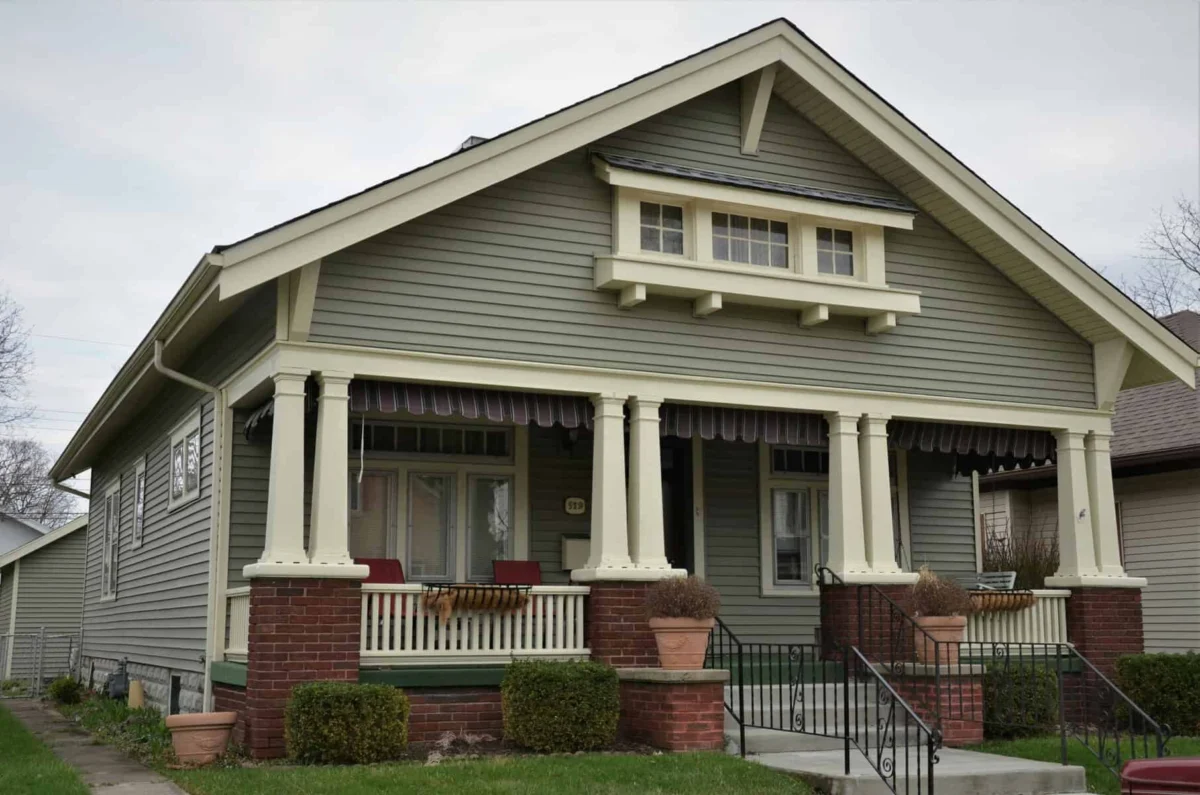
A classic bungalow is typically defined by its one-to-one-and-a-half-story profile. The "bungalow" style emphasizes a connection to nature, often featuring an expansive front porch that serves as an outdoor living room. Key architectural markers include:
- Exposed rafters and knee braces: Decorative support beams under the eaves.
- Tapered columns: Often resting on heavy stone or brick piers.
- Natural materials: Heavy use of wood, stone, and brick to blend the home into its environment.
- Built-in cabinetry: High-quality woodwork, including sideboards and bookcases, which were hallmarks of the era.
The Hierarchy of Renovations: A Chronological Approach
When preparing a Craftsman for the market, homeowners often make the mistake of focusing on "curb appeal" cosmetics before addressing the skeletal health of the building. To maximize ROI, prioritize your projects in this chronological order:
1. Structural and Systems Integrity (The "Invisible" Value)
Before you select a paint color or install quartz countertops, you must address the "bones." Modern buyers, particularly those looking for historic charm, are wary of potential money pits.
- Electrical and Plumbing: Many Craftsman homes still rely on knob-and-tube wiring or galvanized steel pipes. Replacing these with modern copper or PEX plumbing and updated electrical panels is non-negotiable.
- Seismic Retrofitting: In regions like the Pacific Northwest or Southern California, foundation bolting and shear wall strengthening are vital. This is the "real" work that prevents deals from collapsing during the home inspection phase.
2. Envelope Efficiency
A common criticism of older homes is their poor thermal performance. Once the systems are safe, focus on the "envelope." Adding attic insulation and weather-stripping doors can drastically improve the home’s HERS (Home Energy Rating System) score, making it much more attractive to eco-conscious modern buyers.
3. Cosmetic Restoration
Only after the structure is secure should you turn to the visual updates. The goal here is "respectful renovation"—updating the space while keeping the spirit of the 1920s alive.
Expert Perspectives: The Philosophy of "Keeping it Real"
The industry consensus among top real estate developers and restoration experts is clear: authenticity pays.
Jeffrey Nott of Nott & Associates emphasizes the importance of maintaining the traditional layout. "Craftsman homes may not have the expansive, open-concept kitchens that newer builds do, but resisting the urge to knock down every wall is critical," says Nott. "The formal dining room and the defined living room are part of the home’s narrative. When you erase those, you erase the soul of the bungalow."
Oren Amir of Go Home Builders takes a harder line on materials. "You don’t have to keep everything original, but you do have to keep it real," Amir notes. "Craftsman buyers read materials before they read features. If you put in vinyl windows or fake wood-grain cabinets, you are signaling to the buyer that you cut corners. Those ‘modern’ upgrades actually date a house faster than a preserved vintage kitchen would."
Strategic Upgrades: What Adds Value and What Doesn’t?
The Window and Door Dilemma
Replacing windows is a major point of contention. While double-pane windows are preferred for energy efficiency, replacing original wood-sash windows with white vinyl inserts can ruin the exterior aesthetic. The high-value strategy is to opt for wood or aluminum-clad windows that replicate the original divided-light patterns (the "grids" in the glass).
Kitchens and Baths: The Modern-Vintage Hybrid
You do not need to mimic the 1920s to be successful. Instead, aim for a "period-appropriate modern" style.
- Kitchens: Use shaker-style cabinetry (which mimics the clean lines of the era) paired with high-end, classic hardware. Avoid overly trendy, "glam" finishes.
- Baths: Incorporate subway tile or hex-pattern floor tile. These are historically accurate, inexpensive, and widely loved by today’s buyers for their timelessness.
The Power of Paint and Staging
Paint is the most cost-effective way to refresh a tired interior. Ted Clark and Heather Lillard suggest moving away from the dark, heavy wood stains often found in original Craftsman interiors. "Light, warm paint colors can brighten the interiors, while thoughtful staging softens the heavy wood accents," they explain. "The end result is a contemporary feel that respects the craftsmanship."
Supporting Data: The Impact on Resale
According to recent market analysis, homes that retain original architectural details while boasting modernized, energy-efficient systems command a premium over "flipped" homes that have been stripped of their character.
- Inspection Success Rates: Properties that have proactively updated electrical and plumbing systems show a 30% higher success rate in clearing inspections without price renegotiations.
- Market Velocity: Homes that use a "three-color" exterior paint scheme—accentuating the trim, siding, and porch—consistently show higher engagement in online listings compared to homes painted in uniform, neutral tones.
Implications for Future Ownership
The long-term value of a Craftsman bungalow is tied to its scarcity. As modern developments favor steel and glass, the craftsmanship of the early 20th century becomes increasingly rare. Homeowners who treat their bungalow as a stewardship project rather than a "fix-and-flip" opportunity are the ones who capture the highest resale value.
By focusing on the "behind-the-wall" systems, choosing high-quality materials that echo the original architecture, and resisting the pressure to force an open-concept floor plan where it doesn’t belong, you preserve the home’s integrity. In the eyes of a discerning buyer, that integrity is not just a selling point—it is a guarantee of value.
Conclusion: Striking the Balance
Increasing the resale value of a Craftsman bungalow is a balancing act. It requires the homeowner to play the roles of both historian and modern developer. You must be willing to invest in the invisible infrastructure that makes a house a home, while simultaneously curating an aesthetic that feels fresh and inviting.
By honoring the original architecture, upgrading systems to meet modern standards, and using materials that pay homage to the home’s history, you do more than just increase your profit margin. You ensure that the Craftsman bungalow—a symbol of the American spirit of work and home—remains a vibrant, livable space for the next century of residents.