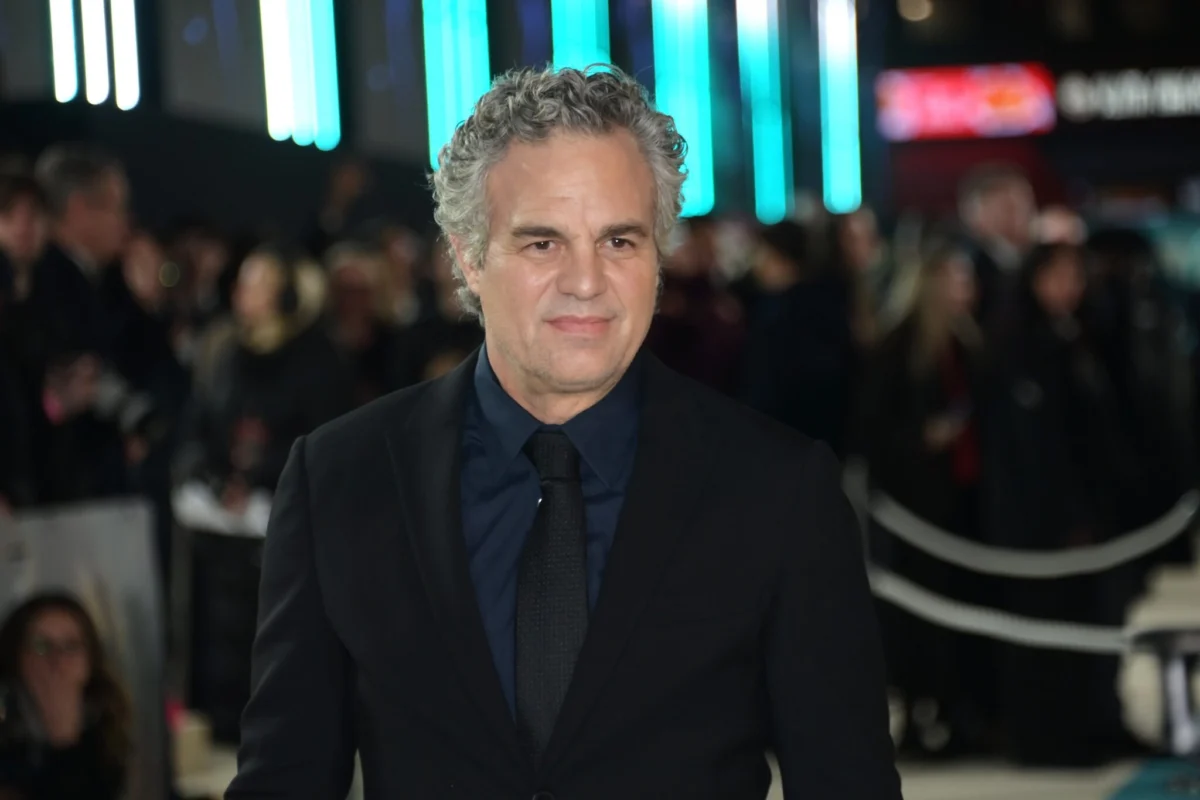
The landscape of American media underwent a seismic shift this week as a federal judge cleared the final legal obstacle for the monumental $111 billion merger between Paramount Global, Skydance Media, and Warner Bros. Discovery. However, the closing of the deal has not silenced its most prominent critics. Led by actor and activist Mark Ruffalo, a coalition of filmmakers and advocacy groups is vowing to continue their "grassroots movement" against what they describe as a dangerous consolidation of media power by "corrupt oligarch billionaires."
On September 30, U.S. District Judge Araceli Martínez-Olguín approved a settlement between Paramount and 12 state attorneys general, effectively green-lighting a transaction that will unite some of the most storied brands in entertainment—including HBO, CNN, CBS, and Warner Bros. Studios—under a single corporate umbrella.
Main Facts: A Merger of Unprecedented Proportions
The approved deal is one of the largest and most complex in the history of the entertainment industry. At its core, the merger represents a rescue and expansion plan for Paramount Global, orchestrated by David Ellison’s Skydance Media and backed by the immense financial reserves of his father, Oracle co-founder Larry Ellison.
Key Components of the Deal:
- Total Valuation: Approximately $111 billion.
- The Players: Paramount Global (parent of CBS, MTV, and Paramount Pictures), Skydance Media, and Warner Bros. Discovery (parent of HBO, CNN, and the Warner Bros. film studio).
- Leadership Transition: Shortly after the court ruling, Paramount announced that Mattel CEO Ynon Kreiz would join the company on October 5, serving as co-CEO alongside David Ellison.
- Financial Backing: Larry Ellison personally guaranteed $40.4 billion to facilitate his son’s acquisition and the subsequent merger.
Despite the judicial approval, the merger remains a lightning rod for controversy. Critics argue that the consolidation will lead to massive layoffs, a reduction in creative diversity, and a dangerous concentration of control over national news outlets.
Chronology: The Path to Approval
The road to this merger was paved with legal challenges and intense public lobbying. The timeline of the deal reflects a high-stakes battle between corporate interests and regulatory oversight.
- July 2024: A coalition of 12 state attorneys general, led by California’s Rob Bonta, filed a lawsuit to block the merger. The states argued that the deal would violate antitrust laws, harm competition in the entertainment sector, and lead to higher prices for consumers.
- August 2024: Public opposition intensified. Mark Ruffalo and the "Block the Merger" coalition launched a massive campaign, gathering over 75,000 signatures and an open letter signed by 5,670 film and TV professionals.
- August 21–22, 2024: A personal feud erupted between Ruffalo and the corporate entities involved. Ruffalo highlighted Oracle’s ties to military technology, leading to a public exchange of accusations regarding antisemitism and corporate ethics.
- September 21, 2024: In a surprise move, Attorney General Rob Bonta announced a settlement with Paramount. The "consent decree" established specific conditions the company must meet to proceed, effectively ending the states’ attempt to block the deal entirely.
- September 30, 2024: Judge Martínez-Olguín formally approved the settlement, dismissing the concerns of outside advocacy groups who argued the settlement was "toothless."
Supporting Data: The Terms of the Settlement
To mitigate concerns about the loss of jobs and the decline of theatrical cinema, the settlement includes several binding "conduct remedies." These are designed to ensure that the newly formed giant continues to invest in the creative economy and maintains a level of editorial independence.
Theatrical and Production Quotas
Under the terms of the consent decree, the combined entity is subject to strict output requirements for the next five years:
- Film Volume: The company must release at least 30 films in theaters annually for the first two years, increasing to 32 films per year for the subsequent three years.
- Independent Support: At least four of these annual releases must be independent productions, ensuring that smaller voices are not entirely crowded out.
- Theatrical Windows: To protect the cinema industry, each film must remain in theaters for a minimum of 45 days. Furthermore, wide releases cannot be moved to subscription streaming platforms for at least 90 days.
- Financial Investment: The company is required to spend an additional $300 million per year on U.S.-based film production above the combined 2025 levels of Paramount and Warner Bros.
Penalties for Non-Compliance
The settlement is backed by significant financial and structural penalties. If the company fails to meet its annual film quota, it must pay $30 million for every film it falls short. These funds will be distributed to industry health and retirement funds, the Motion Picture & Television Fund, and a fund managed by the National Association of Attorneys General. A sustained failure to meet these quotas could also force the company to divest its minority stake in Miramax.
Editorial Independence
Perhaps the most sensitive aspect of the merger is the control of CNN and CBS News. To address fears of political interference, the company must establish a five-member News Editorial Independence Board within 180 days of closing. This board, comprised of veteran journalists, is tasked with setting editorial principles and resolving disputes regarding editorial integrity.
Official Responses: A War of Words
The approval of the merger has triggered a sharp exchange of statements between the activists and the corporations.
Mark Ruffalo’s Condemnation
Hours after the ruling, Ruffalo took to X (formerly Twitter) to express his outrage:
"This merger will stifle creativity, weaken free speech, and cost people their jobs—it is a bad deal for this country and should never have been approved. This was never about just one merger: this was about fighting back against corrupt oligarch billionaires trampling the interests of everyday people to line their own pockets."
Ruffalo’s criticism has been particularly pointed regarding the Ellison family. He previously raised alarms about Oracle’s executive vice chair, Safra Catz, and the "surveillance technology" Oracle provides to foreign militaries. Ruffalo argued that such technology could eventually be integrated into the media conglomerate’s data operations.
Paramount’s Rebuttal
Paramount has consistently dismissed Ruffalo’s criticisms, at one point accusing him of invoking "antisemitic tropes" by using words like "genocide" and "apartheid" in relation to a business dispute involving Jewish executives.
In a formal statement, the company urged critics to "lower the temperature," asserting that the merger is a necessary step to ensure the survival of these iconic brands in an era dominated by tech giants like Netflix and Apple.
The Judicial Perspective
In her ruling, Judge Martínez-Olguín acknowledged the passion of the objectors but remained firm on the legal reality. She noted that while groups like Free Press and the International Documentary Association wanted the settlement to "reach farther," their dissatisfaction did not constitute a legal violation of the public interest.
Implications: The Future of Hollywood and Media
The implications of this merger extend far beyond the balance sheets of the companies involved. This deal represents a definitive moment in the "Tech-ification" of Hollywood.
1. The Consolidation of Power
By placing CNN, HBO, and Warner Bros. under the influence of the Ellison family, the merger creates a concentration of media power rarely seen in American history. Critics argue that when a single family—backed by "foreign money" and tech-sector wealth—controls the primary sources of both news and entertainment, the "editorial freedom" of the press is inherently at risk.
2. The Survival of Theatrical Cinema
The settlement’s mandate for 30+ theatrical releases is a win for theater owners, but many wonder if it is enough. With the rise of streaming, the 45-day theatrical window is a defensive measure. If the combined company prioritizes its own streaming services over long-term theatrical growth, the "independent production" requirements may become mere box-checking exercises.
3. The Precedent for Future Mergers
The success of this deal may embolden other media giants to seek similar consolidations. If the "conduct remedies" (like the Editorial Board and film quotas) are seen as effective, they may become the standard template for future antitrust settlements in the entertainment industry. However, if they prove "toothless," as Ruffalo suggests, the industry may see a further erosion of labor rights and creative autonomy.
4. The Persistence of Grassroots Activism
Mark Ruffalo’s refusal to back down signals a new era of celebrity activism in corporate governance. The "Block the Merger" coalition has demonstrated that a significant portion of the creative workforce is willing to publicly oppose their employers on matters of market structure and ethics. Ruffalo’s parting words—"We’re still in that fight. Join us"—suggest that while the legal battle for this specific merger may be over, the cultural and political battle over media ownership is just beginning.
As the industry prepares for the formal closing of the deal in the coming days, all eyes will be on David Ellison and Ynon Kreiz to see if they can reconcile the demands of their $111 billion empire with the concerns of the creators who provide its lifeblood.