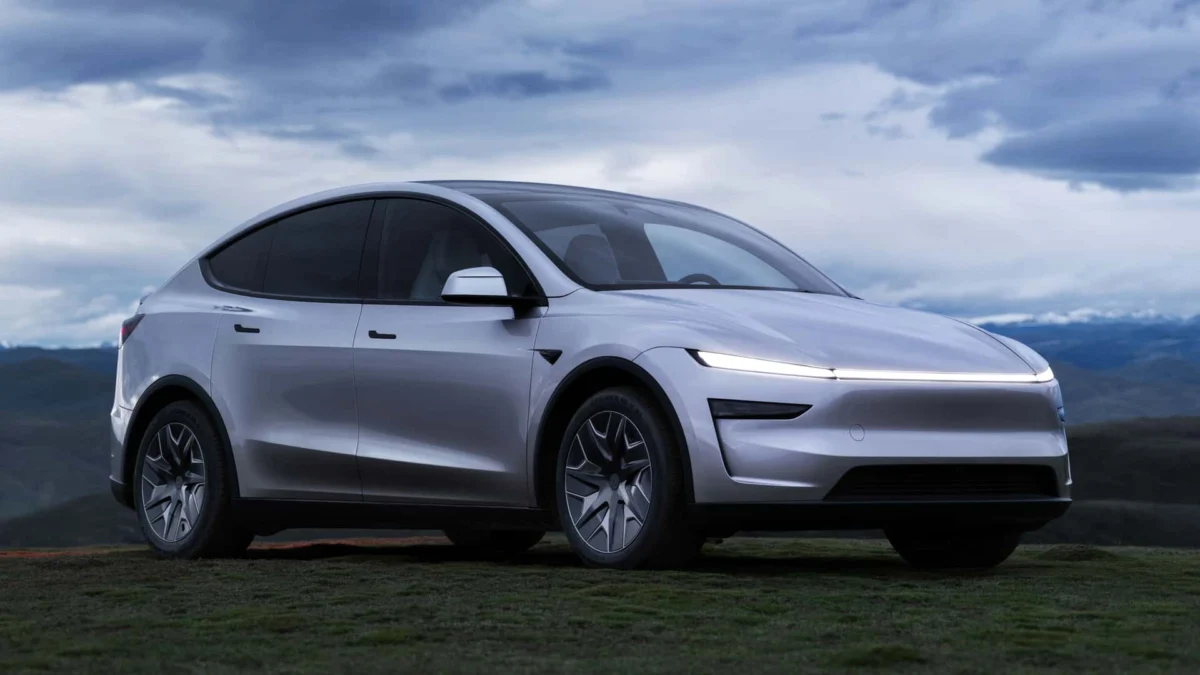
In the high-stakes world of electric vehicle manufacturing, range is the primary currency. For years, automakers and consumers alike have looked to the Environmental Protection Agency (EPA) as the final arbiter of truth regarding how far an EV can travel on a single charge. Recently, Tesla found itself on the receiving end of a rare and favorable discrepancy: the EPA has officially certified the new 2027 Tesla Model Y L Premium All-Wheel Drive with range figures that comfortably exceed the automaker’s own initial internal estimates.
For prospective buyers, this news is more than just a footnote in a spec sheet; it is a significant validation of the engineering refinements Tesla has implemented in its latest six-seat SUV variant. As the automotive industry shifts toward more specialized segments, the Model Y L—a longer, more family-oriented iteration of the world’s best-selling car—now boasts the longest range in the current Tesla Model Y lineup.
The Discrepancy: Beating the Internal Estimate
When Tesla first began accepting orders for the Model Y L, the company’s online configurator projected an estimated range of 325 miles. While this figure was respectable, it was seemingly conservative compared to what the EPA discovered during its rigorous standardized testing procedures.
The federal agency’s official certification places the Model Y L Premium AWD at 332 miles when equipped with the standard 19-inch Machina 2.0 wheels. This represents a 7-mile improvement over Tesla’s initial calculation. The trend holds steady even when customers opt for larger, more aesthetically aggressive wheel options. For instance, the 20-inch "Uberhelix" wheels, which Tesla initially pegged at 320 miles, were officially certified by the EPA at 328 miles—an 8-mile surplus that confirms the initial certification was not a statistical anomaly.
Chronology of the Model Y L Rollout
The introduction of the Model Y L was a strategic move by Tesla to bridge the gap between the standard two-row Model Y and the more expensive, larger Model X. The timeline of its release has been marked by a focus on "Launch Series" reservations and the gradual rollout of demonstrator units to Tesla showrooms nationwide.
- Announcement and Launch Series: Tesla introduced the six-seat configuration to address the growing demand for a more versatile, three-row-capable mid-size SUV. Early adopters were invited to secure "Launch Series" units, signaling the start of a new chapter for the Y-platform.
- Showroom Presence: In the months following the initial reveal, Tesla began populating its retail locations with display models. This allowed potential customers to experience the increased legroom and the revised interior layout firsthand.
- EPA Certification Phase: As units reached the hands of early testers, the vehicle underwent the standard federal certification process. This stage is critical for any new EV model, as it provides the official range rating required for marketing and regulatory compliance in the United States.
- The "Range Correction": Upon the release of the official EPA data, the narrative surrounding the Model Y L shifted. The realization that the vehicle could travel further than originally promised turned a routine regulatory update into a notable win for consumer value.
Engineering for Efficiency: The "L" Advantage
The question on many industry analysts’ minds is how a vehicle with a larger physical footprint—and therefore more mass—manages to out-range its smaller sibling. The answer lies in a series of subtle but impactful engineering choices.
The Model Y L benefits from a refined battery architecture that offers higher energy density. Furthermore, the design team at Tesla focused heavily on aerodynamic efficiency. Most notably, the vehicle features an integrated rear spoiler that is molded directly into the body shell. Unlike traditional bolt-on spoilers, which can create drag-inducing turbulence, this seamless design allows air to flow more cleanly over the rear of the vehicle, reducing the energy required to maintain highway speeds.
These aerodynamic improvements, coupled with a slightly larger battery pack, ensure that the Model Y L maintains its efficiency even as it accommodates a third row of seating. While the wheelbase is longer than the standard Model Y, the net result is a more aerodynamically "slick" profile that effectively negates the weight penalty of the additional seats.
Comparative Analysis: Standard Model Y vs. Model Y L
To understand the significance of these numbers, one must look at how the Model Y L compares to the standard Model Y Premium AWD. The standard Model Y has long been the benchmark for the segment, but its performance profile changes drastically when wheel sizes are altered.
The Wheel Penalty Dilemma
On the standard Model Y, moving from 19-inch wheels to 20-inch wheels typically results in a significant range drop. The standard model falls from an EPA-rated 327 miles down to 303 miles when equipped with larger wheels—a substantial 24-mile sacrifice in range for the sake of aesthetics.
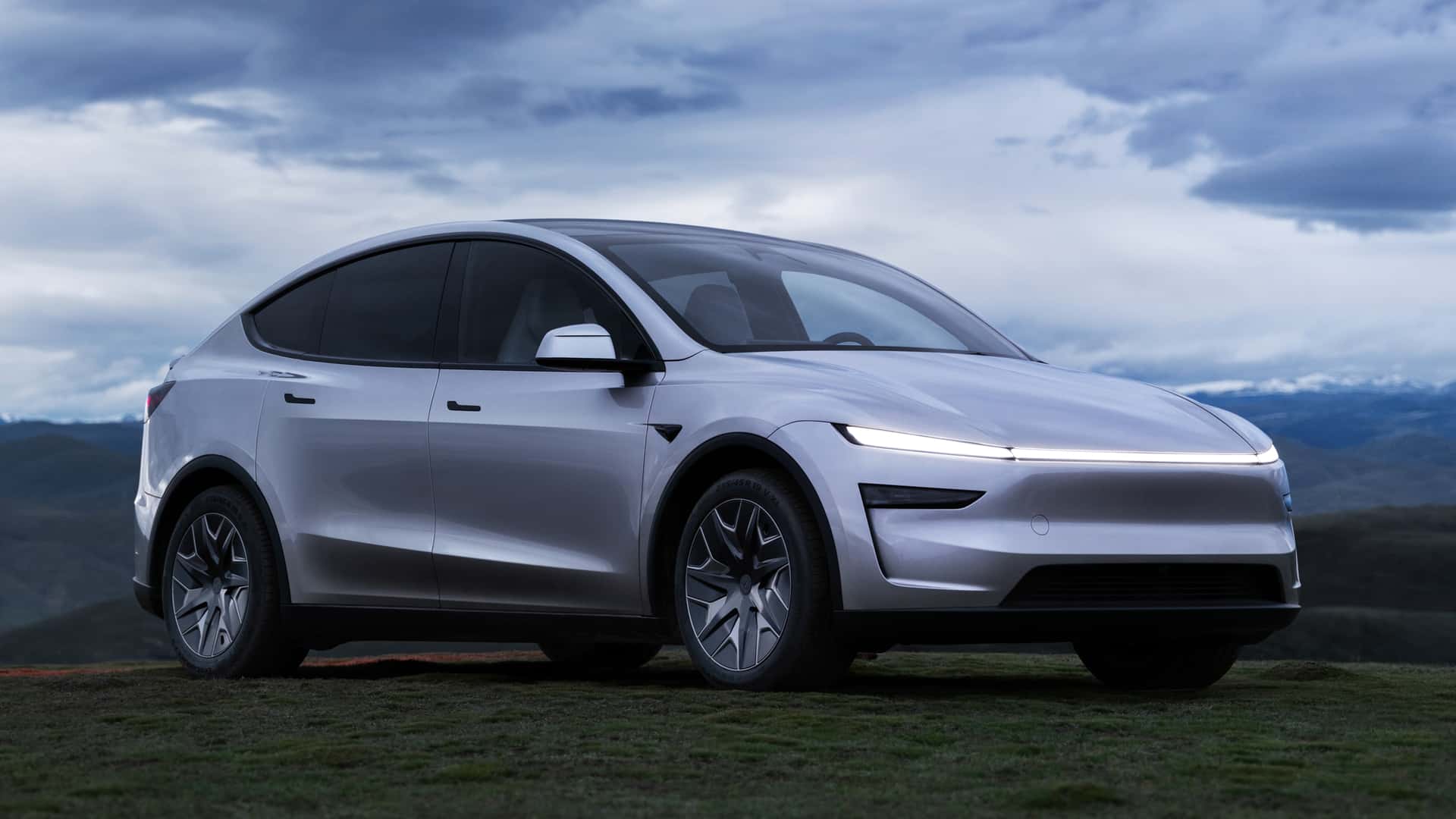
In contrast, the Model Y L shows remarkable resilience. It drops only 4 miles (from 332 to 328) when opting for the 20-inch Uberhelix wheels. This loss is barely over 1 percent of the total range, whereas the standard Model Y loses nearly 7.5 percent of its range in the same transition. For the style-conscious buyer, this makes the Model Y L a much more practical choice, as the "aesthetic tax" on battery life is significantly lower than that of the standard model.
Official Responses and Market Implications
While Tesla has not issued a formal press release regarding the "hidden" extra miles, the updated figures have been integrated directly into the company’s online configurator. This serves as a tacit acknowledgment that the vehicle’s performance has exceeded initial expectations.
Industry observers note that this development is likely to influence how competitors market their own three-row electric SUVs. With the EPA now having weighed in, the burden of proof has shifted to other manufacturers to demonstrate that their vehicles can achieve similar efficiency levels while maintaining comparable interior utility.
Furthermore, this certification provides Tesla with a powerful marketing tool. The Model Y L is no longer just a "six-seat option"; it is now officially the longest-range vehicle in the Model Y family, a distinction that carries significant weight for families who prioritize long-distance road-tripping.
Future Outlook: Real-World Testing
While the EPA figures provide a standardized baseline, the automotive community is already looking toward independent real-world testing. The EPA’s test cycles are rigorous, but they do not always mirror the varying speeds, temperatures, and terrain found in everyday driving.
As more Model Y L units hit the road, independent reviewers and long-term owners will be expected to conduct their own range tests. These "real-world" trials will be the final test of whether the vehicle’s efficiency holds up under less-than-ideal conditions, such as high-speed interstate travel or extreme weather.
For the consumer, the takeaway is clear: the Model Y L has moved from a speculative new product to a verified high-performer. By exceeding its own estimated range, Tesla has signaled that its manufacturing processes and design refinements are continuing to evolve at a rapid pace.
Conclusion: A Win for the Consumer
The fact that the Model Y L has been certified for 332 miles is a rare positive surprise in the automotive sector. Usually, EPA certifications either match or fall slightly short of manufacturer estimates due to the agency’s strict testing protocols. To see an increase of 7 to 8 miles suggests that Tesla’s engineering team was not only accurate in their design but perhaps overly cautious in their initial reporting.
For the potential buyer, this development makes the decision-making process significantly easier. If you were previously on the fence about the Model Y L because you were concerned about a potential range deficit, the new data provides a compelling reason to reconsider. The ability to choose larger wheels without suffering a major range penalty, combined with the extra interior space, cements the Model Y L as a top-tier contender in the premium electric SUV market.
As we look toward the future of the EV market, the Model Y L stands as a testament to the importance of incremental gains. In the race to electrify the family garage, it is often these small improvements in range and efficiency that ultimately determine which vehicles become market leaders and which are left in the rearview mirror. Consumers are encouraged to monitor upcoming independent range tests, but for now, the official word from the EPA is a clear green light for the latest addition to the Tesla fleet.