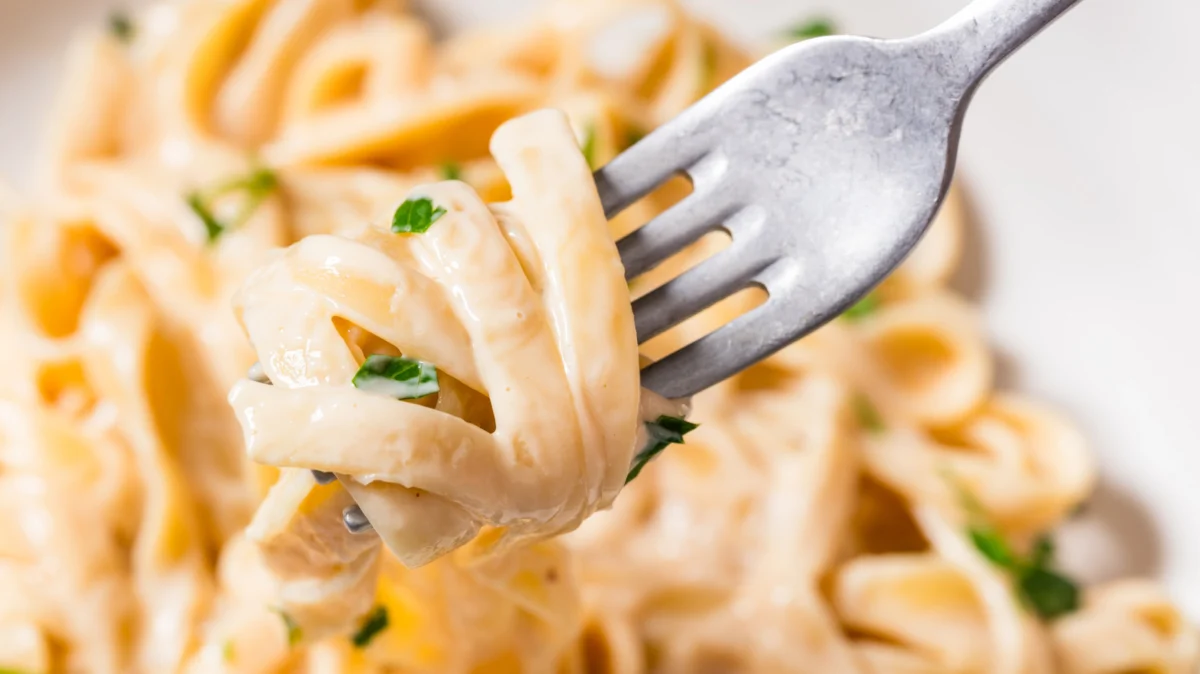
In the high-stakes world of weeknight meal preparation, the pasta aisle often serves as the final frontier for the time-strapped home cook. Between the rows of premium marinara and the endless varieties of artisanal jarred pestos, one might overlook a humble, 10.5-ounce neighbor in the canned goods section: Campbell’s Garlic Parmesan with Herbs condensed soup. While intended for the saucepan or the slow cooker, this savory base is rapidly gaining traction as a sophisticated, ultra-convenient shortcut for a restaurant-quality pasta sauce.
For those navigating the complexities of modern dining, where the balance between quality, budget, and time is increasingly difficult to strike, this "pantry hack" offers a compelling solution. By repurposing a classic condensed soup, home cooks are discovering that they can achieve the velvety, garlic-forward profile of a traditional Alfredo without the multi-step roux or the premium price tag of gourmet jarred sauces.
The Evolution of the Pantry Shortcut
The culinary landscape has undergone a significant shift over the past decade. As inflation impacts grocery bills and the "attention economy" leaves many with limited time for elaborate kitchen prep, the demand for "semi-homemade" solutions has skyrocketed. The practice of using condensed soups as a base for sauces is not new—home cooks have long utilized cream of mushroom or chicken to thicken casseroles—but the pivot toward using a herb-forward, cheese-based soup as a primary pasta sauce marks a new frontier in convenience cooking.
Campbell’s Garlic Parmesan with Herbs was designed to provide a quick, punchy base for soups, but its flavor profile—characterized by pungent allium notes, nutty Parmesan, and a sophisticated blend of basil and oregano—aligns perfectly with the foundational requirements of a classic white pasta sauce. By utilizing this product as a base, cooks are effectively skipping the time-consuming process of emulsifying cream, butter, and cheese, moving directly to a finished product that is ready in minutes.
Chronology: From Soup Can to Dinner Plate
The transformation of this canned item into a pasta staple generally follows a three-stage culinary process:
- The Base Phase: The process begins with the 10.5-ounce can. Because the soup is condensed, it possesses a high viscosity, aided by ingredients like wheat flour and cornstarch. This provides the "body" necessary for a sauce that clings to pasta rather than sliding off it.
- The Reduction Phase: To reach the ideal consistency, the soup must be diluted. Whether using water, whole milk, heavy cream, or chicken stock, the cook can dictate the final texture. By heating the mixture over medium-high heat, the sauce reduces and develops a refined, velvety mouthfeel.
- The Enhancement Phase: The final stage involves balancing the acidity and freshness. A squeeze of lemon juice or a splash of white vinegar cuts through the density of the dairy, brightening the heavy garlic and Parmesan notes. This is where the dish transitions from "canned soup" to a bespoke culinary creation.
Supporting Data: Why It Works
The scientific appeal of this hack lies in the balance of emulsifiers and aromatics. In a professional kitchen, an Alfredo sauce relies on the delicate balance of fat and protein. The Campbell’s formula, while engineered for shelf stability, mimics this structure.
The Chemistry of the Sauce
The inclusion of cornstarch and wheat flour serves a dual purpose: it acts as a thickening agent and an emulsifier. This prevents the sauce from breaking—a common issue when home cooks attempt to melt large quantities of Parmesan into cream. Furthermore, the pre-existing herb blend (basil and oregano) provides a foundation of "peppery warmth" that would otherwise require a well-stocked spice cabinet to replicate from scratch.
Customization Potential
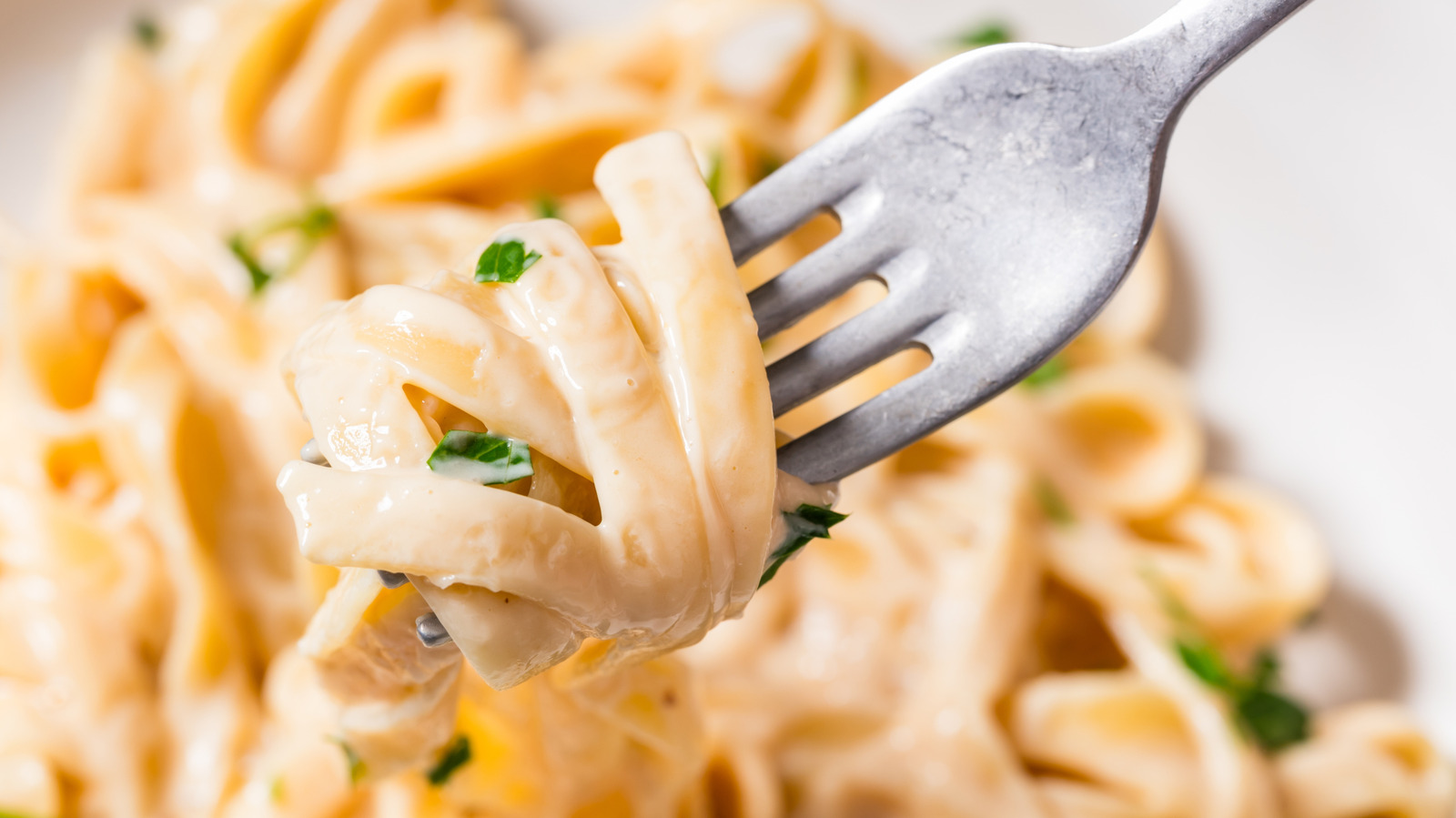
One of the primary benefits of this method is its adaptability to different pasta shapes. For those preparing "nook-heavy" pastas like fusilli or rigatoni, adding extra dairy (heavy cream or milk) creates a coating that hides within the crevices of the noodles. Conversely, for long, thin pasta like bucatini or spaghetti, using a thinner liquid base—such as a high-quality chicken or vegetable stock—allows the sauce to coat the strands evenly without becoming overly heavy.
The Nutritional and Dietary Landscape
While this method provides significant time savings, it is important to address the dietary profile. As noted by culinary nutritionists, this shortcut is not suitable for everyone. The product contains dairy, wheat, and soy, making it off-limits for those with gluten sensitivities or lactose intolerance.
However, for the general population, the ability to "bulk up" the dish with nutrient-dense additions is a significant advantage. By folding in sautéed broccoli, roasted cauliflower, or wilted spinach, the home cook can transform a high-sodium, carb-heavy meal into a balanced dish that incorporates fiber and essential vitamins. Furthermore, the addition of lean proteins—such as grilled chicken, sautéed shrimp, or even plant-based options like chickpeas—ensures that the meal is satiating without requiring an extensive list of ingredients.
Implications for Modern Meal Prep
The rise of the "canned soup sauce" trend speaks to a broader implication for home cooking: the democratization of high-end flavors. In the past, the difference between a "good" home meal and a "restaurant" meal was often the time required to develop flavor. By utilizing products that have already undergone the development process, the average cook can achieve flavor depth that was previously inaccessible during a 20-minute weeknight window.
Enhancing the Experience
For those looking to elevate this dish further, culinary experts suggest a few key additions:
- Aromatics: Sautéing fresh minced garlic or shallots in olive oil before adding the soup base can deepen the allium profile.
- Fresh Herbs: While the soup contains dried herbs, finishing the dish with a handful of freshly chopped parsley, basil, or even a touch of thyme adds a brightness that signals "freshly prepared."
- Heat and Texture: A sprinkle of red pepper flakes or toasted breadcrumbs (pangrattato) can add a necessary contrast in texture and heat, elevating the dish from a simple bowl of pasta to a thoughtfully constructed meal.
Official Perspectives and Industry Trends
While Campbell’s has not explicitly rebranded the soup as a pasta sauce, their social media presence—including TikTok tutorials showcasing "Lemon Garlic Parmesan & Herbs Shrimp Pasta"—indicates an awareness of how their consumer base is utilizing the product. This reflects a wider industry trend where manufacturers are paying closer attention to "hack culture." By observing how consumers use their products in non-traditional ways, brands can better understand the shifting needs of the modern pantry.
The success of this hack also points to a decline in the stigma previously associated with using canned goods in scratch cooking. In the current era of "kitchen pragmatism," the measure of a good cook is increasingly defined by their ability to produce a delicious, satisfying meal under pressure, regardless of whether the ingredients were sourced from a farmer’s market or a supermarket aisle.
Conclusion
The use of Campbell’s Garlic Parmesan with Herbs soup as a pasta sauce is more than just a fleeting internet trend; it is a testament to the ingenuity of the modern cook. By understanding the structural benefits of the product—its thickening agents, its balanced flavor profile, and its versatility—home cooks can reclaim their weeknights without sacrificing the comfort of a creamy, garlic-laden pasta dish. As we continue to navigate the demands of a fast-paced world, the pantry hero that saves us time while delivering on flavor will remain a staple in the modern kitchen, proving that sometimes, the most sophisticated solutions are hiding in plain sight on the grocery shelf.