MINNEAPOLIS — Nine months after the fatal shooting of 37-year-old Renee Good by a federal immigration agent, her family has launched a significant legal offensive against the United States government and high-ranking administration officials. The legal action, filed Thursday in the U.S. District Court for the District of Minnesota, seeks to hold the federal government accountable for what attorneys describe as a “targeted campaign of intimidation” that ended in the death of an unarmed mother of three.
The filings represent a critical escalation in the ongoing national debate surrounding the scope of federal immigration enforcement and the constitutional protections afforded to citizens and residents during heightened enforcement operations.
The Core Allegations: A Case of Wrongful Death
The family of Renee Good has initiated two distinct federal civil lawsuits, each targeting different facets of the federal government’s involvement in the January 7, 2026, incident on Portland Avenue in South Minneapolis.
The First Complaint: Claims Against the United States
The first lawsuit names the United States as the sole defendant under the Federal Tort Claims Act (FTCA). The complaint paints a harrowing picture of the events of January 7, asserting that Good—who had no criminal history and was not the subject of any law enforcement investigation—posed no threat to federal agents at the time of her death.
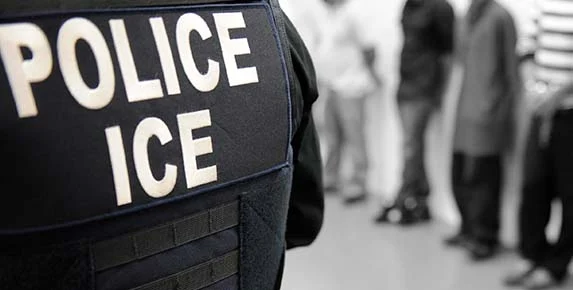
According to the legal filing, Good and her partner, Rebecca Good, were stationary in their vehicle, observing ICE activity in their neighborhood, when ICE agent Jonathan Ross approached. The complaint alleges that as Good attempted to slowly drive away from the scene, Agent Ross fired three shots into her vehicle. The Hennepin County Medical Examiner later officially ruled the death a homicide.
The lawsuit asserts claims of battery, assault, false imprisonment, intentional infliction of emotional distress, and negligence. It seeks compensatory damages for Brent Ganger (Good’s brother), acting as trustee for the family, to address the pecuniary losses and the immense psychological trauma inflicted upon Good’s next of kin.
The Second Complaint: Allegations of Conspiracy
The second filing takes a more aggressive legal stance, invoking civil rights statutes to name specific individuals as defendants. Alongside Agent Jonathan Ross, the lawsuit targets several high-profile members of the administration, including White House Deputy Chief of Staff Stephen Miller, former Homeland Security Secretary Kristi Noem, and Border Czar Tom Homan.
This complaint alleges that these officials and other federal actors coordinated a targeted conspiracy against Minnesotans of Somali and Hispanic descent under the umbrella of "Operation Metro Surge." The plaintiffs contend that this operation was not merely a law enforcement initiative but a calculated political strategy designed to intimidate marginalized communities and silence those who advocate for them. The suit seeks both compensatory and punitive damages and demands a jury trial, signaling the family’s intent to bring the details of this policy to a public forum.
Chronology of a Tragedy
The path to these lawsuits has been marked by mounting tension and public outcry in Minnesota.
- January 7, 2026: Renee Good is shot and killed by an ICE agent on Portland Avenue in South Minneapolis while observing federal enforcement activity.
- January 2026: The incident sparks immediate protests and calls for transparency from local leaders and community organizations.
- February 2026: The FBI formally takes over the investigation into the shooting, following reports of irregularities and concerns regarding the initial federal response.
- March 2026: The "Minnesota Truth Council" is established to document the widespread impact of Operation Metro Surge, providing a platform for affected families to share their experiences of federal overreach.
- October 1, 2026: Nine months after the incident, the family of Renee Good files two federal civil lawsuits in the U.S. District Court for the District of Minnesota.
Operation Metro Surge: Contextualizing the Enforcement Climate
The legal filings against senior administration officials provide a glimpse into the controversial tactical environment that characterized the early months of 2026. Operation Metro Surge was marketed by federal officials as an essential mechanism to bolster immigration enforcement in inland cities. However, the plaintiffs’ legal team argues that the reality on the ground was far more draconian.
Data gathered by civil rights organizations suggests that operations in Minneapolis during this period saw a marked increase in the presence of federal tactical teams in residential neighborhoods. The lawsuits contend that these deployments were intended to create a climate of fear, specifically targeting demographic groups identified by the administration as “priority populations.”
The "Minnesota Truth Council," which has been documenting the impact of these surges, has collected dozens of testimonies alleging that agents engaged in aggressive stop-and-frisk tactics, warrantless entry, and the intimidation of community observers. The death of Renee Good is now being framed by her legal counsel as the inevitable, tragic outcome of a policy that prioritized performative enforcement over civil rights and public safety.
Official Responses and Federal Stance
To date, the federal government has maintained a guarded stance regarding the pending litigation. The Department of Homeland Security (DHS) has not yet issued a formal statement regarding the specific allegations of a conspiracy involving Stephen Miller, Kristi Noem, and Tom Homan.
However, historical records from the agency indicate that officials have consistently defended Operation Metro Surge as a lawful and necessary exercise of federal authority. In previous briefings, agency spokespersons characterized the agents’ actions in Minneapolis as “standard procedure in high-risk environments.” They have often cited the “discretionary function exception” under the FTCA, which generally protects federal employees from being held liable for the performance of their duties, even if those duties result in injury or death.
Legal experts following the case note that the plaintiffs face a significant hurdle in overcoming these sovereign immunity protections. However, the inclusion of high-ranking administration officials in the second lawsuit is a strategic move designed to bypass typical immunity by proving that these officials acted outside the scope of their legal authority by orchestrating a discriminatory conspiracy.
The Legal and Societal Implications
The lawsuits filed by the Good family are likely to have far-reaching consequences that extend well beyond the courtroom.
Constitutional Precedents
If the plaintiffs succeed in securing a trial, the case could set a significant precedent regarding the limits of executive power. The central question for the court will be whether the federal government can be held accountable for the political motivations behind law enforcement operations. If the court finds that Operation Metro Surge was indeed a coordinated effort to intimidate specific ethnic communities, it could force a radical restructuring of how ICE operates in urban centers.
The Impact on Minnesota
For the residents of Minneapolis, the case represents more than a legal dispute; it is a search for validation. The death of a well-regarded mother of three has left a scar on the community, one that is being reopened by the ongoing silence from federal authorities. The plaintiffs’ demand for a jury trial reflects a desire for a public accounting of the events of January 7, hoping to transform their private grief into a catalyst for policy change.
The Role of Transparency
The intervention of the FBI earlier this year suggested that the initial ICE investigation was viewed with skepticism even by other federal agencies. The lawsuits serve to keep the spotlight on the necessity of independent oversight in federal policing. As the case moves forward, the disclosure of internal documents—which the plaintiffs will likely demand during the discovery phase—could reveal the extent to which political directives influenced tactical decisions on the streets of Minneapolis.
Conclusion: A Call for Accountability
As the U.S. District Court for the District of Minnesota prepares to process these complaints, the family of Renee Good stands as a symbol of the growing resistance against unchecked federal enforcement. For Brent Ganger and Rebecca Good, the goal is twofold: to obtain a measure of justice for the life lost on Portland Avenue, and to ensure that the practices that led to her death are dismantled.
The dual-track legal approach—addressing the physical act of the shooting and the underlying administrative conspiracy—highlights the multifaceted nature of the challenge. Whether these lawsuits will succeed in shifting the paradigm of federal immigration enforcement remains to be seen. However, by bringing the names of high-level architects of policy into the public record alongside the name of their lost loved one, the Good family has ensured that the events of January 2026 will remain at the forefront of the American conversation on civil rights for months to come.
The courtroom proceedings, should they reach trial, promise to be a pivotal moment in the history of Minnesota’s relationship with federal law enforcement—a moment that will test the judiciary’s willingness to hold the highest levels of the executive branch accountable for the human cost of their policies.