As the animation industry turns its gaze toward the highly anticipated December 18 premiere of Brad Bird’s Ray Gunn on Netflix, the director is providing fans with more than just a trailer. In an exclusive discussion at the Annecy International Animation Film Festival, the visionary behind The Incredibles and Ratatouille pulled back the curtain on a project he has been nurturing for nearly three decades.
Described by Bird as a stylistic collision where "The Maltese Falcon meets Buck Rogers," Ray Gunn represents a passion project that synthesizes the grit of hard-boiled detective fiction with the boundless imagination of pulp science fiction. To prepare audiences for the visual and thematic landscape of his new film, Bird has curated a list of five essential films—a "cinematic syllabus"—that capture the DNA of his upcoming project.
The Core Concept: A Retro-Futuristic Vision
At the heart of Ray Gunn lies a deliberate, structural contradiction. The film is set in the sprawling, vertical metropolis of Metropia—a world characterized by Art Deco architecture, towering skyscrapers, and a landscape dominated by the trappings of a mid-century vision of the future.
"I like the contradiction of things that are considered very modern and futuristic, but having it look like a person 70 years ago imagined the future," Bird explained.
In this world, the heavy lifting of law enforcement has been outsourced to machines, yet the human element remains stubbornly present in the form of Ray Gunn (voiced by Sam Rockwell), a private investigator navigating the moral gray zones of the city. The plot centers on Gunn’s involvement with Venus Nova (voiced by Scarlett Johansson), a pop star whose career-threatening scandal pulls the detective into a web of intrigue that transcends the typical genre boundaries. For Bird, the noir aesthetic is not a relic of the past, but a timeless framework for exploring the human condition, one that he argues will "never go out of style."
A Chronology of Inspiration: The Evolution of Noir
The films Bird recommends are not merely stylistic touchstones; they represent the evolution of the noir genre from its black-and-white origins to its modern, high-concept iterations. By examining these films, viewers can begin to piece together the tonal balancing act Bird is attempting with Ray Gunn.

1. The Killing (1956)
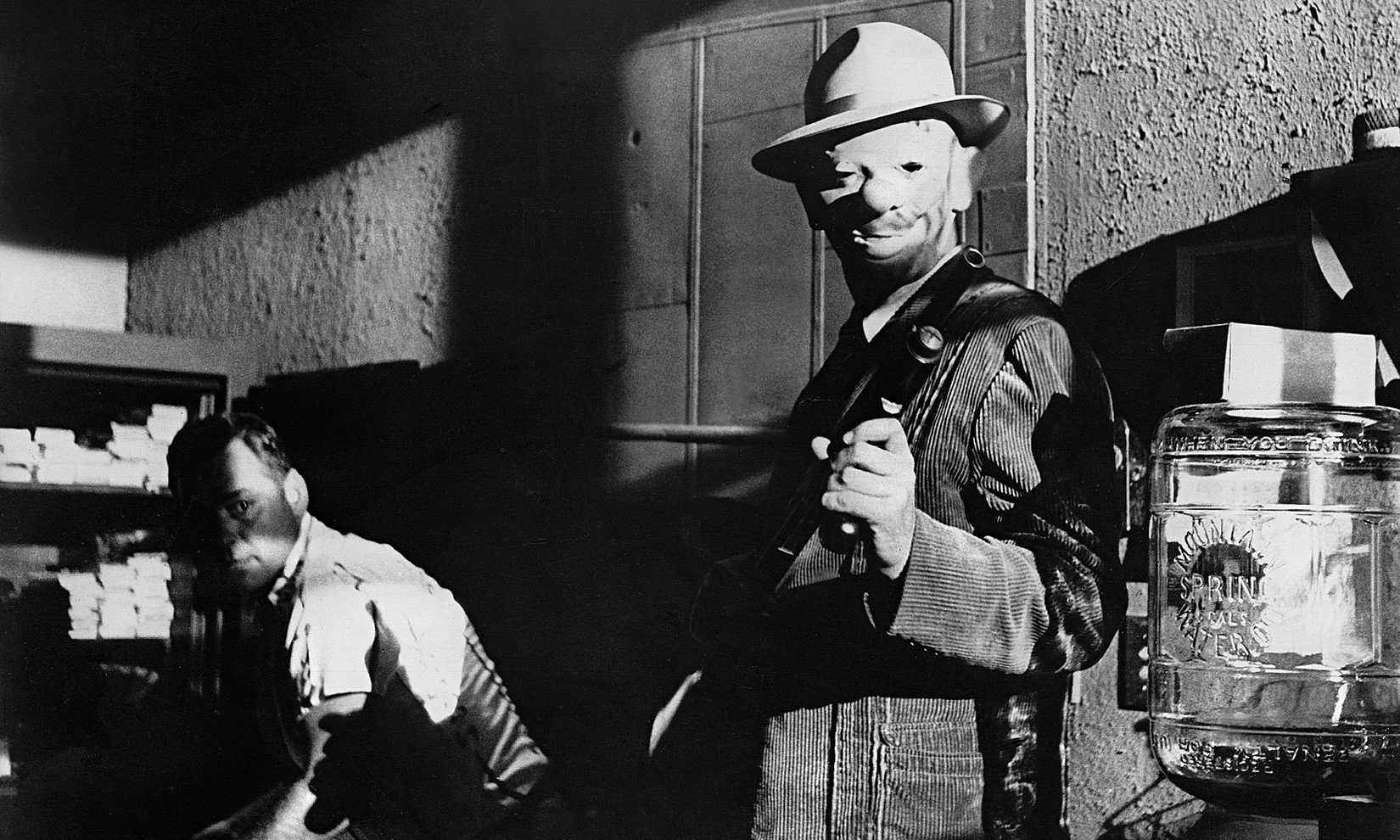
Before Stanley Kubrick became the master of space epics like 2001: A Space Odyssey, he cut his teeth on the razor-sharp tension of the heist film. The Killing serves as a masterclass in narrative structure and character-driven cynicism. The story of Johnny Clay (Sterling Hayden) and his ill-fated attempt to heist a racetrack remains a foundational text for any director attempting to modernize the crime thriller. Bird’s inclusion of this film highlights his interest in the "doomed heist" trope—a staple of noir that emphasizes the inevitability of failure when greed meets human fallibility.
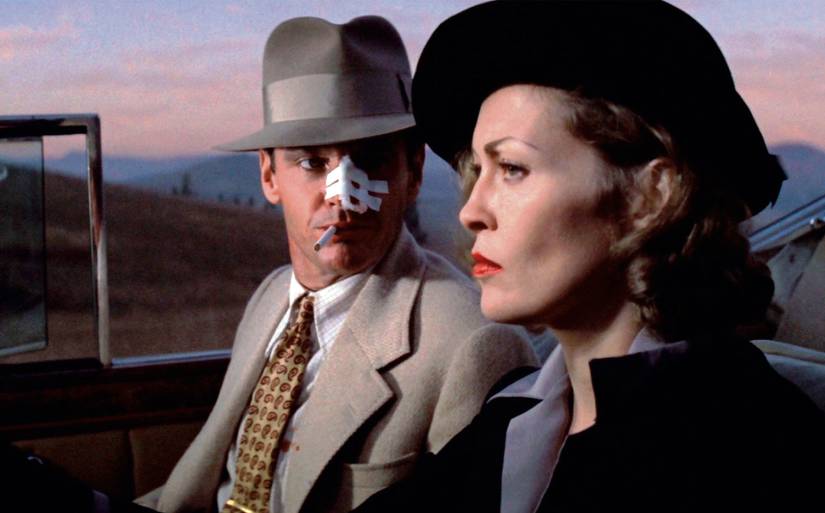
2. Chinatown (1974)
Roman Polanski’s masterpiece is, in Bird’s estimation, "practically a perfect movie." Set in 1937, it serves as a bridge between classic detective fiction and the disillusioned atmosphere of the 1970s. For Ray Gunn, Chinatown provides a blueprint for how to use a seemingly "routine" case to peel back the layers of systemic corruption. Its focus on the exploitation of the vulnerable by those in power provides the thematic weight necessary to ground a science fiction premise in real-world stakes.
3. L.A. Confidential (1997)
Curtis Hanson’s adaptation of James Ellroy’s novel represents the "ensemble" peak of the genre. By juggling the competing interests of three distinct LAPD officers, the film offers a multifaceted look at the dark side of a city’s soul. Bird’s admiration for this film likely stems from its ability to maintain a complex, twisty plot while keeping the audience emotionally tethered to its deeply flawed protagonists—a skill essential for an animated film that needs to balance action with intricate character beats.

4. The Big Lebowski (1998)
Perhaps the most surprising entry on the list, the Coen Brothers’ cult classic demonstrates that noir does not always have to take itself deathly seriously. Bird highlights the film’s "completely absurd" nature while praising it as one of the funniest films ever made. Its connection to Ray Gunn lies in its reverence for Raymond Chandler-style tropes, twisted through a lens of total narrative unpredictability.
5. Blade Runner 2049 (2017)
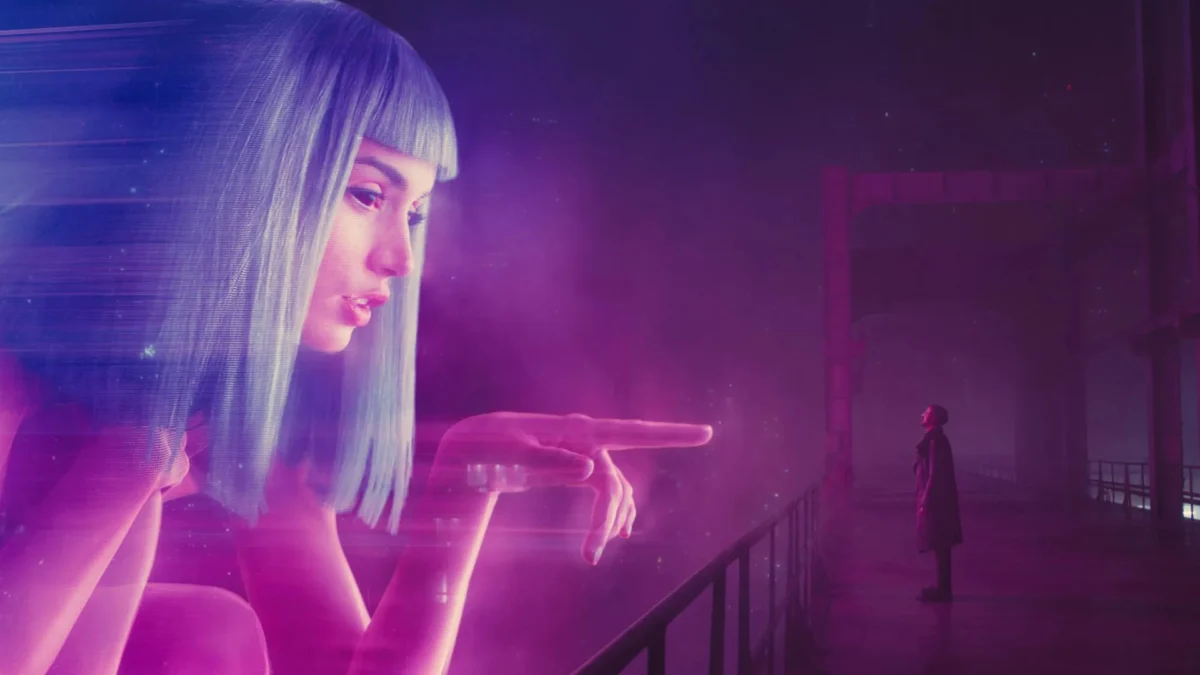
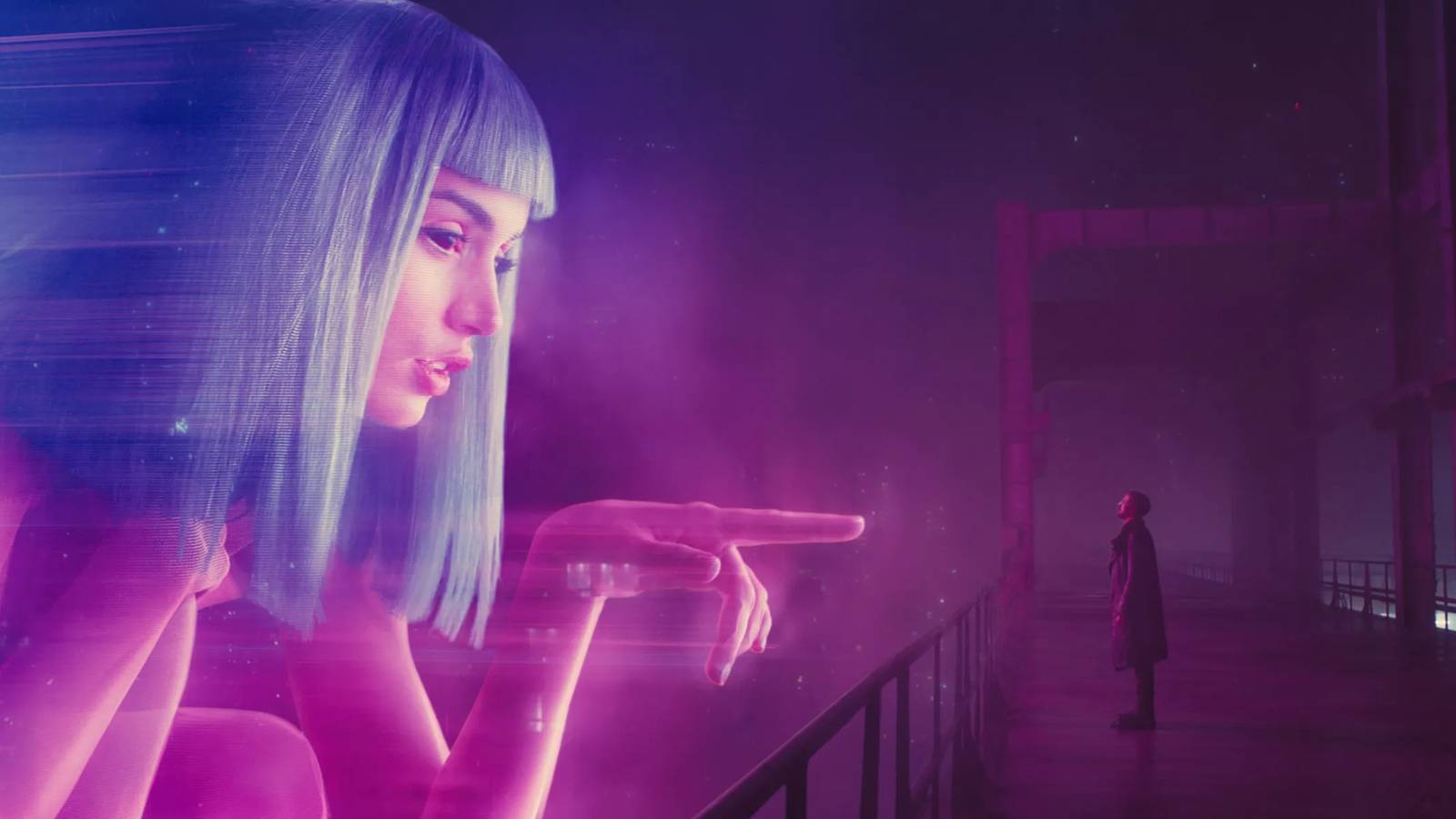
The only modern entry, Denis Villeneuve’s sequel is, according to Bird, a "superior sequel" to the original Blade Runner. This film is the visual bedrock for Ray Gunn. Its depiction of a decaying, high-tech Los Angeles—filled with giant, lonely holograms and bioengineered outcasts—mirrors the aesthetic Bird is building for Metropia. The focus on identity, memory, and the "humanity of the artificial" is clearly a major thematic pillar for Bird’s upcoming project.
Supporting Data: Why Noir Matters Now
The resurgence of noir in the 2020s, as evidenced by the high-profile nature of Ray Gunn, suggests a cultural shift. Film historians point to a "noir cycle" that often correlates with periods of economic uncertainty and rapid technological change. Much like the post-WWII era that birthed the original noir classics, today’s audiences are grappling with the rapid integration of artificial intelligence and the erosion of privacy—themes that are central to the Blade Runner and Chinatown legacies.
Bird’s insistence on "retro-futurism" is also a response to the current homogeneity of CGI-heavy blockbusters. By anchoring his world in the visual language of the 1940s and 50s, he is creating a "distinctive texture" that separates Ray Gunn from the sleek, clinical aesthetic of many modern sci-fi offerings.
Official Responses and Creative Direction
During his time at the Annecy Film Festival, Bird was careful to emphasize that Ray Gunn is "edgier" than his work at Pixar. While he has long been associated with family-friendly animation, this project signals a shift toward a more mature demographic. The casting of Sam Rockwell and Scarlett Johansson underscores this transition, as both actors are known for their ability to deliver dry, nuanced performances that suit the cadence of hard-boiled dialogue.
Netflix, the studio behind the project, has been leaning heavily into this narrative of a "prestige animation" event. By positioning Ray Gunn as a film that requires "cinematic homework"—recommending these five classics—the streaming giant is effectively building a "canon" around the movie, ensuring that by the time the December 18 premiere arrives, the audience is primed to appreciate the nuances of the visual and narrative tributes Bird has woven into the fabric of the film.
Implications for the Future of Animation
The production of Ray Gunn represents a potential turning point for feature-length animation. For decades, the medium has struggled to break out of the "family entertainment" pigeonhole. Bird’s project, which explicitly draws from adult-oriented crime dramas and cerebral sci-fi, serves as a test case for whether the streaming audience is ready for high-budget, hand-crafted animation that prioritizes stylistic experimentation over broad-market appeal.
If Ray Gunn succeeds, it could open the floodgates for more mature, genre-specific animated features. It proves that the medium is not just a delivery system for children’s content, but a sophisticated tool capable of delivering the same level of cynical wit, stylistic depth, and emotional complexity found in the live-action classics that inspired it.
As we approach December, the directive from Bird is clear: watch the classics, understand the tropes, and prepare for a city where the future looks exactly like the past, and the detective is the only man left with a conscience.