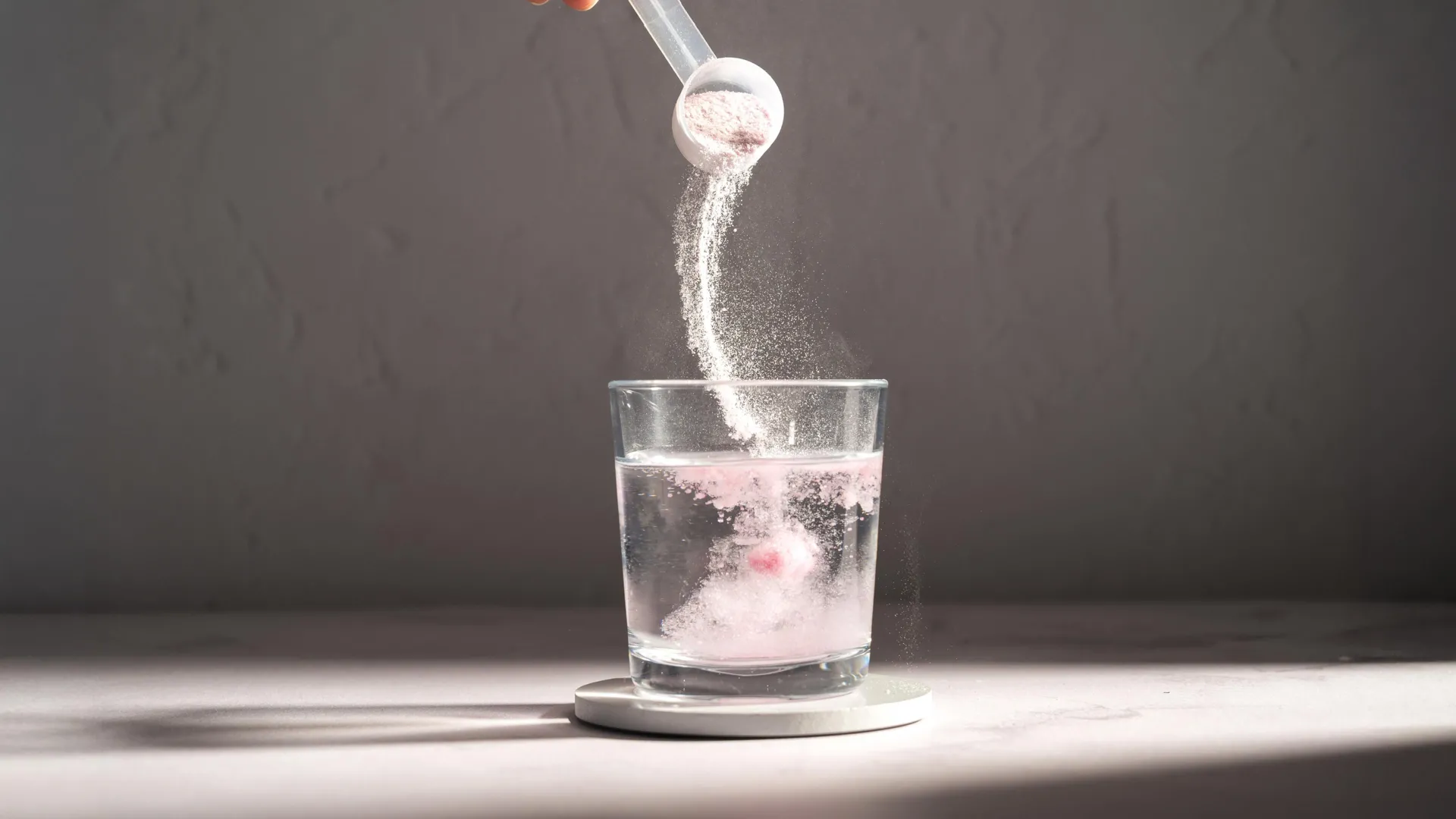
For decades, the image of creatine—a white, crystalline powder found in the gym bags of bodybuilders and collegiate athletes—has been firmly cemented in the world of high-performance sports. It is the gold standard for explosive power, muscle hypertrophy, and rapid recovery. However, a landmark study from Texas A&M University is challenging these narrow perceptions, suggesting that creatine may be an essential tool for the aging population, potentially serving as a cornerstone for metabolic health and physical independence in middle age.
The research, led by Dr. Richard Kreider, director of the Exercise and Sport Nutrition Lab at Texas A&M, posits that the benefits of creatine extend far beyond the vanity of muscle growth. As adults enter their middle years, the physiological shift toward muscle loss—a process known as sarcopenia—becomes a primary health concern. New evidence indicates that creatine supplementation may not only act as a safeguard against this decline but could also optimize body composition, even in the absence of a rigorous training regimen.
The Core Findings: A New Paradigm for Creatine
Published in the Journal of the International Society of Sports Nutrition, the 12-week study provides a compelling narrative for the use of creatine among adults aged 45 to 65. The findings suggest that creatine acts as a "metabolic catalyst," enhancing lean tissue mass and strength regardless of whether the individual is actively pursuing a structured exercise program.
While the synergy between exercise and supplementation remains the gold standard, the study’s most provocative finding is the efficacy of creatine in a sedentary or low-activity environment. Participants who incorporated 10 grams of creatine daily without structured exercise still saw measurable increases in lean tissue—roughly 2.4 pounds—and notable gains in bench press and leg press strength. For a population often constrained by time, injury, or lack of access to fitness facilities, this suggests that creatine could serve as a vital intervention to stave off the functional decline associated with aging.
Chronology of the Research and Methodology
To understand the gravity of these findings, one must look at the study’s rigorous design. The researchers recruited 64 healthy adults, who were then divided into two primary tracks: a structured exercise and diet-induced weight-loss group and a non-exercise control group. Within these cohorts, participants were randomized to receive either 10 grams of creatine monohydrate daily or a placebo.
The 12-week timeline was carefully selected to observe tangible changes in body composition and strength markers.
- Weeks 1–4 (Baseline and Adaptation): Participants established dietary and supplementation habits.
- Weeks 5–8 (Mid-study Assessment): Initial markers of lean tissue gain and strength increases began to diverge between the creatine and placebo groups.
- Weeks 9–12 (Final Analysis): The data solidified a clear trend: those taking creatine outperformed their peers in both strength metrics and body fat reduction.
This structured approach allowed the researchers to isolate the effects of creatine as a standalone variable, effectively decoupling it from the influence of intense training. The result was a clear demonstration that while exercise acts as a powerful amplifier, creatine provides a distinct, independent physiological benefit.
Supporting Data: Muscle Health and Metabolic Efficiency
The data derived from the Texas A&M study offers a nuanced look at body composition. Perhaps the most significant takeaway for those concerned with weight management is the impact of creatine on the "recomposition" process—the ability to lose body fat while simultaneously building or preserving muscle.
The Recomposition Effect
Participants in the exercise cohort followed a modest caloric deficit. In the placebo group, the typical outcome of such a deficit was a loss of both fat and muscle mass. However, the creatine group bucked this trend. They managed to gain nearly three pounds of lean tissue while shedding fat. This is a critical distinction in the science of aging; maintaining lean tissue is a primary driver of resting metabolic rate. By preserving this "metabolic engine," individuals are better equipped to sustain fat loss long-term.
Strength and Power Metrics
When combined with resistance and aerobic training performed three times per week, the creatine group exhibited superior gains in leg press and bench press strength, as well as an increased time-to-exhaustion during exercise. Interestingly, the study confirmed that creatine does not necessarily improve aerobic capacity—a finding that aligns with existing literature. Creatine’s mechanism of action is focused on the phosphagen system, which powers short-duration, high-intensity movements, rather than cardiovascular endurance.
The Scientific Pedigree: Dr. Richard Kreider’s Legacy
The study is the culmination of more than 30 years of research by Dr. Richard Kreider. As one of the world’s foremost authorities on sports nutrition, Kreider has spent three decades deconstructing the safety and efficacy of creatine.
"Creatine is one of the most heavily researched supplements in history," Kreider notes. His previous work has spanned the spectrum from collegiate athletics to clinical applications. His perspective is that creatine is not a "performance drug" in the illicit sense, but rather a naturally occurring compound that helps the body restore cellular energy (ATP).
In 2025, a comprehensive meta-analysis conducted by Kreider and his colleagues reviewed 685 clinical trials. The findings were definitive: there was no significant difference in side-effect rates between those taking creatine and those taking a placebo. This massive body of evidence serves to dismantle long-standing myths regarding kidney stress or dehydration—myths that have largely been debunked by contemporary science.
Implications for Public Health and Healthy Aging
The broader implications of this research are significant. As the global population ages, the burden of age-related muscle decline, frailty, and metabolic syndrome is expected to skyrocket.
Bridging the Dietary Gap
One of the most practical barriers to creatine intake is the reliance on dietary sources alone. While creatine is found in red meat and fish, achieving the 10-gram daily dose used in the study would require consuming between five and 10 pounds of meat daily—a nutritional and financial impossibility for most. Dr. Kreider emphasizes that supplementation is not just a choice for the athlete, but a logical health strategy for the average adult.
Cognitive and Long-term Health
The research at Texas A&M is part of a larger, global shift toward viewing creatine as a "nutraceutical" for the brain as much as for the bicep. Emerging research is increasingly pointing toward creatine’s potential to support cognitive function in older adults, who are susceptible to age-related declines in neural energy. Because the brain also relies heavily on ATP, the same mechanisms that power muscle contraction may provide a buffering effect against cognitive fatigue.
Accessibility and Cost-Effectiveness
In an era where longevity-focused supplements often come with exorbitant price tags, creatine monohydrate remains remarkably affordable. Its status as a widely available, non-proprietary compound makes it an accessible intervention for public health initiatives. The study underscores that simple, inexpensive, and well-tolerated interventions can have a profound impact on the quality of life for middle-aged adults.
Conclusion: A New Era for Creatine
The Texas A&M findings serve as a reminder that science is rarely static. What was once the exclusive domain of the elite athlete has proven itself to be a versatile and safe tool for the general population. By fostering muscle preservation, optimizing body composition during weight loss, and providing a foundation for strength, creatine is shifting from a sports supplement to a staple of preventative health.
As we move forward, the challenge will be to integrate these findings into clinical practice. If a daily, cost-effective supplement can help middle-aged adults retain their strength and metabolic health, it may well become as ubiquitous as a daily multivitamin. For now, the message from the Exercise and Sport Nutrition Lab is clear: to age well is to stay strong, and for many, creatine may be the key to ensuring that strength lasts a lifetime.
The study, "The Effects of Creatine Supplementation on Lean Tissue and Strength in Middle-Aged Adults," was funded by the WoodNext Foundation through the Texas A&M Foundation.