By Editorial Staff
Published July 21, 2026
In a sobering development for the animation industry, Disney has initiated a widespread corporate restructuring, resulting in the layoff of several hundred employees across its various media divisions. The cuts, which took place this past Tuesday, have impacted personnel at major outlets including National Geographic and ESPN. However, the most significant ripples are being felt within the halls of Emeryville, California, where Pixar Animation Studios—the crown jewel of Disney’s animation portfolio—has been forced to reduce its workforce by an estimated 100 to 150 employees.
This latest reduction represents a high single-digit percentage of Pixar’s 1,100-person staff. While Disney has frequently adjusted its headcount in the post-pandemic era, this move signals a deeper, ongoing struggle to balance the creative aspirations of its legendary studio with the cold realities of a shifting theatrical marketplace.
The Chronology of Pixar’s Recent Turbulence
To understand the current state of Pixar, one must look back at the studio’s trajectory over the last two years. The current round of layoffs is the most significant since May 2024, when the studio cut 14% of its workforce—approximately 175 employees—in an attempt to realign production capacity with streaming and theatrical demand.
The timeline of the last 24 months has been defined by extreme fiscal variance. In mid-2024, Pixar celebrated the massive success of Inside Out 2, which grossed a staggering $1.7 billion globally. That high point was quickly followed by the reality check of Elio, which struggled to find its footing, pulling in only $154 million.
The most recent catalyst for this week’s personnel reduction appears to be the commercial performance of Hoppers. Released in March 2026, the film received critical acclaim, boasting a 94% approval rating on Rotten Tomatoes. However, despite the positive reception, the film’s box office performance—totaling approximately $390 million—failed to meet the high thresholds required for the studio’s overhead. The juxtaposition of this performance against the massive $957 million (and growing) box office haul for Toy Story 5 has created a narrative within Disney leadership that original intellectual property (IP) is currently a riskier investment than established franchise sequels.
Supporting Data: The Franchise Dilemma
The data suggests a clear trend: audiences are flocking to familiar characters while remaining hesitant to commit to original concepts, particularly those that do not immediately promise a multi-generational appeal.
Industry analysts point to the "Disney Plus effect" as a primary culprit. During the pandemic, films like Luca and Turning Red were diverted directly to Disney’s streaming platform. While this kept the studio relevant during lockdowns, executives have since expressed concerns—often cited in reports from Variety and TheWrap—that this strategy inadvertently conditioned audiences to view Pixar films as "at-home" content rather than "must-see" theatrical events.
The following table highlights the stark disparity in recent Pixar performance:
| Film Title | Status | Box Office Gross |
|---|---|---|
| Inside Out 2 | Franchise Sequel | $1.7 Billion |
| Toy Story 5 | Franchise Sequel | $957 Million (Ongoing) |
| Hoppers | Original IP | $390 Million |
| Elio | Original IP | $154 Million |
These figures underscore a growing tension within Disney: the financial pressure to prioritize sequels that guarantee high returns versus the studio’s historical mission to innovate through original storytelling.
Examining the Scope of the Cuts
The latest layoffs have primarily targeted production and operations teams. While it remains unclear if high-profile leadership figures were affected, the nature of these cuts suggests a "flattening" of the production pipeline. By reducing the number of personnel in the operational sphere, Pixar is likely looking to lower the break-even point for its films.
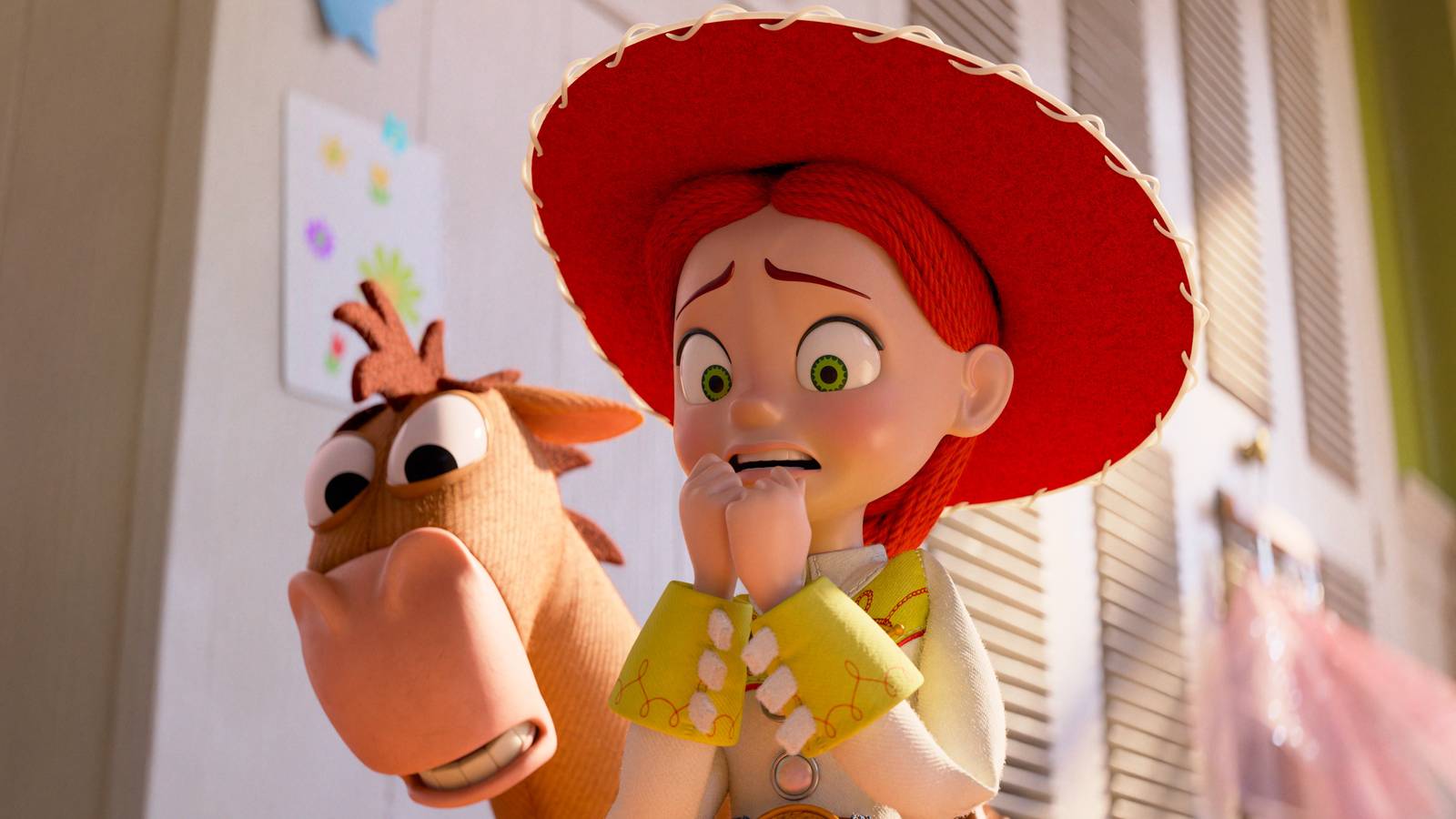
The decision to cut staff while Toy Story 5 is nearing the $1 billion mark serves as a grim reminder that even successful franchises are not immune to corporate austerity measures. If a film that earns nearly a billion dollars cannot insulate the studio from layoffs, it indicates that the issue lies with the broader cost-structure of the animation pipeline, rather than the success of a single title.
Official Responses and Corporate Strategy
As of late Tuesday, Disney has remained largely tight-lipped regarding the specifics of the reorganization, typically referring to the move as part of a "broader corporate efficiency initiative." However, industry insiders suggest that Disney CEO Bob Iger and his team are under immense pressure from shareholders to ensure that every division is operating at peak profitability.
The narrative emerging from the corporate side is that the studio must become "nimble." In the animation world, this is often code for shorter production timelines, fewer concurrent projects, and a heavier reliance on established IP that requires less marketing spend to convince an audience to buy a ticket.
Implications for the Future of Animation
The implications of this move are significant for both the employees and the creative output of the studio.
1. The Death of the "Mid-Budget" Original
The struggle of Hoppers is a canary in the coal mine for original animation. If a film with a 94% critical score cannot clear the $400 million mark, studios may stop greenlighting original, mid-budget projects altogether. We are likely to see an increase in "safer" bets—sequels, prequels, and spin-offs—to ensure the survival of the animation division.
2. Shifts in Creative Risk-Taking
Pixar’s next film, Gatto, is an original project featuring Mark Ruffalo as a black cat in Venice. The pressure on this film has increased exponentially. It is no longer just a creative endeavor; it is a test case for whether Pixar can still move the needle with a non-sequel. If Gatto underperforms, it could effectively end the era of original Pixar films for the foreseeable future.
3. Morale and Talent Retention
The human cost of these layoffs cannot be overstated. A studio is defined by its artists, animators, and engineers. Repeated layoffs often lead to a "brain drain," where top-tier talent, fearful of job insecurity, leaves for competitors like DreamWorks, Sony Animation, or the growing independent sector. Pixar has long been viewed as the pinnacle of animation employment; if that prestige fades, the quality of the work may inevitably suffer.
4. The Path Toward 2028
Looking ahead, the studio is already pivoting toward its next major blockbuster: The Incredibles 3, scheduled for release in June 2028. This move clearly signals that Pixar is leaning into its strongest IP to anchor its long-term financial health. The challenge will be maintaining the "Pixar magic"—that unique blend of heart, humor, and high-concept storytelling—while operating under the constraints of a company that is increasingly focused on the bottom line.
Conclusion
The latest layoffs at Pixar serve as a sobering reminder that the animation industry is currently navigating its most difficult period since the advent of digital production. The reliance on franchises like Toy Story provides a necessary financial floor, but it cannot be the only path forward if the studio wishes to remain a creative leader.
As Pixar moves forward, the industry will be watching closely. Will the studio manage to recapture the lightning-in-a-bottle success of its early years, or will the necessity of the "sequel-first" model eventually erode the very creativity that made Pixar a household name? For the 150 employees departing this week, and the 950 who remain, the answer to that question will define the next chapter of animation history.