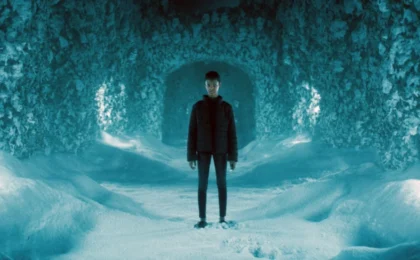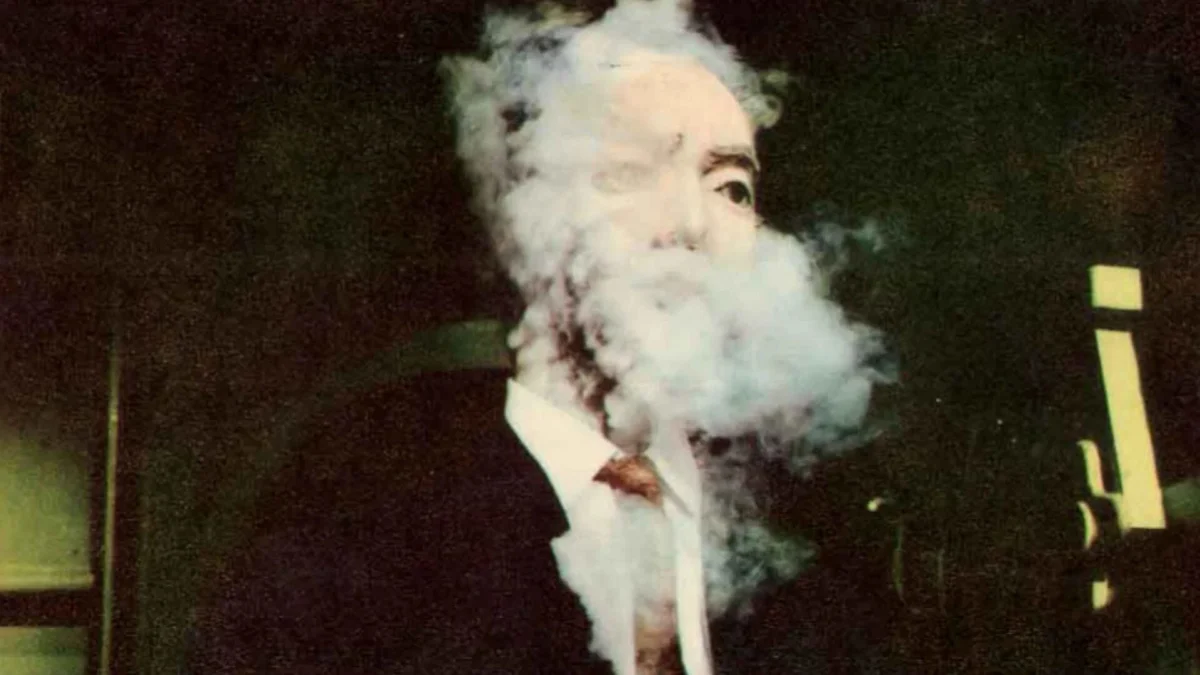
In a landscape dominated by sequels, reboots, and established cinematic universes, Netflix is set to take a bold, atmospheric gamble on July 2, 2026. With the premiere of its eight-episode series Human Vapor, the streaming giant is not merely launching a new thriller; it is reviving a forgotten relic of 1960s Japanese tokusatsu cinema. This high-profile collaboration between Netflix and Toho—the legendary studio that birthed Godzilla—marks a significant milestone in cross-cultural genre television, blending the DNA of a cult classic with the slick, high-stakes narrative style of modern global streaming hits.
The Genesis of a Cult Phenomenon
To understand the weight of this new series, one must look back to 1960. While Western audiences were largely preoccupied with space-age paranoia and the Cold War, Toho was experimenting with the Transforming Human Series. Directed by Ishiro Honda—the visionary behind the 1954 Godzilla—and featuring the ground-breaking special effects of Eiji Tsuburaya, The Human Vapor (Gasu Ningen Dai Ichigō) was a departure from the "giant monster" template that defined the studio.
The original film was a somber, noir-infused tragedy. It followed a quiet librarian who, through a botched scientific experiment, gained the ability to manipulate his molecular structure, turning his body into a sentient, lethal gas. Unlike the rampaging kaiju of the era, the "Human Vapor" was a figure of profound pathos. He used his powers to rob banks, not for greed, but to finance the career of a ballerina he adored—a doomed romance that ended in a fiery, tragic confrontation. Though it struggled at the Japanese box office, the film’s unique blend of melodrama, sci-fi, and existential dread earned it a dedicated following among cinephiles and, eventually, a cult status that has persisted for over six decades.
Chronology of a Resurrection
The journey from 1960 to 2026 has been one of quiet influence. While The Human Vapor never achieved the pop-culture ubiquity of Godzilla or Mothra, its premise left an indelible mark on genre cinema.
- 1960: The original The Human Vapor is released in Japan, serving as the third entry in Toho’s Transforming Human trilogy, preceded by The H-Man (1958) and The Secret of the Telegian (1960).
- 1960s–1980s: The film gains international notoriety through European and American television syndication, often appearing in "Creature Feature" lineups.
- 2000s–2020s: With the rise of physical media preservation, labels like The Criterion Collection help reintroduce the film to a new generation of genre enthusiasts.
- 2024: Netflix and Toho officially announce a partnership to develop an episodic series based on the concept, signaling a shift in Toho’s IP management strategy.
- July 2, 2026: The global premiere of the eight-episode Human Vapor series on Netflix.
Modernizing the Myth: The 2026 Vision
Netflix’s Human Vapor is not a frame-by-frame remake; rather, it is a reimagining. The creative team has stripped away the 1960s melodrama in favor of a sprawling, high-octane conspiracy thriller. Set in the hyper-connected environment of modern-day Tokyo, the series shifts the focus from a singular tragic figure to a societal phenomenon.
The premise involves a mysterious entity capable of gaseous infiltration, capable of bypassing high-tech security systems and committing impossible crimes. However, the narrative lens is widened to include a chaotic tapestry of journalists, livestreamers, politicians, and law enforcement agencies. By incorporating the role of digital media—livestreamers tracking the "Human Vapor" in real-time—the series updates the original’s core concept for an era of surveillance and instant information.
Creative Powerhouses Behind the Camera
The production values behind Human Vapor are indicative of Netflix’s commitment to premium Asian content. The series is penned by Yeon Sang-ho, whose work on Train to Busan and Hellbound established him as a master of high-tension, socially conscious genre storytelling. Joining him is director Shinzo Katayama, known for the dark, visceral tone of the thriller Gannibal.
Perhaps most exciting for fans of technical craft is the inclusion of the VFX house Shirogumi. Having recently received critical acclaim and an Academy Award for their work on Godzilla Minus One, Shirogumi is tasked with rendering the "vapor" effects. Given the studio’s recent success in grounding fantastic elements within a realistic, historically-weighted setting, their involvement suggests that the series will prioritize grounded, tactile visual effects over cartoonish CGI.
Cast and Characters: An All-Star Ensemble
The series boasts a roster of top-tier talent from the Japanese film industry. Shun Oguri leads the cast, bringing a seasoned gravity to the production, while Yu Aoi and Suzu Hirose provide the emotional and investigative stakes. The title role is held by newcomer Uta Uchida, a casting choice that suggests a desire to keep the "Human Vapor" mysterious and detached from the baggage of a major star’s public persona.
Implications for Toho and Global Streaming
The collaboration between Netflix and Toho carries significant industry implications. For decades, Toho has been notoriously protective of its library, often keeping its non-Godzilla intellectual properties locked away. The decision to hand over The Human Vapor to a global streaming platform signals a new era for the studio—one where it is willing to leverage its deep archives to compete in the global prestige-television market.
If Human Vapor succeeds, it could open the floodgates for similar "reimagining" projects. Toho’s library is vast, filled with tokusatsu gems that were limited by the budgets and technologies of the mid-20th century. By injecting these concepts with the creative capital of auteurs like Yeon Sang-ho, Netflix and Toho are essentially creating a new "prestige-tokusatsu" genre.
Audience Expectations and Critical Reception
As the July 2 premiere approaches, the anticipation is palpable. Sci-fi fans are particularly interested in how the show handles the concept of "invisibility." In the 1930s, The Invisible Man set the gold standard for this trope, but Human Vapor aims to take it further by exploring the nature of gas—a substance that can be both suffocating and elusive.

Industry analysts suggest that the series’ success will hinge on its ability to balance the "monster movie" thrills of the original with the complex, multi-layered storytelling that modern Netflix subscribers expect. The shift from a "doomed romance" to a "nationwide conspiracy" is a risky maneuver, but it aligns with current trends in television where mystery-box shows often perform exceptionally well.
Conclusion: A Second Chance
For the uninitiated, the original 1960 The Human Vapor remains a testament to the creativity of Ishiro Honda. It was a film that dared to ask what happens when a man is no longer beholden to the laws of physics, and it did so with a level of heart that few monster movies could replicate.
Netflix’s Human Vapor arrives at a time when the world is arguably more obsessed with the concept of transparency and "the unseen" than ever before. Whether it will honor the tragic spirit of the original or carve out a new legacy as a definitive modern thriller remains to be seen. However, one thing is certain: on July 2, the mist will rise over Tokyo once again, and the world will be watching to see if this forgotten classic can finally take its rightful place in the pantheon of great science fiction.
For those who wish to prepare, the 1960 original is available on Prime Video through July 1. Watching it serves as a fascinating study in contrast—a reminder of where the story began, and a preview of how far the imagination of Toho and Netflix can stretch the limits of what it means to be human.