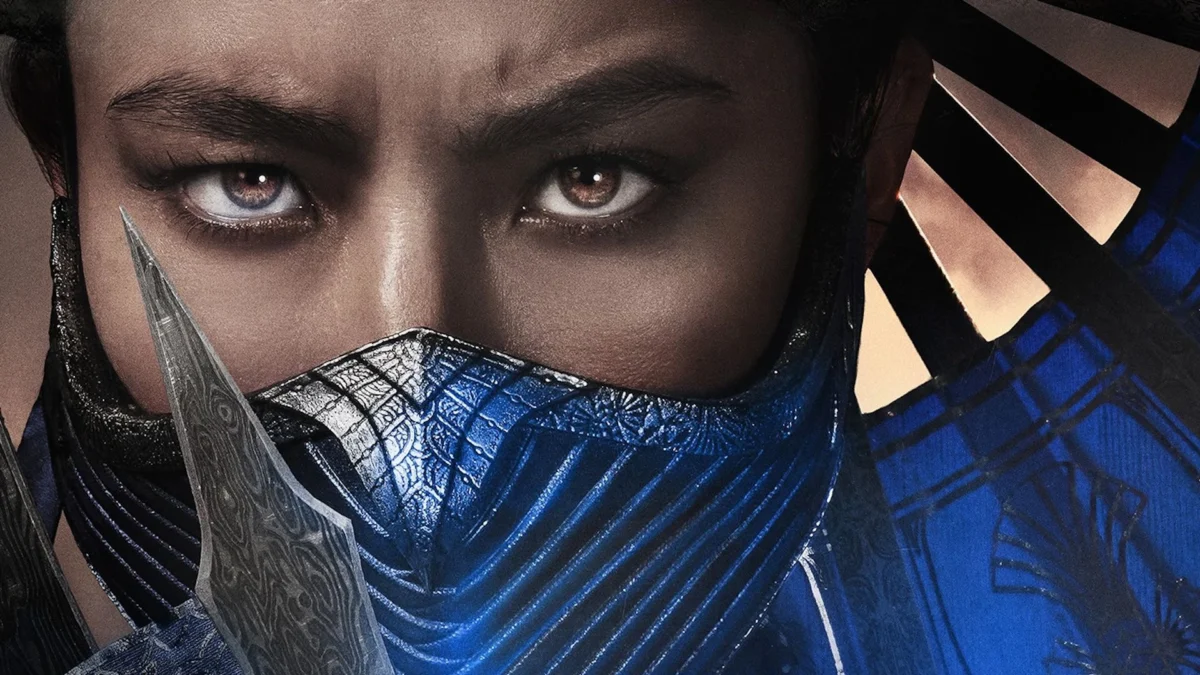
The Mortal Kombat franchise has endured a tumultuous 35-year journey through pop culture, marked by extreme highs and notorious lows. From the groundbreaking success of the 1995 original film to the catastrophic critical failure of Mortal Kombat Annihilation—which effectively put the cinematic property on ice for over two decades—the brand has been a bellwether for the volatility of video game adaptations.
With the 2026 release of Mortal Kombat 2 failing to replicate the explosive theatrical impact of its 2021 predecessor, the future of the cinematic universe is once again in doubt. However, as the film finds a massive second life on streaming platforms, a pertinent question arises: Is the newfound digital popularity of Johnny Cage and his cohorts enough to trigger a Mortal Kombat 3?
The Box Office Reality: A Flawless Victory, or a Technical Knockout?
The 2021 Mortal Kombat reboot was a significant win for Warner Bros. at the height of the pandemic-era release strategy. By debuting simultaneously on HBO Max and in theaters, it reached a massive audience, proving that there was a hunger for high-budget, R-rated combat cinema.
However, the 2026 sequel, Mortal Kombat 2, faced a different landscape. Despite the inclusion of fan-favorite Johnny Cage, portrayed with charismatic bravado by Karl Urban, the film struggled to find its footing at the global box office. Finishing its theatrical run with a total gross of $129 million against an $80 million production budget—plus significant marketing costs—the film did not perform with the financial dominance required to guarantee an immediate sequel. By standard studio metrics, Mortal Kombat 2 was a moderate underperformer, leaving the greenlight for a third installment hanging in the balance.
A Chronology of the Cinematic Kombat
To understand the current crossroads, one must look at the historical trajectory of the franchise:
- 1995: The original Mortal Kombat, directed by Paul W.S. Anderson, sets the gold standard for video game adaptations, proving that faithfulness to source material can resonate with general audiences.
- 1997: Mortal Kombat Annihilation is released to near-universal derision, effectively ending the franchise’s big-screen viability for 24 years.
- 2021: The Simon McQuoid-directed reboot arrives on HBO Max and in theaters, signaling a gritty, modern era for the brand. While the original character Cole Young draws some ire from purists, the film is considered a commercial success.
- May 2026: Mortal Kombat 2 hits theaters. Despite high expectations and a broader cast of iconic characters, the box office returns are lukewarm.
- July 2026: The film transitions to home video and HBO Max, where it begins a meteoric rise in viewership, quickly becoming the platform’s most-watched film.
The Streaming Resurgence: Data Tells a Different Story
While the box office tells a story of hesitation, the streaming data tells a story of demand. According to metrics provided by FlixPatrol, Mortal Kombat 2 has dominated the HBO Max charts since its digital debut.
In the modern Hollywood ecosystem, theatrical gross is no longer the sole metric for success. For franchises like Mortal Kombat, which rely on a dedicated, tech-savvy fanbase, streaming performance is a vital indicator of long-term franchise health. The "long tail" of viewership—people discovering the film on a weekend, recommending it to friends, or re-watching it for the action sequences—creates a compelling case for the studio to invest in a third chapter.
The Director’s Perspective: "Don’t Get Cocky"
Director Simon McQuoid has remained measured in his public commentary regarding the future of the series. Speaking with Polygon in July, McQuoid emphasized that the decision-making process is methodical.
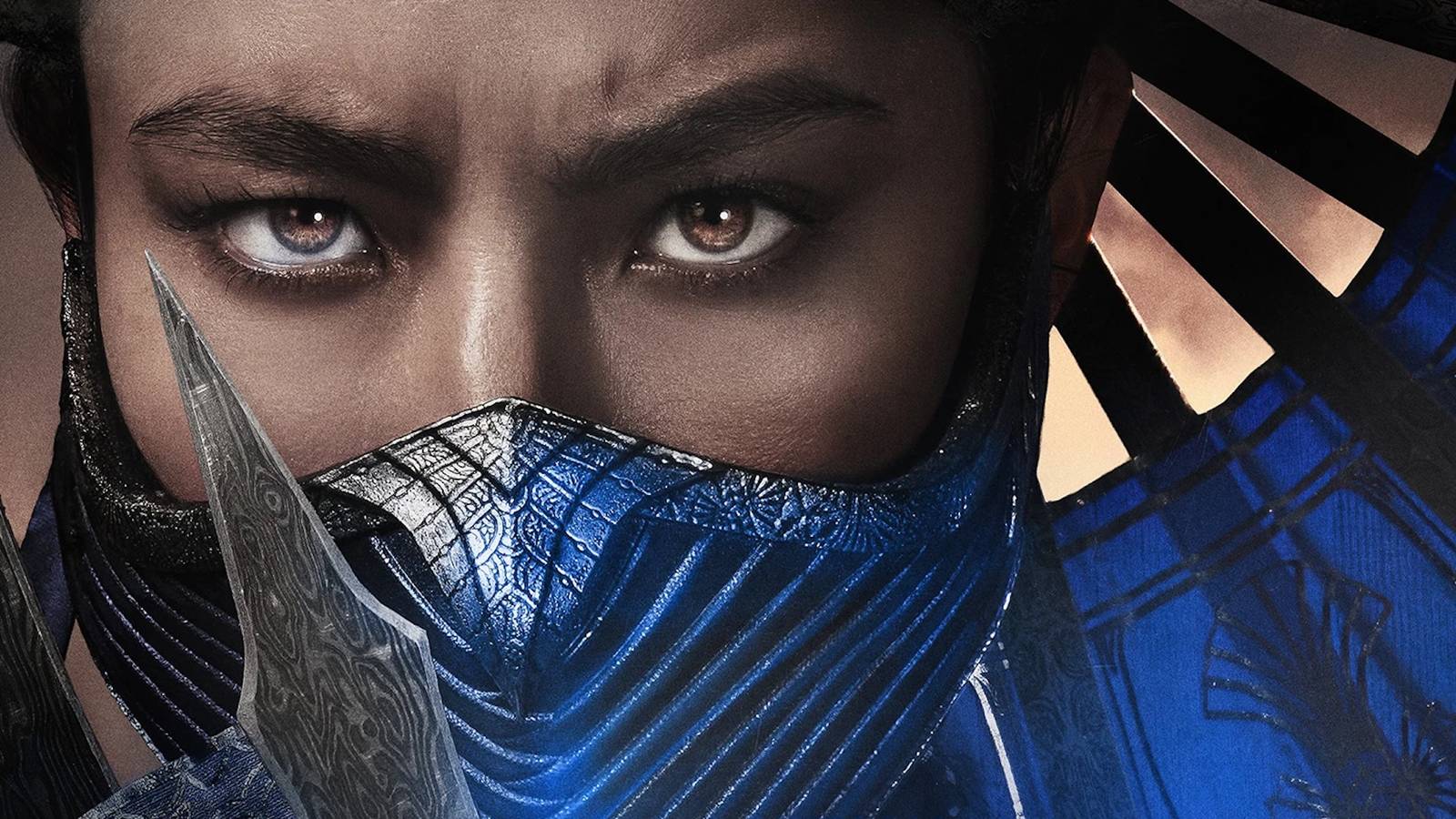
"It’s almost like Mortal Kombat 2 hasn’t had its full life cycle yet," McQuoid noted. "So I think let it have its full life cycle and then, um, ask me in a few months."
McQuoid’s approach is one of caution, acknowledging that the franchise’s history is littered with over-ambitious failures. By waiting for the "full life cycle" to conclude, the creative team is likely waiting to see if the streaming momentum sustains itself over the next six to twelve months. His philosophy—"The audience tells you if there should be another one"—suggests that the studio is not currently rushing into pre-production, but is instead monitoring the metrics with a keen eye.
The "Karl Urban" Factor and the Ensemble Cast
One of the most significant assets currently bolstering the case for Mortal Kombat 3 is the ensemble cast. The inclusion of Karl Urban as Johnny Cage injected a much-needed layer of meta-humor and star power into the second film. Urban’s ability to balance the ridiculousness of the Mortal Kombat lore with the grounded, gritty aesthetic of the films has been widely praised by fans.
Furthermore, the film features a deep bench of talent:
- Adeline Rudolph (Kitana) and Tati Gabrielle (Jade) brought depth to the series’ iconic female fighters.
- Joe Taslim (Bi-Han/Noob Saibot) provided the necessary gravitas for the film’s central conflict.
- Hiroyuki Sanada (Scorpion) remains the franchise’s emotional anchor, providing a level of prestige acting that elevates the material beyond typical action fare.
If Warner Bros. decides to move forward, keeping this core cast together is essential. The chemistry developed in Mortal Kombat 2 provides a foundation that was missing from previous iterations.
Implications for the Future: Is Mortal Kombat 3 Inevitable?
The path to Mortal Kombat 3 is narrow but clear. For the project to move from "in the air" to "in development," several things must occur:
- Sustained Streaming Engagement: The film needs to remain in the top ten lists on HBO Max throughout the fall. Studios look for "sticky" content that keeps subscribers on their platform.
- The "Fan Sentiment" Index: While critical reception was mixed—with some reviewers finding the film forgettable—the audience reception, particularly regarding the execution of "Fatalities" and character design, has been largely positive. High audience scores on platforms like Rotten Tomatoes are crucial for studios justifying a sequel.
- Narrative Cliffhangers: The ending of Mortal Kombat 2 was clearly designed as a bridge to a larger story. With the tournament structure now fully established and the stakes raised, leaving the story unfinished would arguably be a disservice to the investment already made in the characters.
Conclusion: A New Era for Franchise Combat
The Mortal Kombat franchise is currently undergoing a shift in identity. It is no longer just a "movie franchise" meant to live or die by its opening weekend. It is now a digital-first property that feeds into a larger ecosystem of gaming and merchandise.
If Warner Bros. chooses to greenlight Mortal Kombat 3, it will likely be because they recognize that the true value of the franchise lies in its persistence. Much like the characters within the game who are resurrected to fight another day, the film series has shown a remarkable ability to survive its own setbacks. Whether the streaming success of Mortal Kombat 2 will be the catalyst for a triumphant trilogy remains to be seen, but for the millions of fans currently streaming the film, the fight is far from over.