The United States has entered a critical geopolitical and domestic security juncture, marked by escalating military operations abroad and complex law enforcement challenges at home. In the Middle East, the U.S. military has conducted its ninth consecutive night of airstrikes targeting Iranian-aligned assets. This sustained campaign has triggered intense debate within the national security establishment, prompting warnings from former intelligence officials about the risks of regional overextension.
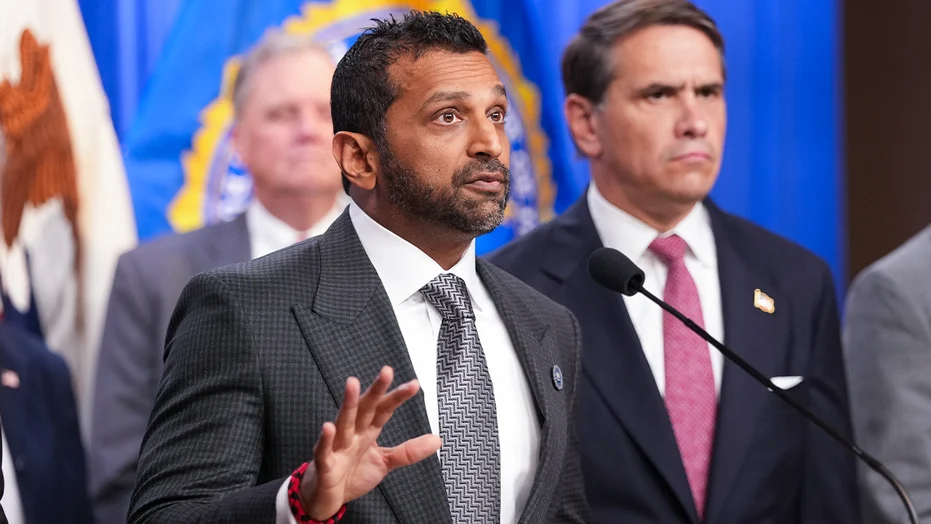
Concurrently, domestic security agencies are managing several high-stakes operations. Federal Bureau of Investigation (FBI) Director Kash Patel detailed the extensive, multi-agency security protocols that successfully protected the recently concluded, record-shattering FIFA World Cup. However, domestic airspace vulnerabilities were exposed when the North American Aerospace Defense Command (NORAD) scrambled F-16 fighter jets to intercept multiple civilian aircraft violating Temporary Flight Restrictions (TFR) over New Jersey.
On the domestic front, local law enforcement agencies are grappling with a surge in public violence, highlighted by a mass shooting in downtown Tucson, Arizona, that left ten people wounded. In political and legal spheres, a major controversy has erupted following public statements by Hunter Biden, who characterized Attorney General Merrick Garland’s appointment as the "greatest mistake" of the Biden administration. Additionally, Senator Josh Hawley (R-MO) has formally requested a Department of Justice (DOJ) investigation into a progressive organization allegedly shipping abortion pills across state lines in violation of federal statutes.
Chronology of Recent Events
The Middle East Conflict and Airspace Breaches
Night 1 to Night 8: Following repeated provocations and drone attacks on U.S. installations, the Pentagon initiates a series of nightly retaliatory airstrikes against Iranian-backed militia strongholds, command centers, and ammunition depots across the region.
Night 9 (Recent Operation): U.S. central command assets deploy precision-guided munitions in a ninth consecutive wave of strikes, targeting key logistics hubs associated with Iranian paramilitary forces.
The Airspace Incursion: Shortly after the overseas strikes are confirmed, NORAD command centers detect multiple unidentified civilian aircraft entering restricted airspace over New Jersey. F-16 fighter pilots are scrambled immediately to intercept the aircraft and escort them out of the TFR zone without further incident.
The World Cup and Domestic Incidents
World Cup Security Cycle: Over several weeks, the FBI, in coordination with international partners and local law enforcement, executes a massive security operation across North American host cities. The tournament concludes with a high-profile halftime show featuring global icons, including Shakira, Justin Bieber, BTS, and Madonna, under strict federal surveillance.
The Tucson Shooting: During the late-night hours in Tucson, Arizona, a crowded downtown entertainment district becomes the scene of a mass shooting. Gunfire erupts in a packed plaza, wounding ten individuals and sending hundreds of bystanders fleeing for safety.
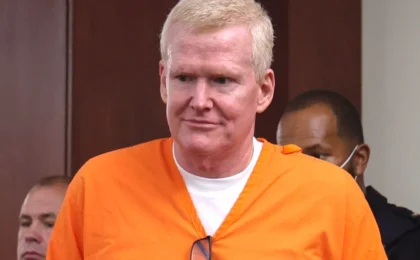
The Cold Case Breakthrough: In a surprising development, local police charge a suspect in a 33-year-old cold case disappearance. The breakthrough occurs after the suspect makes an anonymous phone call detailing his involvement, which investigators trace back to his residence.
Supporting Data and Tactical Details
Military and Aviation Metrics
The ongoing U.S. aerial campaign against Iranian-affiliated groups has involved a mix of joint-service assets, including Navy carrier-based aircraft and Air Force stand-off bombers. According to defense analysts, the sustained nine-day operation represents one of the most concentrated retaliatory campaigns in the region in recent years.
In the domestic airspace incident, NORAD deployed F-16 Fighting Falcons from active-alert bases. The intercepted aircraft had crossed into a TFR area established to protect sensitive ground infrastructure. Tactical data indicates that the civilian pilots had failed to review updated Notices to Air Missions (NOTAMs) prior to takeoff, highlighting a persistent issue with general aviation compliance during heightened security postures.
Public Health and Political Demographics
In public health, the Food and Drug Administration (FDA) reversed its preliminary assessment regarding a suspected Cyclospora outbreak. Initial rapid testing had linked Taylor Farms products to the contamination. However, subsequent, highly sensitive polymerase chain reaction (PCR) and genomic sequencing tests conducted by independent laboratories confirmed that the initial findings were false positives, clearing the producer of liability.
In electoral politics, progressives have secured a strategic advantage in the Maine Senate race. Troy Jackson, a prominent progressive figure, successfully consolidated delegate support, forcing several mainstream Democratic rivals to withdraw from the primary. This consolidation shifts the balance of power ahead of a critical midterm election cycle that will determine control of the upper chamber of Congress.
Official Responses and Statements
Federal Law Enforcement and Security Appraisals
Following the successful conclusion of the FIFA World Cup, FBI Director Kash Patel commended the cooperative efforts of international intelligence partners:
"Securing an event of this scale, spanning multiple nations and involving millions of spectators, required an unprecedented level of real-time intelligence sharing and tactical synchronization. Our strategic partnerships ensured that potential threats were neutralized long before they could impact the venues."
Conversely, former counterterrorism official Joe Kent expressed deep reservations regarding the U.S. military’s continuous engagement in the Middle East, calling for an immediate withdrawal:
"The current strategy of engaging in endless, nightly retaliatory cycles with Iranian proxies does not serve our core national security interests. It depletes our strategic reserves, endangers our service members, and risks dragging the nation into a broader regional conflict that we should actively avoid."
Political and Legal Repercussions
The political landscape was shaken by sharp criticisms directed at the Department of Justice from within the president’s own family. Hunter Biden publicly targeted Attorney General Merrick Garland, stating:
"The appointment of Merrick Garland was the single greatest mistake of this administration. The department’s handling of key legal and political matters has consistently lacked decisive leadership and has allowed partisan investigations to dictate the national discourse."
On Capitol Hill, Senator Josh Hawley (R-MO) focused his attention on the illegal distribution of pharmaceuticals, sending a formal criminal referral to the DOJ regarding a progressive dark-money group:
"We have clear evidence of an organization utilizing covert funding channels to ship abortion pills across state lines, bypassing state safety regulations and violating federal law. The Department of Justice must investigate this organization immediately to halt these illicit operations."
Implications
Foreign Policy and Regional Stability
The decision to conduct nine consecutive nights of airstrikes against Iranian-backed groups carries significant strategic risks. Continued military escalation could collapse delicate diplomatic channels in the region, potentially leading to asymmetrical retaliation against U.S. commercial and diplomatic assets globally. Additionally, a prolonged deployment of precision munitions and air defense systems in the Middle East limits the Pentagon’s capacity to pivot resources toward the Indo-Pacific theater, where peer-adversary deterrence remains the primary long-term objective.
Domestic Law Enforcement and Public Trust
The FBI’s successful management of the World Cup security apparatus demonstrates the efficacy of modern, data-driven federal policing. However, this success is overshadowed by persistent domestic challenges, such as the mass shooting in Tucson and airspace security lapses. The NORAD interceptions highlight the need for stricter enforcement of flight restrictions and better communication with civilian pilots during periods of heightened national security.
Furthermore, the public dispute over the leadership of the Department of Justice—exacerbated by Hunter Biden’s remarks and Senator Hawley’s demands for targeted investigations—threatens to further erode public trust in federal judicial institutions. As the nation approaches a critical midterm election, the intersection of legal disputes, public health scares, and foreign military engagements will continue to test the resilience of federal administration and the stability of national policy.