Main Facts: Republicans Convene in Texas for High-Stakes Midterm Convention
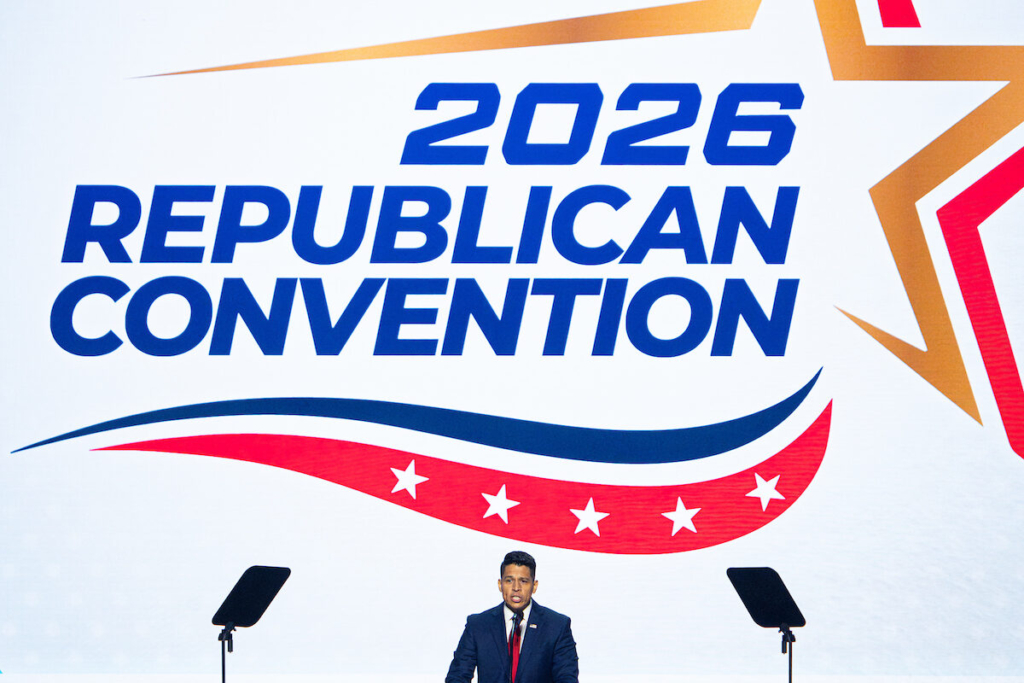
With exactly eight weeks remaining before the critical November 2026 midterm elections, thousands of Republican party faithful, lawmakers, candidates, and grassroots activists descended upon the American Airlines Center in downtown Dallas, Texas, on Wednesday, September 9, 2026. The two-day event marks a rare mid-cycle national convention orchestrated by the Republican National Committee (RNC) to solidify messaging, energize turnout, and sharpen campaign contrasts heading into the final stretch of the election season.
The convention, framed around protecting conservative legislative victories and preventing Democratic control of Capitol Hill, featured a star-studded lineup of party figures, House and Senate candidates from crucial swing districts, and high-ranking congressional leadership.
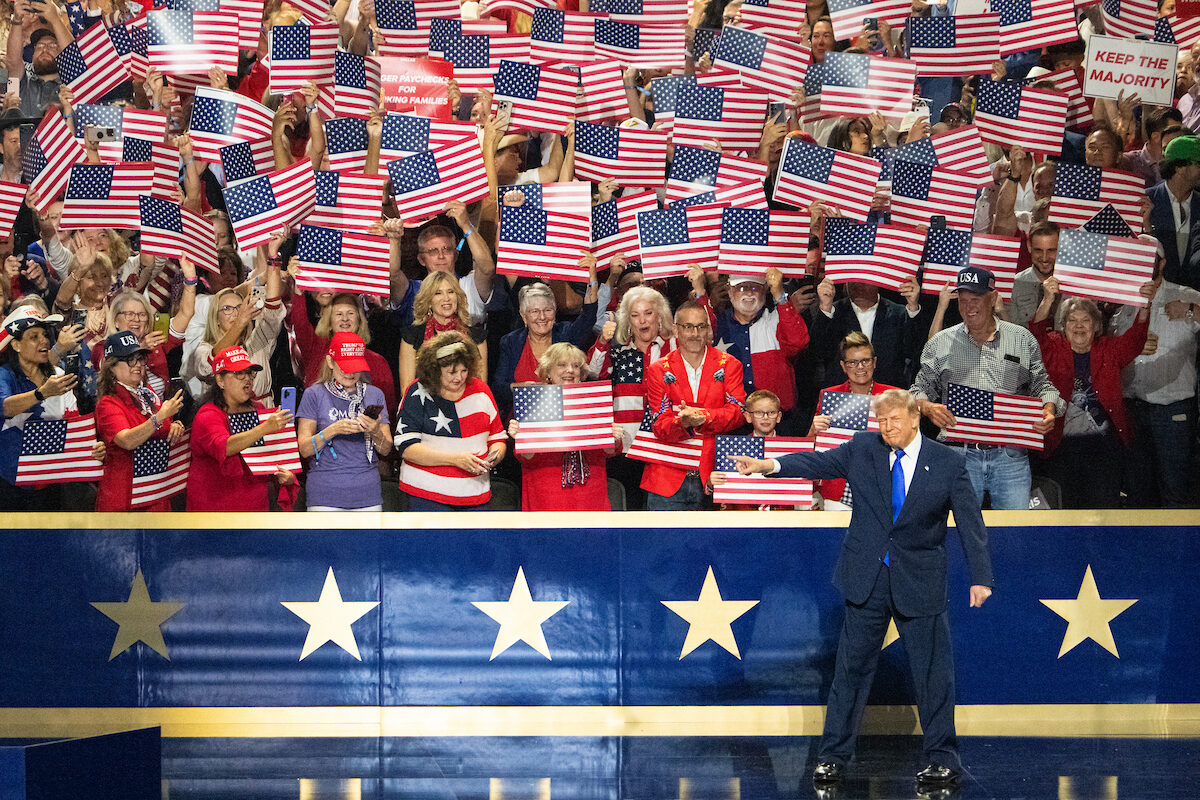
The highlight of the opening night was an extended keynote address by President Donald Trump, who returned to the arena stage to rally party supporters. Trump praised the party’s legislative accomplishments, warned of the consequences of a Democratic-led Congress, and closed his speech with his characteristic walk-off dance to "Y.M.C.A." President Trump is scheduled to deliver a second address on Thursday, the final day of the convention.
Among the prominent speakers addressing the arena on Wednesday were House Majority Leader Steve Scalise, RNC Chairman Joe Gruters, Texas Attorney General and Senate candidate Ken Paxton, Georgia Congressman and Senate candidate Mike Collins, North Carolina Senate candidate Michael Whatley, and several key House challengers from competitive districts across the country. In a notable cross-party moment that drew significant interest inside the arena, Pennsylvania Democratic Senator John Fetterman also addressed the audience via a pre-recorded video message.
Chronology: Detailed Breakdown of Convention Events
Morning and Pre-Convention Atmosphere
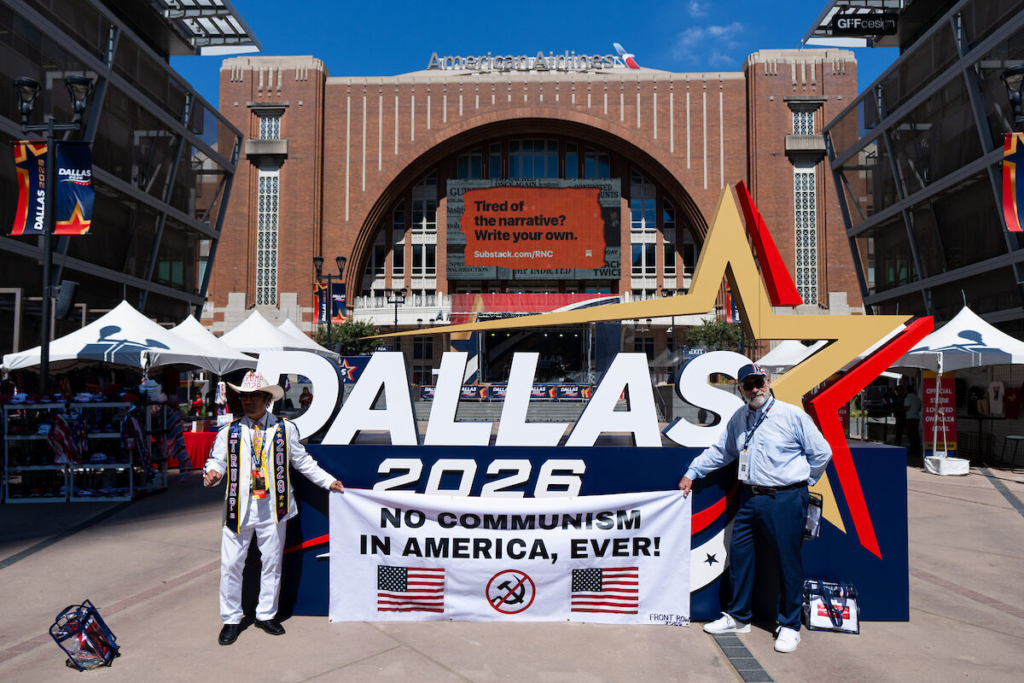
Early Wednesday morning, thousands of attendees gathered outside the American Airlines Center in downtown Dallas, queuing under hot Texas skies. Demonstrators and grassroots groups lined the plaza outside the venue, displaying signs and banners emphasizing anti-communist themes, economic independence, and border security. Vendors sold campaign merchandise, while state delegation organizers coordinated voter registration drives on-site.
Opening Ceremonies and RNC Address
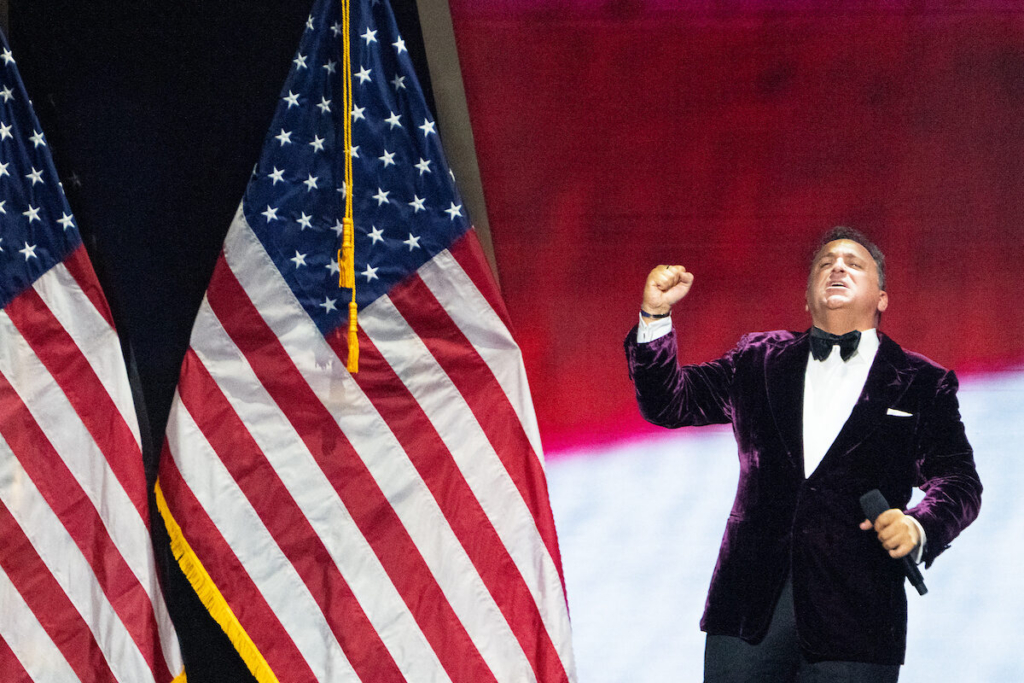
The convention officially commenced inside the arena on Wednesday afternoon. Operatic singer Christopher Macchio took the stage to open the proceedings with a rendition of the National Anthem, receiving a standing ovation from the crowd.
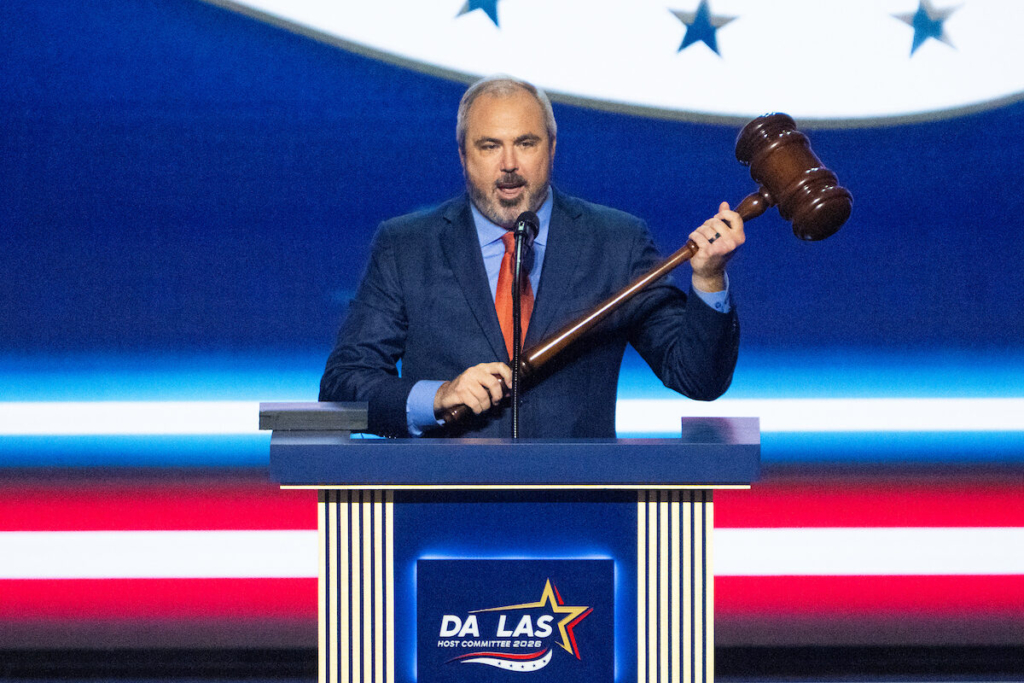
Immediately following the national anthem, RNC Chairman Joe Gruters delivered the convention’s opening remarks. Gruters emphasized unity across conservative factions and outlined the national campaign apparatus that the RNC has deployed across key swing states. He declared that the Dallas convention served as the launchpad for an aggressive, eight-week field operation intended to maximize Republican voter turnout.
DALLAS MIDTERM CONVENTION: DAY ONE HIGHLIGHTS
┌─────────────────────────┬──────────────────────────────────────────────────────────┐
│ Time Block              │ Key Event / Featured Speaker                             │
├─────────────────────────┼──────────────────────────────────────────────────────────┤
│ Afternoon Opening       │ Christopher Macchio (Anthem), RNC Chair Joe Gruters      │
│ Mid-Afternoon Candidates│ Air Force Vet Carlos De La Cruz (TX-35)                  │
│ Congressional Leadership│ House Majority Leader Steve Scalise (LA)                 │
│ Battleground Spotlight  │ Michael Whatley (NC Senate), Ken Paxton (TX Senate)      │
│ Cross-Party Video       │ Sen. John Fetterman (D-PA) Address                       │
│ Evening Challengers     │ Mike LiPetri (NY-03), Rep. Mike Collins (GA Senate)      │
│ Prime-Time Keynote      │ President Donald Trump Keynote Address                   │
└─────────────────────────┴──────────────────────────────────────────────────────────┘
Congressional Platform and Candidate Spotlights
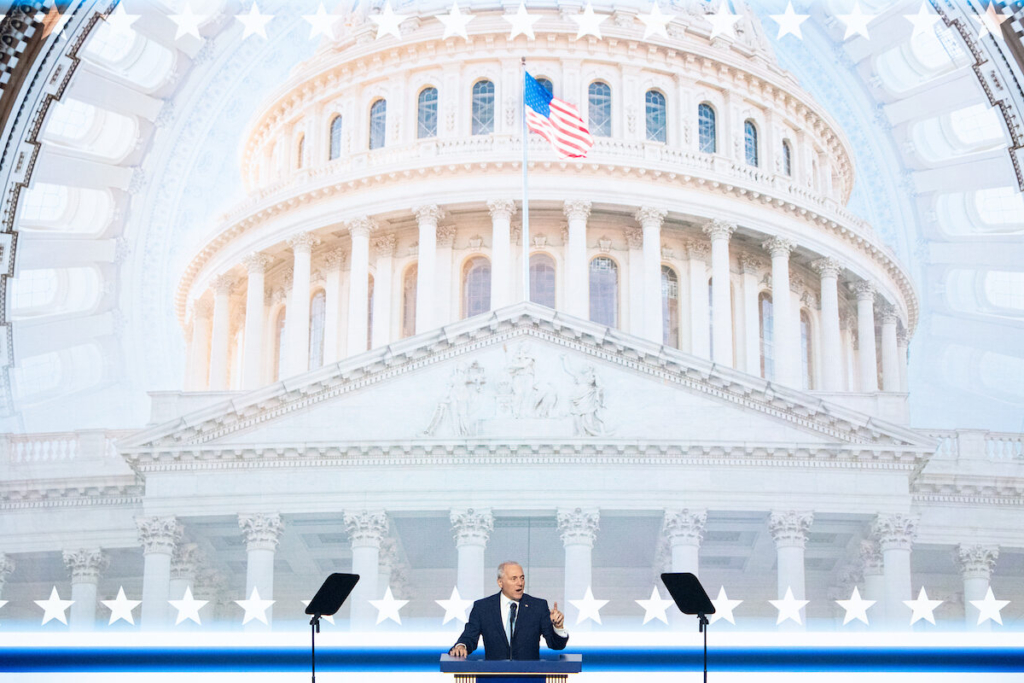
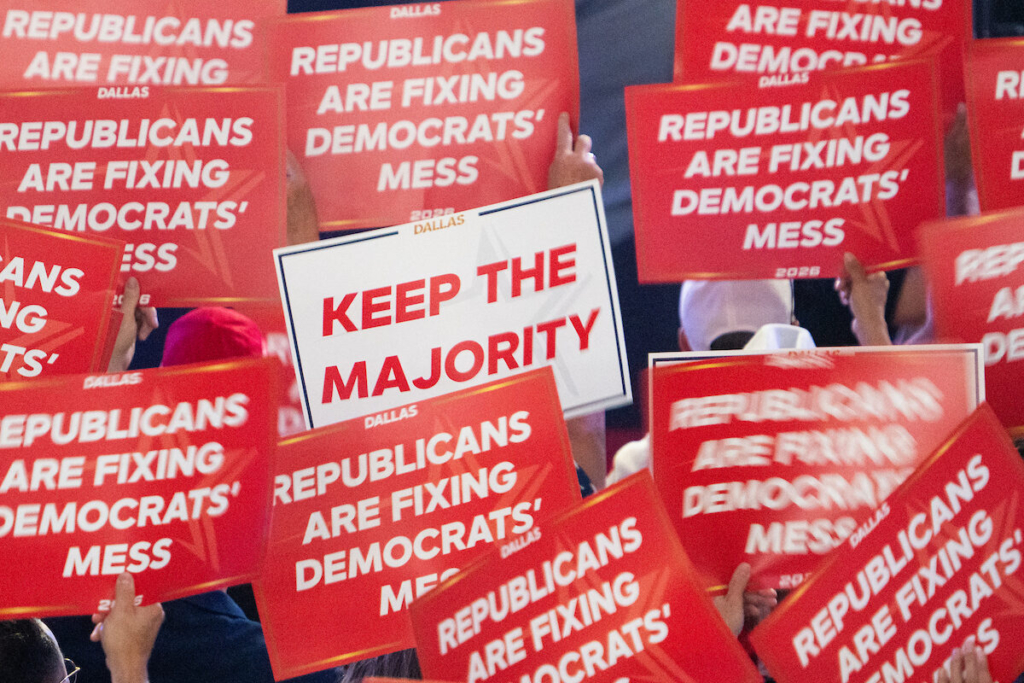
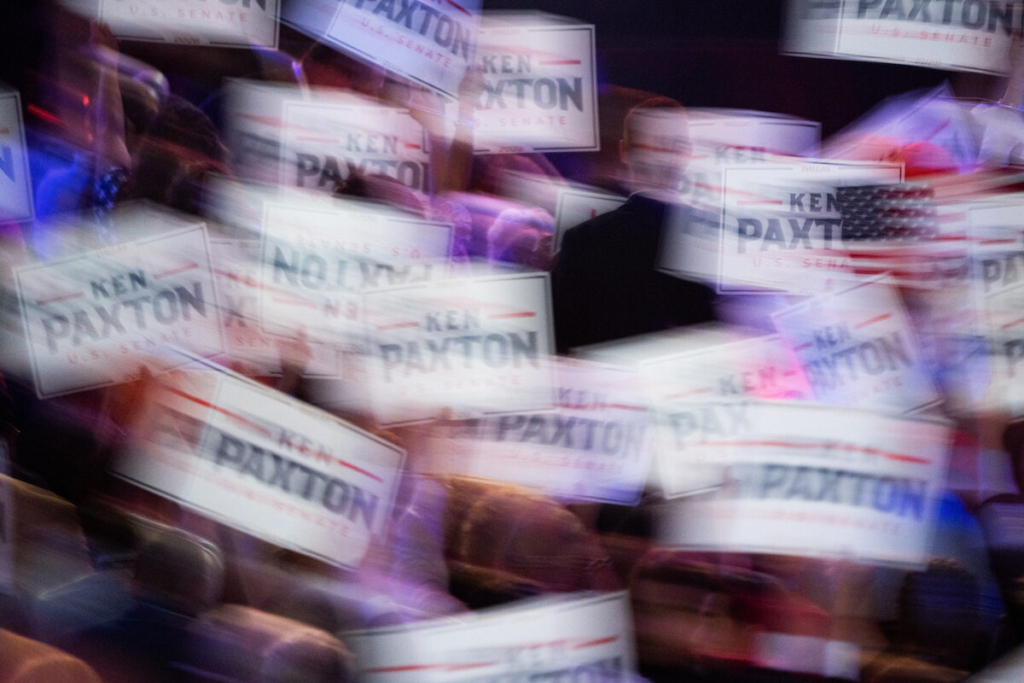
Following Gruters, House Majority Leader Steve Scalise (R-La.) took the podium to outline the legislative record of the Republican-led House of Representatives. Scalise focused heavily on economic policies, tax policy extensions, energy independence, and border enforcement legislation. Delegates in the stands waved standardized campaign signs during Scalise’s address, signaling enthusiasm for the House leadership’s platform.
The afternoon session shifted focus toward key congressional races that could determine control of the House and Senate:
Texas’s 35th Congressional District: Carlos De La Cruz, an Air Force veteran running for Texas’s 35th District, addressed the crowd, emphasizing national security, veteran care, and economic relief for working families in South and Central Texas.
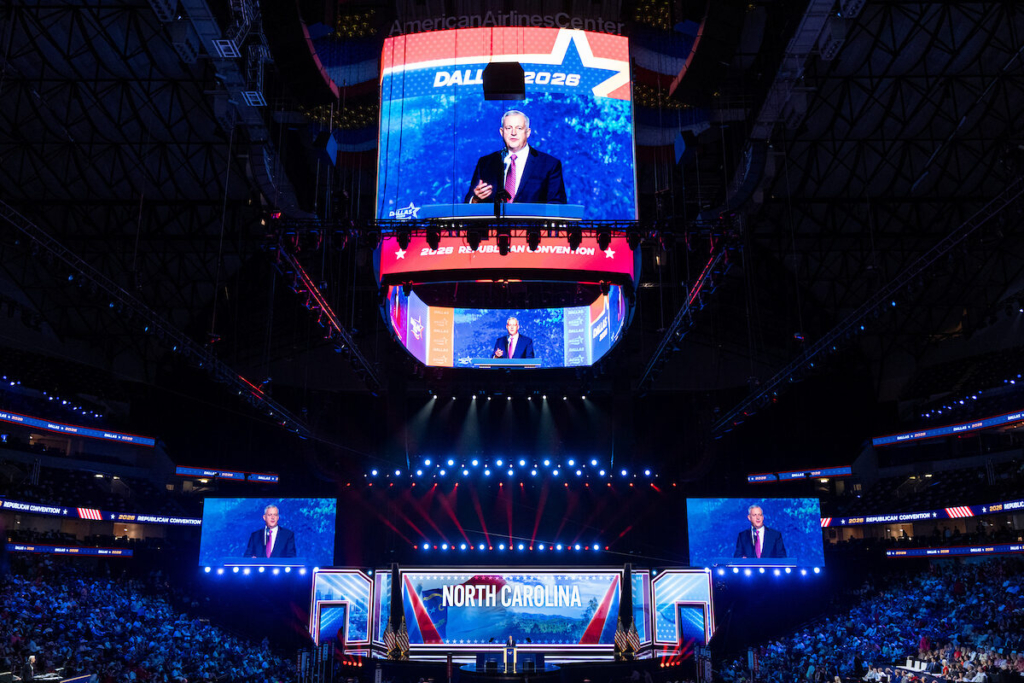
North Carolina Senate Race: Michael Whatley, candidate for the U.S. Senate in North Carolina, delivered a speech focusing on manufacturing, job growth, and Sun Belt economic competitiveness.
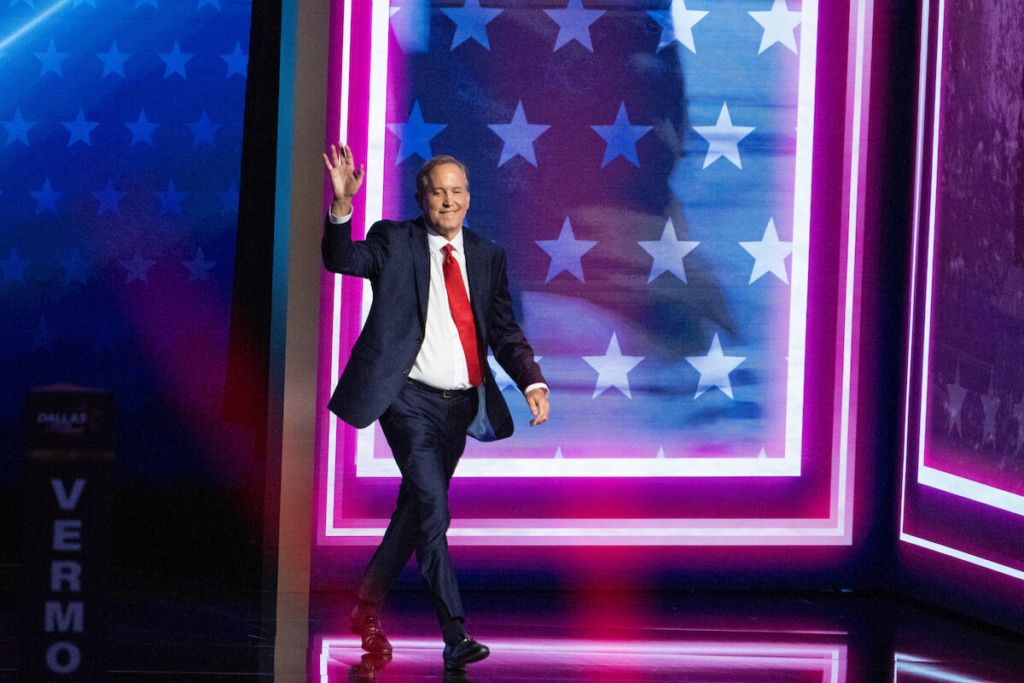
Texas Senate Race: Texas Attorney General Ken Paxton, running for the U.S. Senate, brought the hometown crowd to its feet. Paxton emphasized state-led legal challenges to federal regulations, border sovereignty, and constitutional protections.
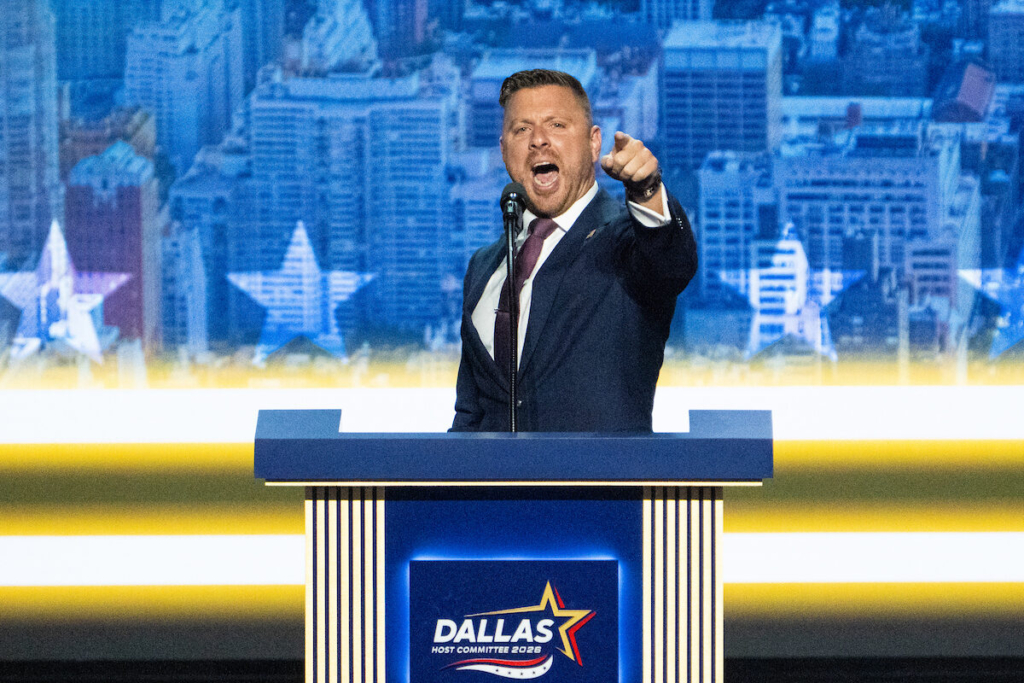
New York’s 3rd Congressional District: Former New York State Assemblyman Mike LiPetri presented his strategy for reclaiming suburban House seats in New York, framing his campaign around public safety, suburban affordability, and tax reform.
Georgia Senate Race: Representative Mike Collins (R-Ga.), running for the Senate in Georgia, closed out the candidate spotlight segment with a fiery speech focusing on fiscal conservatism, judicial appointments, and rural health infrastructure.
The Fetterman Video Presentation
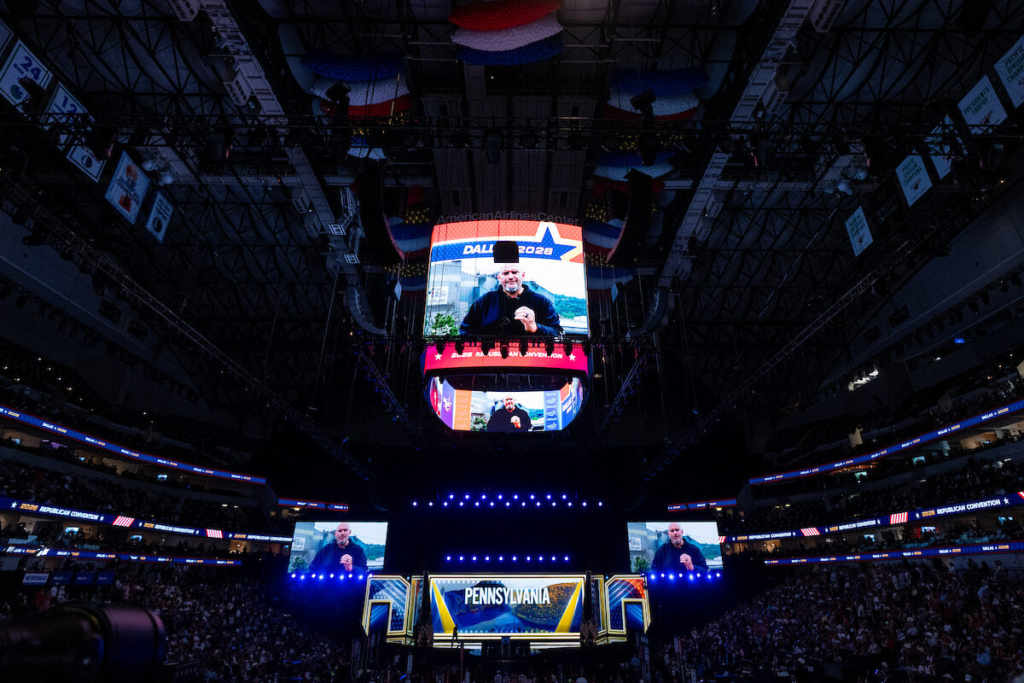
A unexpected moment occurred mid-afternoon when Pennsylvania Senator John Fetterman appeared on the arena’s video displays. Fetterman, a Democrat known for his unconventional style and occasional willingness to engage across party lines, delivered remarks addressing labor issues, domestic manufacturing, and working-class economic struggles. While the inclusion of a Democratic senator at a GOP convention drew mixed reactions from the crowd, political observers highlighted the moment as a strategic attempt by convention organizers to appeal to blue-collar swing voters in the Rust Belt.
Prime-Time Evening Keynote by President Trump
As night fell over Dallas, the arena reached full capacity in anticipation of President Donald Trump’s address. Trump took the stage to loud cheers, delivering a speech that lasted over an hour.
Trump framed the upcoming midterm elections as an existential choice for the country, emphasizing the need for conservative control in both houses of Congress to secure his administration’s legislative agenda. He touched on key campaign pillars, including domestic energy production, inflation reduction, border policy, and foreign relations. Following the conclusion of his remarks, Trump danced on stage to his signature campaign exit song, Village People’s "Y.M.C.A.," before exiting the arena floor.
Supporting Data: Electoral Landscape and Midterm Context
The decision to host a national midterm convention eight weeks prior to Election Day underscores the tight margins governing both houses of the U.S. Congress in the 2026 cycle. Republicans are seeking to preserve and expand slim majorities, relying heavily on high voter turnout in battleground states such as Texas, Georgia, North Carolina, and Pennsylvania.
Key Electoral Metrics & Congressional Breakdown
Historical midterm dynamics often present challenges for the party holding the White House. However, GOP strategists are relying on targeted mobilization in key Sun Belt and Rust Belt districts to defy traditional political trends.
2026 MIDTERM BATTLEGROUND PROFILE (SELECTED STATES)
┌────────────────┬───────────────────┬───────────────────────────────┬────────────────────────────┐
│ State / Race   │ GOP Candidate     │ Primary Strategic Focus       │ Key Demographic Target     │
├────────────────┼───────────────────┼───────────────────────────────┼────────────────────────────┤
│ Texas (Senate) │ Ken Paxton        │ Border Enforcement, Energy    │ Rural & Suburban Conservatives│
│ N. Carolina (Sen)│ Michael Whatley  │ Manufacturing, Economy        │ Independent Suburbanites   │
│ Georgia (Sen)  │ Rep. Mike Collins │ Inflation, Agricultural Policy│ Exurban & Rural Voters     │
│ NY-03 (House)  │ Mike LiPetri      │ Public Safety, Suburban Taxes │ Long Island Moderates      │
│ TX-35 (House)  │ Carlos De La Cruz │ Border Security, Military     │ Hispanic & Veteran Voters  │
└────────────────┴───────────────────┴───────────────────────────────┴────────────────────────────┘
Turnout and Mobilization Strategy
According to organizational details released during the convention, the RNC has established over 200 regional field offices in target congressional districts. Party leaders highlighted a multi-million-dollar investment in early voting awareness, chase-ballot operations, and legal oversight teams dedicated to election monitoring.
Official Responses: Political Reactions Across the Aisle
Republican Leadership Statements
Speaking at a press briefing on the sidelines of the convention floor, House Majority Leader Steve Scalise reasserted the party’s message of economic stability and border security.
"The energy we are seeing here in Dallas is proof that the American people want results, not rhetoric," Scalise stated. "Over the past two years, House Republicans have fought for lower taxes, energy dominance, and secure borders. In eight weeks, voters will have a clear choice between continuing that progress or allowing Senate and House Democrats to derail our economic recovery."
RNC Chairman Joe Gruters echoed those sentiments during his opening press conference, describing the midterm convention as a necessary evolutionary step for political campaigning.
"We are not waiting until the final two weeks to make our case," Gruters said. "This convention unifies our candidates from New York to Texas, from North Carolina to California, under one strong platform. We leave Dallas with one goal: securing conservative majorities across the board."
Democratic Party Counter-Messaging
The Democratic National Committee (DNC) and the Democratic Congressional Campaign Committee (DCCC) issued sharp rebuttals to the events in Dallas, framing the gathering as an out-of-touch political showcase.
In an official statement released Wednesday evening, DNC Spokesperson Alex Floyd criticized the convention’s agenda:
"No amount of staging in Dallas can disguise the extreme, anti-worker agenda being championed at this convention. While Republicans spend two days holding rallies and repeating divisive rhetoric, Democrats are focused on lowering healthcare costs, protecting reproductive freedoms, and building an economy that works for middle-class families. Voters know what is at stake this November, and they will hold congressional Republicans accountable for their failed record."
Additionally, Pennsylvania political commentators weighed in on Senator John Fetterman’s surprise video appearance, noting that while Fetterman frequently breaks from traditional party orthodoxy, his presence at a national GOP event underscored the intense national focus on Pennsylvania’s crucial voting blocs.
Strategic Implications for the November 2026 Midterms
The gathering in Dallas represents a distinct campaign strategy, shifting away from localized, race-by-race campaigning toward a nationalized midterm model. By bringing national attention, top surrogates, and media coverage to Dallas eight weeks before Election Day, the GOP aims to accomplish several key strategic objectives:
1. Nationalizing Congressional Races
By featuring candidates like Mike LiPetri (NY-03) and Carlos De La Cruz (TX-35) alongside national figures like President Trump and Leader Scalise, the GOP is attempting to nationalize local House contests. This strategy aims to tie local Democratic opponents directly to national party leadership and economic conditions, making the election a national referendum.
2. Reinforcing the Sun Belt Anchor
Holding the convention in Dallas highlights the strategic importance of the Sun Belt. With high-stakes Senate races underway in Texas, Georgia, and North Carolina, the event allowed the party to consolidate its base in rapidly growing metropolitan areas while rallying suburban voters who will prove decisive in November.
3. Maximizing Base Enthusiasm and Fundraising
With President Trump anchoring both days of the convention, the GOP is relying on his unique ability to turn out low-propensity voters. RNC officials anticipate a significant fundraising surge driven by television broadcasts, digital streams, and small-dollar donation appeals connected to the convention program.
As the second and final day of the convention approaches on Thursday—featuring additional speeches from top legislative leaders and another appearance by President Trump—both parties remain locked in a high-stakes battle for control of Capitol Hill, with the outcome hanging in the balance ahead of November.