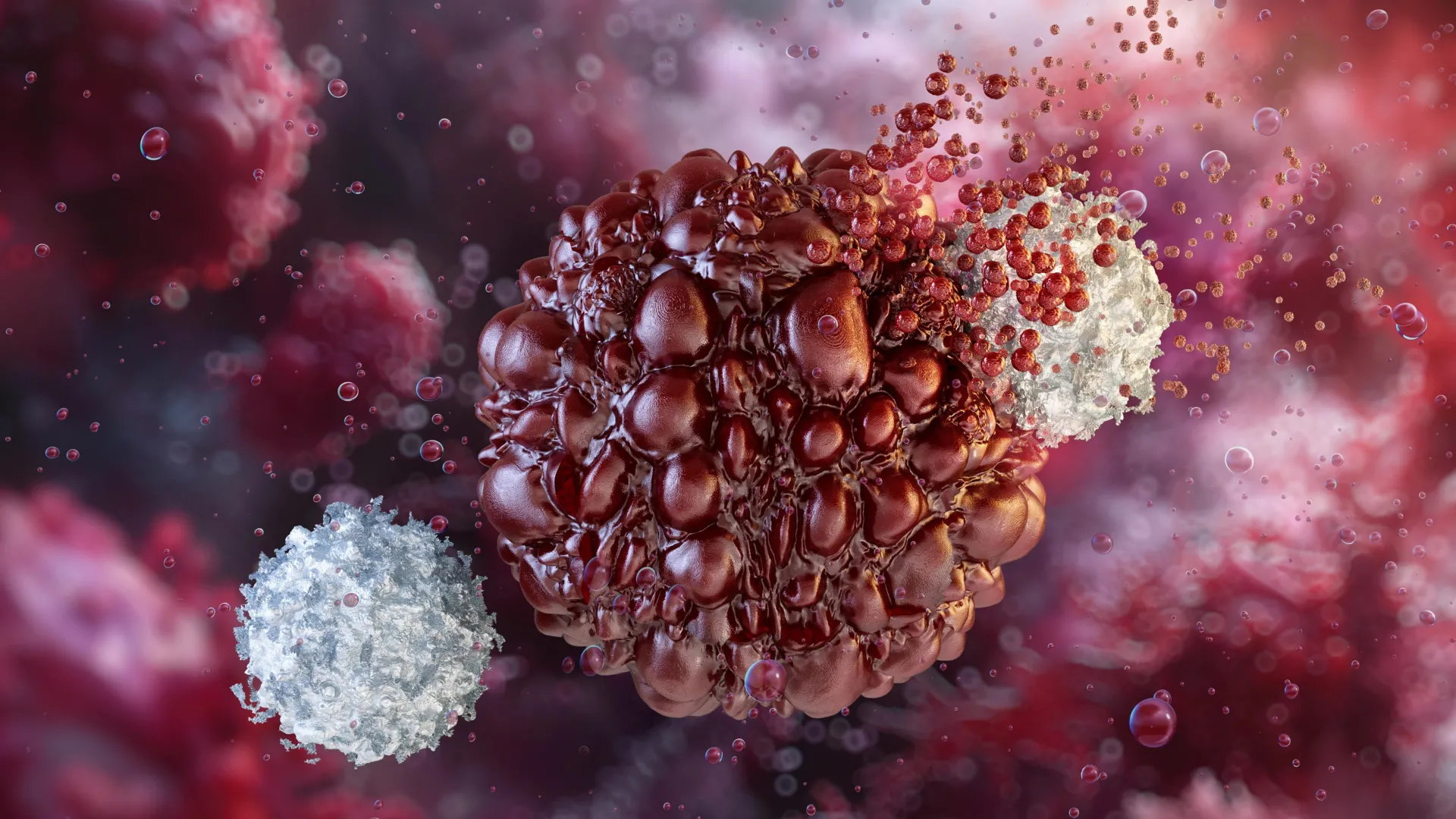
In a landmark study published in the journal Cell, researchers at USC Stem Cell have unveiled a revolutionary platform for cellular immunotherapy. By successfully creating a scalable, renewable, and engineerable supply of granulocyte-monocyte progenitors (GMPs), the team has addressed one of the most persistent bottlenecks in modern medicine: the difficulty of sourcing, maintaining, and effectively deploying immune cells to combat complex diseases like cancer and inherited immune deficiencies.
This development marks a significant departure from traditional therapeutic approaches, which have largely relied on mature cells that are difficult to manipulate and store. By tapping into the self-renewing capacity of progenitor cells, scientists are now looking at a future where "off-the-shelf" immunotherapies could become a clinical reality.
The Core Innovation: Redefining Progenitor Potential
For decades, the field of hematology operated under a strict hierarchy: hematopoietic stem cells were the "gold standard" for self-renewal, while progenitor cells—the intermediate steps between stem cells and fully functional immune cells—were viewed as transient, limited-lifespan workhorses.
The research team, led by Qi-Long Ying, MD, PhD, professor of stem cell biology and regenerative medicine at the Keck School of Medicine of USC, challenged this paradigm. Through a precise chemical cocktail, the researchers successfully stabilized GMPs in the laboratory. Unlike previous attempts, where these cells would rapidly differentiate into mature macrophages and die off, the team’s method keeps GMPs in a state of perpetual, controlled division while maintaining their original identity.
This ability to self-renew is the "holy grail" of cellular therapy. It provides a platform that is not only scalable—allowing for the production of billions of cells from a single source—but also remarkably stable, overcoming the fragility that often characterizes mature macrophage therapies.
Chronology: From Lab Bench to Breakthrough
The road to this discovery involved years of iterative testing and interdisciplinary collaboration.
- Initial Hypothesis: The research team, led by first author Shi Yue, MD, identified that the primary limitation of existing macrophage therapies was the maturation stage. Mature macrophages are notoriously difficult to scale and genetically edit.
- Method Development: Using advanced chemical signaling, the team developed a culture system that blocked the premature maturation of GMPs, allowing them to remain in a progenitor state over long-term laboratory culture.
- Validation: To ensure the findings were not unique to one laboratory setting, the team collaborated with the lab of Ravi Majeti, MD, PhD, at Stanford University. The Stanford team independently reproduced the findings, verifying that the GMP platform was robust, reproducible, and capable of being genetically engineered.
- In Vivo Testing: Following successful in vitro engineering, the researchers introduced the modified GMPs into mouse models. The cells successfully homed into bone marrow and other hematopoietic tissues, functioning as a "factory" that continuously generated engineered macrophages in the body.
- Publication: The findings were finalized and published in the peer-reviewed journal Cell, setting the stage for future clinical translational research.
Supporting Data: Engineering the Immune Response
The potency of this new platform lies in its "engineerability." The USC team utilized Chimeric Antigen Receptor (CAR) technology to program the GMPs.
Precision Targeting
By equipping GMPs with a CAR, the researchers enabled these progenitor cells to specifically recognize markers on the surface of cancer cells. Once the GMPs differentiate into macrophages within the host, they are essentially "programmed" to hunt and consume those specific targets.
The "Double-Signal" Advantage
Beyond targeting, the researchers engineered the GMPs to produce a secondary signaling molecule. This molecule acts as an immune "alarm," activating neighboring immune cells and stimulating T-cell activity. This dual-action approach is particularly vital for solid tumors, which are notorious for creating an immunosuppressive environment that excludes or exhausts traditional T-cell therapies.
Sustained Efficacy
In studies involving both blood-borne cancers and solid tumors, the CAR-engineered GMPs demonstrated a superior ability to persist in the body. By settling in the bone marrow, the GMPs acted as a continuous, renewable source of effector cells. This avoided the "rapid loss" of therapeutic efficacy seen in clinical trials where mature cells were injected directly into the bloodstream and subsequently cleared by the body before they could complete their task.
Official Responses and Expert Perspective
The scientific community has met the study with significant enthusiasm, noting its potential to bridge the gap between current T-cell therapies and the broader requirements of oncology.
"The study establishes a scalable and engineerable GMP platform for cellular immunotherapy and introduces concepts that we believe could have broad implications for both cancer immunotherapy and stem cell biology," said Dr. Qi-Long Ying. "We found that, under the right conditions, GMPs can also self-renew, dividing extensively while keeping their identity. That gives us a scalable starting point for engineering cell therapies for cancer, infectious disease and potentially many other conditions."
Dr. Ravi Majeti of Stanford University, a collaborator on the study, emphasized the translational readiness of the work. "This method for the expansion and engineering of GMPs opens the door to numerous translational applications, much like T cell expansion and engineering. We have already demonstrated engineering of these cells to drive multiple potent functions, and there is a lot more to be explored."
Implications: A New Frontier in Medicine
The implications of this study reach far beyond oncology, signaling a shift in how we approach immune-related disorders.
Solving the "Off-the-Shelf" Problem
One of the most promising aspects of the study is the finding that these GMPs can function effectively even when donor and recipient are immunologically mismatched. This suggests the potential for "universal" or off-the-shelf therapies. Rather than the time-consuming and expensive process of harvesting and modifying a patient’s own cells—the current standard for CAR-T therapy—clinicians could eventually draw upon standardized, pre-engineered GMP products, significantly reducing wait times and costs.
Beyond Oncology: Addressing Immune Deficiencies
The researchers successfully tested the platform in mice suffering from chronic granulomatous disease, an inherited disorder that leaves the body vulnerable to severe bacterial infections. The GMP treatment effectively restored the animals’ immune function, proving that the platform is not restricted to cancer treatment. This opens doors for treating various genetic immune deficiencies that currently lack curative options.
Overcoming Solid Tumor Barriers
Perhaps the most critical implication is the potential to tackle solid tumors. While CAR-T therapies have revolutionized the treatment of liquid tumors like leukemia, they have struggled to penetrate the dense, hostile microenvironments of solid tumors. Macrophages, by their biological nature, are designed to infiltrate tissues and navigate complex environments. By engineering these precursors, scientists may finally have the tools to turn a tumor’s own microenvironment against it.
Conclusion
The USC Stem Cell study represents a pivotal moment in the evolution of regenerative medicine. By challenging the dogma regarding the limits of progenitor cells, the researchers have unlocked a versatile platform that addresses the scalability, durability, and targeting issues of contemporary immunotherapy.
As the field moves from the laboratory to potential clinical trials, the ability to generate a renewable, standardized, and "smart" immune cell supply could define the next generation of cancer treatment. While further validation and human clinical trials remain necessary, the foundation laid by Dr. Ying and his team provides a clear, scalable roadmap for the future of medicine—one where the body’s own immune system can be precision-engineered to meet the challenge of the most difficult diseases.
The study, "Expansion and CAR engineering of granulocyte-monocyte progenitors for cellular immunotherapy," was supported by a coalition of research foundations and private entities, including the Chen Yong Foundation, the L.K. Whittier Foundation, and Myelogene Inc., reflecting the high level of industry and academic interest in this breakthrough technology.