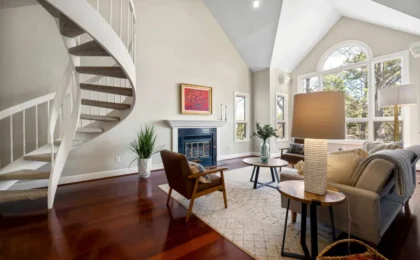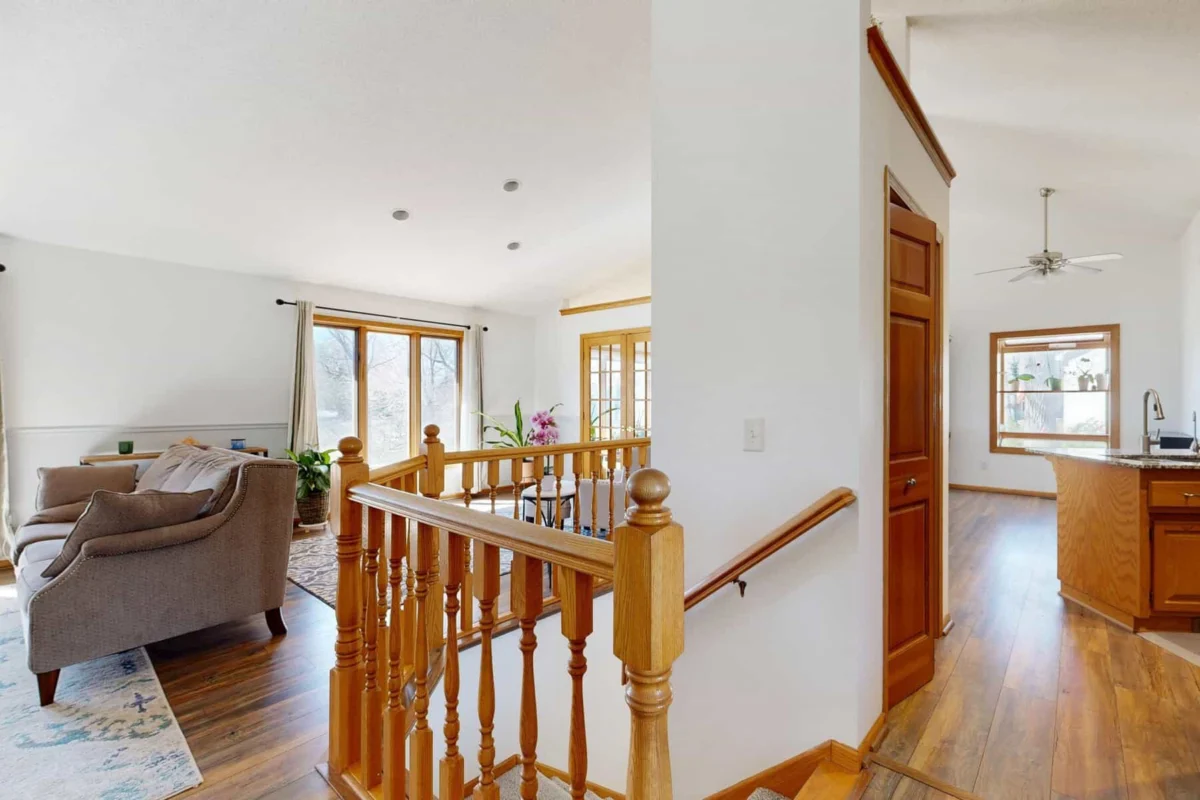
In the digital age, the homebuying process begins long before a potential buyer steps onto a front porch or turns a key in a lock. It starts on a smartphone screen, scrolling through high-resolution galleries that promise a glimpse into a future life. However, while professional photography is designed to highlight a home’s most alluring features, it can also function as a tactical veil. Savvy buyers are increasingly learning that what is not shown, or how a space is framed, often reveals more about a property’s condition, layout, and maintenance history than the staged living rooms and pristine kitchens.
Whether you are scouting a historic townhouse in Richmond, VA, or a modern condo in Brooklyn, NY, understanding how to read between the pixels is an essential skill. By treating listing photos as a diagnostic tool rather than a marketing brochure, buyers can save significant time, avoid unnecessary showings, and gain critical leverage during negotiations.
The Art of Omission: Why Missing Rooms are a Red Flag
One of the most telling indicators of a home’s true state is the composition of the photo gallery itself. If a listing boasts dozens of images but conspicuously excludes specific areas, it is rarely a coincidence. Common omissions often include bathrooms, laundry rooms, unfinished basements, or even exterior views of the backyard or side alleys.
The Expert Perspective on Selective Coverage
John Turton, owner and photographer at John Turton Photography, emphasizes that the absence of imagery is often a strategic choice. “It’s important to pay attention to what’s missing from the photo gallery, as spaces that are not included can sometimes indicate areas that deserve a closer look during a showing,” he explains.
Randy Tanner, owner and lead photographer at Living Proof Photography, echoes this sentiment, noting that the gaps in a digital tour are often more revealing than the highlights. “Omissions can be just as revealing as what’s photographed. If you see a beautiful kitchen but notice that the primary bathroom or the garage has been entirely excluded, ask yourself why. That is where the ‘story’ of the house—the deferred maintenance or the layout issues—is usually hidden.”
While there may be benign reasons for limited photography—such as ongoing renovations or a desire to protect the privacy of current tenants—buyers should approach these listings with a healthy dose of skepticism. A complete, transparent gallery is a hallmark of a seller who has nothing to hide.
The Distortion Trap: Managing Expectations with Wide-Angle Lenses
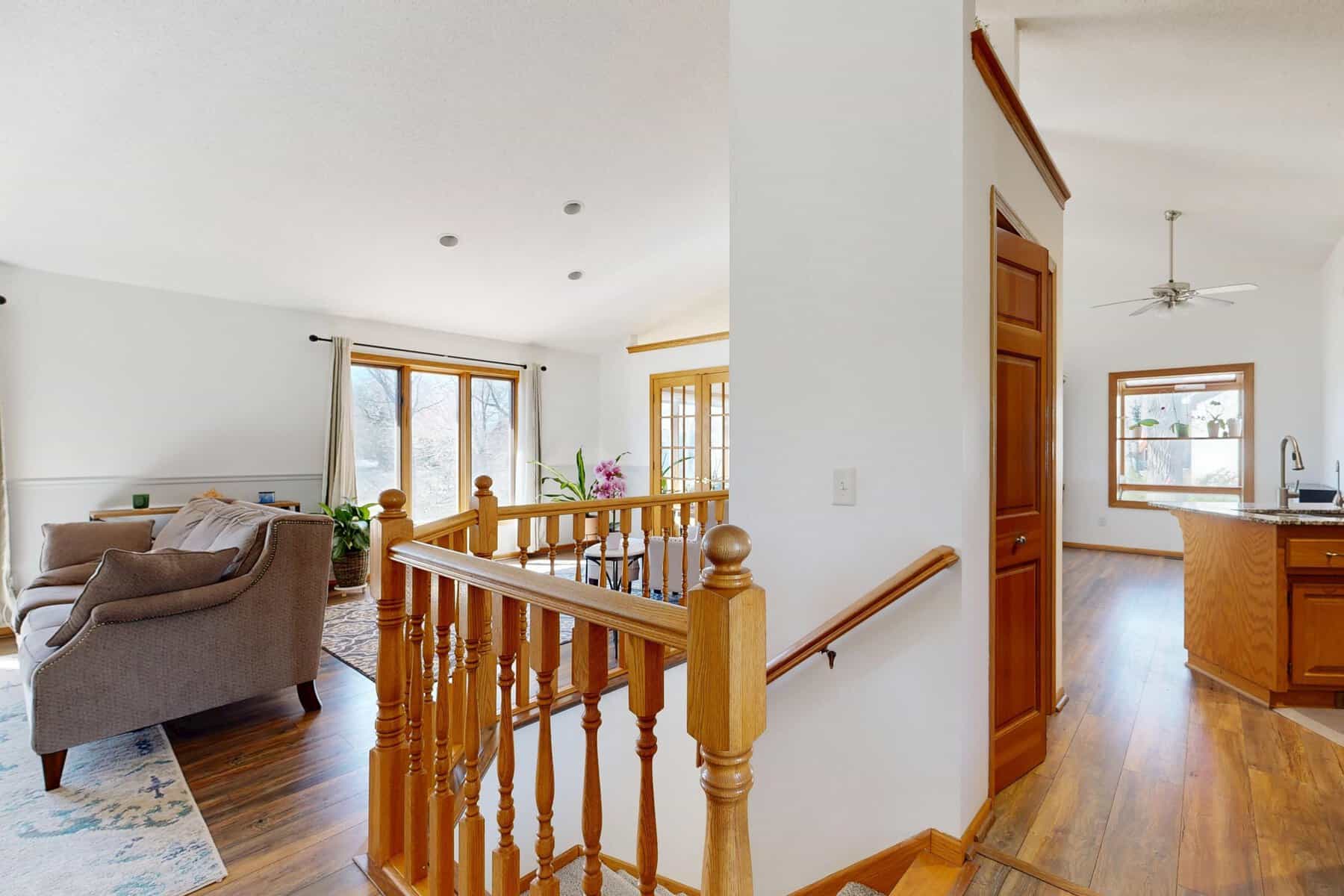
The real estate industry relies heavily on wide-angle lenses to capture entire rooms in a single frame. While this is a standard practice to maximize space in marketing materials, it frequently leads to distortion that can mislead potential buyers regarding the true dimensions of a property.
Vineet Devaiah, founder of TeliportMe SARL, warns that buyers must develop an eye for "fake" proportions. “Be wary of high Field of View (FOV) photography,” Devaiah advises. “While often used to make small rooms appear larger, many buyers have now learned to spot this ‘fakiness’ as it creates unrealistic proportions. If a bedroom appears as large as a hotel ballroom, or if the walls seem to curve inward, you are likely looking at a digital manipulation of reality.”
How to Verify Real-World Dimensions
To combat the illusion of the wide-angle lens, buyers should always cross-reference images with the provided floor plans and square footage measurements. If the dimensions suggest a cozy 10×11-foot room, yet the photo portrays a sprawling suite, the camera is deceiving you. When in doubt, search for vertical lines in the image, such as door frames or corners. If they appear slanted or bowed, the photo has been heavily processed.
The HDR Dilemma: Assessing Condition Through Heavy Editing
High Dynamic Range (HDR) photography has revolutionized the way homes are presented online. By blending multiple exposures, photographers can balance bright windows with dark interiors, creating a "perfect" image. While this technique makes listings look polished and professional, it can also mask the home’s true state.
Tanner notes that while HDR is an industry standard, it can sometimes cross the line into obfuscation. “Good listing photos should feel bright, balanced, and true to life,” he explains. “If the rooms look overly processed, where shadows are unnaturally eliminated and the lighting feels ‘plastic,’ it could be a sign that the photographer is compensating for poor natural light or a dreary interior.”
Recognizing Inconsistencies
When evaluating a listing, keep an eye out for these red flags that indicate excessive editing:
- Artificially "Blown Out" Windows: If the view outside a window is a pure, featureless white glare, the photographer may be hiding an unappealing exterior, such as a busy road or a neighboring wall.
- Lack of Depth: Excessive brightness can wash out textures. If you cannot see the grain of the wood flooring or the detail in the paint, the image may be hiding scuffs, stains, or water damage.
- Inconsistent Color Temperature: If one room looks warm and inviting while another looks cold and sterile, the editor may have adjusted the white balance inconsistently to make certain areas look more "inviting" than they actually are.
Beyond the Staging: Investigating the Permanent Features
Professional home staging is a powerful tool designed to help buyers visualize their lives in a new space. However, it can also serve as a distraction from the fundamental state of the house. Fraser Almeida, owner of Luxury Homes Photography, urges buyers to look past the furniture and focus on the "bones" of the building.
“I encourage buyers to look beyond the beautiful photos that showcase staging and decor and focus on the condition of the home itself,” Almeida says. He suggests zooming in on the static elements that are rarely updated:
- Baseboards and Crown Molding: Check for signs of warping, which can indicate past water damage.
- Ceiling Corners: Look for faint, yellowish rings, which are classic signs of roof or plumbing leaks.
- Window Sills: Examine these for signs of rot or water pooling, which often suggest poor insulation or seal failure.
- Cabinetry: Look for sagging shelves or misaligned hinges, which hint at the age and quality of the kitchen build.
By training your eye to ignore the decorative rugs and throw pillows, you can better assess the true maintenance history of the home.
The Power of Flow: Understanding Spatial Logic
A home is more than a collection of rooms; it is a system of movement and light. A common mistake buyers make is judging a house based on a series of disconnected snapshots. Rob Knight of Rob Knight Photo argues that the best real estate photography tells a narrative about how the home functions.
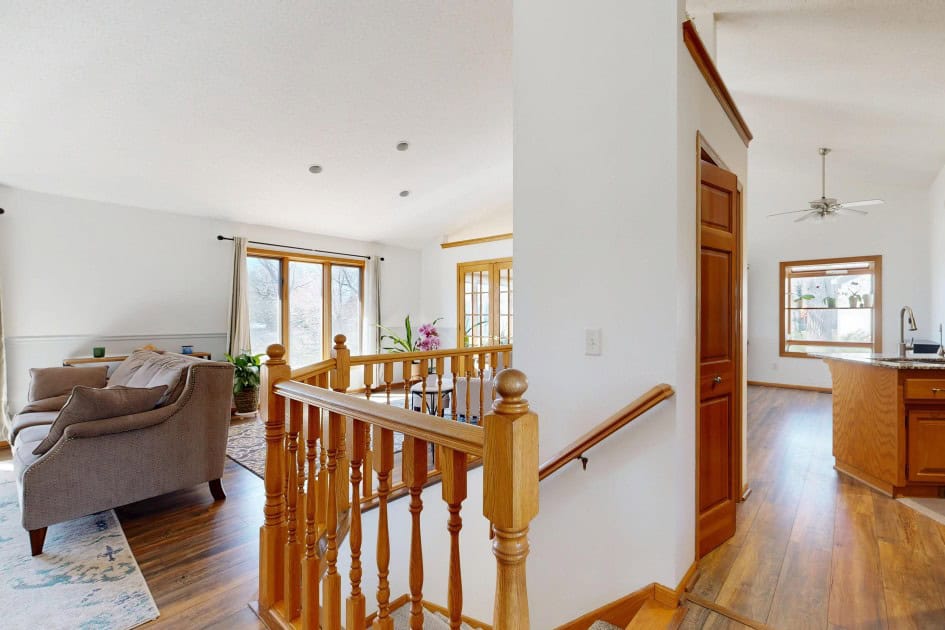
“Great real estate photography should give buyers a sense of what it is like to experience the home in person,” Knight explains. “The photos are an opportunity to showcase the natural light and the way the rooms flow into each other.”
Evaluating Layout
As you scroll through the gallery, try to mentally map the floor plan. Does the kitchen flow logically into the dining room? Are there too many hallways, or is the floor plan open and airy? If the listing photos are chaotic and jump from the attic to the kitchen without a clear progression, the home’s layout may be disjointed or confusing.
The Role of Virtual Tours in Modern Transparency
The shift toward 3D walkthroughs and virtual tours has provided a much-needed layer of transparency. These tools allow buyers to explore a home at their own pace, often revealing details that a photographer—or a seller—might prefer to keep hidden.
According to TeliportMe’s internal research, listings that incorporate virtual tours see a 14% increase in qualified lead engagement. This statistic suggests that buyers are hungry for the "unfiltered" look that a 3D tour provides. Devaiah suggests using these tours to look for "blind spots." If a 3D tour is available, use it to check the flooring transition between rooms or to see the view from the corners that the professional photographer conveniently avoided.
Conclusion: A Research-First Mindset
Listing photos serve as the first point of data in the long, complex journey of buying a home. However, they are merely a starting point. By understanding the techniques of professional photography—and the ways those techniques can be used to influence perception—buyers can move beyond the "first impression" phase of the search.
The most successful buyers do not rely on photos alone. They use them as a research tool to generate a list of intelligent questions for their agent. When you see a "perfect" room, look closer for the imperfections. When you see a missing room, ask why. By shifting your perspective from that of a passive viewer to that of an active researcher, you can ensure that when you finally do walk through the front door, you are fully informed and ready to make a decision based on reality, not just the image on the screen.