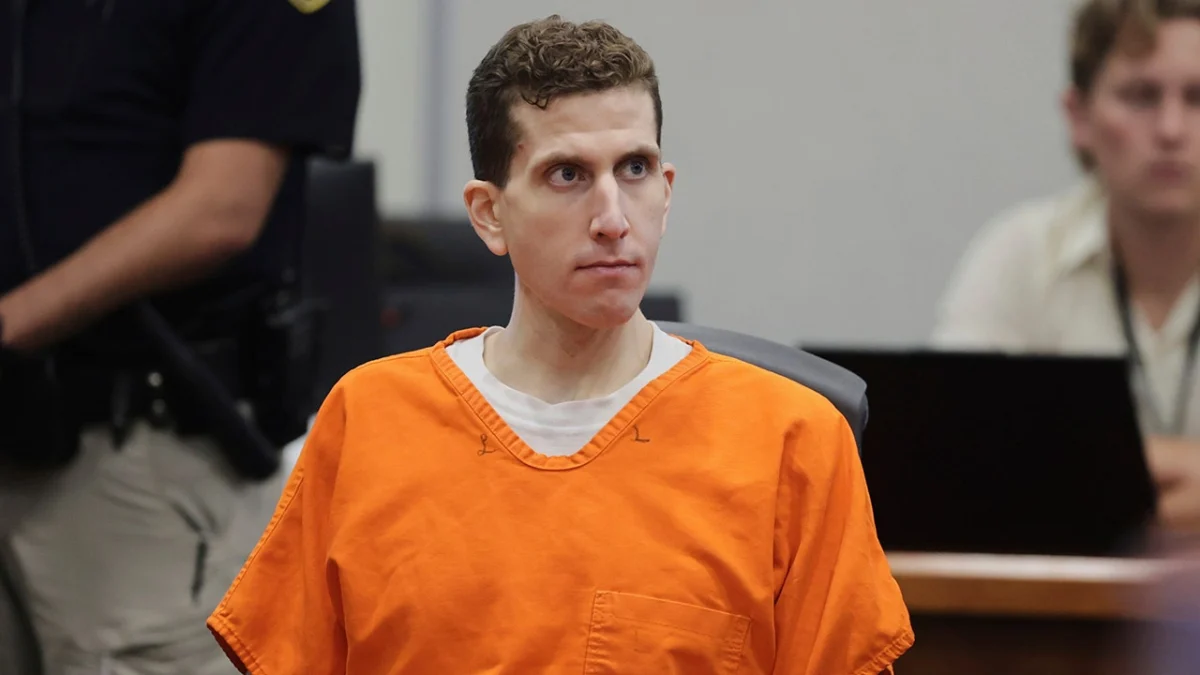
BOISE, Idaho — In a dramatic post-conviction turn that threatens to reopen one of the most closely watched criminal cases in modern American history, Bryan Kohberger is attempting to dismantle the legal resolution of his case.
Following his conviction for the brutal 2022 stabbing deaths of four University of Idaho students, Kohberger has filed sweeping post-conviction motions. Through his newly appointed counsel, Gregory Rauch, Kohberger is requesting the disqualification of Fourth Judicial District Judge Steven Hippler and demanding that future proceedings be transferred out of Ada County.
The filings mark a stark pivot for Kohberger, 31, who previously entered a guilty plea to four counts of first-degree murder and felony burglary. Now claiming innocence, Kohberger alleges that his prior defense team pressured him into a "false confession" via a flawed plea agreement. He is now demanding a full trial, despite the reality that doing so could once again place him in jeopardy of the death penalty.
Main Facts of the Post-Conviction Motions
The legal filings, submitted in Idaho’s Fourth Judicial District, target two primary objectives: the removal of the presiding judge and a change of venue for the post-conviction hearings.
The Bid to Disqualify Judge Steven Hippler
The motion to disqualify Judge Hippler goes beyond standard objections to judicial rulings, alleging a deeply rooted bias that compromises the court’s required impartiality. Written by court-appointed attorney Gregory Rauch, the motion argues that Hippler’s prior conduct, rulings, and highly critical statements during sentencing make it impossible for him to preside fairly over a post-conviction relief proceeding.
According to the defense, the motion "rests upon the extraordinary convergence" of multiple adverse factors rather than a single isolated incident. The defense argues that because post-conviction relief relies heavily on assessing the credibility of Kohberger’s claims of coercion and innocence, a judge who has already publicly declared Kohberger incapable of honesty cannot objectively evaluate the petition.
The Request for Venue Transfer
Simultaneously, Kohberger’s legal team has petitioned to move the proceedings out of Ada County—where the plea was entered and the sentencing took place—and back to Latah County, the jurisdiction where the murders occurred.
While the original criminal trial was relocated from Latah County to Boise (Ada County) in 2024 to mitigate local prejudice and secure an impartial jury, the defense argues those administrative concerns are no longer applicable. Because post-conviction relief is a bench proceeding decided solely by a judge without a jury, the defense asserts that the "convenience of witnesses and the ends of justice" dictate returning the case to its county of origin.
Chronology of the Case
The journey from the quiet college town of Moscow, Idaho, to the high-stakes legal maneuvering in Boise has spanned nearly three years of intense public scrutiny, complex forensic investigations, and shifting legal strategies.
[Nov 13, 2022] ------------------> [Dec 30, 2022] -------------> [Late 2024]
Four UI students stabbed           Kohberger arrested            Trial venue moved
to death in Moscow, ID.            in Pennsylvania.              to Ada County.

[Mid-2025] ----------------------> [July 23, 2025] ------------> [Post-Sentencing]
Kohberger enters surprise          Sentenced to life;            New counsel appointed;
guilty plea to murder charges. Judge lambastes defendant. Motions filed to withdraw plea.- November 13, 2022: University of Idaho students Madison Mogen, 21; Kaylee Goncalves, 21; Xana Kernodle, 20; and Ethan Chapin, 20, are found stabbed to death in an off-campus home on King Road in Moscow.
- December 30, 2022: Following a nationwide manhunt and a complex forensic investigation involving DNA found on a knife sheath, cellular data, and video surveillance, Kohberger—then a Ph.D. criminology student at Washington State University—is arrested at his parents’ home in Pennsylvania.
- 2023–2024: The case moves through a prolonged pre-trial phase characterized by massive discovery disputes. In late 2024, the Idaho Supreme Court orders a change of venue, transferring the case from Latah County to Ada County to ensure a fair trial.
- Mid-2025: In a stunning turn of events, Kohberger bypasses a scheduled trial by pleading guilty to four counts of first-degree murder and one count of felony burglary.
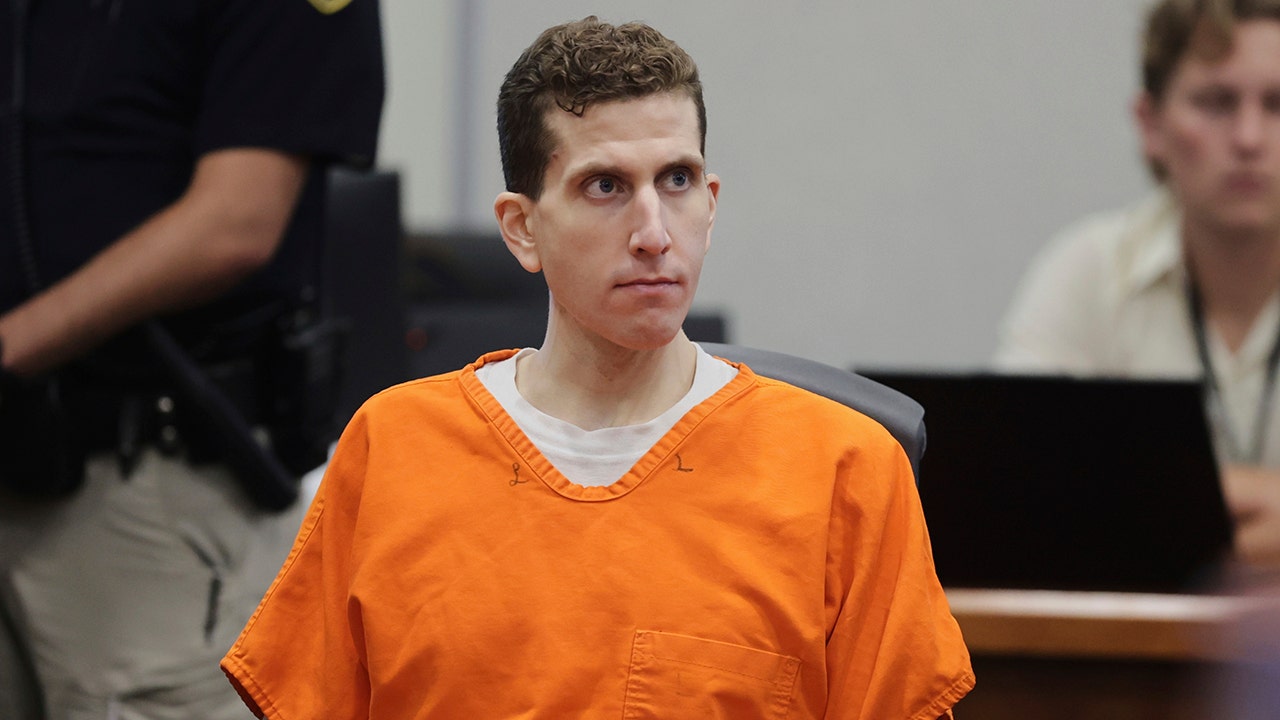
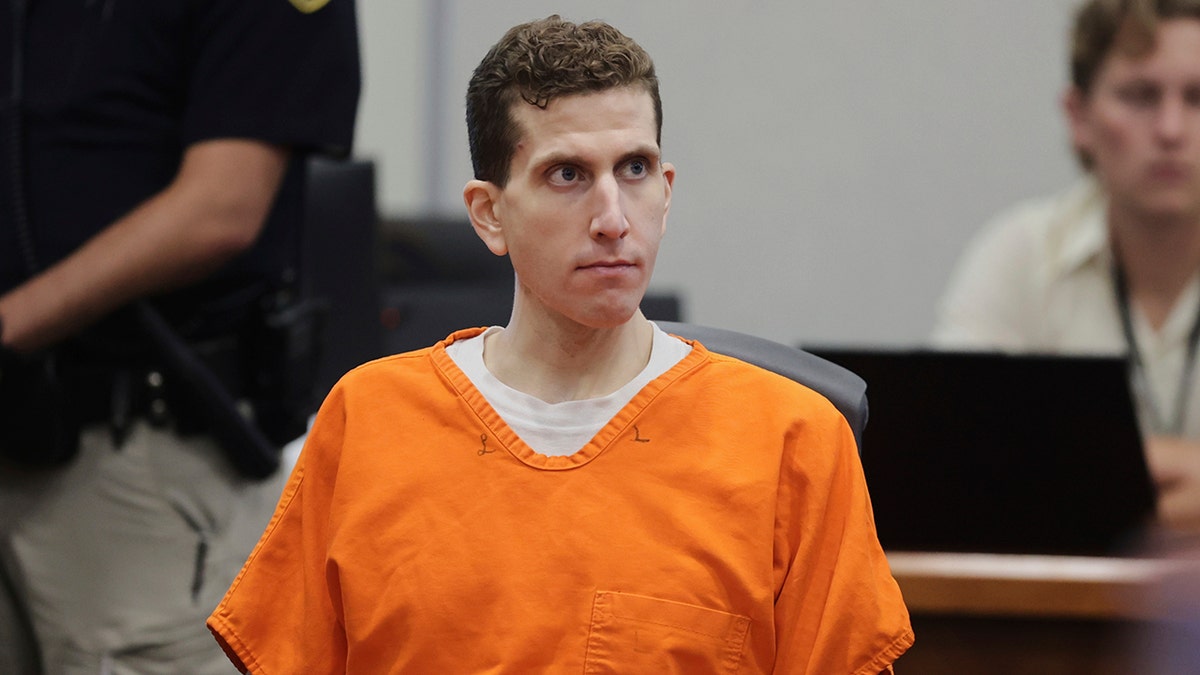
- July 23, 2025: Kohberger appears at the Ada County Courthouse for his sentencing hearing. Judge Steven Hippler sentences him while delivering a scathing rebuke of his character and actions.
- Post-Sentencing (Present): Kohberger requests post-conviction relief, asserting ineffective assistance of counsel and claiming his guilty plea was coerced. The court appoints Gregory Rauch to represent him, leading to the current motions to disqualify the judge and transfer the venue.
Supporting Data and Legal Arguments
The defense’s effort to overturn Kohberger’s conviction relies on a multi-layered legal strategy that challenges both the competency of his previous trial counsel and the impartiality of the court.
The Question of Judicial Impartiality
The central argument for disqualifying Judge Hippler stems from the sharp rhetoric he used during the July 23, 2025, sentencing hearing. According to court documents, Hippler openly questioned Kohberger’s capacity for honesty, asking:
"Do we really believe, after all of this, he is capable of speaking the truth?"
Additionally, Hippler referred to Kohberger as a "faceless coward" and "the worst of the worst."
Rauch argues that these statements are not merely expressions of moral outrage over a horrific crime, but are "forward-looking judgments about his credibility." Because a post-conviction relief hearing is a bench proceeding where the judge acts as the sole finder of fact, the defense maintains that Hippler has already disqualified himself by declaring in open court that the petitioner is a liar.
+-------------------------------------------------------------------------+
|                  Key Grounds for Judicial Disqualification              |
+-------------------------------------------------------------------------+
|  1. Pre-Judgment of Credibility: Judge Hippler's statements during     |
|     sentencing regarding Kohberger's ability to "speak the truth."      |
|                                                                         |
|  2. Use of Hostile Language: Characterizing the defendant as a          |
|     "faceless coward" and "the worst of the worst."                     |
|                                                                         |
|  3. Prior Discovery Conflicts: The court's rejection of defense claims  |
|     regarding the unmanageable volume of evidence.                      |
+-------------------------------------------------------------------------+
The "Ineffective Assistance of Counsel" Claim
The foundation of Kohberger’s bid to withdraw his guilty plea is the claim that his original trial counsel was constitutionally inadequate. The defense previously argued that the trial schedule made it impossible to properly review the millions of pages of digital evidence, DNA data, and social media archives associated with the case.
When the defense cautioned that forcing them to proceed under such time constraints threatened Kohberger’s Sixth Amendment right to effective representation, Judge Hippler rejected the argument. Hippler accused the defense of using the massive volume of discovery as a delay tactic rather than a legitimate concern.
Kohberger now claims this dynamic forced his defense team to pressure him into a flawed plea deal. Independent legal analysts and psychologists have noted that capital-case plea agreements executed under extreme time pressures are highly vulnerable to post-conviction challenges, particularly when defendants later claim psychological coercion.
The Venue Paradox
The motion to return the case to Latah County highlights a unique legal paradox. The original criminal trial was moved to Ada County because of the intense media saturation and localized bias in Moscow, Idaho.
However, Rauch argues that because a post-conviction hearing does not involve a jury, the threat of local prejudice is legally irrelevant. Instead, the defense points to Idaho Criminal Rule 57, which allows for venue transfers when the convenience of local witnesses—including the Moscow Police Department investigators, local forensic technicians, and regional witnesses—promotes the overall ends of justice.
Official Responses and Prosecution Position
The State of Idaho has signaled its intention to fight Kohberger’s post-conviction motions aggressively, seeking a swift dismissal of the petition.
State prosecutors argue that Kohberger’s guilty plea was entered knowingly, voluntarily, and intelligently, with a full understanding of the consequences. The state maintains that the plea agreement was a strategic decision by the defense to avoid a potential death sentence, and that Kohberger’s current claims of innocence and coercion represent nothing more than "buyer’s remorse" after realizing the finality of his sentence.
+-------------------------------------------------------------------------+
|                      State's Position vs. Defense Claims                |
+-------------------------------------------------------------------------+
|  STATE OF IDAHO                                 DEFENSE (KOHBERGER)     |
|  ------------------                             -------------------     |
|  • Plea was voluntary & strategic               • Plea was coerced      |
|  • Seeking immediate dismissal                  • Seeking a full trial  |
|  • Judge's comments reflect sentencing facts    • Judge exhibits bias   |
|  • Ada County is the proper jurisdiction        • Requesting Latah Co.  |
+-------------------------------------------------------------------------+
Legal experts expect the state to argue that Judge Hippler’s comments during sentencing do not constitute grounds for disqualification. Under established judicial precedents, a judge’s opinions formed during the course of judicial proceedings do not necessitate recusal unless they reveal a deep-seated favoritism or antagonism that would make fair judgment impossible. The state is expected to argue that Hippler’s description of Kohberger as a "faceless coward" was a reflection of the evidence presented during the sentencing phase, rather than an extrajudicial bias.
Implications and Legal Outlook
The filing of these motions introduces a volatile new chapter into a case that many believed was permanently resolved. The implications of Kohberger’s post-conviction bid extend across multiple facets of the justice system.
Impact on the Victims’ Families
For the families of Madison Mogen, Kaylee Goncalves, Xana Kernodle, and Ethan Chapin, this latest development threatens to undo the closure achieved by the July 2025 sentencing. The prospect of returning to court—and the potential for a full capital trial—reopens emotional wounds that have deeply impacted the Moscow community and the victims’ loved ones.
Legal Precedent and the Finality of Pleas
Should Kohberger succeed in disqualifying Judge Hippler or withdrawing his plea, it would send shockwaves through Idaho’s legal landscape. Guilty pleas are designed to bring finality to the criminal justice process. Allowing a high-profile defendant to withdraw a plea after sentencing on the grounds of "ineffective assistance" due to discovery backlogs could set a significant precedent for how complex, data-heavy capital cases are scheduled and litigated in the future.
The Path Forward
The immediate next step rests with the Fourth Judicial District. If Judge Hippler declines to disqualify himself, the defense may appeal the decision to the Idaho Supreme Court. If the court grants the motion to disqualify Hippler, a new judge will be assigned to review the petition for post-conviction relief.
If Kohberger is ultimately allowed to withdraw his guilty plea, the state is expected to fully reinstate all original charges, including the option to seek the death penalty. Kohberger would then face the very trial he sought to avoid, but this time under the shadow of a prior confession and an exceptionally high-profile public record.