The United States is experiencing an unprecedented surge in venomous snakebites this season, driven by unseasonably warm weather and expanding suburban development. From remote hiking trails to residential front porches, encounters with venomous reptiles—particularly rattlesnakes—have escalated dramatically. This trend has put emergency medical services on high alert, strained healthcare resources, and left families grappling with life-threatening emergencies and astronomical medical bills.
A stark reminder of this growing threat occurred recently in Southern California, where a three-year-old girl was bitten by a rattlesnake concealed beneath a newly delivered home package. This incident is part of a broader, alarming trend observed by wildlife experts and health officials nationwide.
1. Main Facts: The Suburbanization of Snake Encounters
The danger of venomous snakebites is no longer confined to remote wilderness areas or deep backcountry trails. As suburban sprawl encroaches on natural wildlife habitats, residential properties have increasingly become the backdrop for dangerous encounters.
The Attack on Addy Barajas
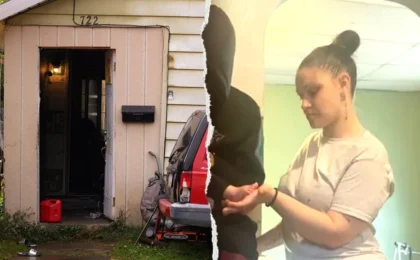
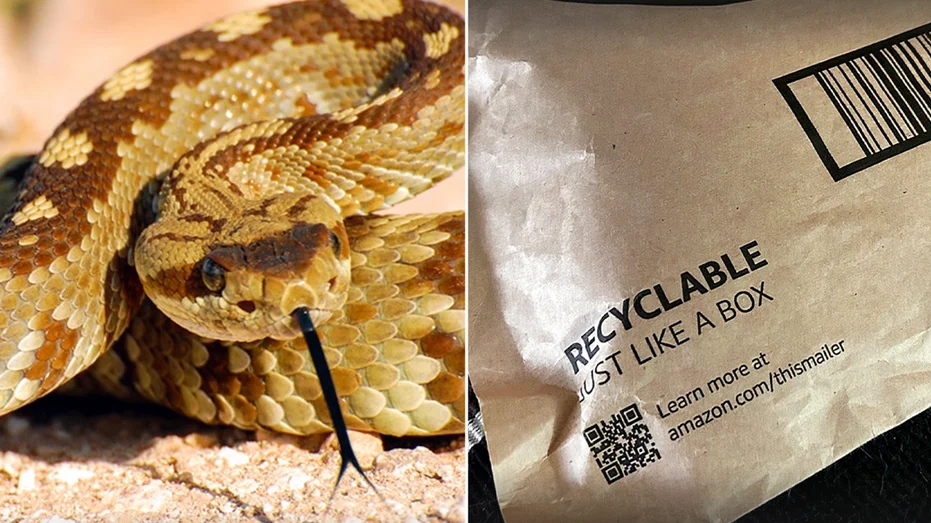
In a quiet residential neighborhood in Southern California, the Barajas family experienced a parent’s worst nightmare. Manuel Barajas recounted how his three-year-old daughter, Addy, ran outside after her mother mentioned that an Amazon package had been delivered and tossed over the family’s front gate.
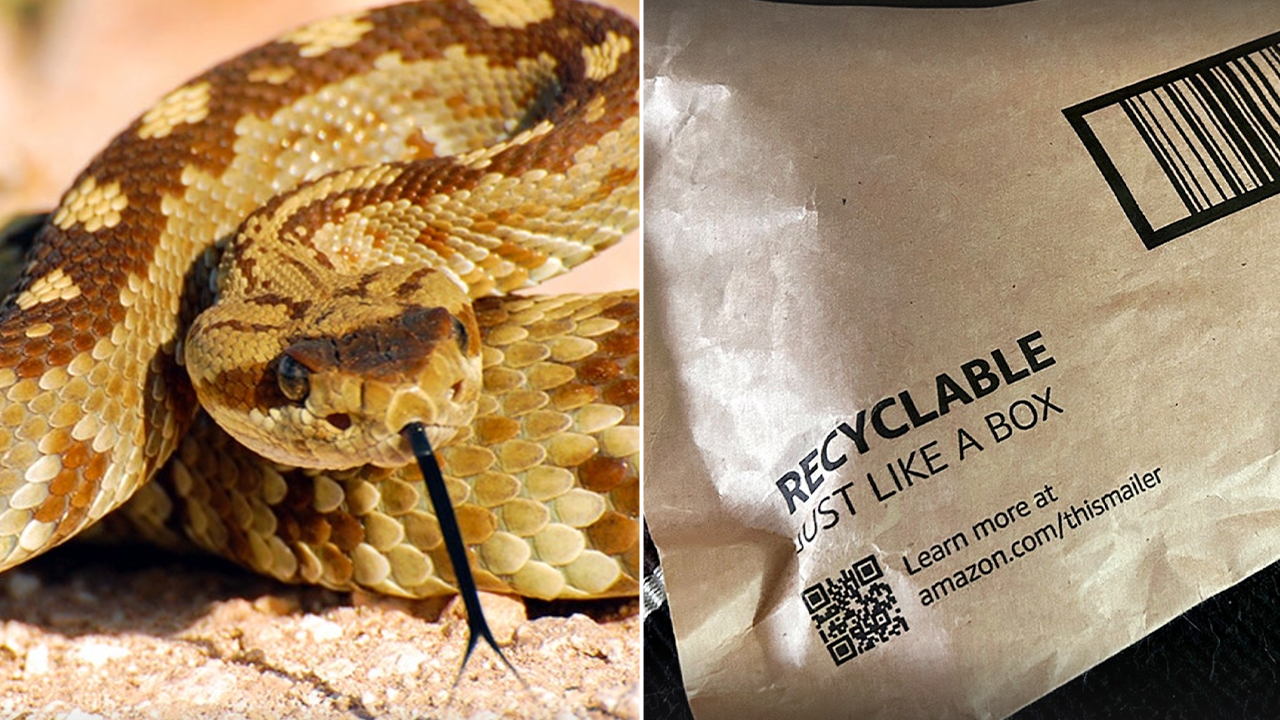
As the toddler reached down to retrieve the padded envelope, a Southern Pacific rattlesnake (Crotalus oreganus helleri) coiled beneath it lunged, biting her on her left hand. The venomous reptile had utilized the package as shelter from the heat, creating a hidden hazard in a space the family considered safe.
Addy’s mother acted quickly, rushing the child into her vehicle and driving toward a nearby grocery store parking lot, where they met dispatched paramedics. Addy was stabilized and transported to a local hospital before being transferred to a specialized pediatric intensive care unit (PICU). She spent two grueling days in the PICU receiving intensive antivenom therapy. While she is now roughly 70 percent recovered, she remains bruised and emotionally shaken by the ordeal.
A Nationwide Pattern of Severe Envenomations
The incident involving Addy Barajas is far from isolated. Across the United States, medical facilities are reporting a sharp rise in severe snakebite admissions:
- The Case of "Chris": In a highly publicized case highlighted by national news outlets, an adult victim named Chris required an extraordinary 36 vials of antivenom to survive a bite from a Western rattlesnake. The sheer volume of antivenom required underscores the potency of the envenomation and the immense physiological toll the venom takes on the human body.
- The Colorado Toddler: In Colorado, a two-year-old girl had to be airlifted to a regional trauma center following a rattlesnake attack in her yard. The rapid progression of symptoms in pediatric patients makes air transport a critical, lifesaving necessity in these cases.
- Fatality Rates on the Rise: According to public health reports, California has already surpassed its typical annual average for fatal snakebites, with at least three confirmed deaths statewide this year alone.
2. Chronology: How the Crisis Unfolded This Season
The current snakebite crisis is the result of environmental factors that began compounding early in the year.
[Early Spring] Unusually mild winter & early heatwaves -> Snakes emerge early from brumation
       |
[March] First fatalities reported (e.g., Thousand Oaks hiker at Wildwood Regional Park)
       |
[April-May] Ventura County Firefighters respond to 7 bites in 30 days; Hiker airlifted in May
       |
[Summer Peak] High temperatures drive snakes to seek shade/water in suburban residential yards
       |
[Recent Weeks] Addy Barajas bitten under delivery package; National surge in pediatric ICU admissions
Early Spring: Premature Emergence
An unusually warm spring across the Western and Southwestern United States disrupted the natural brumation (reptilian hibernation) cycles of local rattlesnake populations. Typically, rattlesnakes emerge in late April or May. This year, however, sustained warm temperatures in February and March prompted snakes to emerge weeks ahead of schedule in search of food and mates.
March: The First Tragedies
By early spring, the consequences of this early emergence became tragic. In March, a woman hiking in Wildwood Regional Park in Thousand Oaks, California, was bitten by a rattlesnake. Despite prompt emergency response efforts, the envenomation proved fatal, setting a grim tone for the months to follow.
April to May: Fire Departments Overwhelmed
By late spring, local emergency services were already seeing a massive spike in calls. Ventura County firefighters reported responding to seven rattlesnake bites within a single month—a frequency highly unusual for that time of year. In May, another hiker in Ventura County had to be airlifted from a remote, rugged trail after sustaining a severe bite, highlighting the logistical difficulties of treating victims in backcountry areas.
Summer Peak: Residential Encroachment
As summer temperatures peaked, natural water sources dried up, and natural shade became scarce. This environmental pressure forced snakes out of their traditional habitats and into irrigated suburban lawns, gardens, and cool concrete porches. This shift in behavior set the stage for the recent envenomation of three-year-old Addy Barajas and other residential incidents across the country.
3. Supporting Data: Biology, Climate, and the Economics of Envenomation
Understanding the current crisis requires looking at the biological characteristics of the snakes involved, the ecological changes driving their behavior, and the financial reality of snakebite treatment in the United States.
The Venom Profile of the Southern Pacific Rattlesnake
The species responsible for the attack on Addy Barajas, the Southern Pacific rattlesnake, is widely considered one of the most dangerous reptiles in North America. Unlike some rattlesnake species whose venom is primarily hemotoxic (attacking tissue and blood), the Southern Pacific rattlesnake possesses a complex venom cocktail that includes both hemotoxins and potent neurotoxins.
| Venom Component | Physiological Effect on Humans |
|---|---|
| Hemotoxins | Destroys red blood cells, disrupts clotting, and causes severe localized tissue damage, swelling, and necrosis. |
| Neurotoxins | Attacks the nervous system, potentially causing respiratory distress, muscle paralysis, and systemic neurological failure. |
| Myotoxins | Leads to rapid muscle breakdown, placing a severe strain on the kidneys. |
Because of this dual-action venom, bites from this species require rapid medical intervention and often necessitate much larger doses of antivenom to neutralize the toxins.
Environmental and Climate Drivers
Herpetologists and climate scientists point to several factors contributing to the rise in snake activity:
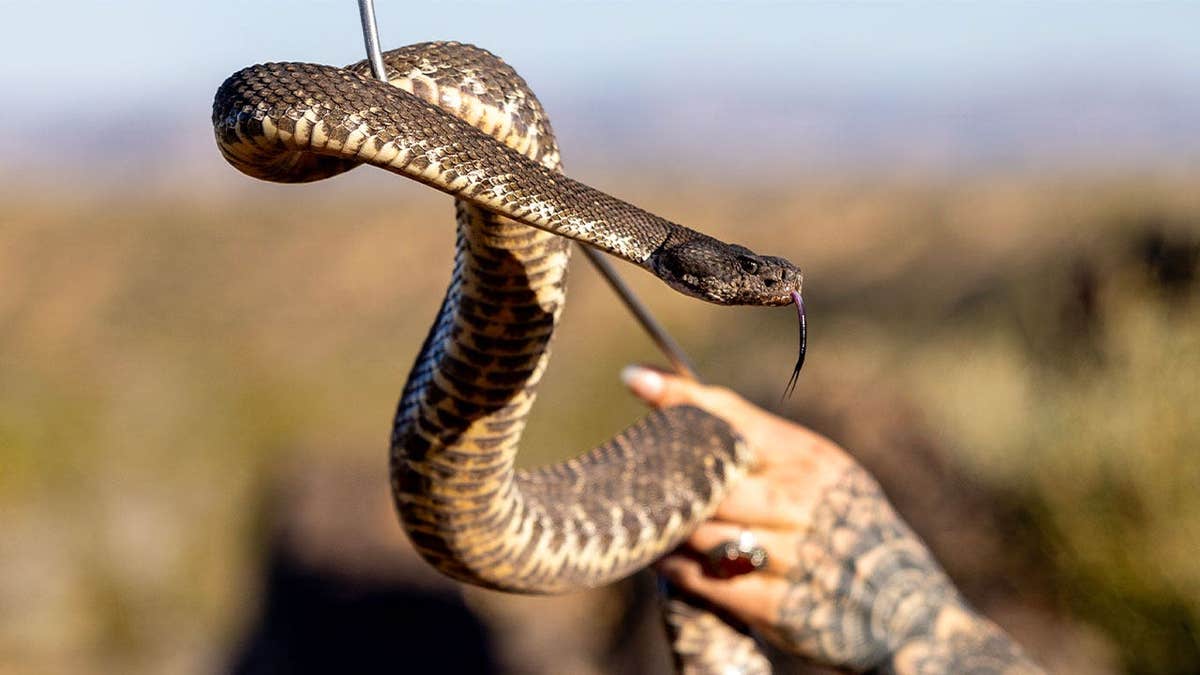
- The "Boom-and-Bust" Ecological Cycle: Recent wet winters in the Western U.S. led to dense vegetation growth, which in turn caused a population boom among small rodents—the primary prey of rattlesnakes. This abundant food supply supported high reproduction rates among snake populations.
- Rising Global Temperatures: Warmer average temperatures extend the active season for ectothermic (cold-blooded) reptiles. With shorter winters and longer, hotter summers, snakes remain active for more months of the year, statistically increasing the likelihood of human-wildlife conflict.
The Staggering Cost of Medical Treatment
The financial impact of a rattlesnake bite can be as devastating as the physical damage.
Average Cost per Antivenom Vial: $5,000 - $15,000
Typical Pediatric Dosage: 4 - 12 Vials (Cost: $20,000 - $180,000)
Extreme Adult Case (36 Vials): Up to $540,000 (Antivenom alone, excluding ICU & air transport)
Antivenom products like CroFab or Anavip are among the most expensive pharmaceuticals in the world. A single vial can cost between $5,000 and $15,000. Because a single bite often requires a starting dose of four to six vials—and sometimes dozens more if envenomation is severe—the cost of the drug alone can easily exceed $100,000.
When factoring in air ambulance transport (often costing $20,000 to $50,000), pediatric intensive care unit stays, and physical therapy, a single snakebite can result in a medical bill of several hundred thousand dollars. To help manage these sudden costs, the Barajas family has launched a GoFundMe campaign to cover Addy’s medical bills and offset lost income during her recovery.
4. Official Responses and Medical Guidance
In response to the surge in envenomations, public health departments, emergency services, and medical toxicologists are actively issuing updated safety protocols and guidance for the public.
Fire Department and Wildlife Warnings
First responders emphasize that preventative measures are the most effective tool against snakebites. Fire officials advise suburban residents to keep their yards clear of debris, tall grass, and clutter, which can serve as hiding spots for both snakes and their rodent prey.
Additionally, homeowners are urged to visually inspect doorways, steps, and delivered packages before reaching for them or stepping outside, particularly during the early morning and evening hours when rattlesnakes are most active.
Medical Best Practices: What to Do and What to Avoid
Medical toxicologists stress that public misconceptions about snakebite treatment remain widespread and dangerous. They have issued clear directives on how to respond to a bite:
DO:
✔ Call 911 immediately.
✔ Keep the victim calm and still (an elevated heart rate spreads venom faster).
✔ Position the bitten limb at or slightly below heart level.
✔ Remove rings, watches, or tight clothing near the bite before swelling starts.

DO NOT:
✘ Do NOT use a tourniquet (this concentrates the venom, worsening tissue damage).
✘ Do NOT attempt to cut the wound or suck out the venom.
✘ Do NOT apply ice or submerge the limb in water.
✘ Do NOT attempt to capture or kill the snake (this often leads to secondary bites).
Pediatric Hospital Preparedness
Manuel Barajas has used his family’s platform to advocate for better public awareness regarding pediatric emergency care. He urges parents to identify which hospitals in their immediate area are designated pediatric trauma centers and are equipped with pediatric doses of antivenom.

Because children have a much smaller body mass than adults, a snakebite delivers a highly concentrated dose of venom relative to their body weight, requiring rapid, specialized pediatric care that not all community emergency rooms are equipped to provide immediately.
5. Implications: The Confluence of Suburbia, Delivery Culture, and Climate Change
The current snakebite crisis points to several broader societal shifts that intersect to create new public health challenges.
The Delivery Economy and New Domestic Risks
The rise of e-commerce and home delivery services has inadvertently created a new interface for human-wildlife interaction. Packages left on porches, gates, or driveways provide temporary shade and shelter for snakes seeking relief from the sun.
As delivery volumes continue to grow, the physical placement of these packages near home entryways creates an unforeseen hazard for residents, particularly young children who may not have the situational awareness to look for hidden wildlife.
The New Normal of Wildlife Encounters
As climate patterns continue to shift and urban boundaries expand further into natural habitats, encounters with venomous reptiles are likely to become more common. Public health infrastructure, urban planning, and municipal wildlife management programs will need to adapt to this reality.
This includes training emergency medical personnel in remote areas, maintaining adequate antivenom stockpiles in community hospitals, and educating the public on how to co-exist safely with native wildlife. For families like the Barajases, the lesson is clear: vigilance is no longer just for the wilderness—it must start right at the front gate.