For decades, Mitsubishi Motors held a storied, albeit niche, position in the American automotive market. From the rally-bred dominance of the Lancer Evolution to the adventurous spirit of the Montero, the brand once defined a certain segment of enthusiast-driven capability. However, recent years have seen Mitsubishi pivot toward a strategy focused almost exclusively on compact crossovers and electrified efficiency. Now, as part of the ambitious "Momentum 2030" roadmap, Mitsubishi is signaling a dramatic return to its rugged roots: the automaker is set to re-enter the North American pickup truck segment, leveraging a strategic partnership with corporate ally Nissan to bypass the prohibitive costs of independent development.
The Strategic Pivot: Why Now?
The decision to introduce a pickup truck to the North American lineup is not merely a product expansion; it is a calculated effort to recapture the brand’s lost identity. According to internal briefings shared with dealers as part of the Momentum 2030 plan, Mitsubishi recognizes that its current portfolio—while reliable—lacks the emotional hook that once drew customers to showrooms.
By integrating a pickup into the US and Canadian catalogs, Mitsubishi aims to broaden its demographic reach. Dealers have long lobbied for a truck, noting that the midsize and full-size segments remain the most profitable and culturally significant sectors of the American automotive industry. However, the barrier to entry is high. Engineering a competitive, safety-compliant, and performance-capable truck from scratch requires billions in R&D—a capital expenditure that Mitsubishi, in its current state of transition, simply cannot justify.
Enter the Nissan alliance. By utilizing existing, proven architecture from the Nissan portfolio, Mitsubishi can dramatically compress its time-to-market and mitigate financial risk.
A Chronology of the Momentum 2030 Roadmap
The roadmap to the new pickup is part of a broader, multi-phase transformation of the Mitsubishi brand. The journey began with the identification of key gaps in the North American lineup and has been structured to roll out new offerings in a deliberate, sequential fashion.
Phase 1: Foundation and Electrification (2026)
The initial stage of the product rollout is anchored by the Eclipse Sportback EV. Scheduled for a mid-2026 debut, this vehicle represents a collaboration with Nissan, sharing the fundamental platform of the next-generation Nissan Leaf. While the underpinnings are alliance-developed, Mitsubishi has insisted on "Mitsubishi-specific sheet metal" and tuning to ensure the vehicle retains the brand’s design language.
Phase 2: Rugged Expansion (2027)
Following the EV launch, the first quarter of 2027 will see the introduction of a specialized, off-road-oriented iteration of the popular Outlander. This move is designed to satisfy the growing consumer demand for "adventure-ready" crossovers, bridging the gap between the brand’s urban-focused crossovers and its upcoming truck offerings.
Phase 3: The Truck Debut (2027 and Beyond)
The pickup truck is slated to follow these releases. While a specific release date remains under wraps, the vehicle is expected to serve as the crown jewel of the Momentum 2030 dealer plan. This phase is intended to coincide with a comprehensive overhaul of the retail network, focusing on a modernized customer experience that prioritizes serviceability and brand loyalty.
Engineering the "Mitsubishi" Identity
The central question facing automotive analysts is how Mitsubishi will differentiate its truck from its Nissan counterparts. Given that Nissan already dominates the midsize market with the Frontier, the "badge-engineering" trap is a significant concern.
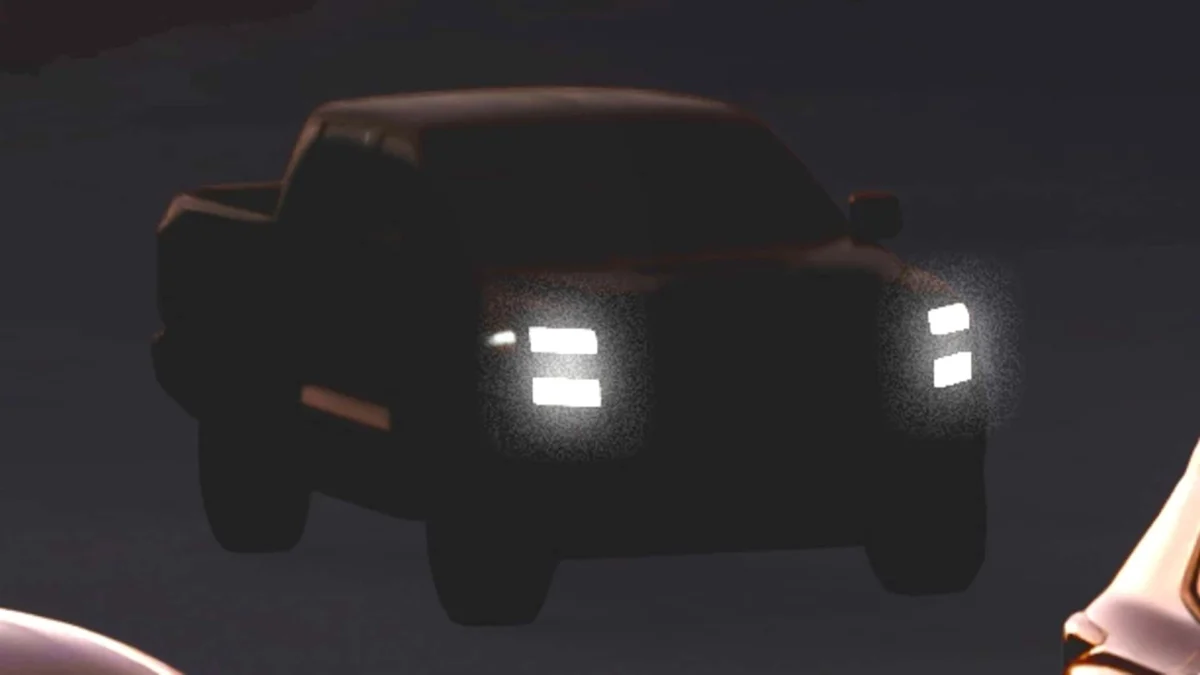
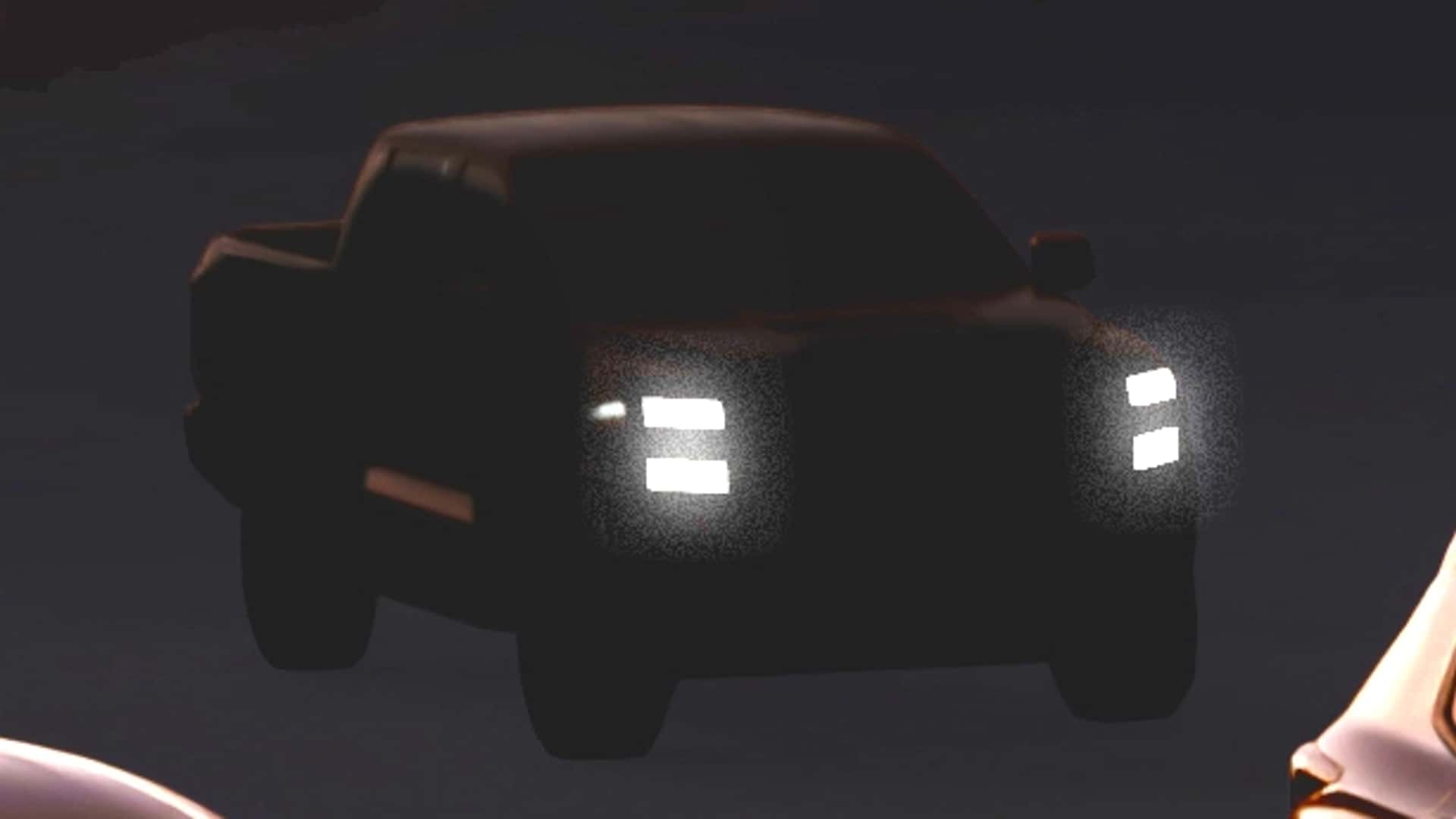
Internal design sketches revealed during dealer presentations offer a glimpse into the company’s intent. The proposed vehicle departs from the soft, rounded aesthetic of the current Eclipse Cross or Outlander. Instead, the design language is notably boxy and aggressive, featuring sharp, split LED headlights that suggest a return to the angular, bold aesthetics of the 1990s Pajero and Montero era.
To avoid the perception of a "rebadged Nissan," Mitsubishi is expected to focus on:
- Unique Interior Architecture: While the chassis and powertrain may be Nissan-sourced, the cabin layout, material choices, and infotainment interface will likely be proprietary to Mitsubishi, emphasizing the brand’s signature focus on intuitive ergonomics.
- Suspension and Handling Tuning: Mitsubishi’s heritage in World Rally Championship (WRC) competition provides a unique marketing angle. By tuning the suspension for more dynamic, rally-inspired handling compared to the Frontier’s utilitarian setup, Mitsubishi can appeal to a different segment of the market.
- Ownership Ecosystem: The Momentum 2030 plan also touches on a revamped service network. By tying the truck to a specialized, rugged-vehicle-focused maintenance program, Mitsubishi hopes to create an ownership experience that feels distinct from the standard Nissan experience.
The Pajero/Montero Conundrum
While the pickup truck is a major highlight of the North American strategy, it is essential to distinguish it from the highly anticipated return of the Pajero (historically known as the Montero in North America).
Mitsubishi Motors Corporation in Japan has already confirmed that the next-generation Pajero is being developed as a ladder-frame flagship SUV. While some enthusiasts speculate that the truck and the SUV could share a chassis, official communications from the company keep these programs separate. The Pajero is being treated as a halo product—an aspirational vehicle meant to restore the brand’s image as a manufacturer of world-class off-roaders. The pickup, by contrast, is intended to be a volume-driver, aimed at capturing the competitive midsize truck market.
Market Implications and The "Motor1" Perspective
For Mitsubishi, the reliance on alliance hardware is a pragmatic necessity. However, as noted by industry analysts, the success of this project hinges on more than just the technical specs. In a market saturated with options like the Toyota Tacoma, the Ford Ranger, and the Chevrolet Colorado, "shared bones" will not be enough to move the needle.
The burden of success rests on Mitsubishi’s ability to deliver a compelling narrative. If the truck feels like a Nissan Frontier with a different logo, consumers will likely gravitate toward the established brand. If, however, Mitsubishi manages to infuse the vehicle with its unique design DNA and a distinct driving character, it could serve as the catalyst for a genuine brand renaissance in the United States.
The Financial Landscape
Mitsubishi’s financial documents highlight that the cost of developing a clean-sheet truck is simply not feasible given current profit margins. By offloading the R&D burden to Nissan, Mitsubishi can allocate its limited resources toward dealership infrastructure, digital marketing, and dealer training. This "lean" approach to product development is the core philosophy of the Momentum 2030 plan.
The Dealer Network Response
Dealer reaction has been overwhelmingly positive. After years of requesting a product that can compete in the high-margin truck segment, retailers see the upcoming pickup as the missing piece of the puzzle. The Momentum 2030 plan is designed to empower these dealers with not just a new product, but a new retail strategy that emphasizes the "adventure" capability of the future lineup.
Conclusion: A High-Stakes Gamble
The decision to bring a pickup truck back to America is a high-stakes gamble for Mitsubishi. It is an admission that the company cannot go it alone in the current automotive landscape, yet it is also a bold statement that the brand is not willing to exit the North American market.
By integrating into the Nissan-Mitsubishi alliance more deeply, the brand is securing its survival. But to thrive, Mitsubishi must do more than just survive. It must convince the American public that a Mitsubishi truck is not just a utility tool, but a piece of automotive history reborn for the modern era. As we look toward 2027, all eyes will be on how effectively the brand can balance its corporate reliance on Nissan with the creative independence required to capture the hearts of a new generation of American truck buyers.
The road ahead is complex, fraught with both supply-chain challenges and the difficulty of reclaiming brand relevance. Yet, for the first time in a decade, Mitsubishi has a clear, actionable roadmap that connects its past to a potentially profitable, rugged future. Whether this will lead to a return to glory or a quiet fade into the background of the automotive industry remains to be seen, but one thing is certain: the Mitsubishi of 2030 will look, feel, and drive very differently than the Mitsubishi of today.