The battle for the heart and future direction of both major political parties is escalating across the country. As the primary calendar moves through late summer, recent election results and upcoming contests reveal a complex national landscape. Democrats are navigating deep ideological fractures between their progressive wing and moderate establishment, alongside an emerging generational rift among safe-seat incumbents. Meanwhile, Republicans are managing volatile local nominations, redistricting shifts, and high-stakes Senate defense strategies in unpredictable electorates.
From the Upper Midwest to the southern tip of Florida, and reaching all the way to Alaska, candidates are putting competing visions of electability, identity, and governance to the test.
Main Facts: Key Primary Victories, Incumbent Vulnerabilities, and Strategic Shifts
Recent primary contests in Minnesota and Wisconsin provided a nuanced report card on the strength of the Democratic Party’s progressive flank. In Minnesota, progressive Lieutenant Governor Peggy Flanagan decisively secured the Democratic nomination for the state’s open U.S. Senate seat, demonstrating the durable appeal of left-leaning figures in statewide Minnesota politics. However, across the border in Wisconsin, self-described democratic socialist assemblywoman Francesca Hong narrowly lost her gubernatorial primary bid to Milwaukee County Executive David Crowley, a moderate who successfully rallied establishment support.
Beyond executive races, congressional nominations are highlighting distinct fault lines within both parties:
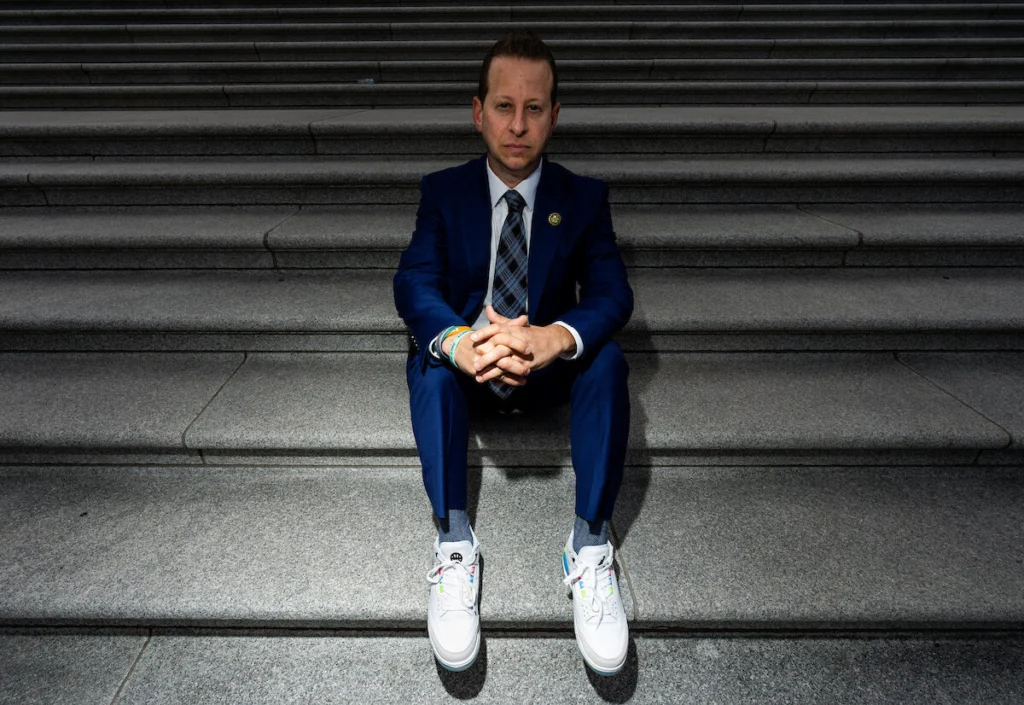
- Florida’s 25th Congressional District: Moderate Democratic incumbent Rep. Jared Moskowitz faces an aggressive primary challenge from the left by Oliver Larkin, a self-identified democratic socialist activist. Located in South Florida, the redrawn 25th District—which Donald Trump would have carried by 9 percentage points in 2024—presents a complex demographic profile, with populations that are roughly 25 percent Jewish and 25 percent Hispanic. The race is currently rated a "Toss-up" by Inside Elections.
- Generational Turnover in Blue Seats: Longtime Connecticut Rep. John B. Larson, 78, became the seventh House Democrat from a safe blue district to fall in a primary this cycle, losing to 47-year-old former Hartford Mayor Luke Bronin. Unlike other insurgent challenges, the contest turned strictly on age and generational succession rather than ideology. Conversely, in Hawaii’s 1st District, 73-year-old moderate Democratic Rep. Ed Case resisted the generational trend by comfortably defeating 43-year-old state Sen. Jarrett Keohokalole.
- Alaska’s Marquee Senate Showdown: Two-term Republican Sen. Dan S. Sullivan is locked in a tight reelection battle against former Democratic Rep. Mary Peltola in Alaska’s nonpartisan, top-four primary system. The race has been complicated by the ballot appearance of Daniel J. Sullivan Jr., a retired teacher and Republican critic of Donald Trump, whose presence prompted unsuccessful GOP court challenges over feared voter confusion.
- Down-Ballot Adjustments: In North Carolina’s 11th District, Republican officials selected state Rep. Jennifer Balkcom to replace embattled Rep. Chuck Edwards on the November ballot against Democrat Jamie Ager. In Louisiana, Republican state Sen. Blake Miguez switched his candidacy from the 5th District to the newly redrawn, deeply conservative 6th District, avoiding a primary split after Democratic incumbent Cleo Fields vacated the seat to run for state Senate.
Chronology: Tracking the Mid-August Primary Cascade
┌───────────────────────────────────────────────────────────────────────────┐
│                          CAMPAIGN TIMELINE CYCLE                          │
├──────────────┬────────────────────────────────────────────────────────────┤
│ Aug 7–9      │ • Generational shifts hit blue seats: Larson loses in CT,  │
│              │   Case holds off challenger in HI.                         │
│              │ • Ben Jones ("Crazy Cooter"), former GA Rep., dies at 84.  │
├──────────────┼────────────────────────────────────────────────────────────┤
│ Aug 10–11    │ • NC-11 GOP nominates Jennifer Balkcom to replace Edwards. │
│              │ • SC sets Aug 25 runoff: Darline Graham vs. Ralph Norman.  │
│              │ • DCCC adds Poindexter (OH) & Hines (MI) to "Red to Blue". │
├──────────────┼────────────────────────────────────────────────────────────┤
│ Aug 12       │ • Upper Midwest Primaries: Flanagan wins MN-SEN Dem nod;  │
│              │   Hong loses WI-Gov Dem primary to Crowley.                │
│              │ • Rematches set: Cooke vs. Van Orden (WI-03); Matt Little  │
│              │   wins Dem nod in MN-02.                                   │
├──────────────┼────────────────────────────────────────────────────────────┤
│ Aug 13–15    │ • Final sprint to FL-25 primary: Larkin campaigns with Rep.│
│              │   Rashida Tlaib; New Democrat Majority drops $250k ad buy. │
│              │ • Outside groups pour millions into AK-SEN, Senate races.   │
└──────────────┴────────────────────────────────────────────────────────────┘
The mid-August primary stretch began with structural shakeups in New England and the Pacific. Between August 7 and August 9, voters in Connecticut and Hawaii delivered contrasting verdicts on incumbent longevity, ousted 14-term veteran John B. Larson in Hartford while re-nominating Ed Case in Honolulu. Concurrently, news broke of the passing of former Georgia Democratic Rep. Ben Jones, best known for his acting role as "Cooter" on The Dukes of Hazzard, at age 84.
Over the weekend of August 10–11, party committees finalized critical substitute nominations. North Carolina Republicans met in the 11th District to tap state Rep. Jennifer Balkcom following Rep. Chuck Edwards’ withdrawal. In South Carolina, state Sen. Darline Graham advanced to an August 25 primary runoff against conservative Rep. Ralph Norman to fill the Senate seat previously held by her late brother, Lindsey Graham.
On Tuesday, August 12, attention turned to the Upper Midwest. Minnesota voters advanced Peggy Flanagan to the Democratic Senate line, while former state Sen. Matt Little captured the Democratic nomination in Minnesota’s 2nd District to succeed Rep. Angie Craig. In Wisconsin, David Crowley’s gubernatorial primary victory over Francesca Hong anchored the moderate wing’s night, while Rebecca Cooke secured a rematch against Republican Rep. Derrick Van Orden in Wisconsin’s 3rd District, and Republican Michael Alfonso won the nomination to succeed Rep. Tom Tiffany in the 7th District.
By mid-week, attention shifted to the impending August primary dates in Florida, Alaska, and Wyoming, alongside a special election in California’s 14th District to succeed former Rep. Eric Swalwell.
Supporting Data: Campaign Finances, Demographics, and District Metrics
Money and demographics remain the central mechanics driving the competitive balance across these contested battlegrounds.
                  2026 ALASKA SENATE CAMPAIGN FUNDRAISING
   ┌──────────────────────────────────────────────────────────────────┐
   │ MARY PELTOLA (D)                                                 │
   │ Raised: $18.5M                    | Cash on Hand: $4.6M         │
   ├──────────────────────────────────────────────────────────────────┤
   │ DAN SULLIVAN (R-Incumbent)                                       │
   │ Raised: $11.8M                    | Cash on Hand: $7.3M         │
   └──────────────────────────────────────────────────────────────────┘
Alaska Senate Key Metrics
- Total Primary Candidates: 16 (Top-4 advance to November).
- Mary Peltola (D): $18.5 million raised (through July 29); $4.6 million cash on hand.
- Dan Sullivan (R): $11.8 million raised; $7.3 million cash on hand.
- Outside Group Commitments:
- Senate Leadership Fund (GOP): $17 million total reservation (including a recent $2 million allocation).
- Senate Majority PAC (Dem): $10 million initial ad buy reservation.
- 2024 Presidential Margin: Donald Trump carried Alaska by 13 percentage points, while Peltola lost her at-large House seat by just 2 percentage points.
Florida’s 25th District Dynamics
- Composition: ~25% Jewish constituency; ~25% Hispanic constituency.
- Political Baseline: Trump +9 in 2024; rated "Toss-up" by Inside Elections.
- Independent Spending: Center-left super PAC New Democrat Majority injected $250,000 into South Florida media markets in August to bolster incumbent Rep. Jared Moskowitz against challenger Oliver Larkin.
National Independent & PAC Expenditures
- American Action Network (GOP): Unveiled a $22 million issue-ad blitz across 41 competitive House districts promoting "no tax on tips" and federal tax relief provisions.
- Americans for Prosperity Action (Conservative): Launched a $5.6 million multi-state ad program targeting seven key Senate battlegrounds, including a seven-figure buy supporting Republican Michael Whatley in North Carolina.
The Congressional-to-Executive Pipeline ("The Count: 19")
Data analysis indicates that up to 19 states and territories could have a former member of the U.S. House or Senate serving as governor by early 2027:
     GOVERNORS WITH PRIOR CONGRESSIONAL SERVICE (POTENTIAL TOTAL: 19)
┌──────────────────────────────┬──────────────────────────────────────────┐
│ Category                     │ States / Territories                     │
├──────────────────────────────┼──────────────────────────────────────────┤
│ Holding Seats (Not Up 2026)  │ IN, LA, MT, NJ, ND, VA, PR (7)           │
│ Incumbents Running Reelection│ NH (Ayotte), NY (Hochul) (2)             │
│ Term-Limited / Transitioning │ FL (Donalds/Jolly), MN (Klobuchar),      │
│ Open Contests                │ NM (Haaland), CO (Lopez - Ind.) (4)      │
│ Non-Member to Member Flips   │ AL, AZ, CA, MI, TN, WI, VI (7)           │
└──────────────────────────────┴──────────────────────────────────────────┘
Official Responses: Statements, Candidate Positions, and Editorial Critiques
The policy choices and rhetorical strategies in these key races reflect broader national debates over foreign policy, electability, and economic relief.
The Left-Flank Challenge in South Florida (FL-25)
Challenging Rep. Jared Moskowitz from the left, self-described "proud Democratic Socialist" Oliver Larkin argued that primary voters want a clear, progressive identity rather than compromised messaging:

"Democrats are not really buying the electability argument that we need to moderate or kind of split the difference between Republican and Democratic points of view on issues," Larkin said. "What we’re seeing in these states all across the country is that Democrats are really ready to not just be the anti-Trump party, they want an affirmative vision for which side the Democratic Party is on."
Larkin, who has called for an immediate cutoff of U.S. military assistance to Israel and openly describes himself as an "anti-Zionist," drew sharp criticism from local media ahead of the primary. The Miami Herald editorial board criticized Larkin’s foreign policy stances, questioning their alignment with a district containing one of the highest concentrations of Jewish voters in the United States.
Rep. Jared Moskowitz, who is Jewish and serves as co-chair of the Congressional Sneaker Caucus, declined formal comment on the campaign’s closing days. However, Moskowitz previously rejected engaging directly in debates with Larkin, asserting that his opponent was "running against me solely on my religion."
Alaska’s Ideological and Rhetorical Friction
In Alaska’s Senate primary, Mary Peltola has leaned into her distinct regional brand, anchored by her campaign slogan: "Fish, family, freedom." While taking traditional Democratic positions on reproductive rights and securing the endorsement of Vice President Kamala Harris, Peltola has highlighted her breaks with national party leadership on gun policy and resource management. Her campaign recently launched television ads targeting Sen. Sullivan over his past procedural votes against select Biden administration nominees.
Incumbent Sen. Dan Sullivan, who holds the endorsement of Donald Trump and the National Rifle Association, has countered by seeking to align Peltola with progressive elements in Washington. Sullivan’s campaign releases systematically label Peltola a party-line liberal, pointing to her national endorsements. At the same time, Sullivan has maintained a measured stance regarding executive authority, voting for measures to block unappropriated spending on White House renovations while opposing select conservative proposals regarding political compensation funds.
State-Level Fractures: Housing and Infrastructure
Ideological divides extend beyond Washington seats into high-profile local primary environments:
- San Francisco (CA-11): In the primary to succeed retiring former Speaker Nancy Pelosi, San Francisco Supervisor Connie Chan and state Sen. Scott Wiener share similar stances on social issues but differ significantly on urban housing policy—a key concern in a district where median one-bedroom rents exceed $4,000 monthly. Wiener advocates for state-level zoning preemptions to accelerate market-rate construction, whereas Chan emphasizes municipal affordability mandates and tenant protections.
- Rhode Island Gubernatorial Race: Incumbent Democratic Gov. Dan McKee faces a stiff primary test from former healthcare executive Helena Foulkes. According to local reporting from Politico, public dissatisfaction with McKee’s management of the partially closed Washington Bridge has turned the transit bottleneck into the primary issue governing voter approval of his administration.
Strategic Implications: The Evolving National Political Landscape
The results of mid-August’s primary elections offer several key takeaways for both party organizations as the 2026 midterm cycle enters its final sprint:
1. Ideological Limits and Regional Nuance
While progressive candidates like Peggy Flanagan can comfortably secure statewide nominations in states with strong, organized labor bases like Minnesota, the failure of Francesca Hong in Wisconsin and the uphill battle faced by Oliver Larkin in Florida show the limits of left-wing insurgency in swing or moderately conservative districts. Moderate voters continue to hold considerable sway in open gubernatorial and suburban House primaries.
2. Generational Turnover vs. Ideological Drift
The defeat of John B. Larson in Connecticut alongside Ed Case’s victory in Hawaii highlights that primary voters are increasingly separating candidate age from ideological performance. Senior incumbents in safely blue districts face growing risks from younger, administrative-experienced local leaders—such as former mayors and state legislators—who run on generational succession rather than radical policy shifts.
            PRIMARY CHALLENGE VULNERABILITY MATRIX
┌─────────────────────────┬───────────────────────────────────────────┐
│ Primary Type            │ Key Primary Factor                        │
├─────────────────────────┼───────────────────────────────────────────┤
│ Generational Shift      │ Candidate Age, Tenure, Local Succession   │
│ (e.g., CT-01, HI-01)    │ (Ideology often secondary)                │
├─────────────────────────┼───────────────────────────────────────────┤
│ Ideological Fracture    │ National Alignment, Foreign Policy,       │
│ (e.g., FL-25, WI-Gov)   │ Structural Moderation vs. Socialism       │
├─────────────────────────┼───────────────────────────────────────────┤
│ Open-System Coalition   │ Ranked-Choice Voting, Cross-Party Appeal, │
│ (e.g., AK-SEN)          │ Regional Identity Over National Brand     │
└─────────────────────────┴───────────────────────────────────────────┘
3. Ranked-Choice Dynamics and Coalition Politics
Alaska’s top-four nonpartisan system demonstrates how alternative voting structures alter strategy. Candidates cannot rely solely on turnout among party faithful; they must appeal to broader secondary preferences. Peltola’s cross-party brand test against Sullivan will provide a major case study in whether moderate personal branding can overcome a district’s national political baseline in a high-turnout federal election year.
4. Dark-Money and Independent Wildcards
As highlighted by Inside Elections, left-leaning non-profit groups and pop-up super PACs are increasingly funding third-party and independent candidates in deeply red territory to split conservative majorities. The presence of independent candidates like Seth Bodnar in Montana’s Senate race represents an expanding field strategy aimed at altering traditional candidate-versus-candidate dynamics in conservative states.
As campaigns turn toward the post-Labor Day general election campaign, both major parties must balance satisfying their core primary base while maintaining the broad appeal required to win competitive swing seats nationwide.