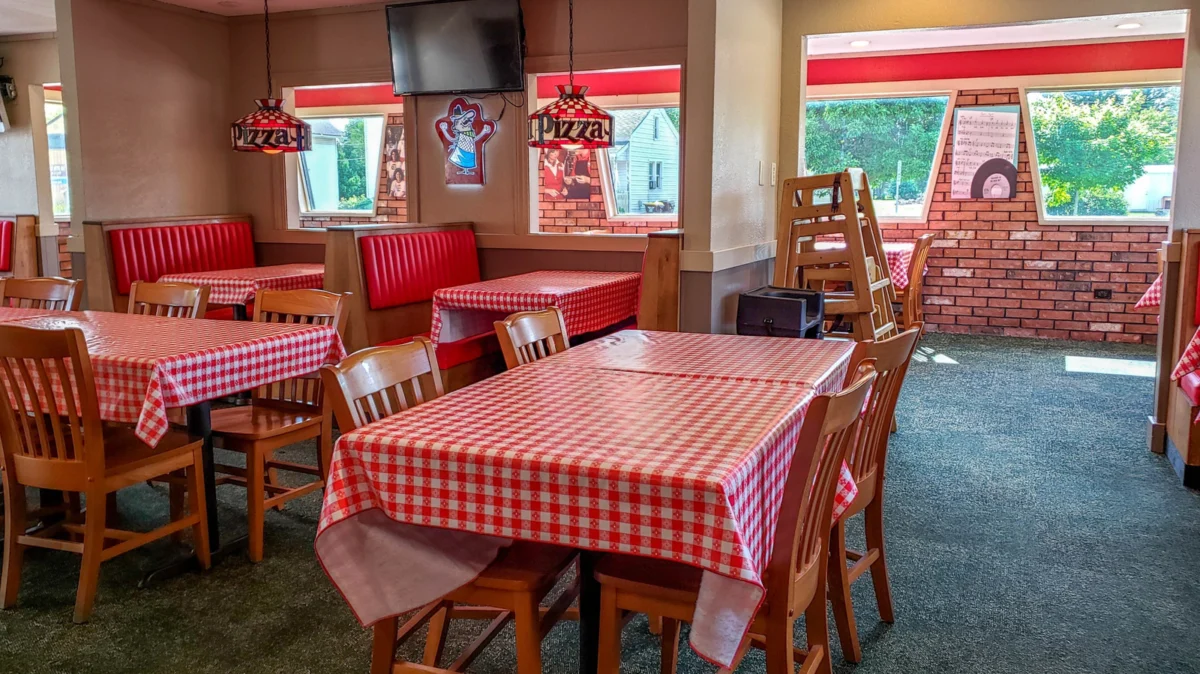
For decades, the iconic red-roofed architecture of Pizza Hut has stood as a beacon of comfort food for millions. From the rise of the personal pan pizza to its long-held title as the world’s premier pizza chain in 1971, the brand is etched into the collective memory of generations. However, as the fast-casual landscape shifts toward mobile-first ordering and streamlined delivery, the way customers interact with the brand has evolved significantly.
While the menu remains familiar, there is a hidden layer of "insider knowledge"—a collection of unwritten rules and tactical strategies—that seasoned customers and current employees use to elevate their experience. Whether you are looking to maximize your budget or customize your pie beyond the standard menu, understanding these nuances can transform your next Pizza Hut order from a routine transaction into a gourmet experience.
The Strategy of Value: Navigating the Deals Page
The most fundamental rule for the modern Pizza Hut patron is one that is frequently overlooked: never place an order without first consulting the "Deals" page. In an era of rising food costs, the standard menu prices can quickly become prohibitive, particularly when ordering for large groups or families.
Pizza Hut operates a highly dynamic promotional model. Unlike many competitors that rely on static pricing, the brand continuously rotates national and local offers. These range from "Mix and Match" bundles to seasonal discounts on medium or large pies. The primary error most customers make is treating coupons as an afterthought—adding them only after building a full-price cart. By reversing this process and building your meal around the active promotions, you can often secure additional sides or secondary pizzas for a fraction of the cost. Always check the specific store location, as franchise operations may offer unique, hyper-local promotions that are not advertised on the national site.
Maximizing Culinary Potential: Customization and Logic
One of the most underutilized features of the Pizza Hut digital interface is the granular control allowed during the "Build Your Own" process. Many customers view a pizza as a monolithic entity, but the sophisticated online ordering platform allows for precise bifurcation of ingredients.
If you are dining with a group that has divergent topping preferences, the half-and-half configuration is your greatest asset. Crucially, while some legacy phone-in orders or in-store requests might trigger additional fees for split-topping modifications, the mobile app often applies a more favorable pricing logic. This allows for experimentation. If you are curious about a more adventurous topping combination—such as the increasingly popular Canadian-style supreme—but are hesitant to commit an entire pie to the risk, ordering half is a low-stakes way to sample new flavors. This rule applies to all sizes, including the classic Personal Pan Pizza, allowing for a personalized dining experience that minimizes food waste.
The Secret Seasoning: Reclaiming ‘Hut Dust’
For those who remember the "Fairy Dust" seasoning of the 1980s and 1990s, there is a modern-day equivalent that remains one of the chain’s best-kept secrets. "Hut Dust" is a signature blend of Parmesan, Romano, parsley, garlic powder, and oregano. While it is rarely featured as a prominent menu item, it is a staple in most kitchens.
Employees often recommend this as the ultimate "finishing move" for any order. Whether applied to a standard Pepperoni Lover’s pie or used to elevate the brand’s breadsticks, the seasoning provides a depth of savory, herbaceous flavor that cuts through the richness of the cheese. It is a simple, often complimentary request that can turn a basic delivery order into a restaurant-quality meal. While availability can occasionally vary by franchise, it is a quintessential example of an unwritten rule that rewards the customer for simply asking.
The Loyalty Ecosystem: Leveraging Hut Rewards
The transition of the quick-service industry toward data-driven loyalty programs has made membership essential for frequent diners. The "Hut Rewards" program is designed to incentivize repeat business, offering a straightforward point-accrual system: 10 points for every dollar spent.
For the casual diner, this may seem like a trivial loyalty scheme. However, for those who order even on a semi-regular basis, the compounding effect of these points is significant. The program allows for the redemption of free pizzas, breadsticks, and other sides, effectively lowering the long-term cost of your orders. The key implication here is the necessity of ensuring you are logged into your account before checkout. Points are not always retroactive, and failing to verify your account status is a common way to leave value on the table.
Addressing the Delivery Paradox: The ‘Extra Sauce’ Solution
Delivery introduces a fundamental challenge for pizza quality: the transit time. Steam trapped in a cardboard box can soften a crust, and by the time a pie reaches the customer, it may lack the moisture and vibrancy it had upon exiting the oven.
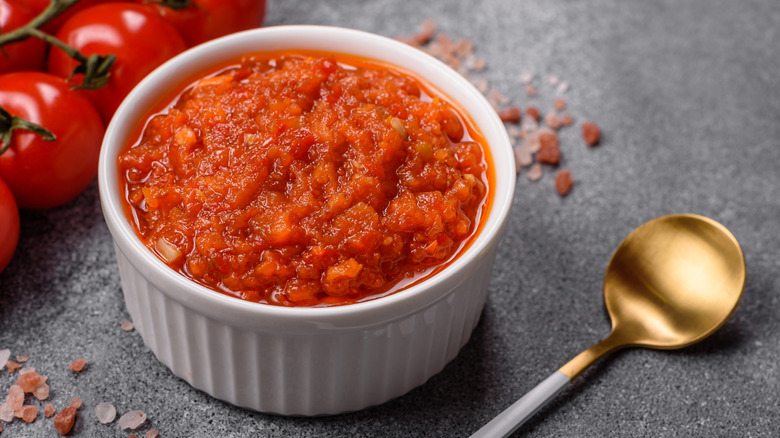
A sophisticated, albeit simple, tactic employed by pizza enthusiasts is the request for "extra sauce." When ordering online, selecting this option provides a protective layer against the drying effects of the delivery process. Furthermore, if you are a fan of thicker crusts, extra sauce serves as an ideal dipping component, allowing the diner to curate their own crust-to-sauce ratio. Whether opting for the standard marinara or the more assertive spicy marinara, this small modification is perhaps the most effective way to ensure the meal arrives in peak condition.
The Evolution of the Dining Experience: The Salad Bar Legacy
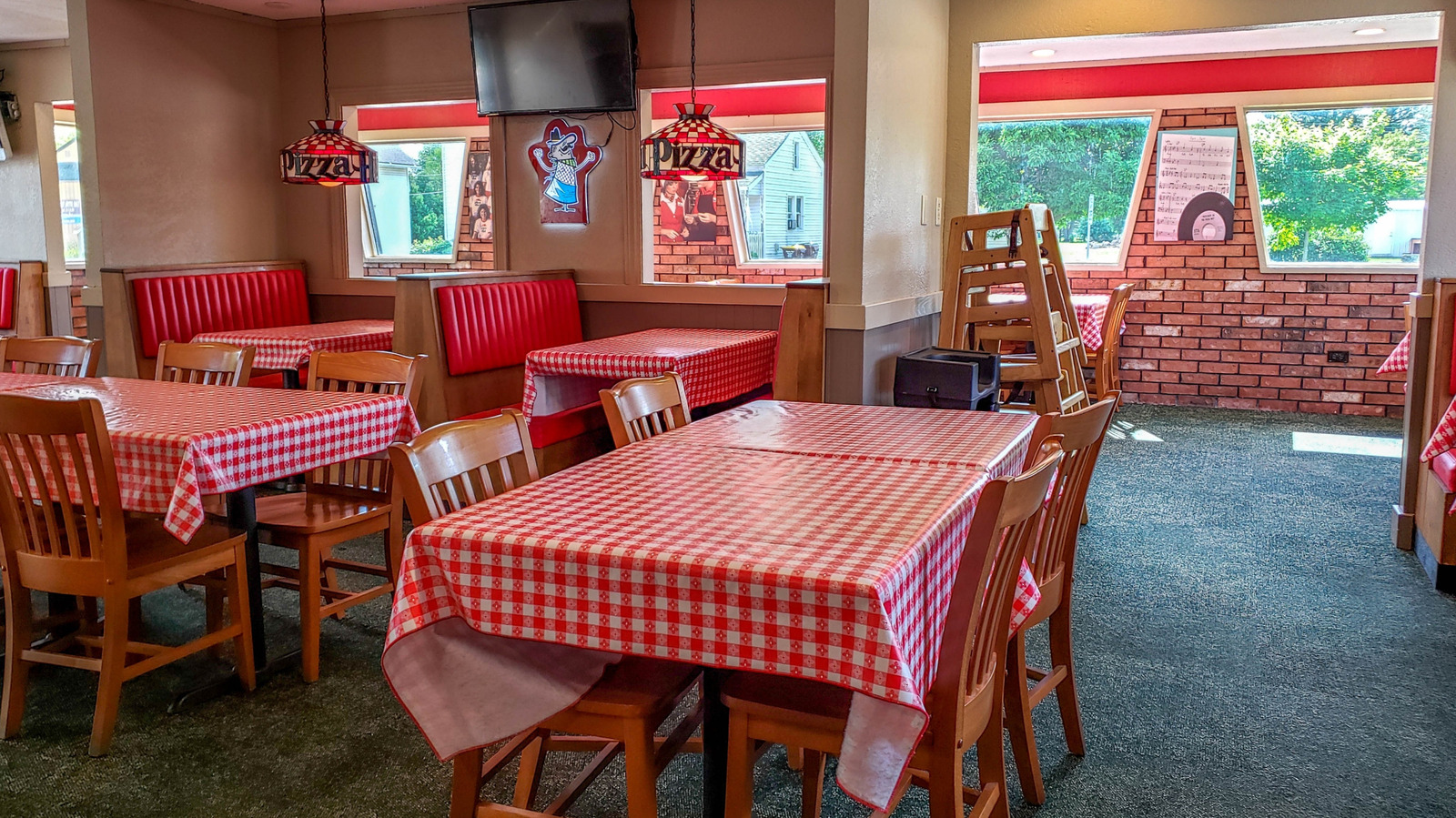
Perhaps the most significant cultural shift in the Pizza Hut narrative is the decline of the dine-in experience. Many customers retain fond memories of the "Book It!" era, characterized by red-checkered tablecloths, Tiffany-style lamps, and, most notably, the legendary salad bar.
However, the modern Pizza Hut is predominantly a delivery and carryout enterprise. The disappearance of the salad bar was not a sudden decision but the result of a convergence of factors: shifting consumer preferences, rising food costs, and the infamous "one-plate rule" incident in China, which highlighted the logistical challenges of all-you-can-eat formats. Today, very few locations maintain a salad bar. If you are planning a dine-in visit based on nostalgia, it is imperative to verify the location’s current amenities. The modern brand footprint is optimized for speed, not for the leisurely sit-down experience of the 1990s.
Off-Menu Creativity: The Boundary of the Kitchen
The final rule of the Pizza Hut experience is the acknowledgment that menus are suggestions, not limitations. While there is no "secret menu" in the sense of a high-end coffee shop, the kitchen’s capability to assemble ingredients allows for creative "hacks."
A well-documented example involves the assembly of a custom BBQ Chicken masterpiece. By ordering a pizza base and combining it with separately ordered boneless wings, customers can create a high-end, textured pie that far exceeds the quality of standard menu options. This relies entirely on the rapport between the customer and the staff. It is important to remember that these requests require additional labor. Approaching staff with patience and clarity—and doing so during off-peak hours—greatly increases the likelihood that they will be willing to accommodate your creative requests.
Methodology and Context
The information compiled herein is derived from a synthesis of official corporate resources and extensive crowd-sourced data. By reviewing current digital ordering protocols, rewards program terms, and promotional structures, we have identified the core mechanics of the modern Pizza Hut experience.
Furthermore, this guide incorporates firsthand anecdotal evidence from current and former staff members across various Reddit forums and social media communities. These insights represent the "unwritten" traditions of the industry—practices that are standard in many kitchens but are rarely documented in official training manuals. As always, because Pizza Hut operates largely as a franchise model, local store policies will dictate the availability of these options. When in doubt, a quick inquiry via the store’s phone line or a note in the "special instructions" field of your digital order is the best way to ensure your preferences are met.
Ultimately, mastering these rules is about enhancing your own convenience and enjoyment. By engaging more deeply with the ordering process, you transition from a passive consumer to an active participant in your own dining experience.